
Trusted by 165+ Homeowners
Sewage Damage Restoration in Dallas, GA
- Over 165 5-Star Reviews
- Free Estimates and Quotes
- 100% Satisfaction Guaranteed
- Child, Family & Pet Safe Steps
- 24-Hour Emergency Service
- Fully Licensed & Insured
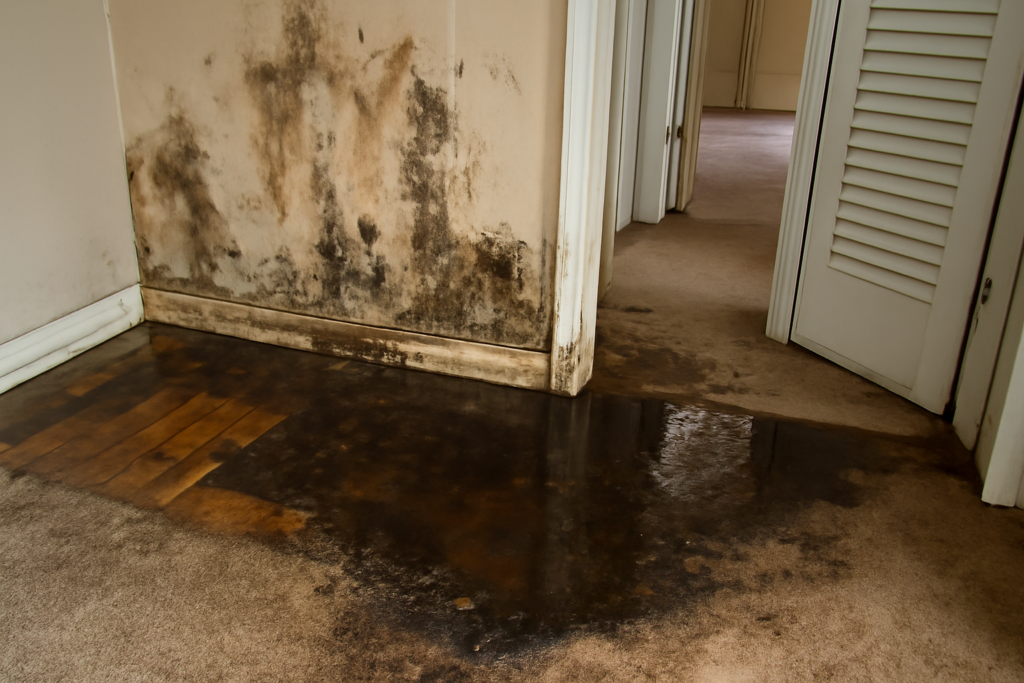
Tackling Sewage Damage Restoration in Dallas, GA
Here in Dallas, GA, we know how unpredictable our weather can be, especially with those sudden heavy rains that can overwhelm our local drainage systems. When that unexpected sewage backup happens, it’s more than just a mess; it’s a serious health hazard that needs immediate attention. Dealing with contaminated water can be incredibly stressful, and you’re probably wondering how to even begin cleaning it up safely. You want a team you can trust to handle this sensitive situation with care and expertise, restoring your home to a safe and healthy state.
Homeowners around here have chosen us for their sewage damage restoration needs over 165+ times, consistently giving us five-star reviews. They appreciate our straightforward approach and our commitment to getting the job done right the first time. When you’re facing a sewage backup, you need a local team that understands the urgency and has the specialized equipment to handle Category 3 water damage effectively. We’re dedicated to providing that reliable service when you need it most.
- We specialize in safely removing hazardous black water and preventing the spread of dangerous contaminants like E. coli and Salmonella.
- Our advanced drying and dehumidification techniques go beyond surface drying to ensure your property’s structure is completely dry and free from hidden moisture, preventing mold growth.
- We meticulously deodorize your home, eliminating stubborn sewage smells and restoring a fresh, clean atmosphere, not just masking the odor.
How Sewage Damage Restoration Actually Works
A proper sewage damage restoration process is crucial because cutting corners here can lead to much bigger problems down the road, like lingering odors and serious mold infestations. It’s not just about mopping up the water; it’s about a systematic approach to remove the contamination, dry everything out, and sanitize the affected areas thoroughly. You need a team that follows established protocols to ensure your home is truly safe again. We’ve developed a detailed method to tackle even the toughest sewage issues.
1. Initial Inspection and Assessment
The moment we arrive, we’ll conduct a thorough inspection to assess the full extent of the sewage damage. This involves identifying all affected materials, determining the type of sewage (Category 3 black water), and planning the most effective remediation strategy. We use specialized moisture meters and cameras to find hidden water. This step typically takes 1-2 hours, depending on the complexity.
2. Water Extraction
Our crews use powerful, truck-mounted or portable extraction units to remove as much standing sewage water as possible. This is a critical first step to stop further damage and begin the drying process. We’ll work diligently to get the bulk of the water out, which can take anywhere from 2 to 8 hours, depending on the volume of water present.
3. Content Cleaning and Removal
Any affected personal belongings, furniture, or structural materials that can be salvaged will be carefully removed and taken to our specialized cleaning facility. Here, we’ll clean, disinfect, and deodorize them using industry-approved methods. Items that are too severely contaminated will be safely discarded. This process can take several days, as it involves detailed cleaning and drying.
4. Structural Drying and Dehumidification
Once the standing water is gone, we bring in industrial-grade air movers and dehumidifiers to thoroughly dry out your home’s structure, including walls, floors, and subfloors. This is vital to prevent secondary damage like mold. This intensive drying process can take anywhere from 3 to 10 days, as we continuously monitor humidity and temperature levels.
5. Sanitization and Odor Removal
After everything is dry, we thoroughly sanitize all affected surfaces to eliminate any lingering bacteria and viruses. We then use specialized equipment, like ozone generators or thermal foggers, to neutralize stubborn odors at their source. This ensures your home is not only clean but also smells fresh and healthy again. This final phase usually takes 1-3 days.
Don’t wait to address sewage backups; the longer you wait, the more damage occurs and the higher the risk to your health. Contact our team right away to get the professional restoration process started. You can rely on us to handle the situation with urgency and care.

Warning Signs You Need Sewage Damage Restoration
Spotting the early signs of sewage issues can save you a lot of money and prevent a major headache. Ignoring these indicators can lead to more extensive damage and serious health risks for your family. Being aware of what to look for is your first line of defense.
Musty Odors That Won’t Go Away
A persistent, unpleasant smell, especially in basements or bathrooms, is often the first sign of sewage intrusion. This isn’t just a bad smell; it’s a signal that bacteria are present. Don’t just mask it; investigate the source.
Visible Water or Dampness
Any water pooling on floors, especially if it has a brownish or foul odor, is a clear indicator of a sewage problem. Check for dampness in carpets or around plumbing fixtures too. This means immediate intervention is needed.
Plumbing Fixtures Backing Up
If multiple drains or toilets in your home are backing up simultaneously, it suggests a blockage in your main sewer line. This is a serious plumbing issue that often involves sewage. You need to stop using water immediately.
Mold Growth
While mold can appear for many reasons, its presence, especially in conjunction with dampness or odors, can indicate a sewage leak has gone unnoticed. Mold spores can spread quickly. This requires professional remediation.
Unusual Sounds from Plumbing
Gurgling sounds from drains or toilets when water isn’t running can sometimes signal issues within your sewer line. These noises mean something isn’t flowing correctly. Pay attention to these auditory clues.
Sewage Damage Restoration vs. DIY: When To Call a Professional
| Situation | DIY? | Call a Pro? | Why |
|---|---|---|---|
| Minor toilet overflow with clear water only | Yes, with caution | No | Usually involves minimal cleanup and is generally safe to handle yourself. |
| Sewage backup in basement or main living area | No | Yes | Black water is a severe health hazard requiring specialized equipment and protective gear. |
| Small, localized damp spot on carpet | Maybe | No | If it’s clearly just clean water and very contained, you might be able to dry it. |
| Persistent sewage odor after cleanup | No | Yes | Odors indicate contamination or moisture that DIY methods can’t fully eliminate. |
| Water damage affecting drywall or insulation | No | Yes | These materials absorb contaminants and moisture, requiring professional assessment and removal. |
| Any sewage backup involving black water | Absolutely Not | Yes | Black water contains dangerous pathogens and requires professional containment and sanitization. |
For any situation involving actual sewage or black water, it’s almost always best to call a professional team. The risks associated with DIY cleanup of contaminated water are significant, impacting your health and the long-term integrity of your home. We have the tools and training to handle these hazardous situations safely and effectively.
Sewage Damage Restoration Cost In Dallas, GA
The cost for sewage damage restoration in Dallas, GA, can vary greatly depending on the severity of the backup, the size of the affected area, and the complexity of the cleanup required. These figures are general estimates to give you an idea of potential expenses for professional services. We always provide a detailed estimate after an on-site assessment.
| Service | Typical Price Range | What Affects Cost |
|---|---|---|
| Emergency Water Extraction | $500 – $2,500 | Volume of water, accessibility of the area. |
| Sewage Cleanup & Sanitization | $1,000 – $5,000+ | Extent of contamination, affected materials (carpet, wood, drywall). |
| Structural Drying & Dehumidification | $750 – $3,000 | Size of affected space, duration needed for drying. |
| Odor Removal | $300 – $1,500 | Severity of odor, types of deodorizing treatments required. |
| Content Cleaning & Restoration | $500 – $4,000+ | Number and type of items affected, complexity of cleaning. |
| Mold Remediation (if secondary growth occurs) | $1,000 – $6,000+ | Amount of mold, type of surfaces affected, containment needs. |
Getting a free, no-obligation estimate from our team is the best way to understand the specific costs for your situation. We’ll walk you through the assessment and explain all the recommended steps. We aim to provide transparent pricing for your sewage damage restoration needs.
Service Areas Near Dallas, GA
We proudly serve Dallas, GA, and the surrounding communities including Hiram, Powder Springs, Marietta, Kennesaw, Acworth, Cartersville, Woodstock, Canton, Roswell, Sandy Springs, Atlanta, Smyrna, Vinings, Austell, Douglasville, Lithia Springs, Mableton, Dunwoody, Norcross, and Duluth.
Common Questions About Sewage Damage Restoration
What should I do immediately if I see sewage backup?
The very first thing you should do is stop using any water sources that might contribute to the backup, like toilets or sinks. If you can safely locate your main water shut-off valve, turn off the water supply to your home. Then, try to identify the source of the backup if it’s visible and safe to do so. For immediate professional help with the cleanup and restoration, you’ll want to contact our team right away to prevent further damage and health risks.
How long does sewage damage restoration take?
The timeline for sewage damage restoration can vary significantly, typically ranging from a few days to a couple of weeks. Factors like the amount of water, the type of materials affected, and the extent of contamination play a big role. Our process includes thorough drying and sanitization, which takes time. We’ll give you a more accurate timeline after our initial assessment.
Is sewage backup dangerous to my health?
Yes, sewage backup is extremely dangerous to your health. Black water, which is sewage, contains harmful bacteria, viruses, and other pathogens like E. coli and Salmonella. Exposure can lead to serious gastrointestinal illnesses, skin infections, and respiratory problems. Proper containment, removal, and sanitization by trained professionals are essential to protect your family’s well-being.
What kind of equipment do you use for sewage cleanup?
Our crews utilize specialized equipment designed for handling hazardous water damage. This includes powerful truck-mounted or portable water extractors to remove standing water, industrial-grade dehumidifiers and air movers to dry out your property, and high-efficiency air scrubbers to remove contaminants from the air. We also use thermal foggers and ozone generators for effective odor neutralization.
Can I clean up sewage damage myself?
While minor overflows of clear water might be manageable for DIY cleanup, actual sewage backup (black water) is not something you should attempt to handle on your own. The risks of exposure to dangerous pathogens are too high, and you likely won’t have the specialized equipment needed for proper drying, sanitization, and odor removal. For your safety and the integrity of your home, it’s always best to call professionals experienced in sewage damage restoration.
Check Our Other Relevant Services
- Office Building Water Damage Restoration in Dallas, GA
- Kitchen Water Damage Restoration in Dallas, GA
Serving Dallas, GA And Nearby Areas


