
Trusted by 165+ Homeowners
Sewage Damage Restoration in Forest Park, GA
- Over 165 5-Star Reviews
- Free Estimates and Quotes
- 100% Satisfaction Guaranteed
- Child, Family & Pet Safe Steps
- 24-Hour Emergency Service
- Fully Licensed & Insured
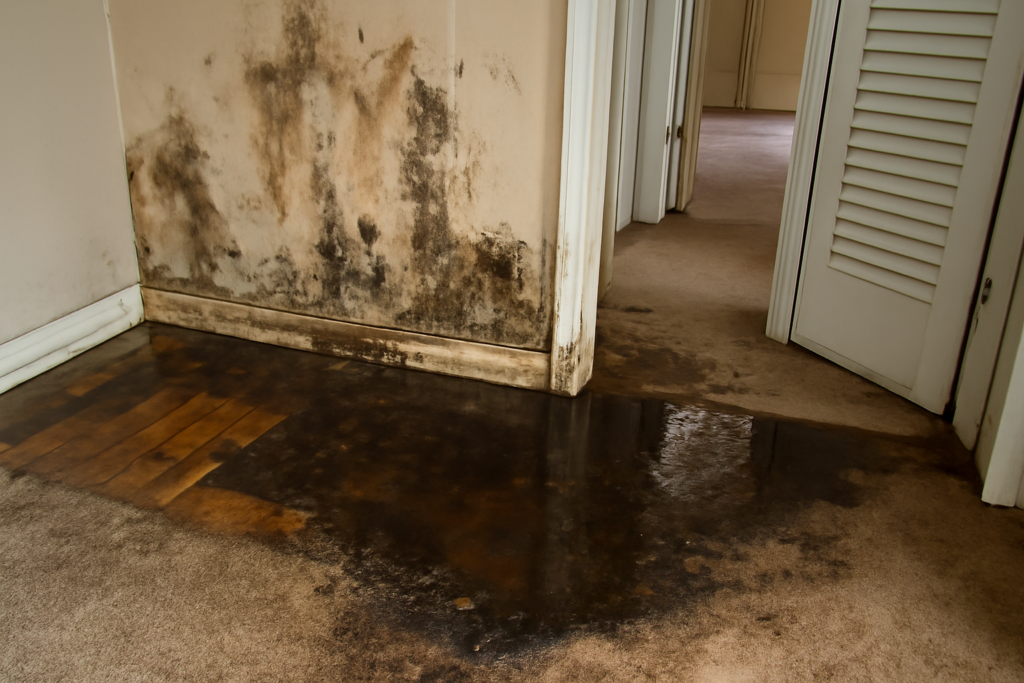
When the Unthinkable Happens: Sewage Damage Restoration in Forest Park, GA
If you’re dealing with a sewage backup, the very first thing you should know is don’t try to clean it up yourself without proper protective gear. The raw sewage that comes up from your pipes isn’t just messy; it’s a serious health hazard, teeming with bacteria and viruses that can make your family sick. You’ll want to act quickly to prevent further contamination and damage to your home’s structure. Dealing with this kind of emergency is stressful, and we understand you need clear, immediate help right away.
Homeowners around Forest Park, GA, have trusted us for years when sewage damage strikes their properties. We’ve earned over 165 five-star reviews because we arrive fast and get the job done right. Our local crews are dedicated to restoring your home’s safety and cleanliness. You can count on our team to handle the situation with the utmost care and professionalism, ensuring your family’s well-being is the top priority.
- We prioritize your family’s health by using specialized antimicrobial treatments to neutralize dangerous pathogens, going beyond simple surface cleaning.
- Our rapid response means we’re often on-site within hours, drastically reducing the risk of mold growth and secondary structural damage that can occur with delays.
- We employ advanced drying and dehumidification technology to ensure your property is not just clean, but truly dry, preventing lingering moisture issues.
How Sewage Damage Restoration Actually Works
When you experience a sewage backup, the process of restoration needs to be swift and thorough. It’s not just about removing standing water; it’s about a meticulous approach to sanitation and drying. If this process isn’t followed correctly, you could be left with persistent odors and ongoing health risks. Our team follows a proven, step-by-step methodology to ensure every trace of the contamination is removed and your home is safely returned to its pre-loss condition. We know how critical it is to restore your home’s safety quickly.
Emergency Water Extraction
Our first step is always to remove all standing sewage water from your home as quickly as possible. We use powerful, truck-mounted extraction units that are designed to handle even the most severe water intrusion. This immediate action is crucial for limiting damage and preventing spread. This phase typically takes a few hours, depending on the volume of water.
Containment and Demolition
Once the bulk of the water is gone, we’ll establish containment zones to prevent any remaining contaminants from spreading. This also involves carefully removing any porous materials that have been saturated with sewage, such as drywall, carpeting, and insulation. This is a necessary step to ensure a truly sanitary environment. This process can take one to two days.
Thorough Cleaning and Sanitization
This is where we truly tackle the hazard. Our crews use EPA-approved cleaning agents and disinfectants to thoroughly clean all affected surfaces. We pay special attention to areas that may not have been visibly damaged but could still harbor contaminants. This step is vital for eliminating bacteria and odors. This typically takes another one to two days.
Advanced Drying and Dehumidification
After cleaning, we bring in specialized equipment like industrial-strength air movers and dehumidifiers. These machines work tirelessly to pull moisture out of the air and building materials, preventing mold growth and structural warping. We monitor humidity and moisture levels closely to ensure complete structural drying. This can take anywhere from three to ten days, depending on the extent of the saturation.
Odor Removal
Sewage backups often leave behind stubborn odors. We utilize professional-grade deodorizing treatments, including ozone or thermal fogging, to neutralize these unpleasant smells at their source, not just mask them. Our goal is to restore a fresh, clean smell to your home. This process is usually completed within a day or two.
Don’t wait to address sewage damage; the longer you delay, the more complex and costly the repairs become. Call us immediately for rapid, effective sewage cleanup and restoration.

Warning Signs You Need Sewage Damage Restoration
Catching the early signs of sewage issues can save you a lot of money and prevent serious health risks in your home. Ignoring these indicators can lead to widespread contamination and structural damage that’s much harder and more expensive to fix. Being aware of what to look for is your first line of defense against these problems.
Musty Odors That Won’t Go Away
A persistent, unpleasant smell, especially in lower levels of your home, is often the first sign of a sewage issue. It could indicate a slow leak or a backup that’s beginning to cause problems. Don’t dismiss these odors; they’re your home’s way of telling you something is seriously wrong.
Slow Drains or Gurgling Toilets
If your drains are backing up or you hear gurgling sounds when water is used elsewhere in your home, it’s a strong indicator of a blockage in your main sewer line. This is a critical warning that sewage could be forced back up into your home.
Water Pooling Around Drains
Seeing water pool around floor drains in your basement or on your main level, especially after using water fixtures, means the wastewater isn’t draining properly. This is a direct sign of a potential sewer line problem and risk of overflow.
Visible Sewage or Foul Water
Any sight of sewage or dark, foul-smelling water backing up into sinks, tubs, or toilets is an emergency. This means your sewer system is compromised, and immediate professional intervention is needed.
Mold or Mildew Growth
While not always directly caused by sewage, the damp conditions left behind by sewage backups are prime breeding grounds for mold. If you notice new mold patches or a sudden increase in mildew, it could be a sign of hidden moisture from a sewage problem. This indicates unseen damage and health risks.
Sewage Damage Restoration vs. DIY: When To Call a Professional
| Situation | DIY? | Call a Pro? | Why |
|---|---|---|---|
| Minor toilet overflow (clean water only, no visible contamination) | Yes, with gloves and disinfectant | No | Easy to clean up and sanitize with household products. |
| Sewage backing up into a basement or first floor | Absolutely Not | Yes | Sewage is a biohazard; professionals have safety gear and specialized equipment. |
| Water pooled from a drain backup, but no visible sewage | No | Yes | Could still contain harmful bacteria; requires professional sanitization. |
| Dealing with a persistent, foul odor after a water incident | No | Yes | Odors often indicate lingering contamination or moisture that needs specialized treatment. |
| Removing saturated carpet and padding in a sewage-affected area | No | Yes | These materials are heavily contaminated and need proper disposal and area sanitization. |
| Drying out a flooded area after sewage removal | No | Yes | Requires industrial-grade drying equipment to prevent mold and structural damage. |
While minor spills of clean water might be manageable for a homeowner, any situation involving actual sewage or suspected contamination requires professional attention. Attempting to handle raw sewage yourself puts your health at significant risk and often fails to address the underlying issues. We ensure complete removal of hazards and thorough drying.
Sewage Damage Restoration Cost In Forest Park, GA
The cost for sewage damage restoration in Forest Park, GA, can vary widely based on the severity of the backup, the amount of water and contamination involved, and the size of the affected area. These figures are estimates for understanding potential costs; an on-site assessment is always necessary for an accurate quote.
| Service Aspect | Typical Price Range | What Affects Cost |
|---|---|---|
| Emergency Water Extraction | $500 – $2,500 | Volume of water, accessibility of the area, and time of day. |
| Containment and Material Removal | $1,000 – $5,000+ | Amount of affected materials (drywall, flooring, insulation) and structural complexity. |
| Cleaning and Sanitization | $750 – $3,000 | Severity of contamination, square footage, and types of antimicrobial treatments needed. |
| Drying and Dehumidification | $1,500 – $7,000+ | Size of the affected space, depth of material saturation, and duration of drying needed. |
| Odor Removal Services | $500 – $2,000 | Method used (e.g., ozone, fogging) and the intensity of the odor. |
| Mold Remediation (if secondary growth occurs) | $1,000 – $10,000+ | Extent of mold growth, affected materials, and containment requirements. |
It’s important to remember that these are general ranges. We offer free, no-obligation estimates after an on-site inspection to provide you with a precise cost for your specific situation. Getting a professional assessment is the best way to understand the full scope and cost.
Service Areas Near Forest Park, GA
Atlanta, Decatur, Stockbridge, Jonesboro, Riverdale, Morrow, Conley, Ellenwood, Lithonia, Forest Park, GA, Hapeville, East Point, College Park, Union City, Fairburn, Tyrone, Peachtree City, Fayetteville, Rex, Hampton.
Common Questions About Sewage Damage Restoration
What should I do immediately after a sewage backup?
The absolute first step is to avoid contact with the contaminated water and prevent children and pets from entering the affected area. If possible, shut off the main water supply to prevent further flooding. Then, it’s critical to call a professional sewage restoration company immediately. We can dispatch a team to begin the cleanup and sanitization process, which is essential for health and safety.
How long does sewage damage restoration typically take?
The timeline for sewage damage restoration varies greatly depending on the extent of the damage. Minor backups might be resolved in 2-3 days, while severe cases involving significant saturation and structural drying could take up to two weeks or longer. Our team works efficiently, but thoroughness is key to ensuring your home is safe and dry.
Is sewage damage covered by homeowner’s insurance?
Coverage for sewage damage can be complex and often depends on the cause of the backup and your specific policy. Many standard policies cover water damage from sudden and accidental events but may exclude damage from slow leaks or sewer backups unless you have a specific endorsement. It’s best to contact your insurance provider to understand your coverage and then let us handle the documentation for the restoration work.
What are the health risks associated with sewage backups?
Sewage is considered a Category 3 (black water) hazard, meaning it’s heavily contaminated with bacteria, viruses, and other pathogens. Exposure can lead to a wide range of illnesses, including gastrointestinal problems, skin infections, and respiratory issues. Our trained technicians use specialized personal protective equipment and follow strict safety protocols to mitigate these risks during cleanup and sanitization.
Can I prevent future sewage backups?
Preventative measures are key. Regularly inspect and maintain your sewer lines, especially if you have older plumbing or trees with extensive root systems. Avoid flushing anything other than toilet paper down your toilets, and be mindful of what goes down your drains. If you’ve experienced a backup, it’s wise to have your lines inspected by a plumber and then ensure proper drying and sanitization by professionals to prevent secondary issues like mold.
Check Our Other Relevant Services
- AC Unit Water Damage Restoration in Forest Park, GA
- Laundry Room Water Damage Restoration in Forest Park, GA

Jerry Johns is a licensed Damage Restoration Expert with over 20 years of hands-on experience helping homeowners and businesses navigate property crises. As a trusted authority in the field, Jerry combines technical precision with a compassionate approach to disaster recovery.
𝗖𝗲𝗿𝘁𝗶𝗳𝗶𝗰𝗮𝘁𝗶𝗼𝗻𝘀: Jerry holds multiple elite IICRC certifications, including Water Damage Restoration (WRT), Applied Microbial Remediation (Mold), Applied Structural Drying (ASD), Odor Control, and Fire and Smoke Restoration.
𝗙𝗮𝘃𝗼𝗿𝗶𝘁𝗲 𝗣𝗮𝘀𝘁𝗶𝗺𝗲: When he isn’t on a job site, Jerry is an avid outdoorsman who enjoys fly fishing and restoring vintage woodworking tools.
𝗕𝗲𝘀𝘁 𝗣𝗮𝗿𝘁 𝗼𝗳 𝘁𝗵𝗲 𝗝𝗼𝗯: Jerry finds the most fulfillment in seeing the relief on a client’s face when their property is finally restored to its pre-loss condition, turning a stressful disaster into a fresh start.


