
Trusted by 165+ Homeowners
Sewage Damage Restoration in Griffin, GA
- Over 165 5-Star Reviews
- Free Estimates and Quotes
- 100% Satisfaction Guaranteed
- Child, Family & Pet Safe Steps
- 24-Hour Emergency Service
- Fully Licensed & Insured
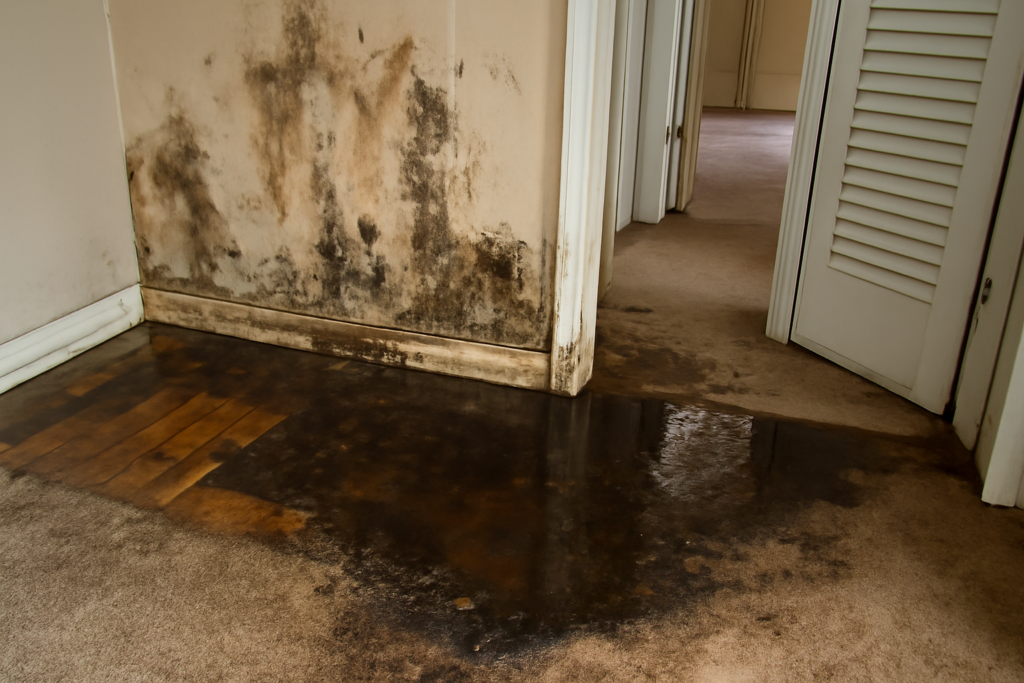
When the Unthinkable Happens: Expert Sewage Damage Restoration in Griffin, GA
We know dealing with sewage backup is one of the most stressful situations a homeowner can face. It’s messy, it’s hazardous, and it needs immediate, expert attention. We’ve seen firsthand the damage raw sewage can inflict on properties right here in Griffin, GA, from homes with older plumbing systems to businesses dealing with unexpected pipe breaks. You need a team that understands the urgency and knows how to safely remove the contamination and restore your property to its pre-loss condition.
Our crews have helped over 165 clients locally resolve sewage emergencies, earning us more than 165 five-star reviews. Homeowners trust us because we don’t just clean up; we offer a complete, methodical approach to sewage damage restoration that tackles the health risks head-on. You’ll find our team attentive to your concerns and committed to minimizing your disruption.
- Rapid response to contain the spread and prevent further structural damage.
- Thorough sanitization and deodorization to eliminate harmful bacteria and lingering odors.
- Specialized drying techniques to ensure your property is completely dry, preventing mold growth.
How Our Sewage Damage Restoration Process Works
When sewage invades your home or business, a hasty cleanup can create more problems than it solves. Improper handling can leave behind invisible contaminants, leading to serious health issues and persistent odors. That’s why we follow a strict, proven process designed to safeguard your health and fully restore your property. You’ll appreciate our transparent communication throughout the entire restoration.
1. Emergency Response and Assessment
Our first step is always to get to your property quickly. We’ll perform a detailed inspection to assess the extent of the sewage damage, identify the source, and determine the necessary steps for cleanup. This initial assessment allows us to create a clear action plan and provide you with an accurate estimate. We typically complete this phase within 1-2 hours.
2. Containment and Safety Measures
Protecting your family and our team is paramount. We’ll set up containment barriers to prevent the spread of contaminants to unaffected areas. This often involves using negative air pressure machines and specialized sealants. We always wear appropriate personal protective equipment (PPE) to ensure maximum safety during this critical stage. This step usually takes 2-4 hours, depending on the affected area size.
3. Sewage Extraction and Removal
Using powerful, truck-mounted extraction equipment, we’ll remove standing sewage water and contaminated materials as efficiently as possible. Our specialized pumps can handle even the most challenging situations. This phase is crucial for reducing moisture content and beginning the drying process. Extraction can take anywhere from 3 to 12 hours, depending on the volume of water.
4. Thorough Cleaning and Sanitization
Once the bulk of the sewage is removed, we move to deep cleaning and sanitization. We use EPA-approved disinfectants and cleaning agents to neutralize bacteria, viruses, and other pathogens left behind by sewage. This step is vital for preventing health risks and ensuring your home is safe. This intensive cleaning process can take 1-3 days.
5. Drying and Deodorization
After cleaning, we employ advanced drying equipment, including air movers and dehumidifiers, to remove any remaining moisture from your structure and belongings. Simultaneously, we’ll use specialized equipment to eliminate stubborn odors associated with sewage backup. Effective drying is key to preventing secondary damage like mold. This drying phase can take 3-7 days, sometimes longer depending on building materials.
Don’t let sewage backup ruin your home. Contact us immediately to get your property back to a safe condition.

Warning Signs You Need Sewage Damage Restoration
Ignoring the signs of sewage contamination can lead to serious health problems and expensive structural damage. Recognizing these indicators early is key to protecting your home and family. We help you identify potential threats before they escalate.
Musty Odors That Won’t Go Away
A persistent, unpleasant smell, especially in lower levels or bathrooms, is often the first sign of sewage issues. This odor can indicate hidden leaks or backed-up pipes. Don’t just mask it; investigate the source.
Visible Water Stains or Puddles
Brown or discolored water stains on ceilings, walls, or floors, or unexplained puddles of water, can point to a sewage leak. These are clear indicators of water contamination that requires immediate attention.
Slow Drains or Gurgling Sounds
If your toilets, sinks, or showers are draining slowly, or if you hear gurgling sounds from your plumbing, it could mean a blockage in your main sewer line. This often precedes a major sewage backup.
Sewage Backing Up into Fixtures
The most obvious sign is when sewage water backs up into your bathtub, toilet, or sink. This indicates a complete blockage and a severe plumbing emergency.
Mold or Mildew Growth
Unexplained mold or mildew growth, especially in damp areas, can sometimes be linked to underlying sewage leaks that haven’t been properly addressed. It’s a sign of unhealthy moisture.
Sewage Damage Restoration vs. DIY: When To Call a Professional
| Situation | DIY? | Call a Pro? | Why |
|---|---|---|---|
| Minor toilet overflow with minimal water | Yes, if you act immediately | Yes, if water is black | Black water contains dangerous pathogens. |
| Sewage backing up into drains and fixtures | No | Yes | This indicates a serious line blockage and contamination. |
| Large areas of standing sewage water | No | Yes | Requires specialized extraction and containment equipment. |
| Contaminated carpet and padding | No | Yes | These materials are porous and must be professionally removed and sanitized. |
| Lingering foul odors after initial cleanup | No | Yes | Professional deodorization and air scrubbing are needed. |
| Suspected mold growth due to sewage | No | Yes | Mold remediation requires specific expertise and safety protocols. |
While minor spills might seem manageable, sewage backup is a serious health hazard. It’s almost always safer and more effective to call professionals for complete contamination removal and property restoration.
Sewage Damage Restoration Cost In Griffin, GA
The cost of sewage damage restoration in Griffin, GA, can vary significantly. Factors like the severity of the backup, the size of the affected area, and the type of materials contaminated all play a role. These are general estimates, and an on-site assessment is always needed for an exact quote.
| Service | Typical Price Range | What Affects Cost |
|---|---|---|
| Emergency Sewage Extraction | $500 – $2,500 | Volume of water, accessibility, and time of day. |
| Structural Cleaning & Sanitization | $1,000 – $5,000 | Square footage affected, type of surfaces, and level of contamination. |
| Carpet & Pad Removal/Disposal | $300 – $1,500 per room | Size of the room, complexity of removal, and disposal fees. |
| Drying & Dehumidification | $750 – $3,000 | Size of affected area, humidity levels, and duration of drying time. |
| Odor Control & Air Scrubbing | $400 – $2,000 | Severity of odor, size of space, and type of deodorizing agents used. |
| Minor Structural Repairs | $500 – $3,000+ | Extent of damage to drywall, subflooring, or insulation. |
We offer free, no-obligation estimates to give you a clear understanding of the costs involved. Contact us to schedule your detailed property assessment.
Service Areas Near Griffin, GA
Locust Grove, Hampton, McDonough, Jackson, Stockbridge, Fayetteville, Lovejoy, Tyrone, Newnan, Riverdale, Jonesboro, Forest Park, Morrow, Conley, Atlanta, Lilburn, Tucker, Doraville, Chamblee, Norcross
Common Questions About Sewage Damage Restoration
What’s the difference between Category 2 and Category 3 water damage?
Category 2 water, or “gray water,” can come from sources like washing machines or dishwashers and contains some contaminants. Category 3 water, or “black water,” is sewage or floodwater that is grossly contaminated and poses serious health risks. Our team is equipped to handle both, but black water requires more stringent containment and sanitization procedures for complete safety.
How long does sewage damage restoration typically take?
The timeline depends heavily on the extent of the damage. Minor backups might be resolved in 2-3 days, while severe contamination could take a week or longer. We prioritize efficient drying and thorough sanitization to get your property back to normal as quickly as possible.
Is sewage backup covered by homeowner’s insurance?
Coverage varies by policy. Most standard policies cover accidental overflows but may exclude damage from sewer backups unless you have specific riders. We can help you navigate the insurance process and provide the documentation needed for your claim.
What are the health risks associated with sewage damage?
Sewage contains harmful bacteria, viruses, and parasites that can cause a range of illnesses, from gastrointestinal issues to serious infections. It’s crucial to have professionals handle the cleanup to ensure all contaminants are neutralized and your environment is safe for re-entry.
Should I try to clean up sewage myself?
We strongly advise against DIY cleanup for sewage damage. The risks of exposure to pathogens and the potential for incomplete drying and lingering odors are too high. Our trained technicians have the specialized equipment and protective gear for safe and effective restoration.
Check Our Other Relevant Services

Jerry Johns is a licensed Damage Restoration Expert with over 20 years of hands-on experience helping homeowners and businesses navigate property crises. As a trusted authority in the field, Jerry combines technical precision with a compassionate approach to disaster recovery.
𝗖𝗲𝗿𝘁𝗶𝗳𝗶𝗰𝗮𝘁𝗶𝗼𝗻𝘀: Jerry holds multiple elite IICRC certifications, including Water Damage Restoration (WRT), Applied Microbial Remediation (Mold), Applied Structural Drying (ASD), Odor Control, and Fire and Smoke Restoration.
𝗙𝗮𝘃𝗼𝗿𝗶𝘁𝗲 𝗣𝗮𝘀𝘁𝗶𝗺𝗲: When he isn’t on a job site, Jerry is an avid outdoorsman who enjoys fly fishing and restoring vintage woodworking tools.
𝗕𝗲𝘀𝘁 𝗣𝗮𝗿𝘁 𝗼𝗳 𝘁𝗵𝗲 𝗝𝗼𝗯: Jerry finds the most fulfillment in seeing the relief on a client’s face when their property is finally restored to its pre-loss condition, turning a stressful disaster into a fresh start.


