Trusted by 165+ Homeowners
Sewage Damage Restoration in Johns Creek, GA
- Over 165 5-Star Reviews
- Free Estimates and Quotes
- 100% Satisfaction Guaranteed
- Child, Family & Pet Safe Steps
- 24-Hour Emergency Service
- Fully Licensed & Insured
When the Unthinkable Happens: Sewage Damage Restoration in Johns Creek, GA
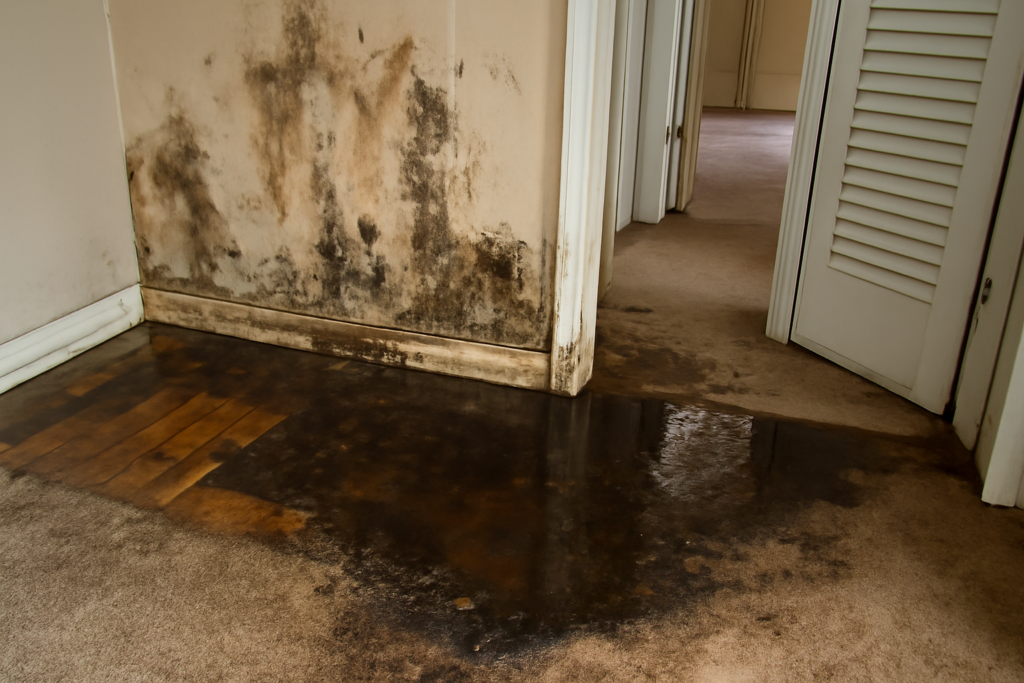
Imagine stepping into your home, maybe on a quiet morning, and a foul odor hits you. You follow it, and there it is – standing water, dark and murky, spreading across your floor. It’s a scene no homeowner in Johns Creek, GA ever wants to face. This isn’t just a mess; it’s a serious health hazard that needs immediate attention. Dealing with sewage backups requires a specialized approach, and you need to know who to call for effective cleanup and restoration.
Homeowners around here have trusted us for over 165 five-star reviews, and for good reason. When sewage invades your property, you need a team that understands the science behind the cleanup and can act fast. We’ve seen it all, from minor leaks to catastrophic backups, and we’re equipped to handle it all with professional precision and care. Your family’s safety and your home’s integrity are our top priorities.
- Rapid containment of the affected area to prevent further spread of contaminants.
- Advanced drying and dehumidification techniques to eliminate hidden moisture and prevent mold growth.
- Thorough sanitization and deodorization processes to restore a safe and healthy living environment.
The Science of Sewage Damage Restoration: How We Tackle the Problem
Sewage damage isn’t like a burst pipe with clean water. It’s category 3 water, teeming with bacteria, viruses, and other pathogens. Simply mopping up isn’t enough. Our approach to sewage damage restoration is rooted in science and meticulous procedure. We use specialized equipment and follow strict protocols to ensure your home is not only clean but truly sanitized and safe. Cutting corners here can lead to lingering health issues and structural damage, so we never do. Our process is designed for complete contamination removal.
Containment and Isolation
The first critical step is establishing containment. We use high-tech barriers and negative air pressure systems to isolate the contaminated zone. This prevents airborne pathogens from spreading to unaffected parts of your home. This phase is crucial for protecting your indoor air quality.
Water Extraction
Our powerful, truck-mounted extraction units remove the bulk of the standing sewage water quickly and efficiently. We use specialized pumps designed for solids-laden water. This rapid removal is key to minimizing damage and starting the drying process sooner. You’ll see significant water reduction almost immediately.
Demolition and Removal of Contaminated Materials
Unfortunately, porous materials like drywall, carpeting, and subflooring that have been saturated with sewage often cannot be salvaged. We carefully remove and dispose of these items according to strict safety guidelines. This step ensures all contaminated elements are gone. It’s about removing the source of the problem.
Cleaning and Disinfection
Once the damaged materials are out, we deep clean all affected surfaces with EPA-approved antimicrobial and disinfectant solutions. This process kills harmful bacteria and viruses, neutralizing the biohazards present. We pay close attention to every nook and cranny. Our goal is thorough sanitization.
Drying and Dehumidification
We bring in industrial-grade air movers and dehumidifiers to thoroughly dry the affected structure. We monitor moisture levels closely with specialized meters to ensure complete drying. This prevents secondary damage like mold growth. It’s a scientifically managed drying and restoration process.
Don’t wait if you suspect sewage damage. Contact us immediately to get our specialized team on-site. We’re ready to deploy our equipment and expertise for swift sewage remediation.

Warning Signs You Need Sewage Damage Restoration
Catching sewage issues early can save you a lot of headaches and money. Sometimes the signs aren’t obvious standing water, but subtle indicators that something’s wrong. Recognizing these early warnings allows for quicker intervention, minimizing the damage and the cost of repairs. Paying attention to these signals is vital for protecting your home and your family’s health. Ignoring them can lead to costly structural problems.
Musty Odors That Won’t Go Away
A persistent, unpleasant smell, especially in basements or lower levels, is often the first sign of sewage intrusion or lingering moisture. This odor can indicate hidden leaks or contamination that needs professional assessment. It’s more than just a bad smell; it’s a potential health hazard.
Slow Drains or Gurgling Sounds
If your drains are consistently slow to empty, or you hear gurgling noises coming from your plumbing, it could mean a blockage in your main sewer line. This blockage can lead to sewage backing up into your home. Listen for these plumbing warning signals.
Visible Water Intrusion in Low Areas
Any standing water in your basement, crawl space, or around toilets and drains is a serious concern. Even a small amount of dark, murky water indicates a sewage backup has occurred. This water is highly contaminated and requires immediate attention. Act fast with visible water cleanup.
Mold or Mildew Growth
The presence of mold or mildew, often accompanied by a damp smell, can be a secondary sign of a sewage issue. If moisture from a sewage backup wasn’t properly dried, mold can begin to grow rapidly within 24-48 hours. It indicates unaddressed moisture problems.
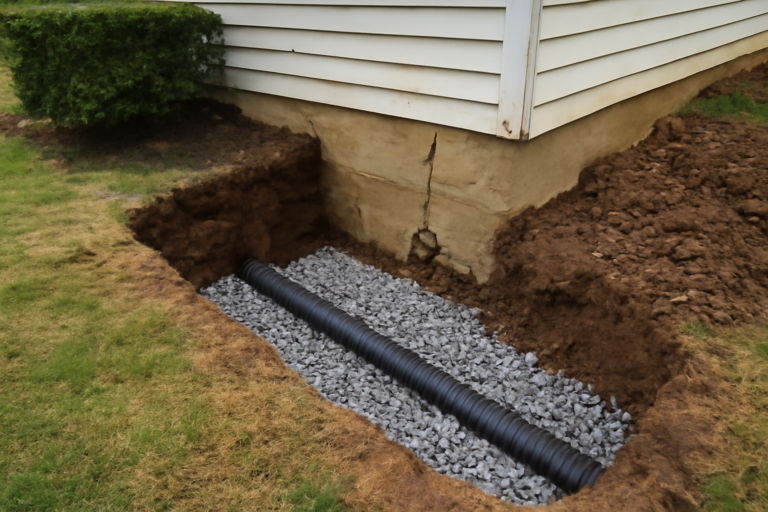
Sewage or Wastewater in Your Yard
If you notice sewage or wastewater pooling on your lawn, especially near your sewer line exit point, it signifies a break or blockage in your underground pipes. This can lead to contamination of your soil and potentially enter your home through foundation cracks or utility penetrations. This is a critical outdoor warning.
Toilet or Drain Water Backing Up
When flushing a toilet causes water to rise in another fixture, or when water backs up into sinks or showers during use, it’s a clear sign of a sewer line issue. This is a direct indicator that sewage is trying to come back into your home. Don’t delay with toilet backup remediation.
Sewage Damage Restoration vs. DIY: When To Call a Professional
| Situation | DIY? | Call a Pro? | Why |
|---|---|---|---|
| Minor toilet overflow with no standing water | Yes, with gloves and disinfectant | No | Usually manageable with immediate cleanup and sanitizing. |
| Standing water from a toilet overflow | No | Yes | Sewage is highly contaminated; requires specialized extraction and disinfection. |
| Sewage backup in basement or lower levels | Absolutely Not | Yes | Risk of widespread contamination and structural damage is too high. |
| Sewage leaking from external pipes into the yard | No | Yes | Requires excavation and repair of sewer lines, a complex job. |
| Suspected mold growth after a sewage incident | No | Yes | Mold remediation requires specific expertise and containment protocols. |
| Any sewage damage affecting HVAC systems | No | Yes | Contaminated air can spread pathogens throughout the entire house. |
When you’re dealing with any amount of standing sewage water or sewage backing up, calling a professional is always the safest and most effective choice. DIY methods simply can’t address the biohazards and deep saturation involved. Our trained technicians have the right equipment and training to handle these dangerous situations.
Sewage Damage Restoration Cost In Johns Creek, GA
The cost of sewage damage restoration in Johns Creek, GA, can vary significantly. Factors like the extent of the contamination, the size of the affected area, and the type of materials impacted all play a role. These estimates provide a general idea, but an on-site assessment is always needed for an accurate quote. You’re investing in restoring your home’s safety.
| Service | Typical Price Range | What Affects Cost |
|---|---|---|
| Emergency Water Extraction | $500 – $2,500 | Volume of water, accessibility, and speed of response. |
| Containment and Isolation | $300 – $1,000 | Size of the affected area and complexity of containment setup. |
| Removal of Contaminated Materials | $750 – $4,000+ | Amount of demolition required, disposal fees, and type of materials. |
| Deep Cleaning and Disinfection | $500 – $3,000 | Square footage treated and the concentration of cleaning agents used. |
| Structural Drying and Dehumidification | $1,000 – $5,000+ | Size of the space, duration of drying, and specialized equipment needed. |
| Odor Control and Deodorization | $300 – $1,500 | Severity of the odor and the methods required for complete elimination. |
We offer free, no-obligation estimates after a thorough inspection of your property. Understanding the scope of the damage allows us to provide a clear and fair pricing structure. Our goal is transparent restoration pricing.
Service Areas Near Johns Creek, GA
Alpharetta, Suwanee, Duluth, Norcross, Sandy Springs, Roswell, Milton, Cumming, Buford, Marietta, Woodstock, Dunwoody, Atlanta, Tucker, Lilburn, Chamblee, Doraville, Kennesaw, Acworth, Decatur.
Common Questions About Sewage Damage Restoration
What should I do immediately if I discover sewage in my home?
First, try to stop the source if possible, but do not enter contaminated water. Evacuate everyone, including pets, from the affected area immediately. Open windows for ventilation if safe to do so, but avoid spreading contaminants. Then, call us right away to begin the professional sewage cleanup process.
How long does sewage damage restoration typically take?
The timeline varies greatly depending on the severity of the contamination and the size of the affected area. Minor backups might be resolved in a few days, while extensive damage could take one to two weeks or longer for complete drying and restoration. We work efficiently to speed up the restoration timeline without compromising quality.
Is sewage damage covered by my homeowner’s insurance?
Coverage for sewage damage depends on your specific policy. Many policies exclude damage from sewer backups unless you have a specific endorsement or rider. We can help you document the damage for your insurance claim and work with your adjuster. Understanding your policy is key to insurance claim assistance.
How do you ensure my home is safe and sanitary after sewage damage?
We use industrial-grade equipment, EPA-registered disinfectants, and follow strict IICRC (Institute of Inspection, Cleaning and Restoration Certification) standards. Our process involves thorough extraction, cleaning, disinfection, and drying to eliminate all biological hazards and prevent secondary issues like mold. We aim for complete sanitation and safety.
Can I clean up sewage damage myself, or is it always a job for professionals?
For minor overflows with no standing water, some basic DIY cleanup with proper protective gear might be possible. However, any standing sewage water, backups, or contamination in porous materials absolutely requires professional intervention. The health risks are too significant, and specialized equipment is needed for effective sewage removal.
Check Our Other Relevant Services
- Fire and Water Damage Restoration in Johns Creek, GA
- Antimicrobial Treatment Services in Johns Creek, GA
Serving Johns Creek, GA And Nearby Areas