
Trusted by 165+ Homeowners
Sewage Damage Restoration in Scottdale, GA
- Over 165 5-Star Reviews
- Free Estimates and Quotes
- 100% Satisfaction Guaranteed
- Child, Family & Pet Safe Steps
- 24-Hour Emergency Service
- Fully Licensed & Insured
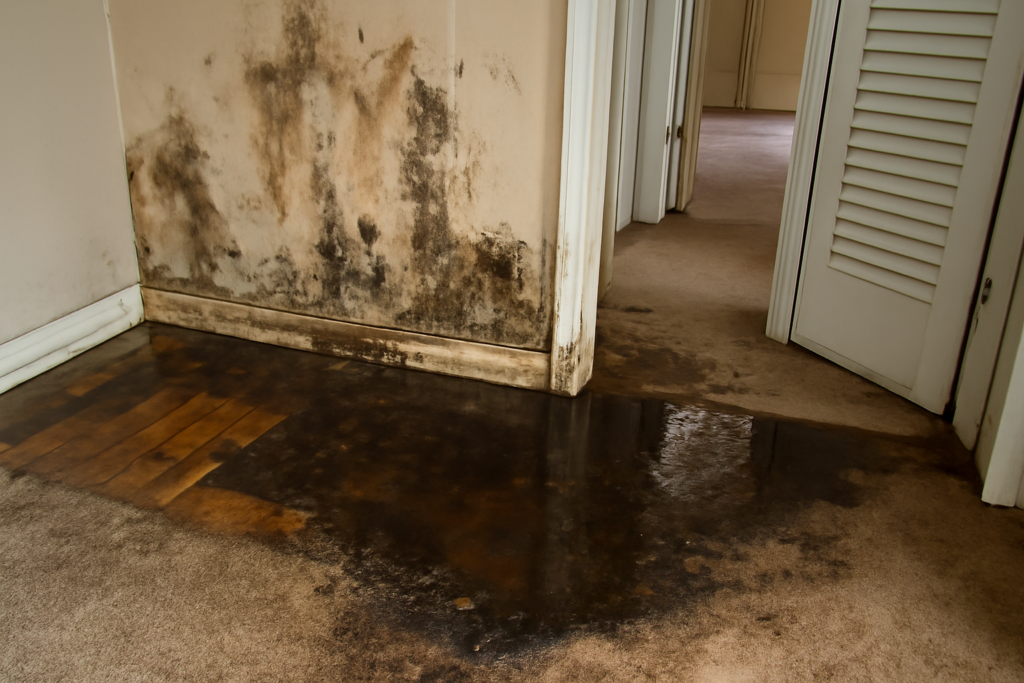
Expert Sewage Cleanup and Restoration for Scottdale, GA Homes
When sewage backs up into your home, it’s more than just an inconvenience; it’s a genuine emergency that can’t wait. We’ve seen it all in the Scottdale, GA area, from minor basement seepage after heavy rains to major pipe bursts in older homes that have seen better days. Dealing with raw sewage requires a specific expertise and immediate action to protect your health and property. Our team understands the unique challenges this type of damage presents, especially in our local environment, and we’re prepared to handle it safely and efficiently.
You might be facing a situation that feels overwhelming, but you’re not alone. Our crews have helped over 165 homeowners in your neighborhood restore their properties after sewage incidents, earning more than 165 five-star reviews for our thorough work. We’re chosen because we provide a clear, direct approach to sewage damage restoration, focusing on what matters most: your safety and a complete cleanup. We’ve learned that homeowners want a team that’s honest about the process and gets the job done right the first time.
- We tackle the toughest sewage contamination, prioritizing health and safety with specialized disinfection and sanitization protocols to eliminate harmful bacteria and viruses.
- Our team uses advanced drying and dehumidification equipment to ensure your property is not just clean, but truly dry, preventing long-term mold growth and structural damage.
- We manage the entire restoration process, from initial cleanup to making sure your home is returned to its pre-loss condition, making a difficult time a little easier for you.
How Our Sewage Damage Restoration Process Works
Sewage damage requires more than just mopping up. It involves a meticulous, multi-step process to ensure all contaminants are removed, the area is properly dried, and your home is safe to live in again. Cutting corners here can lead to serious health risks and ongoing issues like mold and structural rot, which is why our approach is thorough and documented. We know you’re concerned about the disruption to your life, and our goal is to make this restoration as smooth as possible.
Step 1: Emergency Response and Safety Assessment
Upon arrival, our first priority is your safety. We’ll immediately assess the sewage source and the extent of the contamination, establishing a containment zone to prevent further spread. We wear specialized protective gear to ensure our technicians are safe while working. This initial assessment allows us to plan the most effective cleanup strategy.
Step 2: Water Extraction and Debris Removal
Our crews use powerful, industrial-grade extraction equipment to remove standing sewage water as quickly as possible. We also remove any contaminated porous materials like carpets, padding, drywall, and insulation that cannot be safely salvaged. This swift removal of contaminated materials is crucial for preventing secondary damage and odor.
Step 3: Thorough Cleaning and Sanitization
This is where we truly make a difference. We use EPA-approved cleaning agents and disinfectants specifically designed to neutralize sewage contaminants and kill bacteria and viruses. Every affected surface, from floors and walls to fixtures, receives a deep cleaning and rigorous sanitization to ensure a healthy environment. We pay close attention to hidden areas where contaminants might linger.
Step 4: Structural Drying and Dehumidification
Once cleaning is complete, we deploy specialized drying equipment, including high-velocity air movers and industrial dehumidifiers. These machines work to rapidly reduce moisture levels in the air and building materials. Proper drying is essential to prevent mold growth and further structural damage, often taking several days to achieve optimal dryness.
Step 5: Odor Control and Final Inspection
Sewage can leave behind persistent odors. We use professional-grade odor counteractants and air scrubbers to eliminate any lingering smells, not just mask them. Before we consider the job done, our team conducts a final inspection with you, ensuring all work meets our high standards and your satisfaction. We confirm that the area is safe, dry, and odor-free.
Don’t let sewage damage linger; it’s a health hazard that requires immediate attention. Call us now to get your home back to normal.

Warning Signs You Need Sewage Damage Restoration
Ignoring early signs of sewage contamination can lead to much bigger, more expensive problems down the line, not to mention serious health risks. Catching these issues early is key to a smoother, less costly restoration. Pay attention to what your home is telling you; sometimes the smallest detail can indicate a significant underlying problem.
Musty Odors That Won’t Go Away
A persistent, unpleasant smell, especially in basements or bathrooms, is often the first indicator of sewage intrusion. This odor can signal bacteria and mold growth that needs professional attention.
Visible Water Intrusion or Stains
If you see water seeping from drains, toilets, or pipes, or notice dark stains on floors and walls, it’s a clear sign of a sewage problem. This visible contamination requires immediate cleanup.
Gurgling Sounds From Drains
Unusual gurgling noises coming from your plumbing, particularly when flushing toilets or running water, can indicate a blockage in your main sewer line. This is a critical warning sign that needs investigation.
Slow Draining or Toilet Backups
When sinks, showers, or toilets drain slowly or back up, it often points to a sewer line issue. This plumbing malfunction can quickly lead to sewage overflow into your home.
Wet Spots or Standing Water
Finding unexplained wet spots on your carpets or floors, or even small areas of standing water, is a direct indication that sewage may have infiltrated your home. This is urgent contamination.
Sewage Damage Restoration vs. DIY: When To Call a Professional
| Situation | DIY? | Call a Pro? | Why |
|---|---|---|---|
| Minor toilet overflow contained to a small tile area | Yes, with caution | Yes, for thoroughness | DIY can handle the surface cleanup, but pros ensure complete sanitization and drying. |
| Sewage backing up from a main sewer line into the basement | NO | YES | This is a category 3 water loss requiring specialized equipment and safety protocols. |
| Sump pump failure causing contaminated water to enter | Maybe, for minor amounts | YES | The water is likely contaminated and needs professional extraction and disinfection. |
| Sewage leaking from a pipe behind a wall | NO | YES | Accessing and drying behind walls requires specialized tools and expertise to prevent mold. |
| A small amount of sewage on a hard, non-porous surface | Yes, with proper PPE | Yes, for complete assurance | While you can clean it, professionals guarantee eradication of all harmful pathogens. |
| Any sewage contact that involves a large area or porous materials | NO | YES | Large-scale contamination and porous materials demand professional remediation for health and safety. |
For anything beyond a very minor, contained incident, calling a professional is the safest and most effective route. DIY efforts often miss hidden contamination and can lead to long-term health issues or structural damage if not handled correctly.
Sewage Damage Restoration Cost In Scottdale, GA
The cost of sewage damage restoration can vary significantly based on the severity of the contamination, the size of the affected area, and the specific local conditions in Scottdale, GA. These price ranges are estimates and can fluctuate. A thorough on-site assessment is always needed for an exact quote.
| Service | Typical Price Range | What Affects Cost |
|---|---|---|
| Emergency Water Extraction | $500 – $2,500 | Amount of water, accessibility, and speed of response. |
| Sewage Cleanup and Sanitization | $1,000 – $5,000+ | Level of contamination (black water), square footage, and required cleaning agents. |
| Debris Removal and Disposal | $200 – $1,000 | Volume of contaminated materials removed and local disposal fees. |
| Structural Drying (Air Movers & Dehumidifiers) | $500 – $3,000 | Duration of drying needed, number of units deployed, and electricity usage. |
| Odor Removal | $300 – $1,500 | Severity of odor and type of treatment required (e.g., ozone, thermal fogging). |
| Reconstruction/Repair (if needed) | Varies Widely | Scope of damage to drywall, flooring, insulation, and subflooring. |
Exact pricing depends on a detailed on-site inspection by our trained technicians. We offer free estimates to give you a clear understanding of the costs involved.
Service Areas Near Scottdale, GA
Atlanta, Avondale Estates, Belvedere Park, Brookhaven, Chamblee, Clarkston, Decatur, Doraville, Dunwoody, Ellenwood, Forest Park, Gresham Park, Hapeville, Lilburn, Lithonia, Marietta, Morrow, North Atlanta, North Decatur, North Druid Hills, Panthersville, Pine Lake, Riverdale, Roswell, Sandy Springs, Smyrna, Stone Mountain, Tucker, Union City, Underwood Hills.
Common Questions About Sewage Damage Restoration
What is considered “black water” and why is it so dangerous?
Black water is sewage or contaminated floodwater that has been standing for a long time, containing bacteria, viruses, and other pathogens. It poses serious health risks, including infections and diseases, if not handled with extreme care. Our team uses specialized protective gear and cleaning agents to safely remediate black water damage.
How long does sewage damage restoration typically take?
The timeline varies greatly depending on the extent of the contamination, the amount of water, and the drying process. A minor incident might take a few days, while a severe sewage backup could require one to two weeks or more for complete restoration. We work efficiently to minimize disruption to your life.
Will my homeowner’s insurance cover sewage damage?
Coverage for sewage damage can be complex and often depends on your specific policy and the cause of the backup. Many policies exclude sewer backup unless you have a specific endorsement. We can help you navigate the insurance claims process and provide documentation to support your claim.
What kind of equipment do you use for sewage cleanup?
We utilize industrial-grade extractors for water removal, high-powered air movers and dehumidifiers for drying, specialized cleaning solutions and disinfectants, and ozone generators or thermal foggers for odor control. This professional equipment ensures thorough cleaning, effective drying, and complete odor elimination.
How can I prevent sewage backups in my home in Scottdale, GA?
Regular maintenance of your sewer line, like professional drain cleaning, can help prevent blockages. Avoid flushing non-biodegradable items and grease down drains. Consider installing a sewage backwater valve for added protection, especially if you’re in a flood-prone area. We can also offer advice on maintaining your plumbing system.
Check Our Other Relevant Services
- Hotel Water Damage Restoration in Scottdale, GA
- Free Water Damage Restoration Estimate in Scottdale, GA
Serving Scottdale, GA And Nearby Areas


