
Trusted by 165+ Homeowners
Sink Overflow Cleanup in Woodstock, GA
- Over 165 5-Star Reviews
- Free Estimates and Quotes
- 100% Satisfaction Guaranteed
- Child, Family & Pet Safe Steps
- 24-Hour Emergency Service
- Fully Licensed & Insured
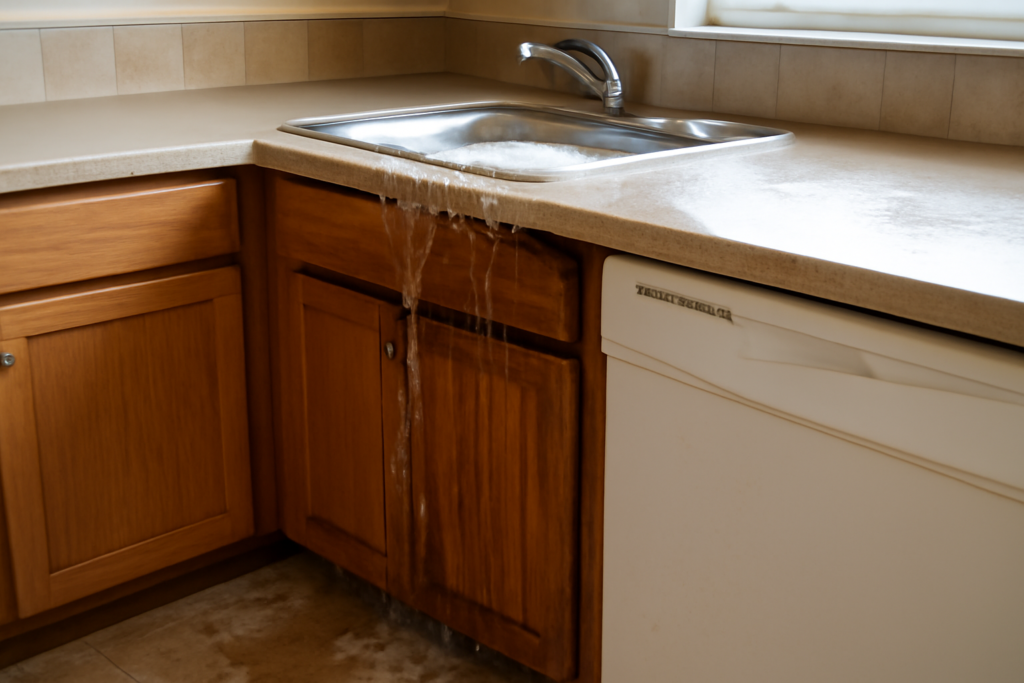
Don’t Let a Leaky Sink Ruin Your Day in Woodstock, GA
When a sink overflows, it’s more than just an inconvenience; it’s a sudden emergency that can cause significant water damage if not handled quickly. Many homeowners make the mistake of thinking they can just mop up the mess and that’s it. However, water can seep into cabinets, subflooring, and walls, creating a breeding ground for mold and mildew, which can cause long-term structural issues and affect your home’s air quality. It’s crucial to address a sink overflow promptly to prevent further damage and ensure your property remains safe and healthy. This kind of problem requires immediate attention, not just for cleanup but for thorough drying and inspection.
Locally, homeowners trust our team for Sink Overflow Cleanup because we understand the urgency and the potential consequences of delayed action. We’ve helped hundreds of neighbors in the area deal with these stressful situations, and our 165+ five-star reviews speak to our commitment to getting the job done right. You can count on us to arrive quickly and bring the specialized equipment needed to properly extract water and dry out affected areas, making sure your home is returned to its pre-loss condition. We’re here to make this difficult time easier for you and your family.
- We use advanced moisture meters and thermal imaging to detect hidden water, ensuring no dampness is left behind to cause future mold problems.
- Our team prioritizes speed, arriving within hours of your call to contain the damage and begin the drying process, minimizing disruption to your life.
- We handle everything from water extraction and structural drying to deodorizing and cleaning, providing a complete and thorough approach to your sink overflow emergency.
How Sink Overflow Cleanup Actually Works
A proper process for Sink Overflow Cleanup is absolutely critical. It’s not just about removing standing water; it’s about a systematic approach that prevents secondary damage and ensures your home is truly dry. When corners are cut, or the wrong equipment is used, you risk hidden moisture becoming a bigger, more expensive problem down the line, potentially leading to mold growth and structural compromise. Our crews follow a proven, detailed protocol to make sure every drop of water is accounted for and removed, and that your home’s structure is restored to a healthy state. You’ll know exactly what to expect from start to finish.
1. Emergency Water Extraction
As soon as we arrive, our technicians will begin extracting the standing water using powerful truck-mounted water extractors. These machines are designed to remove large volumes of water quickly and efficiently, often within the first hour of our arrival. This step is crucial to prevent water from spreading further into your home’s structure and materials, saving your floors and cabinets from irreversible damage.
2. Advanced Drying and Dehumidification
Once the bulk of the water is gone, we bring in specialized drying equipment, including high-speed air movers and industrial dehumidifiers. These machines work together to pull moisture out of the air and building materials, creating an environment that promotes rapid drying. This process can take anywhere from 24 to 72 hours, depending on the extent of the saturation and your home’s construction.
3. Moisture Monitoring
Throughout the drying process, our IICRC-certified technicians will use moisture meters and infrared cameras to regularly check the humidity levels in affected materials. This ensures that everything is drying evenly and completely, from the surface down to the deepest layers of your drywall and subflooring. We won’t pack up until we’re certain your home is dry.
4. Cleaning and Sanitization
After drying, we clean and sanitize all affected areas to remove any contaminants or odors left behind by the overflow. This includes cleaning cabinets, countertops, and any other surfaces that came into contact with the water. We use specialized cleaning agents to ensure your home is not only dry but also hygienic and fresh-smelling.
5. Structural Assessment and Repair
Finally, we conduct a thorough assessment of any potential structural damage. If materials like drywall, insulation, or flooring have been compromised beyond repair, we’ll discuss options for replacement and restoration. Our goal is to ensure your home is not only dry but also structurally sound and safe for your family.
Don’t let a simple sink overflow turn into a major home disaster. Call us immediately to get our trained crews on-site and start the professional cleanup process. Your prompt action can save you time, money, and a lot of stress.

Warning Signs You Need Sink Overflow Cleanup
Catching the early signs of water damage from a sink overflow can save you a significant amount of money and prevent more extensive, costly repairs later on. Ignoring these indicators could lead to hidden mold growth and structural weakening. It’s always better to be safe and have a professional assess the situation, especially if you’re unsure about the extent of the damage. You’ll be glad you took action to protect your home.
Musty Odors That Won’t Go Away
If you notice a persistent damp or musty smell, especially in or around cabinets or under the sink, it’s a strong indicator of trapped moisture. This odor is often the first sign of developing mold and mildew, which thrives in dark, damp environments. Don’t ignore this warning; it means water is likely hiding somewhere.
Visible Water Stains or Discoloration
Look for any new or spreading water stains on ceilings, walls, or cabinetry. Discoloration or warping of wood surfaces around the sink area is another clear sign that water has been present and is potentially causing damage. These marks show that water has penetrated materials and needs immediate attention.
Soft or Warped Flooring and Cabinets
Press on the flooring or cabinet bases around the sink. If you feel any sponginess, softness, or notice visible warping or buckling, it means the underlying materials have absorbed water. This can lead to permanent structural compromise if not addressed quickly.
Peeling or Bubbling Paint or Wallpaper
Moisture trapped behind paint or wallpaper can cause it to bubble up or peel away from the surface. This is a visual cue that the wall cavity or surface itself is saturated. It’s a clear sign of hidden water intrusion that requires professional assessment.
Increased Humidity Levels
If the air in your bathroom or kitchen feels unusually damp or humid, even when the weather isn’t particularly muggy, it could be due to moisture trapped within your walls or under your floors. This elevated humidity can contribute to mold growth and damage sensitive materials. Keep an eye on your home’s overall feel.
Sink Overflow Cleanup vs. DIY: When To Call a Professional
| Situation | DIY? | Call a Pro? | Why |
|---|---|---|---|
| A few cups of water spilled on the counter | Yes | No | Easy to wipe up, minimal risk of damage. |
| Water pooled on the floor around the sink, less than an inch deep | Maybe | Yes | Water can quickly seep into baseboards and subfloors; professional drying is recommended. |
| Water has soaked into kitchen or bathroom cabinets | No | Yes | Cabinets are porous and require specialized drying to prevent mold and warping; we can save them. |
| Water has leaked under the sink and onto the subfloor | No | Yes | Subflooring is hard to access and dry completely without professional equipment; risk of mold is high. |
| Musty odors are present after a spill | No | Yes | Odors usually indicate hidden mold growth that needs professional remediation. |
| The overflow happened hours ago and you’re unsure of the extent | No | Yes | Hidden moisture can spread rapidly, making professional assessment and drying essential. |
While some minor spills can be handled with basic cleanup, any situation where water has pooled, soaked into materials, or lingered for more than a few hours warrants professional attention. For effective water removal and thorough drying, especially in enclosed spaces like cabinets or subfloors, our specialized equipment and expertise are invaluable. Trusting our team ensures that the job is done right the first time, protecting your home from future problems.
Sink Overflow Cleanup Cost In Woodstock, GA
The cost for Sink Overflow Cleanup in Woodstock, GA, can vary based on several factors, including the amount of water involved, the size of the affected area, and how quickly we can begin the drying process. These estimates can give you a general idea, but an on-site assessment is always needed for an exact quote. We aim for transparent pricing for all our services.
| Service | Typical Price Range | What Affects Cost |
|---|---|---|
| Emergency Water Extraction | $500 – $1,500 | Volume of water, accessibility of the area, and time required. |
| Structural Drying (Air Movers & Dehumidifiers) | $750 – $2,000 | Size of the affected space, humidity levels, and duration of drying needed. |
| Moisture Monitoring & Assessment | $200 – $500 | Frequency of checks and complexity of the affected structure. |
| Cabinet and Countertop Cleaning/Sanitization | $300 – $1,000 | Number of cabinets affected and the severity of contamination. |
| Odor Removal | $250 – $750 | Intensity of the odor and the methods required for effective neutralization. |
| Minor Material Replacement (e.g., baseboards) | $200 – $800 | Amount and type of material needing replacement. |
For a precise understanding of what your Sink Overflow Cleanup will cost, we offer free, no-obligation estimates after an on-site inspection. Our team will walk you through the findings and provide a clear breakdown of the recommended services. We work diligently to provide the most cost-effective solution for your needs.
Service Areas Near Woodstock, GA
Woodstock, Acworth, Marietta, Roswell, Canton, Kennesaw, Sandy Springs, Alpharetta, John’s Creek, Duluth, Norcross, Dunwoody, Atlanta, Smyrna, Vinings, Austell, Powder Springs, Mableton, Lithia Springs, Holly Springs.
Common Questions About Sink Overflow Cleanup
What should I do immediately after a sink overflows?
The very first thing you should do is try to stop the water source if possible, by turning off the faucet or shutting off the water supply valve under the sink. Then, remove as much standing water as you can with towels or a mop. If the overflow is significant or has spread, call our team immediately to prevent further damage. We can guide you through the next crucial steps.
How long does sink overflow cleanup usually take?
The timeline for Sink Overflow Cleanup can vary greatly. Water extraction might take a few hours, but the critical drying and dehumidification process typically takes 24 to 72 hours. Restoring cabinets or repairing minor structural damage will add more time. We work efficiently to restore your home quickly, but thoroughness is key to preventing future issues.
Will my homeowner’s insurance cover sink overflow cleanup?
In many cases, homeowner’s insurance policies cover water damage from sudden and accidental events like sink overflows. However, coverage can depend on the specific policy and the cause of the overflow. We recommend contacting your insurance provider to understand your coverage. We’re happy to work with your insurance adjuster to document the damage and necessary repairs.
Is sink overflow water considered a biohazard?
Depending on the source of the overflow, the water could be contaminated. Water from a kitchen sink might contain food particles and bacteria, while a bathroom sink could have soap residue and other impurities. Our crews are trained to handle all types of water damage safely, using appropriate sanitization methods to ensure your home is clean and healthy after the cleanup.
How can I prevent future sink overflows?
Regular maintenance is key. Ensure your drain isn’t clogged by periodically using a drain cleaner or plunger. Check the water supply lines and shut-off valves under the sink for any signs of wear or leaks, and make sure your faucet isn’t dripping. If you have an older home, consider having a plumber inspect your plumbing system to identify potential weak points that could lead to an overflow. We can also provide advice on maintaining your plumbing during our visit.
Check Our Other Relevant Services
Serving Woodstock, GA And Nearby Areas


