Trusted by 165+ Homeowners
Slab Leak Water Damage Restoration in Irondale, GA
- Over 165 5-Star Reviews
- Free Estimates and Quotes
- 100% Satisfaction Guaranteed
- Child, Family & Pet Safe Steps
- 24-Hour Emergency Service
- Fully Licensed & Insured

When Water Wants To Come Up From Underneath: Slab Leak Water Damage Restoration in Irondale, GA
Here in Irondale, GA, we know how unpredictable our weather can be, especially during those humid summer months followed by heavy rains. This kind of persistent moisture, combined with shifts in the soil beneath your home, can put immense pressure on the pipes running through your foundation. If a pipe under your concrete slab develops a leak, it’s not just a drip, it’s a hidden water source that can cause serious structural issues and costly property damage. Dealing with water that appears from below your floorboards is a unique challenge, and you need a team that understands exactly how to handle it to protect your investment.
We’ve helped over 165 satisfied homeowners in the area tackle these tricky slab leak situations, and they consistently tell us they chose us because of our dedicated focus on problems like yours. When you’re facing water damage from beneath your home, you want a local team that knows the common causes and has the right tools for the job. Our commitment is to provide clear communication and effective restoration, so you can get back to enjoying your home without worry.
- We specialize in pinpointing the exact location of leaks under your slab, often without destructive guesswork, using advanced detection equipment to minimize disruption to your home.
- Our drying and dehumidification process is designed specifically for the challenges of moisture trapped beneath concrete, ensuring we extract every bit of water and prevent future mold growth by restoring dry conditions.
- We focus on structural repairs and rebuilding affected areas of your flooring and subflooring, ensuring the integrity of your home is fully restored and preventing long-term issues.
How We Tackle Slab Leak Water Damage Restoration
When a slab leak happens, time is absolutely critical. The longer water sits under your foundation, the more it can weaken the concrete and spread into your walls and flooring. That’s why our process is designed for speed and accuracy. We don’t just patch things up; we aim to fully reverse the damage and ensure your home is safe and dry. Cutting corners on slab leak repair can lead to recurring problems, so we follow a rigorous, proven method to restore your property effectively.
1. Initial Assessment and Leak Detection
The first step is always a thorough inspection. We use specialized acoustic listening devices and thermal imaging cameras to locate the precise source of the leak under your slab. This non-invasive approach is key to minimizing the amount of concrete we need to access, saving you time and money. This phase typically takes a few hours, depending on the complexity of your home’s layout.
2. Accessing the Leak
Once we know exactly where the problem is, we carefully cut into the concrete slab to expose the damaged pipe. Our crews are trained to make these openings as small and clean as possible. This step requires precision to ensure we can get to the leak efficiently and prepare for repairs. This part of the process can take several hours, depending on the depth and location of the pipe.
3. Pipe Repair or Replacement
With the pipe exposed, we’ll repair or replace the damaged section. Depending on the extent of the corrosion or damage, we might use specialized patching materials or replace a portion of the pipe entirely. Our goal is to create a durable, long-lasting fix that prevents future leaks in that area. This repair work can take anywhere from half a day to a full day.
4. Water Extraction and Drying
After the pipe is fixed, we immediately begin extracting any standing water that has accumulated under the slab and within your subflooring. We then set up industrial-grade air movers and dehumidifiers to thoroughly dry out the affected areas. This is crucial for preventing mold growth and secondary water damage. This drying process can take several days, often 2-5 days, depending on the moisture levels.
5. Restoration and Reconstruction
Once everything is completely dry, we move on to restoring your home. This might involve repairing or replacing flooring, subflooring, drywall, and baseboards that were impacted by the water. We work diligently to bring your home back to its pre-loss condition, ensuring structural integrity and a clean appearance. The time for this phase varies greatly depending on the extent of the damage, but we always aim for efficiency.
Don’t let water from under your foundation cause more trouble. If you suspect a slab leak, it’s time to call us for a prompt assessment to stop further damage and begin the restoration process.

Warning Signs You Need Slab Leak Water Damage Restoration
Catching a slab leak early is your best defense against widespread damage and high repair costs. These hidden leaks often go unnoticed until they’ve caused significant problems. Being aware of the subtle signs can save you a lot of stress and money down the road, allowing for timely intervention and quicker repairs.
Unexplained Hot Spots on Your Floor
If certain areas of your tile or concrete floor feel unusually warm to the touch, it’s a strong indicator of a hot water line leak under the slab. This can lead to rapid moisture buildup and potential damage to flooring materials.
Cracks in Walls or Floors
As water seeps into the soil beneath your foundation, it can cause the ground to expand and contract. This movement puts pressure on your concrete slab, leading to visible cracks appearing in your walls, foundation, or even your flooring.
A Sudden Increase in Your Water Bill
If your water usage hasn’t changed but your monthly bill has mysteriously spiked, it’s a clear sign of a leak somewhere in your plumbing system, and often it’s a hidden one under the slab. This is a direct indicator of waste and potential damage.
The Sound of Running Water When No Fixtures Are On
Strange sounds like dripping, running water, or even hissing coming from under your floor when all faucets and appliances are off are usually indicative of a plumbing system breach.
Mold or Mildew Growth
Persistent musty odors or visible signs of mold and mildew, especially in lower levels or near the foundation, can mean moisture is trapped where it shouldn’t be, often due to a hidden water intrusion.
Warped or Peeling Flooring
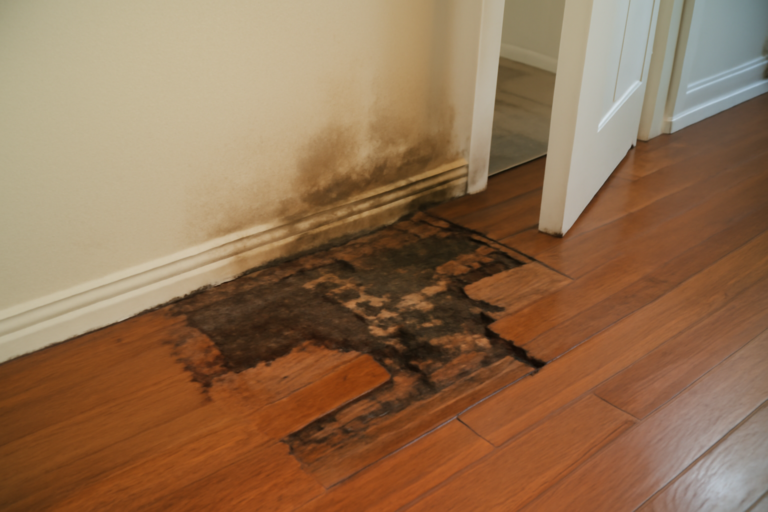
Water seeping up through your flooring can cause materials like hardwood, laminate, or vinyl to warp, bubble, or peel away from the subfloor. This is a visual cue of saturation from beneath.
Slab Leak Water Damage Restoration vs. DIY: When To Call a Professional
| Situation | DIY? | Call a Pro? | Why |
|---|---|---|---|
| Detecting a faint musty odor | No | Yes | DIY can’t pinpoint the source; a pro uses specialized equipment. |
| Seeing small cracks in drywall | Maybe | Yes | Cracks can be cosmetic or structural; a pro can assess the cause. |
| Finding a hot spot on the floor | No | Yes | Hot water leaks are dangerous and require immediate professional attention. |
| A noticeable jump in water bill | No | Yes | Locating hidden leaks under a slab is complex and requires expertise. |
| Minor water pooling near a floor drain | Yes | No | If it’s clearly surface water and not from the slab, basic cleanup might be manageable. |
| Experiencing widespread flooring damage | No | Yes | Full subfloor drying and floor replacement demand professional equipment and knowledge. |
While some minor water issues might be manageable with DIY efforts, slab leaks are almost always a job for trained professionals. The complexity of locating the leak, the potential for structural damage, and the need for specialized drying equipment mean that attempting a DIY fix can often lead to more extensive damage and higher costs in the long run.
Slab Leak Water Damage Restoration Cost In Irondale, GA
The cost for slab leak water damage restoration in Irondale, GA, can vary significantly. Factors such as the severity of the leak, the size of the affected area, the type of flooring and subflooring, and how much restoration work is needed all play a role. These figures are general estimates to help you budget; a precise quote requires an on-site assessment.
| Service Aspect | Typical Price Range | What Affects Cost |
|---|---|---|
| Leak Detection | $300 – $1,000 | Complexity of home layout, accessibility of pipes. |
| Concrete Cutting and Access | $500 – $1,500 | Depth and thickness of slab, size of opening required. |
| Pipe Repair (Minor) | $700 – $2,000 | Type of pipe material, length of repair. |
| Water Extraction and Drying | $1,000 – $3,000 | Volume of water, size of affected area, duration of drying. |
| Subfloor Drying and Sealing | $800 – $2,500 | Extent of saturation, need for antimicrobial treatments. |
| Flooring Replacement (per sq ft) | $3 – $15+ | Type of flooring material chosen, amount needing replacement. |
| Structural Drying and Air Scrubbing | $700 – $2,000 | Overall square footage affected, air quality concerns. |
To get an accurate estimate for your specific situation, we offer free, no-obligation assessments. Our team will come to your property, evaluate the damage, and provide you with a detailed breakdown of the necessary restoration work and costs.
Service Areas Near Irondale, GA
Avondale Estates, Belvedere Park, Decatur, Druid Hills, East Atlanta, Emory Village, Gresham Park, Lilburn, Lithonia, Midway, North Decatur, North Druid Hills, Northlake, Redan, Scottdale, Smoke Rise, Stone Mountain, Tucker, Union City, Wesley Chapel.
Common Questions About Slab Leak Water Damage Restoration
What are the biggest risks of ignoring a slab leak?
Ignoring a slab leak can lead to serious structural damage to your foundation, walls, and floors. It can also create a perfect environment for mold and mildew to grow, which poses significant health risks. The longer you wait, the more extensive and expensive the repairs will become, potentially costing you tens of thousands of dollars to fully remediate the damage.
How long does slab leak restoration typically take?
The timeline for slab leak restoration varies greatly depending on the size and severity of the leak, as well as the extent of the water damage. The actual pipe repair might take a day or two, but the drying process alone can take anywhere from 3 to 7 days using specialized equipment. Full reconstruction can add several more days or even weeks. We work efficiently to minimize downtime.
Is slab leak damage covered by homeowner’s insurance?
Typically, homeowner’s insurance policies cover sudden and accidental water damage, which can include leaks from pipes within your foundation. However, they often do not cover damage resulting from gradual leaks or poor maintenance. It’s always best to check your specific policy and contact your insurance provider to understand your coverage, but we can help by providing detailed documentation for your claim.
What kind of equipment do you use to find leaks under the slab?
We use a variety of advanced technologies to pinpoint the exact location of leaks without unnecessary destruction. This includes acoustic listening devices that amplify the sound of escaping water, thermal imaging cameras that detect temperature differences caused by water, and sometimes even moisture meters. These tools allow us to accurately diagnose the problem before we even pick up a tool to cut into the concrete.
Can I prevent slab leaks from happening in the first place?
While not all slab leaks are preventable, regular plumbing maintenance can significantly reduce the risk. This includes checking for corrosion in older pipes, ensuring proper water pressure, and being mindful of any tree roots near your foundation that could damage pipes. Addressing small plumbing issues promptly can prevent them from escalating into major slab leak problems.
Check Our Other Relevant Services

Jerry Johns is a licensed Damage Restoration Expert with over 20 years of hands-on experience helping homeowners and businesses navigate property crises. As a trusted authority in the field, Jerry combines technical precision with a compassionate approach to disaster recovery.
𝗖𝗲𝗿𝘁𝗶𝗳𝗶𝗰𝗮𝘁𝗶𝗼𝗻𝘀: Jerry holds multiple elite IICRC certifications, including Water Damage Restoration (WRT), Applied Microbial Remediation (Mold), Applied Structural Drying (ASD), Odor Control, and Fire and Smoke Restoration.
𝗙𝗮𝘃𝗼𝗿𝗶𝘁𝗲 𝗣𝗮𝘀𝘁𝗶𝗺𝗲: When he isn’t on a job site, Jerry is an avid outdoorsman who enjoys fly fishing and restoring vintage woodworking tools.
𝗕𝗲𝘀𝘁 𝗣𝗮𝗿𝘁 𝗼𝗳 𝘁𝗵𝗲 𝗝𝗼𝗯: Jerry finds the most fulfillment in seeing the relief on a client’s face when their property is finally restored to its pre-loss condition, turning a stressful disaster into a fresh start.