Trusted by 165+ Homeowners
Slab Leak Water Damage Restoration in Peachtree City, GA
- Over 165 5-Star Reviews
- Free Estimates and Quotes
- 100% Satisfaction Guaranteed
- Child, Family & Pet Safe Steps
- 24-Hour Emergency Service
- Fully Licensed & Insured

When Your Foundation Leaks: Expert Slab Leak Water Damage Restoration in Peachtree City, GA
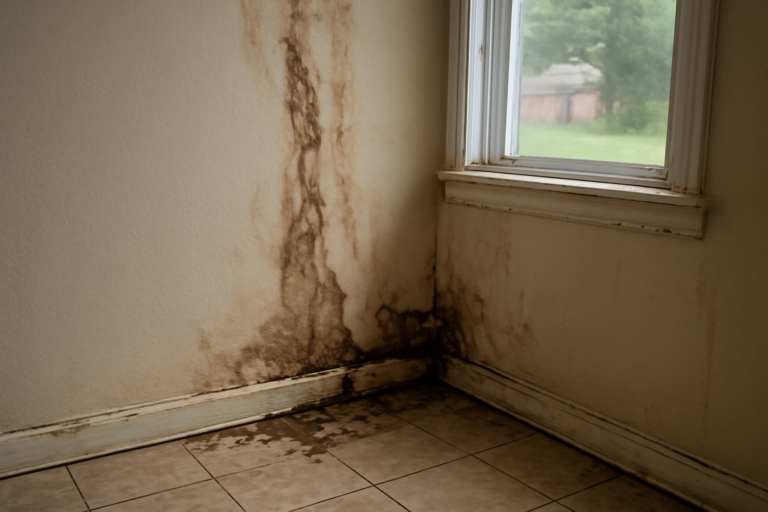
Here around Peachtree City, GA, we know that our humid summers and occasional heavy rains can put a real strain on underground pipes. When those pipes, hidden beneath your home’s concrete foundation, develop a leak, it’s more than just a drip. It’s a potential disaster waiting to happen, silently causing significant structural damage and inviting mold growth. Understanding this specific risk is the first step in protecting your property from a costly foundation problem.
Homeowners in the area trust our team because we get it. We’ve helped hundreds of neighbors deal with unexpected plumbing emergencies, earning over 165 five-star reviews for our dedication to getting things right. For slab leak issues, you need a team that knows exactly what to look for and how to fix it efficiently, minimizing disruption to your life and your home. We’re committed to providing reliable, local service when you need it most.
- We specialize in pinpointing the exact location of leaks beneath your concrete slab, using advanced technology to avoid unnecessary destruction.
- Our drying process is thorough, employing specialized equipment to remove all moisture from your subfloor and walls, preventing long-term mold and rot.
- We handle everything from the initial leak detection to the final repairs and restoration, ensuring your home is returned to its pre-loss condition with minimal hassle for you.
How We Tackle Slab Leak Water Damage Restoration
Dealing with a slab leak isn’t like fixing a leaky faucet. It requires a methodical approach and the right tools to identify the source, extract the water, and dry everything out properly. Cutting corners here can lead to recurring problems, hidden mold, and compromised structural integrity. Our process is designed to be as non-invasive as possible, focusing on effective water removal and thorough drying to prevent future issues and restore your home’s safety.
Step 1: Leak Detection
First, we’ll use specialized acoustic listening devices and thermal imaging cameras to pinpoint the exact location of the leak under your slab. This precision leak detection helps us avoid unnecessary demolition and saves you money. It typically takes a few hours, depending on the complexity of your home’s layout.
Step 2: Accessing the Leak
Once located, we carefully create a small opening in the concrete slab directly above the damaged pipe. Our crews are trained to make these access points as clean and manageable as possible, readying the area for repair. This careful access ensures we can effectively reach the pipe without causing further damage.
Step 3: Pipe Repair or Rerouting
We’ll then repair the damaged section of the pipe. In some cases, if the pipe is severely corroded or in a difficult location, we might recommend rerouting the line to bypass the affected area. This crucial step ensures the leak is permanently fixed, preventing recurrence and giving you long-term pipe reliability.
Step 4: Water Extraction
After the pipe is repaired, we get to work removing any standing water from beneath the slab and within your subflooring. We use powerful extraction equipment to pull out as much moisture as possible, preventing water from seeping further into your home’s structure. This rapid extraction is key to minimizing water damage.
Step 5: Drying and Dehumidification
This is perhaps the most critical phase for preventing secondary damage like mold. We set up industrial-grade air movers and dehumidifiers to thoroughly dry out the affected areas, including wall cavities and subfloors. This process can take several days, but it’s essential for ensuring your home is completely dry and safe, providing complete moisture control.
Don’t wait for a small leak to become a major headache. If you suspect a slab leak, call us immediately to get the process started and protect your foundation. We’re here to help you resolve the issue quickly.

Warning Signs You Need Slab Leak Water Damage Restoration
Catching a slab leak early is the best way to limit the damage and cost. Pay attention to what your home is telling you; these subtle signs could indicate a serious problem beneath your feet. Recognizing these indicators can save you from extensive repairs and protect your property’s structural integrity.
Unexplained Puddles or Wet Spots
Finding water on your floors, especially in areas where there’s no obvious source like a bathroom or kitchen, is a big red flag. This could mean water is seeping up from a leak below your slab. Look for damp patches on floors that weren’t there before.
Hot Spots on the Floor
If you have radiant heating pipes under your slab, a leak can cause certain areas of your floor to feel unusually hot. This indicates hot water is escaping from the pipe, warming the concrete around it. Be aware of sudden temperature changes underfoot.
Cracks in Walls or Floors
As water erodes the soil beneath your foundation, it can cause the slab to shift or settle. This movement can lead to new cracks appearing in your walls, ceilings, or even the foundation itself. Keep an eye out for new hairline cracks or widening existing ones.
A Sudden Drop in Water Pressure
If your faucets suddenly have less water flowing through them, it might not be a municipal issue. A significant leak in your plumbing system can cause a noticeable drop in overall water pressure throughout your house. This is a clear indicator of a plumbing problem.
The Sound of Running Water
Sometimes, you can actually hear water running or hissing when no fixtures are in use. This sound often originates from within the walls or beneath the floor, indicating an active leak. Listening for persistent water sounds is crucial.
An Unexplained Increase in Your Water Bill
If your water bill suddenly jumps without any change in your household’s water usage habits, a hidden leak is a likely culprit. Water utilities charge for every gallon used, so a persistent leak will show up on your bill. Monitor your bill for unusual spikes in usage.
Slab Leak Water Damage Restoration vs. DIY: When To Call a Professional
| Situation | DIY? | Call a Pro? | Why |
|---|---|---|---|
| Suspecting a leak based on signs | No | Yes | DIYers lack the specialized equipment for accurate leak detection. |
| Minor surface drying of a small spill | Yes | No | A wet spot from a spilled drink can usually be wiped up. |
| Locating the exact leak source under the slab | No | Yes | Professional acoustic and thermal tools are essential for pinpointing the leak. |
| Repairing a small, accessible pipe in a wall (not under slab) | Maybe | Yes | While some DIYers can do this, a pro ensures it’s done right to code. |
| Drying out a flooded area after a pipe bursts (not under slab) | Maybe | Yes | Professional drying equipment is far more effective than fans. |
| Repairing a pipe leak directly under the concrete foundation | Absolutely Not | Yes | This requires specialized tools, expertise, and often permits. |
| Removing standing water from beneath a concrete slab | No | Yes | Industrial-grade extractors are needed to remove water from under the foundation. |
While minor water cleanup might be manageable for a DIYer, anything involving leaks beneath your concrete slab requires professional intervention. Trying to fix it yourself can lead to costly mistakes and prolonged damage. Our trained technicians have the tools and experience to handle these complex situations effectively.
Slab Leak Water Damage Restoration Cost In Peachtree City, GA
The cost for slab leak water damage restoration in Peachtree City, GA can vary significantly based on the extent of the damage, the size of the affected area, and the complexity of the pipe repair. These figures are general estimates and a thorough on-site assessment is always needed for an accurate quote. We aim to provide transparent pricing upfront.
| Service Aspect | Typical Price Range | What Affects Cost |
|---|---|---|
| Leak Detection | $300 – $1,000 | Complexity of home, accessibility, and technology used. |
| Pipe Repair (accessing and fixing pipe) | $1,000 – $3,000+ | Severity of pipe damage, type of pipe, and difficulty of access. |
| Water Extraction | $500 – $2,000 | Amount of water to remove and size of the affected area. |
| Drying and Dehumidification | $1,000 – $4,000+ | Duration of drying needed, number of units required, and size of space. |
| Minor Concrete Repair | $200 – $800 | Size and depth of the opening that needs to be patched. |
| Full Restoration (flooring, drywall) | Varies Greatly | Scope of cosmetic and structural repairs needed. |
An accurate estimate requires our team to visit your property and assess the situation firsthand. We offer free, no-obligation estimates to help you understand the scope of work and the associated costs. Contact us today to schedule your free on-site inspection.
Service Areas Near Peachtree City, GA
Tyrone, Fayetteville, Brooks, Sharpsburg, Senoia, Palmetto, Newnan, Union City, East Point, College Park, Atlanta, Riverdale, Jonesboro, Forest Park, Morrow, Lovejoy, Hampton, McDonough, Stockbridge, Locust Grove.
Common Questions About Slab Leak Water Damage Restoration
What’s the fastest way to find a leak under my concrete slab?
The fastest and most accurate way to find a leak under your concrete slab is by using specialized detection equipment. Our technicians utilize acoustic sensors that listen for the sound of escaping water and thermal imaging cameras that can detect temperature differences caused by leaking hot water. These methods allow us to pinpoint the leak’s origin with minimal guesswork, saving time and preventing unnecessary destruction of your flooring and foundation.
How long does slab leak water damage restoration typically take?
The timeline for slab leak restoration can vary, but generally, the initial leak detection and repair might take a day or two. The crucial drying and dehumidification process, however, can take anywhere from 3 to 10 days, depending on the severity of the water intrusion and the materials involved. We work diligently to expedite the process while ensuring thorough drying and complete restoration.
Are slab leaks dangerous to my health?
Yes, slab leaks can pose health risks, primarily through the promotion of mold growth. The constant moisture under your slab and within your walls creates an ideal environment for mold to flourish. Inhaling mold spores can trigger allergies, asthma, and other respiratory issues. Our restoration process includes thorough drying and often antimicrobial treatments to prevent mold development and ensure a healthy indoor environment.
What kind of equipment do you use to dry out a home after a slab leak?
We use professional-grade equipment designed for effective water damage mitigation. This includes powerful water extraction units to remove standing water, and a network of high-velocity air movers and industrial dehumidifiers to accelerate the drying of structural materials like wood, concrete, and drywall. This advanced equipment ensures we can remove moisture efficiently and prevent secondary damage.
Can I prevent slab leaks from happening in the first place?
While not all slab leaks are preventable, certain measures can reduce your risk. Regularly inspecting your plumbing for signs of corrosion or wear, maintaining consistent water pressure, and being mindful of any soil erosion around your foundation can help. Addressing small plumbing issues promptly, especially if you have older pipes, is key to preventing future leaks.
Check Our Other Relevant Services
Serving Peachtree City, GA And Nearby Areas