Trusted by 165+ Homeowners
Slab Leak Water Damage Restoration in Peachtree Corners, GA
- Over 165 5-Star Reviews
- Free Estimates and Quotes
- 100% Satisfaction Guaranteed
- Child, Family & Pet Safe Steps
- 24-Hour Emergency Service
- Fully Licensed & Insured

Detecting and Repairing Slab Leak Water Damage in Peachtree Corners, GA
Imagine this: you’re walking across your living room floor, and you notice a warm spot. Or maybe you hear a faint, persistent dripping sound you can’t quite place. Suddenly, you see a crack forming in your floor, or a strange dampness seeping up from beneath your foundation. This isn’t just an inconvenience; it’s the unmistakable sign of a slab leak, a serious issue that requires immediate attention. Dealing with water damage from a leak under your concrete foundation in Peachtree Corners, GA, can be stressful, but knowing what to look for and who to call makes all the difference. We understand how alarming this can be, and our team is ready to help you navigate this challenge with expert assessment and swift action.
We’ve helped over 165+ homeowners in your neighborhood tackle their slab leak problems, earning their trust with our dedicated approach. Local residents choose us because we focus on the technical details of water damage restoration, using specialized equipment and proven methods to accurately locate leaks and repair the damage effectively. You want a team that knows the science behind drying and restoration, not just a general cleanup crew. That’s exactly what we provide, ensuring your home is restored to its pre-damage condition with minimal disruption and thorough drying.
- We pinpoint the exact location of the leak using advanced acoustic detection and thermal imaging, minimizing the need for destructive exploratory digging.
- Our targeted drying process uses specialized equipment to remove moisture from beneath the slab, preventing further structural damage and mold growth.
- We offer complete repair services, from patching concrete to addressing any flooring or subfloor damage caused by the leak, so you can get back to normal faster.
How Slab Leak Water Damage Restoration Actually Works
When you’re facing a slab leak, the restoration process needs to be precise and scientific. It’s not just about mopping up water; it’s about understanding how moisture behaves under your concrete foundation and how to extract it completely. Cutting corners here can lead to persistent mold issues, structural weakening, and costly repairs down the line. Our crews are trained to handle the complexities of these situations, employing a methodical approach that prioritizes accuracy and thoroughness from the moment we arrive. We focus on the technical remediation and long-term stability of your home.
Leak Detection
Our first step is always accurate detection. We use specialized acoustic listening devices that can detect the subtle sound of water escaping under pressure. Thermal imaging cameras can also help identify temperature differences caused by water, pinpointing the leak’s general area without unnecessary demolition. This ensures we know exactly where to focus our efforts, saving you time and money.
Access and Containment
Once the leak is located, we carefully access the affected area. This might involve minimal concrete cutting to reach the pipe. We then set up containment barriers to prevent any displaced water or debris from spreading to unaffected parts of your home. This step is crucial for maintaining a controlled environment and ensuring efficient drying later on.
Water Extraction
Even small leaks can saturate the sub-flooring and surrounding soil. We use powerful extraction equipment, including specialized pumps and vacuums, to remove as much standing water as possible from beneath the slab. This immediate removal is vital to stop the damage from worsening and to begin the drying process effectively.
Drying and Dehumidification
This is where our technical expertise truly shines. We deploy industrial-grade dehumidifiers and air movers specifically designed for sub-slab drying. These machines create the ideal conditions to draw moisture out of the soil and concrete structure. We monitor humidity levels closely with specialized meters, ensuring the area dries completely and preventing hidden moisture that could lead to future problems.
Repair and Restoration
After the area is thoroughly dried, our team handles the necessary repairs. This can include repairing the damaged pipe, patching the concrete slab, and restoring any affected flooring or subflooring. Our goal is to return your home to its original condition, making sure every trace of the leak and its damage is gone.
Don’t let a slab leak compromise your home’s integrity. Call us now for a fast assessment and expert restoration.

Warning Signs You Need Slab Leak Water Damage Restoration
Catching a slab leak early can save you a significant amount of money and prevent a cascade of other problems, like mold growth and structural damage. Your home often provides subtle clues, but these signs shouldn’t be ignored. Understanding what to look for is your first line of defense against extensive water damage. We’re here to help you recognize these indicators so you can get the help you need without delay.
Musty Odors That Won’t Go Away
A persistent, damp, or musty smell, especially near the floors or walls, is a strong indicator of hidden moisture. This odor often means water is trapped somewhere it shouldn’t be, potentially under your slab, and it’s a breeding ground for mold. Don’t dismiss this smell; it’s your nose telling you there’s a serious moisture problem.
Unexplained Warm Spots on the Floor
If you notice certain areas of your floor are unusually warm to the touch, especially over a concrete slab, it could mean hot water pipes have leaked. This is a clear sign that hot water is escaping from its intended path and heating up the surrounding concrete. This needs immediate inspection to prevent scalding hazards and further damage.
A Sudden Increase in Your Water Bill
Are you seeing a significant jump in your monthly water bill without any change in your household’s water usage? This is a classic red flag for a hidden leak somewhere in your plumbing system, including under the foundation. A constant, unseen drip can waste hundreds of gallons of water a month, leading to shocking utility costs.
Cracks in Walls or Floors
As water saturates the soil beneath your foundation, it can cause the ground to shift or expand. This movement can put pressure on your concrete slab, leading to visible cracks in your walls, ceilings, or floors. These cracks are often a symptom of underlying foundation issues caused by a long-term water leak.
Damp or Wet Spots on Floors or Carpets
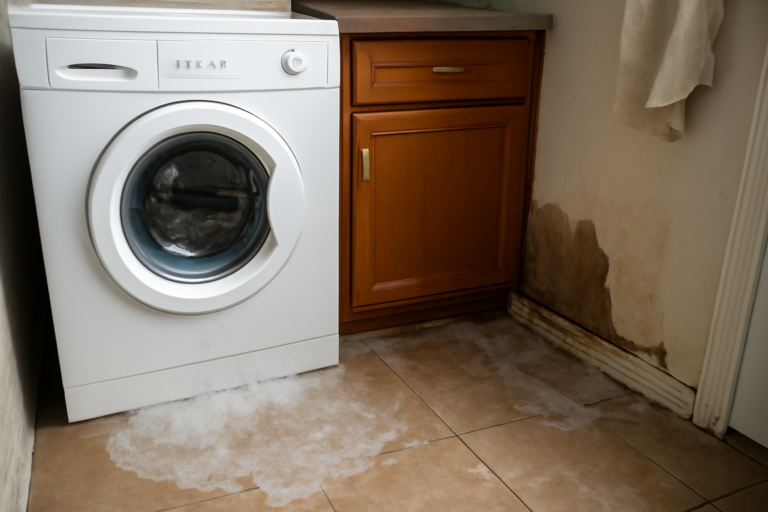
If you see visible water pooling on your floor, or your carpets feel damp and soggy in specific areas, it’s a direct sign of a leak. This is especially concerning if it appears suddenly or without any obvious cause like a spilled drink or a plumbing fixture malfunction on that level. This indicates water has found its way up from beneath the slab, and you need professional drying.
Sound of Running Water When No Fixtures Are On
Close your eyes and listen. If you can hear the sound of dripping, hissing, or running water when all your faucets are turned off and no appliances are running, you likely have a leak. This sound is often more noticeable in quieter moments and is a clear indicator that water is escaping your pipes under pressure, requiring urgent attention.
Slab Leak Water Damage Restoration vs. DIY: When To Call a Professional
| Situation | DIY? | Call a Pro? | Why |
|---|---|---|---|
| Detecting a small, damp spot on the floor. | Maybe. | Yes. | DIY detection is unreliable for leaks under the slab. |
| Hearing a faint dripping sound. | No. | Yes. | Acoustic detection equipment is needed to pinpoint the source accurately. |
| Seeing a visible crack in the foundation. | No. | Yes. | This indicates structural stress requiring professional assessment and repair. |
| Noticing a significant increase in your water bill. | Maybe. | Yes. | Pinpointing the exact leak location under the slab is difficult without specialized tools. |
| Dealing with mold growth around the affected area. | Absolutely Not. | Yes. | Mold remediation requires specific containment and cleaning protocols. |
| Repairing a burst pipe under the slab. | Absolutely Not. | Yes. | Requires access through the slab and professional plumbing expertise. |
For slab leak water damage restoration, calling a professional is almost always the best course of action. The complexity of locating and repairing leaks beneath concrete requires specialized equipment and expertise that most homeowners simply don’t have. Our team can accurately assess the situation, stop the leak, and manage the drying and repair process effectively, saving you from potential structural damage and mold issues. We ensure thorough remediation and long-term prevention.
Slab Leak Water Damage Restoration Cost In Peachtree Corners, GA
The cost of slab leak water damage restoration in Peachtree Corners, GA, can vary quite a bit. Factors like the size of the leak, how long it’s been going on, the accessibility of the leak, and the extent of the damage to your flooring and subfloor all play a role. These prices are estimates and a proper on-site assessment is always needed for an exact quote. We provide clear estimates and transparent pricing.
| Service | Typical Price Range | What Affects Cost |
|---|---|---|
| Leak Detection (Acoustic, Thermal) | $400 – $1,200 | Complexity of the structure and number of access points needed. |
| Water Extraction (Sub-slab) | $500 – $2,000 | Volume of water present and area affected. |
| Drying and Dehumidification (Sub-slab) | $800 – $3,500 | Size of the affected area and duration of drying needed. |
| Pipe Repair (under slab) | $1,000 – $3,000+ | Type of pipe, length of repair, and complexity of access. |
| Concrete Patching/Repair | $300 – $1,500 | Size and depth of the hole needed for access and repair. |
| Flooring Repair/Replacement (partial) | $500 – $4,000+ | Type of flooring (tile, hardwood, carpet) and square footage. |
Remember, these are just general ranges. We offer free estimates after a thorough on-site inspection to give you a precise understanding of your specific restoration needs and costs. Contact us today to schedule your free consultation.
Service Areas Near Peachtree Corners, GA
Atlanta, Alpharetta, Berkeley Lake, Buford, Chamblee, Clarkston, Doraville, Duluth, Dunwoody, Johns Creek, Lilburn, Marietta, Norcross, Roswell, Sandy Springs, Snellville, Stone Mountain, Suwanee, Tucker, Vinings.
Common Questions About Slab Leak Water Damage Restoration
What’s the fastest way to find a slab leak?
The fastest and most accurate way to find a slab leak is to call a professional restoration team equipped with specialized detection equipment. We use acoustic listening devices and thermal imaging cameras to pinpoint the exact location of the leak under your foundation without causing unnecessary damage. While you can look for general warning signs, leaving the precise detection to us ensures a quicker resolution and prevents further property damage.
How long does slab leak water damage restoration take?
The timeline for slab leak water damage restoration can vary significantly depending on the severity of the leak and the extent of the water intrusion. The detection and repair phase might take a day or two, but the drying process under the slab can take anywhere from 3 to 14 days, sometimes longer. We use advanced drying technology to accelerate this process as much as possible, but ensuring complete dryness is critical for preventing future issues. You can expect a detailed timeline once we assess your specific situation.
Is slab leak water dangerous?
Yes, slab leak water can pose health and safety risks. If hot water pipes are leaking, the water can reach scalding temperatures, creating a burn hazard. Furthermore, trapped moisture under the slab can lead to mold growth, which can release spores into your home’s air, causing respiratory problems and allergic reactions. Addressing the leak promptly is essential for your family’s health and safety.
What kind of equipment is used for drying under a slab?
For drying under a slab, we utilize specialized equipment such as industrial-strength dehumidifiers, powerful air movers, and sometimes even special injection systems to force dry air into the affected areas. These tools are designed to extract moisture from concrete and soil efficiently. Monitoring equipment, like moisture meters, is also crucial to ensure the drying process is complete. This advanced equipment is key to our effective drying protocols.
Can I prevent slab leaks?
While not all slab leaks are preventable, you can reduce the risk by maintaining your plumbing system. Regularly inspect visible pipes for corrosion or leaks, avoid planting trees with invasive root systems too close to your foundation, and be mindful of changes in water pressure. If you live in an older home, consider having your plumbing inspected periodically. Promptly addressing any identified warning signs can also prevent a small issue from becoming a major slab leak, ensuring long-term home protection.
Check Our Other Relevant Services
- Flash Flood Damage Cleanup in Peachtree Corners, GA
- Cabinet Water Damage Repair in Peachtree Corners, GA

Jerry Johns is a licensed Damage Restoration Expert with over 20 years of hands-on experience helping homeowners and businesses navigate property crises. As a trusted authority in the field, Jerry combines technical precision with a compassionate approach to disaster recovery.
𝗖𝗲𝗿𝘁𝗶𝗳𝗶𝗰𝗮𝘁𝗶𝗼𝗻𝘀: Jerry holds multiple elite IICRC certifications, including Water Damage Restoration (WRT), Applied Microbial Remediation (Mold), Applied Structural Drying (ASD), Odor Control, and Fire and Smoke Restoration.
𝗙𝗮𝘃𝗼𝗿𝗶𝘁𝗲 𝗣𝗮𝘀𝘁𝗶𝗺𝗲: When he isn’t on a job site, Jerry is an avid outdoorsman who enjoys fly fishing and restoring vintage woodworking tools.
𝗕𝗲𝘀𝘁 𝗣𝗮𝗿𝘁 𝗼𝗳 𝘁𝗵𝗲 𝗝𝗼𝗯: Jerry finds the most fulfillment in seeing the relief on a client’s face when their property is finally restored to its pre-loss condition, turning a stressful disaster into a fresh start.