Trusted by 165+ Homeowners
Snowmelt Water Damage Restoration in Acworth, GA
- Over 165 5-Star Reviews
- Free Estimates and Quotes
- 100% Satisfaction Guaranteed
- Child, Family & Pet Safe Steps
- 24-Hour Emergency Service
- Fully Licensed & Insured

Don’t Let Melting Snow Ruin Your Acworth Home
When winter’s grip loosens and the snow starts to melt, you might think your worries are over. But that melting snow can actually cause significant damage to your home, especially if drainage systems are blocked or your roof has ice dams. If you notice water seeping into your basement, walls, or ceilings, it’s important to act fast. Ignoring early signs can lead to much bigger, more expensive problems down the road, impacting your home’s structure and your family’s health. We understand that dealing with water damage is stressful, and finding the right help quickly is crucial for your property in Acworth, GA.
Locally, homeowners trust our team because we’re known for our rapid response and effective Snowmelt Water Damage Restoration. We’ve earned over 165 five-star reviews from neighbors who relied on us during difficult times. You can count on our dedicated crews to arrive quickly, assess the situation thoroughly, and get your home back to normal. We’re committed to providing a calm presence when you’re feeling overwhelmed.
- Rapid extraction of standing water prevents further structural damage to your floors and walls.
- Advanced drying technology eliminates hidden moisture, stopping mold growth before it starts.
- Expert deodorization services neutralize odors caused by standing water and damp materials.
How We Tackle Snowmelt Water Damage
When snowmelt water invades your home, a swift, methodical approach is absolutely essential. Delays can allow water to spread, weakening materials and creating ideal conditions for mold. Our team follows a proven process designed to address the unique challenges of this type of water damage. We’re not just cleaning up; we’re restoring your home to its pre-loss condition, focusing on thorough moisture removal and long-term protection. You’ll see the difference our expertise makes.
1. Emergency Water Extraction
Our first priority is to remove all visible standing water. We use powerful, truck-mounted extraction units and portable extractors to pull out as much water as possible. This critical step is usually completed within the first few hours after our arrival, minimizing saturation. We work to extract water quickly to prevent further damage.
2. Dehumidification and Air Moving
Once the bulk of the water is gone, we deploy specialized equipment like commercial-grade dehumidifiers and high-speed air movers. These machines work tirelessly to draw moisture out of the air and from within your building materials, like drywall and carpet padding. This process can take several days, depending on the extent of the saturation, and is key to preventing secondary damage.
3. Moisture Detection and Assessment
Our technicians use advanced moisture meters and thermal imaging cameras to pinpoint hidden water in walls, floors, and ceilings. This ensures no damp areas are missed, which is vital for preventing mold and structural issues. We conduct a detailed property inspection to understand the full scope.
4. Drying and Structural Stabilization
We monitor humidity and moisture levels closely throughout the drying process. Our goal is to return your home’s environment to pre-loss conditions. This phase requires careful management of airflow and dehumidification to ensure materials dry properly and maintain their integrity. We focus on restoring structural integrity.
5. Odor Control and Sanitation
Standing water, especially from melting snow which can pick up contaminants, can leave behind unpleasant odors and potential health risks. We use professional-grade deodorizing and sanitizing agents to neutralize smells and ensure your home is safe and healthy. This step leaves your property feeling fresh and clean. We ensure a hygienic living space.
Don’t let melting snow turn into a long-term headache. Contact our team immediately if you suspect snowmelt water damage. We’re ready to help you navigate this challenging situation efficiently.

Warning Signs You Need Snowmelt Water Damage Restoration
Catching the signs of snowmelt water damage early is your best defense against extensive and costly repairs. What might seem like a minor damp spot could indicate a larger problem brewing within your home’s structure. Being aware of these indicators allows you to call for professional help before the damage becomes severe. Recognizing these signs is crucial for protecting your investment.
Musty Odors That Won’t Go Away
If you notice a persistent damp or musty smell, especially in basements, crawl spaces, or lower levels, it’s a strong indicator of hidden moisture. This smell is often the first sign that mold or mildew is starting to grow. Don’t ignore this early warning scent.
Water Stains on Ceilings or Walls
Brown or yellow water stains are clear visual evidence that water has saturated your drywall or plaster. These stains can appear suddenly after a thaw and indicate a leak from above or within the wall cavity. They signal a clear sign of leakage.
Peeling or Bubbling Paint/Wallpaper
Moisture trapped behind paint or wallpaper can cause it to blister, bubble, or peel away from the surface. This is particularly common around windows, doors, and in areas where water may have entered. It shows compromised surface integrity.
Soft or Sagging Floors
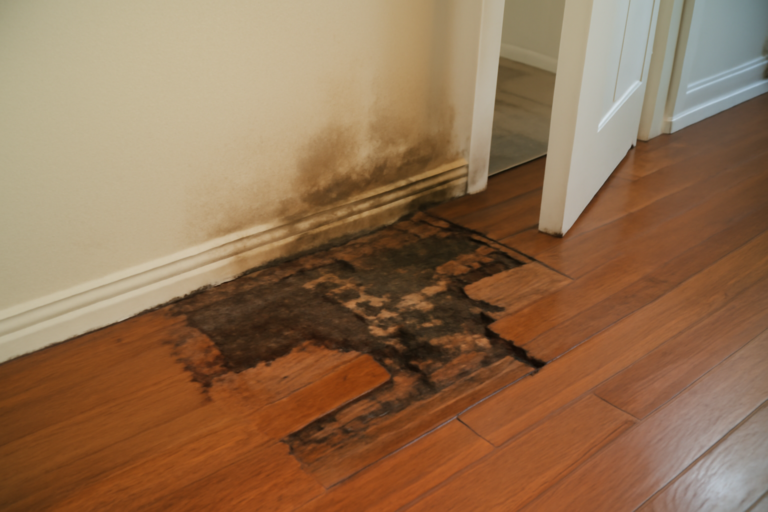
If you notice that sections of your floor feel soft, spongy, or are beginning to sag, especially in areas near exterior walls or windows, it could be due to water damage to the subfloor or joists. This indicates significant water intrusion. Address this structural weakness immediately.
Cracks in Foundation Walls
Water seeping into your foundation can cause pressure that leads to small cracks. If you see new or widening cracks, especially in your basement or crawl space walls after a thaw, it’s a serious concern. These cracks can allow more water in. This is a critical foundation issue.
Mold or Mildew Growth
Visible signs of mold or mildew – often appearing as black, green, or white fuzzy patches – are a direct result of prolonged moisture exposure. This is a serious health hazard and indicates that the water problem has been present long enough for growth to occur. It requires professional mold remediation.
Snowmelt Water Damage Restoration vs. DIY: When To Call a Professional
| Situation | DIY? | Call a Pro? | Why |
|---|---|---|---|
| Minor dampness on a hard floor in a well-ventilated area. | Yes | No | Easy to clean and dry with fans and a mop. |
| Standing water in a finished basement or carpeted area. | No | Yes | Requires specialized equipment for thorough extraction and drying. |
| Water stains appearing on ceilings or walls. | No | Yes | Indicates water has penetrated building materials and needs expert assessment. |
| Musty odors developing in your home. | No | Yes | Likely means mold or mildew is present and needs professional remediation. |
| Visible mold growth. | No | Yes | Mold can be a serious health hazard and requires containment and safe removal. |
| Water damage affecting structural elements like subfloors or walls. | No | Yes | Structural integrity needs to be assessed and repaired by experienced professionals. |
While minor spills are manageable, snowmelt water damage often involves hidden moisture and potential structural issues that DIY methods can’t fully address. For anything beyond a minor damp spot, calling our trained technicians is the smartest choice. We have the tools and knowledge for complete water restoration.
Snowmelt Water Damage Restoration Cost In Acworth, GA
The cost for Snowmelt Water Damage Restoration in Acworth, GA can vary significantly. Factors like the size of the affected area, the extent of the water saturation, and the type of materials damaged all play a role in the final price. These figures are general estimates to help you plan. We always provide transparent pricing.
| Service Aspect | Typical Price Range | What Affects Cost |
|---|---|---|
| Emergency Water Extraction | $500 – $2,500 | Volume of water, accessibility, and time required. |
| Dehumidification and Drying | $1,000 – $5,000+ | Size of affected area, humidity levels, and duration of drying. |
| Moisture Detection & Assessment | $200 – $750 | Complexity of the property and need for advanced tools like thermal imaging. |
| Odor Control & Sanitation | $300 – $1,500 | Severity of odors, size of area, and types of treatments needed. |
| Mold Inspection & Remediation (if necessary) | $750 – $4,000+ | Amount of mold, location, and containment measures required. |
| Structural Drying & Repair Consultation | $300 – $1,000 | Need for minor repairs or assessment of structural damage. |
The most accurate way to determine the cost for your specific situation is to have our team perform an on-site assessment. We offer free, no-obligation estimates so you know exactly what to expect before we begin work.
Service Areas Near Acworth, GA
Kennesaw, Marietta, Woodstock, Acworth, Dallas, Hiram, Powder Springs, Cartersville, Canton, Roswell, Sandy Springs, Dunwoody, Atlanta, Austell, Lithia Springs, Mableton, Smyrna, Vinings, Douglasville, Temple.
Common Questions About Snowmelt Water Damage Restoration
What should I do if I see water coming from my ceiling after snowmelt?
If you see water coming from your ceiling, the first thing to do is place buckets or towels to catch the drips and prevent further spread. If it’s safe to do so, try to identify the source, like a roof leak or ice dam. However, do not attempt to access your roof or attic if it seems unsafe. Your immediate next step should be to call our team. We can quickly assess the situation and begin the necessary extraction and drying to protect your home.
How long does it take to dry out a home after snowmelt water damage?
The drying process typically takes anywhere from 3 to 10 days, but it can sometimes take longer depending on the severity of the water damage and the materials affected. Our technicians use specialized equipment like dehumidifiers and air movers to speed up evaporation. We continuously monitor moisture levels to ensure your home is drying properly and to prevent mold growth. You’ll receive updates on the progress.
Is snowmelt water considered black water?
Snowmelt water itself is usually considered clean water (Category 1) when it first enters your home, especially if it’s from fresh snow. However, as it sits and travels through your home, it can pick up contaminants from your roof, gutters, soil, or damaged building materials, potentially becoming gray water (Category 2) or even black water (Category 3). Because of this risk, our team treats all snowmelt water damage with caution, using proper safety protocols and sanitizing agents to ensure your home is safe. We’re certified for safe water damage cleanup.
How much does snowmelt water damage restoration cost?
The cost for Snowmelt Water Damage Restoration can vary widely based on the extent of the damage, the size of your home, and the complexity of the drying and repair process. A minor situation might cost a few hundred dollars, while extensive saturation could run into thousands. We provide detailed estimates after an on-site inspection. Many insurance policies cover this type of damage, and we can help you with the claims process.
Can I prevent snowmelt water damage to my home?
Yes, there are several preventative measures you can take. Ensure your gutters and downspouts are clear of debris to allow meltwater to drain away from your foundation. Maintain your roof and check for any damage that could lead to leaks. Keep sump pumps in good working order if you have one. Addressing ice dams promptly is also key. If you have concerns about your home’s readiness for thaw season, our team can offer preventative advice and inspections.
Check Our Other Relevant Services

Jerry Johns is a licensed Damage Restoration Expert with over 20 years of hands-on experience helping homeowners and businesses navigate property crises. As a trusted authority in the field, Jerry combines technical precision with a compassionate approach to disaster recovery.
𝗖𝗲𝗿𝘁𝗶𝗳𝗶𝗰𝗮𝘁𝗶𝗼𝗻𝘀: Jerry holds multiple elite IICRC certifications, including Water Damage Restoration (WRT), Applied Microbial Remediation (Mold), Applied Structural Drying (ASD), Odor Control, and Fire and Smoke Restoration.
𝗙𝗮𝘃𝗼𝗿𝗶𝘁𝗲 𝗣𝗮𝘀𝘁𝗶𝗺𝗲: When he isn’t on a job site, Jerry is an avid outdoorsman who enjoys fly fishing and restoring vintage woodworking tools.
𝗕𝗲𝘀𝘁 𝗣𝗮𝗿𝘁 𝗼𝗳 𝘁𝗵𝗲 𝗝𝗼𝗯: Jerry finds the most fulfillment in seeing the relief on a client’s face when their property is finally restored to its pre-loss condition, turning a stressful disaster into a fresh start.