Trusted by 165+ Homeowners
Snowmelt Water Damage Restoration in Covington, GA
- Over 165 5-Star Reviews
- Free Estimates and Quotes
- 100% Satisfaction Guaranteed
- Child, Family & Pet Safe Steps
- 24-Hour Emergency Service
- Fully Licensed & Insured

Don’t Let Melting Snow Cause Hidden Damage to Your Covington, GA Home
As the last of winter’s snow melts away, a silent threat can emerge inside your home. Many homeowners in Covington, GA forget that melting snow can seep into foundations, crawl spaces, and even attic insulation, causing damage that isn’t immediately obvious. You might notice damp spots on ceilings or walls, or a lingering musty smell that just won’t disappear. It’s crucial to address these signs promptly before minor issues become major headaches.
We’ve helped over 165 families in your neighborhood recover from unexpected water damage, and they consistently choose us because we offer reliable, fast service when they need it most. Our local crews understand the specific challenges snowmelt can present around here. We’re committed to getting your property restored with minimal disruption to your life.
- Rapid assessment and mitigation to prevent further mold growth and structural compromise.
- Specialized drying techniques using advanced equipment to pull moisture from deep within building materials, not just surfaces.
- Clear communication throughout the restoration process, so you always know what to expect.
How Our Snowmelt Water Damage Restoration Process Works
When snowmelt causes water damage, time is truly of the essence. The longer water sits, the more it saturates your home’s materials, leading to weakened structures, ruined belongings, and potential health hazards like mold. Our systematic approach ensures we tackle the problem head-on, focusing on speed and efficiency to minimize the damage and your stress. We don’t cut corners; we follow a proven plan to bring your property back to its pre-loss condition.
1. Emergency Water Extraction
As soon as you notice signs of snowmelt water damage, we’ll deploy our team to your property. We use powerful submersible pumps and truck-mounted extraction units to remove standing water quickly. This initial step is critical for preventing widespread saturation and minimizing the overall impact on your home. We aim to complete this phase within the first few hours.
2. Advanced Drying and Dehumidification
Once the bulk of the water is gone, we bring in specialized drying equipment. This includes industrial-grade air movers and dehumidifiers designed to pull moisture out of the air and materials like drywall, wood, and carpet padding. These units work tirelessly to reduce humidity levels and dry out your home thoroughly, often running continuously for several days depending on the severity.
3. Moisture Monitoring and Assessment
Throughout the drying process, our technicians use advanced moisture meters and thermal imaging cameras to track hidden water. This ensures we’re not just drying the visible surfaces but also reaching moisture trapped behind walls or under flooring. This meticulous monitoring guarantees a complete drying of all affected areas, preventing future problems.
4. Mold Prevention and Remediation
Standing water and high humidity create the perfect environment for mold to grow, often within 24-48 hours. We take proactive steps to prevent mold by thoroughly drying and disinfecting affected areas. If mold has already begun to form, our trained crews will safely remove it, following strict IICRC guidelines to ensure your home is healthy and safe again.
5. Reconstruction and Restoration
Once your home is dry and free of mold, we’ll begin the reconstruction phase. This might involve replacing damaged drywall, flooring, insulation, or making minor structural repairs. Our goal is to restore your home to its original condition, or even better, ensuring it’s fully functional and aesthetically pleasing.
Don’t wait for snowmelt water damage to worsen. Contact us immediately for a swift and professional response to protect your home and your family’s well-being.

Warning Signs You Need Snowmelt Water Damage Restoration
It’s easy to overlook the subtle signs of water damage, especially when it’s related to melting snow. Catching these issues early can save you a significant amount of money and prevent much larger, more expensive repairs down the line. Pay close attention to these indicators around your property.
Musty Odors That Won’t Go Away
A persistent, damp, or musty smell, especially in basements, crawl spaces, or areas near exterior walls, is a strong indicator of hidden moisture. This smell often signals developing mold or mildew due to water intrusion.
Visible Water Stains or Discoloration
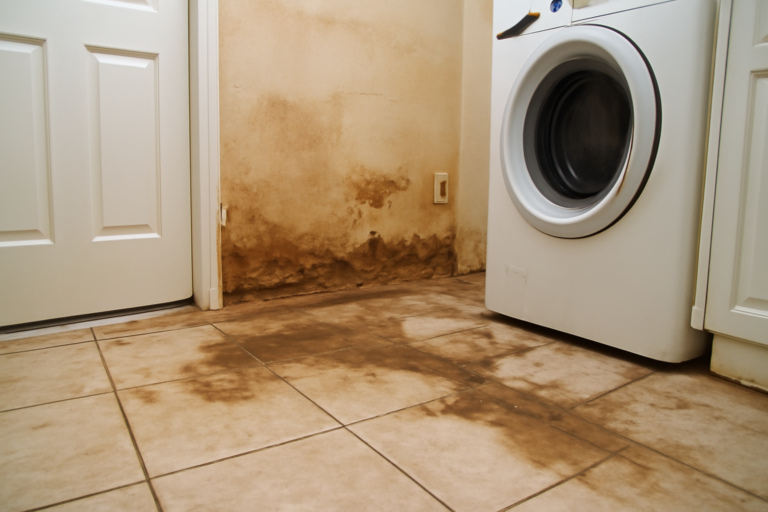
Look for brown or yellow stains on your ceilings, walls, or around windows and doors. These marks mean water has penetrated the surface and is likely saturating the materials behind it, requiring immediate drying attention.
Peeling or Bubbling Paint and Wallpaper
When moisture gets behind paint or wallpaper, it causes the adhesive to fail, leading to peeling, bubbling, or cracking. This is a clear sign that the underlying surface is compromised by water.
Damp or Soggy Carpet and Flooring
If your carpets feel damp to the touch, or if you notice warping or buckling in your hardwood or laminate flooring, water has likely seeped underneath. This type of damage requires prompt water removal to prevent permanent ruin.
Increased Humidity Levels Inside
You might notice your home feels unusually humid, even when your HVAC system is running. Condensation on windows or a general feeling of clamminess can indicate that snowmelt has contributed to excessive indoor moisture.
Cracks in Foundation Walls or Basement Floors
Melting snow can saturate the ground around your foundation, increasing hydrostatic pressure. This pressure can force water through existing cracks or even create new ones in your foundation walls or basement floor, leading to ongoing water intrusion.
Snowmelt Water Damage Restoration vs. DIY: When To Call a Professional
| Situation | DIY? | Call a Pro? | Why |
|---|---|---|---|
| Minor dampness on a basement floor from a small puddle | Yes, if it’s very minor and dries quickly. | Yes, if it persists or is widespread. | Small puddles might dry, but persistent dampness needs professional drying to prevent mold. |
| Visible water stains on a ceiling | No. | Yes. | Ceiling stains mean water has saturated insulation and drywall, requiring specialized drying and assessment. |
| Musty odor in a closet or room | No. | Yes. | Odors indicate mold growth, which needs professional containment and removal. |
| Damp carpet in a small area | Maybe, if it’s a very small amount and you have powerful fans and dehumidifiers. | Yes, for larger areas or if carpet feels saturated. | Deeply wet carpet padding is hard to dry thoroughly DIY and can lead to mold and structural damage. |
| Warped or buckling hardwood floors | No. | Yes. | This indicates significant moisture saturation that requires professional drying and potentially floor replacement. |
| Suspected water in wall cavities or crawl spaces | No. | Yes. | Accessing and drying water within walls or enclosed spaces requires specialized equipment and expertise. |
While minor dampness might be manageable, any situation involving saturated materials, persistent odors, or visible damage to structural components warrants professional attention. Relying on our team ensures that the underlying causes are addressed and your home is dried and restored correctly.
Snowmelt Water Damage Restoration Cost In Covington, GA
The cost of snowmelt water damage restoration in Covington, GA can vary significantly based on the extent of the water intrusion, the size of the affected areas, and the materials that need drying or replacement. These figures are general estimates and an on-site assessment is always needed for an accurate quote.
| Service | Typical Price Range | What Affects Cost |
|---|---|---|
| Emergency Water Extraction | $400 – $1,500 | Amount of standing water, accessibility of the area, and time of day/emergency call-out fees. |
| Structural Drying & Dehumidification | $800 – $3,000+ | Size of the affected space, type of materials (e.g., dense wood vs. drywall), and duration of drying needed. |
| Moisture Monitoring & Assessment | $200 – $600 | Number of visits required, complexity of the affected structure, and advanced equipment used. |
| Mold Prevention/Remediation | $500 – $4,000+ | Severity of mold growth, size of affected areas, and containment procedures needed. |
| Minor Reconstruction (e.g., drywall repair) | $300 – $1,000 per room | Amount of material needing replacement and complexity of the repair work. |
| Full Flooring Replacement (e.g., carpet, laminate) | $500 – $2,500+ | Square footage of the area, type of flooring material chosen, and subfloor preparation needed. |
We provide free, no-obligation estimates after a thorough inspection of your property. Our goal is to give you clear pricing upfront so you know exactly what to expect financially as we work to restore your home.
Service Areas Near Covington, GA
Oxford, Social Circle, Conyers, Lithonia, Stockbridge, McDonough, Locust Grove, Jonesboro, Atlanta, Decatur, Chamblee, Doraville, Norcross, Duluth, Suwanee, Johns Creek, Alpharetta, Roswell, Milton, Sandy Springs.
Common Questions About Snowmelt Water Damage Restoration
What is the biggest risk with snowmelt water damage?
The biggest risk is that the damage is often hidden and develops slowly, leading to significant structural compromise and mold growth before you even notice it. Water can travel far from its entry point, saturating insulation, wood framing, and subflooring. Our team uses specialized equipment to detect and dry all affected areas, ensuring a complete restoration.
How long does snowmelt water damage restoration take?
The timeline depends heavily on the severity of the water intrusion and the materials affected. Emergency water extraction might take a few hours, but the drying process can take several days to a couple of weeks. Reconstruction will add more time. We work diligently to expedite the process while ensuring a thorough job.
Is snowmelt water considered contaminated?
Snowmelt itself can pick up contaminants from the air, roofs, and ground as it melts and flows. Therefore, it’s generally considered non-potable and potentially hazardous. We treat all water intrusion seriously, taking precautions to protect your health and safety during the cleanup and restoration process.
What equipment do you use for drying?
We use a range of professional-grade equipment, including high-speed air movers to circulate air and speed evaporation, powerful dehumidifiers to remove moisture from the air, and specialized tools like moisture meters and thermal cameras to identify hidden water. This advanced technology ensures your property is dried effectively and efficiently.
Should I worry about mold after snowmelt?
Yes, you absolutely should. Mold can begin to grow in as little as 24-48 hours in damp conditions. Prompt water extraction and thorough drying are crucial for mold prevention. If mold is already present, our trained technicians can safely remove it, restoring your home’s air quality and integrity.
Check Our Other Relevant Services

Jerry Johns is a licensed Damage Restoration Expert with over 20 years of hands-on experience helping homeowners and businesses navigate property crises. As a trusted authority in the field, Jerry combines technical precision with a compassionate approach to disaster recovery.
𝗖𝗲𝗿𝘁𝗶𝗳𝗶𝗰𝗮𝘁𝗶𝗼𝗻𝘀: Jerry holds multiple elite IICRC certifications, including Water Damage Restoration (WRT), Applied Microbial Remediation (Mold), Applied Structural Drying (ASD), Odor Control, and Fire and Smoke Restoration.
𝗙𝗮𝘃𝗼𝗿𝗶𝘁𝗲 𝗣𝗮𝘀𝘁𝗶𝗺𝗲: When he isn’t on a job site, Jerry is an avid outdoorsman who enjoys fly fishing and restoring vintage woodworking tools.
𝗕𝗲𝘀𝘁 𝗣𝗮𝗿𝘁 𝗼𝗳 𝘁𝗵𝗲 𝗝𝗼𝗯: Jerry finds the most fulfillment in seeing the relief on a client’s face when their property is finally restored to its pre-loss condition, turning a stressful disaster into a fresh start.