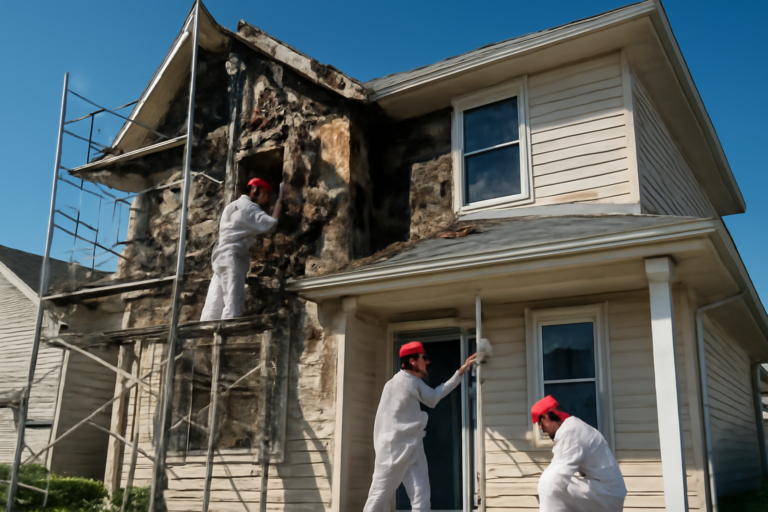
Trusted by 165+ Homeowners
Snowmelt Water Damage Restoration in Lawrenceville, GA
- Over 165 5-Star Reviews
- Free Estimates and Quotes
- 100% Satisfaction Guaranteed
- Child, Family & Pet Safe Steps
- 24-Hour Emergency Service
- Fully Licensed & Insured

Don’t Let Melting Snow Ruin Your Lawrenceville Home
Imagine this: You wake up, and the last remnants of a Lawrenceville, GA snowstorm are melting away outside. But then you notice it. A dark, wet stain spreading on your ceiling, or water pooling on your basement floor. It’s not a leaky pipe; it’s the insidious creep of snowmelt finding its way into your home. This unexpected damage needs immediate attention to prevent further harm. You need a fast, reliable response to get your property dry and secure.
Homeowners around here trust our team when snowmelt causes trouble. With over 165 five-star reviews, people know we deliver real results, not just promises. We understand the unique challenges snowmelt damage presents in our area and respond with precision and care.
- We tackle the hidden moisture that snowmelt leaves behind, preventing mold growth before it starts.
- Our specialized drying equipment works faster than natural evaporation, saving you time and stress.
- We focus on restoring your home’s integrity, not just cleaning up the visible water.
How We Tackle Snowmelt Water Damage
Snowmelt water damage isn’t just about mopping up puddles. It’s about understanding where moisture travels and how to extract it completely. If not handled correctly, residual dampness can lead to costly structural issues and health hazards down the line. Our crews use a systematic, science-based approach to ensure your home is truly dry, not just superficially so. We’ve seen what happens when restoration is rushed, and that’s why we follow strict protocols.
Initial Assessment and Containment
The first step is always a thorough inspection. We use advanced moisture meters to identify all affected areas, even those you can’t see. Then, we set up containment barriers to prevent moisture from spreading further into unaffected parts of your home. This phase is crucial for effective water extraction and minimizing secondary damage.
Water Extraction
Once we know where the water is, we remove it. We utilize powerful, truck-mounted extraction units designed to pull out standing water quickly and efficiently. For deeper saturation, we employ specialized pumps. Our goal is to remove as much bulk water as possible, saving your materials from prolonged contact.
Drying and Dehumidification
This is where the science really comes in. We strategically place industrial-grade air movers and dehumidifiers to accelerate the drying process. These machines create optimal airflow and control humidity levels, drawing moisture out of your structure and air. We monitor humidity and temperature closely, ensuring efficient structural drying.
Monitoring and Moisture Testing
We don’t just set up equipment and leave. Our technicians regularly monitor the drying progress, taking new moisture readings. We continue the drying process until all affected materials are back to their normal moisture content. This meticulous approach guarantees that your home is completely dry and prevents future problems.
Odor Control and Sanitation
Snowmelt water can carry contaminants and leave behind unpleasant odors. After drying, we use specialized cleaning agents and deodorizers to sanitize affected areas and eliminate any lingering smells. This ensures your home is not only dry but also healthy and fresh.
Don’t wait for snowmelt damage to worsen. Call us now for a rapid inspection and begin the restoration process today.

Warning Signs You Need Snowmelt Water Damage Restoration
Catching snowmelt water damage early is key to minimizing disruption and cost. Ignoring subtle signs can lead to much bigger, more expensive problems later. Pay close attention to your home after a thaw; it might be telling you something important.
Musty Odors That Won’t Go Away
A persistent, damp, or mildewy smell, especially in basements, crawl spaces, or lower levels, is a major indicator of hidden moisture. This odor often signals the start of mold growth, which thrives in damp conditions. You need to address the source immediately.
Dark Stains or Discoloration
Look for water spots, rings, or new discoloration on ceilings, walls, or baseboards. These are clear visual cues that water has penetrated your building materials. These stains mean water intrusion has occurred and needs professional drying.
Peeling or Bubbling Paint/Wallpaper
When moisture gets behind paint or wallpaper, it causes the adhesive to fail, leading to peeling or bubbling. This is a sign that the drywall or plaster underneath is saturated. This indicates significant moisture saturation that requires immediate attention.
Sagging Ceilings or Walls
Waterlogged building materials become heavy and can start to sag or warp. A visible dip in a ceiling or a wall that looks like it’s bowing outwards is a serious warning sign. This could mean structural compromise is imminent.
Warped Flooring or Baseboards
Wood floors can swell, cup, or warp when exposed to excess moisture. Similarly, baseboards might pull away from the wall or show signs of damage. These are direct indicators of prolonged water exposure.
Increased Humidity Levels Indoors
Even if you don’t see visible water, a sudden increase in indoor humidity, making the air feel clammy or sticky, can point to moisture problems. You might also notice condensation on windows. This suggests hidden dampness is affecting your air quality.
Snowmelt Water Damage Restoration vs. DIY: When To Call a Professional
| Situation | DIY? | Call a Pro? | Why |
|---|---|---|---|
| Minor condensation on basement window frames after a thaw. | Yes, monitor closely. | Yes, if persistent. | Small amounts can often be wiped away, but continuous moisture needs assessment. |
| Small, shallow puddle (less than 1/4 inch) in an accessible area after snowmelt. | Yes, with supervision. | Yes, if it returns. | You can mop and fan dry, but repeated puddles indicate a recurring issue. |
| Visible water stains on a ceiling or wall. | No. | Yes. | Stains mean water has penetrated materials, requiring specialized drying to prevent mold. |
| Musty odor in the basement or lower levels after a thaw. | No. | Yes. | Odors signal hidden moisture and potential mold growth that needs professional detection and remediation. |
| Sagging ceiling panels or warped walls. | Absolutely not. | Yes, immediately. | This indicates serious structural saturation and potential collapse risk. |
| Water pooling around the foundation after snowmelt. | Yes, for observation. | Yes, if it doesn’t drain quickly. | Foundation pooling can indicate drainage issues that need professional inspection. |
While small, superficial dampness might be manageable with DIY efforts, any signs of deeper water intrusion, structural damage, or persistent odors warrant professional attention. For snowmelt water damage, professional assessment is often the safest route.
Snowmelt Water Damage Restoration Cost In Lawrenceville, GA
The cost of snowmelt water damage restoration in Lawrenceville, GA, varies significantly based on the extent of the water intrusion, the size of the affected area, and the complexity of the drying process. These figures are estimates, and a professional assessment is needed for an accurate quote.
| Service | Typical Price Range | What Affects Cost |
|---|---|---|
| Initial Inspection and Moisture Assessment | $200 – $700 | Complexity of the affected area, use of advanced thermal imaging. |
| Water Extraction (per affected area) | $500 – $2,500 | Volume of water, accessibility, and type of extraction equipment needed. |
| Structural Drying (using air movers and dehumidifiers) | $1,000 – $5,000+ (per day/week) | Size of the space, saturation level, and duration required for complete drying. |
| Deodorizing and Sanitation | $300 – $1,200 | Severity of odors, types of contaminants present, and area coverage. |
| Mold Prevention/Treatment (if needed) | $500 – $3,000+ | Extent of mold growth, type of mold, and required remediation protocols. |
| Reinstallation of minor materials (e.g., baseboards) | $200 – $800 | Square footage and complexity of the repair work. |
Exact pricing is determined after an on-site evaluation by our trained technicians. We offer free, no-obligation estimates to help you understand the scope and cost for your specific situation.
Service Areas Near Lawrenceville, GA
We proudly serve the following communities: Athens, Atlanta, Avondale Estates, Brookhaven, Buford, Chamblee, Clarkston, Conyers, Covington, Decatur, Duluth, Dunwoody, Forest Park, Grayson, Hamilton Mill, Johns Creek, Kennesaw, Lilburn, Lithonia, Loganville, Mableton, Marietta, Norcross, Peachtree City, Powder Springs, Roswell, Sandy Springs, Snellville, Stockbridge, Suwanee, Tucker, Union City, Vinings, Winder, Woodstock.
Common Questions About Snowmelt Water Damage Restoration
What should I do immediately if I find snowmelt water damage?
Your first step is to stop the water source if possible, though with snowmelt, this often means waiting for it to stop. Then, try to remove standing water using buckets or a wet/dry vac if it’s safe to do so. Document the damage with photos or videos for insurance purposes. Finally, call a professional restoration team immediately to prevent further harm and start the drying process.
How long does snowmelt water damage restoration take?
The timeline for drying and restoration varies greatly. Minor incidents might take only 2-3 days, while heavily saturated structures could require a week or more. Our team uses advanced drying equipment and techniques to expedite the process as much as possible while ensuring thoroughness. We’ll provide an estimated timeline after our initial assessment.
Is snowmelt water considered a “clean” water source for damage?
Initially, melting snow might seem clean, but as it travels over surfaces, it can pick up dirt, chemicals, and other contaminants. Therefore, we treat snowmelt water damage as at least a category 2 (gray water) situation, requiring careful handling and sanitation. Our crews use proper safety protocols to clean and restore affected areas.
What kind of equipment do you use for drying?
We utilize a range of industrial-grade equipment, including powerful truck-mounted water extractors, high-velocity air movers, and specialized low-grain refrigerant (LGR) dehumidifiers. We also use thermal imaging cameras and moisture meters to accurately assess and monitor the drying progress. This advanced equipment allows us to dry your property efficiently and effectively.
Will my homeowner’s insurance cover snowmelt water damage in Lawrenceville, GA?
Coverage depends on your specific policy and the cause of the water intrusion. Generally, sudden and accidental damage is covered, but gradual leaks or poor maintenance might not be. It’s always best to contact your insurance provider directly to understand your policy. We can help document the damage for your claim and work with your adjuster to ensure proper restoration.
Check Our Other Relevant Services

Jerry Johns is a licensed Damage Restoration Expert with over 20 years of hands-on experience helping homeowners and businesses navigate property crises. As a trusted authority in the field, Jerry combines technical precision with a compassionate approach to disaster recovery.
𝗖𝗲𝗿𝘁𝗶𝗳𝗶𝗰𝗮𝘁𝗶𝗼𝗻𝘀: Jerry holds multiple elite IICRC certifications, including Water Damage Restoration (WRT), Applied Microbial Remediation (Mold), Applied Structural Drying (ASD), Odor Control, and Fire and Smoke Restoration.
𝗙𝗮𝘃𝗼𝗿𝗶𝘁𝗲 𝗣𝗮𝘀𝘁𝗶𝗺𝗲: When he isn’t on a job site, Jerry is an avid outdoorsman who enjoys fly fishing and restoring vintage woodworking tools.
𝗕𝗲𝘀𝘁 𝗣𝗮𝗿𝘁 𝗼𝗳 𝘁𝗵𝗲 𝗝𝗼𝗯: Jerry finds the most fulfillment in seeing the relief on a client’s face when their property is finally restored to its pre-loss condition, turning a stressful disaster into a fresh start.