Trusted by 165+ Homeowners
Snowmelt Water Damage Restoration in Loganville, GA
- Over 165 5-Star Reviews
- Free Estimates and Quotes
- 100% Satisfaction Guaranteed
- Child, Family & Pet Safe Steps
- 24-Hour Emergency Service
- Fully Licensed & Insured

When Winter’s Thaw Becomes a Homeowner’s Worry
The tell-tale drip from your ceiling, the dampness seeping into your carpets, or that unsettling musty smell after a recent thaw – it’s a scenario no one in Loganville, GA, wants to face. You notice a wet spot spreading across your ceiling, or perhaps water pooling near your foundation. It’s not a storm, it’s not a burst pipe you can easily trace. It’s the silent creep of snowmelt finding its way into your home, and it needs immediate attention. This specific type of damage can be sneaky, often starting small but quickly turning into a significant headache if left unchecked.
With over 165 five-star reviews from your neighbors, it’s clear why so many homeowners trust our team when this particular problem arises. We understand the unique challenges that snowmelt can present in our area. You’re not just looking for someone to clean up a mess; you need a local team that knows exactly how to deal with the science of thawing snow and ice seeping into your structure. We provide reliable, swift service that gets your home back to normal, fast.
- We specialize in pinpointing the exact source of snowmelt intrusion, ensuring every affected area is identified and treated.
- Our advanced drying techniques prevent long-term structural damage and the growth of mold and mildew often associated with persistent moisture.
- You’ll receive clear communication throughout the entire process, so you always know what to expect and when.
How We Tackle Snowmelt Water Damage
When snowmelt starts causing trouble, a hasty cleanup just won’t cut it. Properly addressing this type of water damage requires a methodical, science-backed approach. We deploy specialized equipment and follow strict protocols to ensure your home is not only dried but also restored to its pre-loss condition. Cutting corners here can lead to hidden moisture issues, creating costly problems down the road, including potential structural compromise and unhealthy indoor environments. We’re here to make sure that doesn’t happen to you.
Inspection and Assessment
Our process begins with a thorough inspection using advanced moisture meters to detect every bit of hidden water. We’ll map out the full extent of the damage, from visible saturation to unseen dampness within walls and under flooring. This initial assessment is crucial for planning the most effective restoration strategy.
Water Extraction
Once we’ve identified the scope, we immediately begin extracting standing water with powerful, commercial-grade pumps and vacuums. This step is vital to prevent further absorption into your building materials. We work quickly to remove as much water as possible, minimizing saturation.
Controlled Drying
This is where the science really comes into play. We set up specialized drying equipment, including air movers and dehumidifiers, to create an optimal drying environment. This controlled process accelerates evaporation and removes moisture from the air, protecting your property from secondary damage.
Containment and Air Filtration
To prevent the spread of airborne contaminants and ensure healthy air quality, we use containment barriers. High-efficiency air scrubbers are deployed to capture microscopic particles, ensuring the air in your home is clean and safe. This step is essential for occupant health.
Restoration and Rebuilding
After the drying process is complete and moisture levels are back to normal, our team will handle any necessary repairs. This could involve replacing damaged drywall, flooring, or insulation. Our goal is to return your home to its original, safe condition.
Don’t let melting snow turn into lasting damage. Call us today for a fast, professional response to your snowmelt water issues. We’re ready to help you secure your home right now.

Warning Signs You Need Snowmelt Water Damage Restoration
Catching the signs of snowmelt water intrusion early can save you a lot of money and prevent much bigger issues down the line. Water can seep in unnoticed for days or even weeks, silently causing damage. Being aware of these subtle indicators is your first line of defense against costly repairs.
Musty Odors That Won’t Go Away
That damp, earthy smell that lingers even after the snow has melted is a classic sign of moisture. It often indicates water is trapped behind walls, under floors, or in insulation, creating a breeding ground for mold. Ignoring this smell means ignoring the problem.
Visible Water Stains or Discoloration
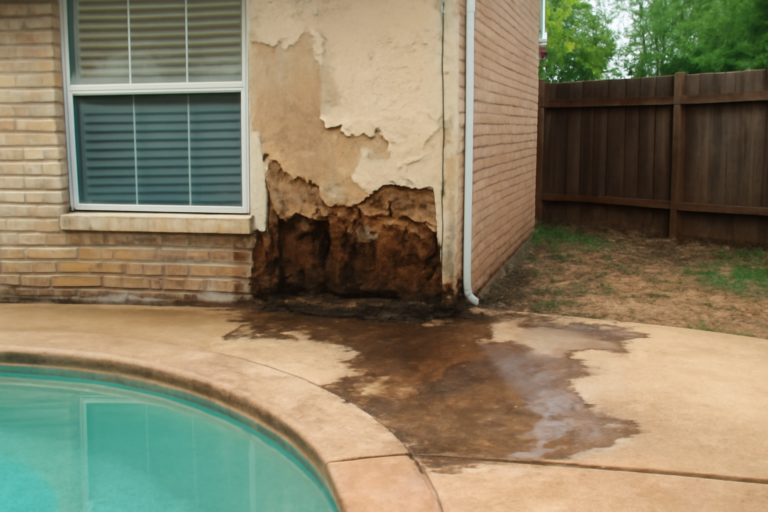
Look for brown or yellow rings on ceilings, walls, or even the underside of your roof decking. These are direct indicators that water has penetrated your building materials and is starting to break them down. These spots are a clear warning sign.
Peeling or Bubbling Paint and Wallpaper
When moisture gets behind finishes, it can cause paint to blister and wallpaper to peel away from the surface. This is a visible sign that the integrity of your wall coverings is compromised by trapped water. It’s a visual cue of trouble.
Sagging Ceilings or Walls
In more severe cases, the accumulation of water can saturate drywall and insulation to the point where it begins to sag or bow. This indicates significant water saturation and a potential structural weakness that needs immediate professional assessment.
Increased Humidity Indoors
You might notice your home feels unusually damp or humid, even when the outdoor temperature is cool. This can be a sign that moisture from melting snow is trapped within your structure and slowly evaporating into your living space. It’s an uncomfortable symptom you shouldn’t overlook.
Pooling Water Around Your Foundation
If you see water collecting around the base of your house after snowmelt, it’s a strong indication that your drainage system or foundation may be compromised. This water can then find its way into your basement or crawl space, leading to significant water damage.
Snowmelt Water Damage Restoration vs. DIY: When To Call a Professional
| Situation | DIY? | Call a Pro? | Why |
|---|---|---|---|
| Small damp spot on ceiling from a single thawing event | Yes, if it dries quickly and no other signs appear. | Yes, if the spot reappears or grows. | Hidden water can still cause damage over time. |
| Standing water in basement or crawl space after thaw | No. | Yes. | Requires specialized equipment to remove and dry effectively. |
| Musty odors developing in your home after snowmelt | No. | Yes. | Indicates hidden moisture and potential mold growth. |
| Visible mold growth on walls or ceilings | No. | Yes. | Requires professional containment and remediation for safety. |
| Dampness in multiple rooms or areas of your home | No. | Yes. | Suggests a widespread issue needing a systematic approach. |
| Concerns about structural integrity or hidden damage | No. | Yes. | Professionals have the tools to assess and repair structural issues. |
While minor, quickly evaporating dampness might be something you can monitor yourself, any persistent moisture, strong odors, or visible signs of damage warrant professional attention. It’s about protecting your investment and ensuring a healthy living environment.
Snowmelt Water Damage Restoration Cost In Loganville, GA
The cost of snowmelt water damage restoration in Loganville, GA, can vary widely depending on the extent of the water intrusion, the size of the affected areas, and the specific materials impacted. These figures are general estimates, not binding quotes. We provide free on-site estimates to give you an accurate picture of the costs for your unique situation.
| Service | Typical Price Range | What Affects Cost |
|---|---|---|
| Initial Inspection & Assessment | $250 – $750 | Complexity of the issue, need for specialized tools. |
| Water Extraction | $500 – $2,500 | Amount of standing water, accessibility of affected areas. |
| Drying and Dehumidification (per day/equipment) | $300 – $1,000 | Duration of drying needed, number of units required. |
| Mold Testing and Remediation | $750 – $4,000+ | Severity of mold growth, square footage affected. |
| Minor Structural Repairs (e.g., drywall, insulation) | $500 – $3,000 | Amount of material to replace, labor involved. |
| Full Water Damage Restoration Project | $2,500 – $15,000+ | Overall scope of damage, number of services needed. |
Understanding these costs upfront helps you make informed decisions. Remember, prompt action often leads to lower overall repair bills. We’re committed to providing transparent pricing and exceptional value.
Service Areas Near Loganville, GA
Grayson, Snellville, Lawrenceville, Lilburn, Tucker, Norcross, Suwanee, Duluth, Johns Creek, Alpharetta, Roswell, Milton, Sandy Springs, Atlanta, Chamblee, Doraville, Clarkston, Decatur, Stone Mountain, Covington.
Common Questions About Snowmelt Water Damage Restoration
What’s the difference between snowmelt water damage and other types of water damage?
Snowmelt water damage specifically comes from the natural thawing of accumulated snow and ice, often seeping in through roofs, foundations, or walls. Other types might include burst pipes or appliance leaks. While the water source differs, the need for professional drying and restoration is often the same to prevent long-term issues like mold. We have the expertise to handle all forms of water intrusion.
How quickly do I need to address snowmelt water damage?
You need to act immediately. Even a small amount of trapped moisture can begin to cause damage within 24-48 hours, leading to mold growth and structural weakening. The faster we can begin the drying process, the less extensive and costly the restoration will be for your home.
Will my homeowner’s insurance cover snowmelt water damage?
Coverage varies greatly depending on your specific policy. Many policies cover sudden and accidental water damage, but exclusions can apply. It’s best to review your policy or call your provider. We can help document the damage for your insurance claim, ensuring you have the necessary evidence.
How long does snowmelt water damage restoration typically take?
The timeline depends heavily on the severity of the damage. Simple drying might take 2-3 days, while more extensive saturation requiring material removal and rebuilding could take weeks. We use advanced equipment to expedite the drying process as much as possible.
Can snowmelt water damage lead to health problems?
Yes, if left unaddressed. Trapped moisture creates an ideal environment for mold and bacteria to grow, which can release spores into the air. Inhaling these can cause respiratory issues and allergic reactions. Our team prioritizes air quality control during restoration to ensure your home is safe and healthy.
Check Our Other Relevant Services

Jerry Johns is a licensed Damage Restoration Expert with over 20 years of hands-on experience helping homeowners and businesses navigate property crises. As a trusted authority in the field, Jerry combines technical precision with a compassionate approach to disaster recovery.
𝗖𝗲𝗿𝘁𝗶𝗳𝗶𝗰𝗮𝘁𝗶𝗼𝗻𝘀: Jerry holds multiple elite IICRC certifications, including Water Damage Restoration (WRT), Applied Microbial Remediation (Mold), Applied Structural Drying (ASD), Odor Control, and Fire and Smoke Restoration.
𝗙𝗮𝘃𝗼𝗿𝗶𝘁𝗲 𝗣𝗮𝘀𝘁𝗶𝗺𝗲: When he isn’t on a job site, Jerry is an avid outdoorsman who enjoys fly fishing and restoring vintage woodworking tools.
𝗕𝗲𝘀𝘁 𝗣𝗮𝗿𝘁 𝗼𝗳 𝘁𝗵𝗲 𝗝𝗼𝗯: Jerry finds the most fulfillment in seeing the relief on a client’s face when their property is finally restored to its pre-loss condition, turning a stressful disaster into a fresh start.