Trusted by 165+ Homeowners
Storm Damage Restoration in Adairsville, GA
- Over 165 5-Star Reviews
- Free Estimates and Quotes
- 100% Satisfaction Guaranteed
- Child, Family & Pet Safe Steps
- 24-Hour Emergency Service
- Fully Licensed & Insured

When the Skies Open Up: Storm Damage Restoration in Adairsville, GA
You walk into your living room after a fierce storm, and your heart sinks. Water is dripping from the ceiling, pooling on your floor, and a strong, damp smell fills the air. Maybe a tree branch punched through your roof, or high winds ripped away shingles, letting the rain pour in. This isn’t just an inconvenience; it’s a critical situation that needs immediate attention to prevent further damage. Dealing with storm damage requires a quick, skilled response to protect your home and belongings. You need a team that understands the science of drying and rebuilding, right here in Adairsville, GA.
Locally, homeowners have turned to our team more than 165 times over, giving us over 165 five-star reviews. They trust us because we don’t just clean up; we get to the root of the problem using proven methods. When your property is hit by severe weather, you want a team that shows up fast and knows exactly what to do. We’ve helped countless neighbors in your neighborhood get their homes back to normal after wind, hail, or heavy rain.
- We use advanced moisture detection tools to find every bit of hidden water, ensuring a complete dry-out.
- Our specialized drying equipment speeds up the process, minimizing the risk of mold growth and structural issues.
- We handle everything from initial damage assessment to the final repairs, making the restoration as smooth as possible for you.
How Storm Damage Restoration Actually Works
Proper storm damage restoration is more than just mopping up water. It’s a science that involves understanding how water permeates building materials and how to remove it efficiently and safely. If not done correctly, lingering moisture can lead to serious structural problems and unhealthy mold growth down the line. Our crews follow strict protocols to ensure your property is not only dry but also restored to its pre-storm condition. We use specific equipment and techniques designed for different types of storm-related damage, ensuring the best possible outcome for your home.
Initial Damage Assessment
The moment we arrive, our technicians begin a thorough inspection. We use specialized equipment like moisture meters and thermal cameras to identify all affected areas, even those you can’t see. This detailed assessment is crucial for creating an effective restoration plan and understanding the full scope of the damage. We document everything meticulously for your records and insurance needs.
Water Extraction and Removal
Once we know where the water is, we remove it fast. We utilize powerful truck-mounted vacuums and submersible pumps to extract standing water. This step is critical to prevent further saturation and damage to your flooring, walls, and personal belongings. The faster we extract water, the less time it has to cause long-term issues.
Structural Drying and Dehumidification
Extracting standing water is just the first phase. The real work involves drying out the building materials themselves. We deploy industrial-grade air movers and dehumidifiers to create optimal drying conditions. We monitor humidity and temperature levels closely, taking precise moisture readings to ensure all materials are dried to safe, acceptable levels. This careful process is key to preventing mold.
Containment and Air Quality Control
During the drying process, we often set up containment barriers. This helps to keep affected areas isolated, preventing the spread of moisture and potential contaminants. We also use air scrubbers with HEPA filters to remove airborne particles and improve indoor air quality, making your home healthier during and after the restoration. This containment is vital for effective drying and preventing cross-contamination.
Debris Removal and Structural Repairs
Storms can leave behind significant debris, from fallen branches to damaged building materials. Our teams carefully remove all damaged items and debris, preparing the area for repair. We then expertly handle any necessary structural repairs, whether it’s fixing a hole in the roof, replacing damaged drywall, or restoring compromised framing. Our goal is to rebuild your home securely and aesthetically.
Don’t let storm damage linger. Call our team now to get a fast, professional assessment. We’re ready to help you navigate this challenging time and start the restoration process immediately.

Warning Signs You Need Storm Damage Restoration
Sometimes, storm damage isn’t immediately obvious. Small issues can quickly become big problems if left unaddressed. Recognizing these subtle signs can save you considerable time and money in the long run, preventing more extensive repairs and potential health hazards. Pay close attention to your home after a storm; early detection is your best defense.
Musty Odors That Won’t Go Away
If you notice a persistent damp or mildew smell, especially in areas that weren’t directly exposed to visible water, it’s a strong indicator of hidden moisture. This smell often means mold is starting to grow behind your walls or under your flooring. You need a professional inspection to find and eliminate the source.
Visible Water Stains or Discoloration
Look for new water spots, rings, or discoloration on ceilings, walls, or around windows and doors. These are clear signs that water has penetrated your home’s exterior or interior. Even small stains can indicate a larger issue with your roof, siding, or seals that requires immediate attention from our crews.
Peeling or Bubbling Paint and Wallpaper
Moisture trapped behind paint or wallpaper can cause it to bubble, blister, or peel away from the surface. This is a visible symptom of water intrusion that compromises the integrity of your finishes. Addressing this early prevents further delamination and makes repairs much simpler and less costly.
Soft or Sagging Drywall
If you notice that sections of your drywall feel soft, spongy, or seem to be sagging inward, it’s a serious sign of water saturation. The gypsum core of drywall can break down when repeatedly wet, weakening its structure. This indicates significant water damage that needs prompt professional intervention.
Warped or Damaged Flooring
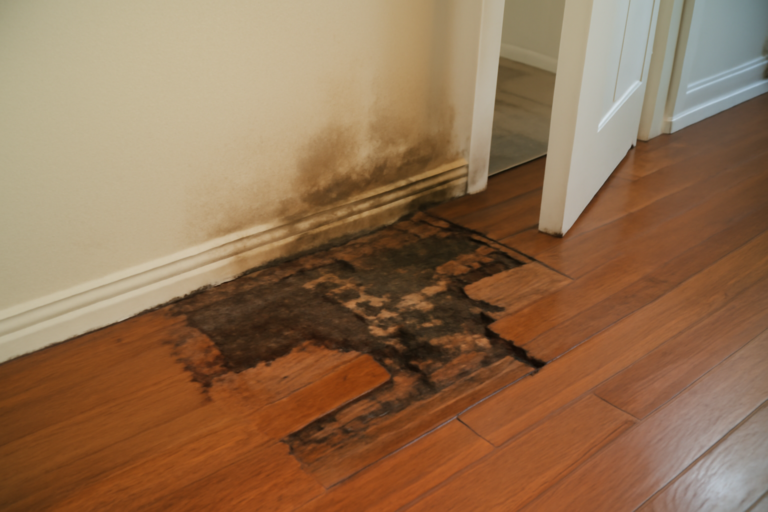
Wood or laminate flooring can warp, buckle, or cup when exposed to moisture. Even tile grout can become compromised. If your floors look uneven, have raised seams, or show signs of damage after a storm, it’s time to call in experts. We can assess the subfloor and ensure it’s completely dry before any new flooring is installed.
Changes in Electrical Fixtures or Outlets
Water and electricity are a dangerous combination. If you notice flickering lights, outlets that feel damp, or any unusual electrical behavior after a storm, treat it as an emergency. Water damage near electrical systems poses a significant safety risk and requires immediate attention from qualified professionals.
Storm Damage Restoration vs. DIY: When To Call a Professional
| Situation | DIY? | Call a Pro? | Why |
|---|---|---|---|
| Minor surface water on a hard floor (e.g., tile, linoleum) with no visible damage to subfloor. | Yes | No | Easy to clean up and dry with fans and towels. |
| A few wet shingles on the ground after a windstorm. | Yes | No | Can be safely replaced with basic tools and caution. |
| Small, isolated water stains on a ceiling that are not actively dripping. | Maybe | Yes | Could indicate a small roof leak needing professional repair to prevent bigger issues. |
| Standing water deeper than a quarter-inch in multiple rooms. | No | Yes | Requires specialized extraction equipment to prevent long-term damage and mold. |
| Visible mold growth or persistent musty odors after water intrusion. | No | Yes | Mold remediation requires containment and specific treatments for safety and effectiveness. |
| Damage to structural elements (e.g., exposed beams, compromised walls). | No | Yes | Structural integrity is critical and requires expert assessment and repair. |
| Any electrical system or appliance showing signs of water damage. | Absolutely Not | Yes | Extreme safety hazard; requires immediate professional attention. |
While small, superficial issues might be manageable for a DIYer, anything involving significant water intrusion, structural compromise, or potential health hazards demands professional expertise. For true Storm Damage Restoration, especially when water has saturated drywall, insulation, or subflooring, calling our team is the smartest choice to ensure a complete and safe recovery.
Storm Damage Restoration Cost In Adairsville, GA
The cost for storm damage restoration in Adairsville, GA can vary widely. Factors like the size of the affected area, the type and extent of the damage, and the specific materials affected all play a role. These price ranges are estimates and do not include specialized repairs like major structural rebuilding or extensive mold remediation. Accurate pricing requires a detailed on-site assessment.
| Service Aspect | Typical Price Range | What Affects Cost |
|---|---|---|
| Initial Inspection and Assessment | $300 – $1,000 | Complexity of damage, need for specialized equipment like thermal cameras. |
| Water Extraction (per area) | $500 – $2,500 | Volume of water, size of the space, accessibility. |
| Structural Drying and Dehumidification | $1,000 – $5,000+ | Size of the affected area, duration of drying needed, number of units deployed. |
| Mold Prevention Treatment | $400 – $1,500 | Size of area treated, type of treatment used. |
| Debris Removal | $300 – $2,000+ | Volume and type of debris, disposal fees. |
| Minor Structural Repairs (e.g., drywall patching, shingle replacement) | $500 – $3,000+ | Scope of repair, materials needed, labor involved. |
These figures provide a general idea, but your specific situation will determine the final cost. We always recommend getting a free, no-obligation estimate from our team to understand the exact investment needed for your storm damage restoration.
Service Areas Near Adairsville, GA
Cartersville, Emerson, Kingston, Adairsville, Calhoun, Dalton, Resaca, Ranger, Plainville, Fairmount, White, Cassville, Euharlee, Taylorsville, Acworth, Kennesaw, Marietta, Woodstock, Canton, Holly Springs
Common Questions About Storm Damage Restoration
How quickly do I need to address storm damage?
You should address storm damage as soon as possible, ideally within 24-48 hours. The longer water sits, the more damage it causes, leading to structural weakening and the increased risk of mold growth. Our team is available to respond quickly, minimizing further destruction and starting the restoration process efficiently.
Will my homeowner’s insurance cover storm damage restoration?
Often, homeowner’s insurance policies cover storm damage, especially wind and hail. However, coverage details can vary significantly, and some policies may have specific deductibles or limitations. We work closely with your insurance adjuster, providing detailed documentation and estimates to help you navigate the claims process and ensure you receive the coverage you’re entitled to.
How long does storm damage restoration typically take?
The timeline for storm damage restoration varies greatly depending on the severity of the damage. Minor issues might be resolved in a few days, while extensive flooding or structural damage could take weeks. Our primary goal is to dry your property thoroughly, which usually takes 3-5 days, followed by any necessary repairs. We strive for efficient restoration without compromising quality.
What are the health risks associated with storm damage and mold?
Storm damage can introduce several health risks, most notably mold growth. Mold can cause respiratory problems, allergic reactions, and other health issues, especially for those with pre-existing conditions. Our technicians are trained to identify and mitigate mold hazards safely, ensuring your home’s air quality is restored and the environment is healthy for your family.
What kind of equipment do you use for storm damage drying?
We utilize a range of professional-grade equipment, including high-powered air movers to circulate air and speed up evaporation, industrial dehumidifiers to remove moisture from the air, and specialized moisture meters to track drying progress. We also use containment systems to isolate affected areas and air scrubbers to improve air quality. This advanced equipment ensures a thorough and efficient drying process.
Check Our Other Relevant Services

Jerry Johns is a licensed Damage Restoration Expert with over 20 years of hands-on experience helping homeowners and businesses navigate property crises. As a trusted authority in the field, Jerry combines technical precision with a compassionate approach to disaster recovery.
𝗖𝗲𝗿𝘁𝗶𝗳𝗶𝗰𝗮𝘁𝗶𝗼𝗻𝘀: Jerry holds multiple elite IICRC certifications, including Water Damage Restoration (WRT), Applied Microbial Remediation (Mold), Applied Structural Drying (ASD), Odor Control, and Fire and Smoke Restoration.
𝗙𝗮𝘃𝗼𝗿𝗶𝘁𝗲 𝗣𝗮𝘀𝘁𝗶𝗺𝗲: When he isn’t on a job site, Jerry is an avid outdoorsman who enjoys fly fishing and restoring vintage woodworking tools.
𝗕𝗲𝘀𝘁 𝗣𝗮𝗿𝘁 𝗼𝗳 𝘁𝗵𝗲 𝗝𝗼𝗯: Jerry finds the most fulfillment in seeing the relief on a client’s face when their property is finally restored to its pre-loss condition, turning a stressful disaster into a fresh start.