Trusted by 165+ Homeowners
Storm Damage Restoration in Jefferson, GA
- Over 165 5-Star Reviews
- Free Estimates and Quotes
- 100% Satisfaction Guaranteed
- Child, Family & Pet Safe Steps
- 24-Hour Emergency Service
- Fully Licensed & Insured

When the Sky Opens Up: Storm Damage Restoration in Jefferson, GA
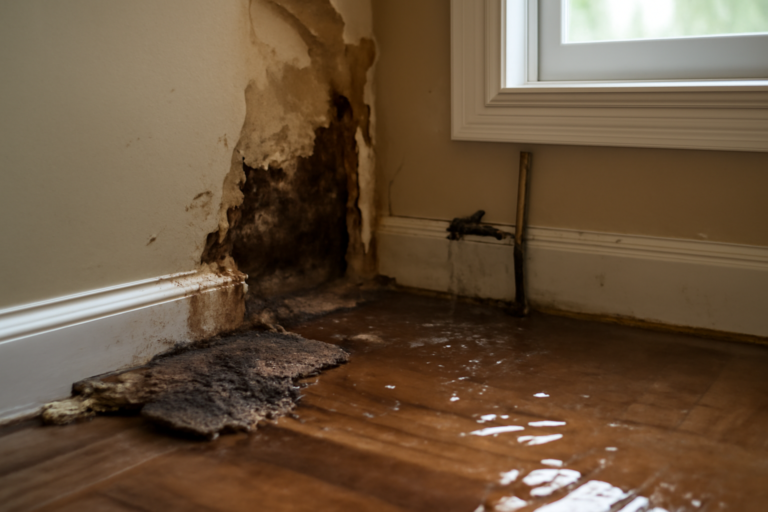
You walk into your living room, and there it is. Water pooling on the floor, a damp smell hanging heavy in the air. Maybe it’s the sound of dripping that led you here, or a visible crack in your ceiling after the latest storm passed through Jefferson, GA. This immediate aftermath is stressful, and you need a clear plan. Your property has taken a hit, and swift action is critical to prevent further damage. We understand how unsettling this can be.
Homeowners across the area trust our team when storms hit hard. We’ve helped over 165 clients get back on their feet, with consistently positive feedback. You’re not just getting a service; you’re getting neighbors who understand the local climate and its challenges. We’re committed to providing reliable, fast storm damage restoration that gets your home dry and secure again.
- Rapid Water Extraction: We use specialized pumps and vacuums to remove standing water quickly, preventing long-term structural issues and mold growth.
- Targeted Drying Technology: Our advanced equipment, like industrial air movers and dehumidifiers, precisely targets moisture in walls, floors, and ceilings to ensure complete drying.
- Preventing Secondary Damage: We focus on stopping mold, mildew, and rot before they start, safeguarding your home’s integrity and your family’s health.
The Science of Drying: Our Storm Damage Restoration Process
When storm water invades your home, it’s more than just a mess; it’s a complex moisture problem. Simply mopping up won’t cut it. Our technicians follow a strict, science-backed process to ensure your home is not only dry but also healthy. Cutting corners here can lead to serious problems down the line, like hidden mold and structural weakness. We use precise measurements and proven methods to restore your property effectively.
Initial Inspection and Assessment
We arrive quickly to conduct a thorough assessment of the storm damage. Using moisture meters and thermal imaging cameras, we pinpoint exactly where water has penetrated. This detailed damage evaluation is the first step in creating your custom restoration plan. We identify saturated materials and potential hazards.
Water Extraction
Standing water is a breeding ground for mold and bacteria. Our powerful truck-mounted and portable extraction units remove bulk water immediately from carpets, flooring, and structural cavities. We work to extract as much water as possible, as fast as possible, to minimize saturation.
Drying and Dehumidification
Once the bulk water is gone, our work isn’t finished. We deploy industrial-grade air movers and dehumidifiers to accelerate the evaporation process. These machines create controlled airflow and remove moisture from the air, drying out structural materials like wood, drywall, and insulation. This is a critical drying phase.
Odor Control
Storm water can carry unpleasant odors from the environment. We use specialized deodorizing agents and equipment, like ozone generators, to neutralize and eliminate any lingering smells. Our goal is to leave your home smelling fresh and clean, restoring a comfortable environment.
Structural Drying and Reconstruction
In some cases, materials may be too damaged to salvage. We carefully remove and replace saturated drywall, insulation, or flooring. Our team ensures that all affected areas are dried to industry standards before any reconstruction begins, securing your home’s structure.
Don’t let storm damage linger. Call us today to get our team on-site. We’ll start the immediate restoration process to protect your home. Acting fast saves you from bigger headaches later.

Warning Signs You Need Storm Damage Restoration
Sometimes, storm damage isn’t immediately obvious. Small leaks can turn into big problems if left untreated. Recognizing these warning signs early can save you significant time and money. Early detection is key to preventing widespread issues and protecting your investment. Don’t ignore these subtle indicators of trouble.
Musty Odors That Won’t Go Away
A persistent damp or musty smell, especially after rain or high humidity, is a strong indicator of hidden moisture. This is often the first sign of mold growth, which thrives in damp environments. You need to address the source of the moisture.
Visible Water Stains or Discoloration
Look for yellow or brown stains on ceilings, walls, or around windows and doors. These are clear signs that water has seeped into your building materials. These marks indicate water intrusion that needs professional attention.
Peeling or Bubbling Paint and Wallpaper
When moisture gets behind paint or wallpaper, it can cause it to bubble, peel, or blister. This is a visual cue that the underlying material is compromised. This damage shows saturation of the wall surface.
Sagging Ceilings or Walls
If you notice any bowing, sagging, or warping in your drywall or ceiling panels, it’s a serious sign. This indicates that the materials are saturated and losing structural integrity. This is a critical warning that needs immediate assessment.
Increased Humidity Indoors
A sudden increase in indoor humidity that doesn’t dissipate can mean there’s an ongoing water issue. You might notice condensation on windows or a generally clammy feeling in the air. This signals hidden moisture.
Mold or Mildew Growth
Any visible signs of mold or mildew, often appearing as black, green, or white fuzzy patches, mean there’s been standing water or persistent dampness. This is a health hazard that requires professional remediation.
Storm Damage Restoration vs. DIY: When To Call a Professional
| Situation | DIY? | Call a Pro? | Why |
|---|---|---|---|
| Minor surface water on hard floors after a small leak | Yes, with proper ventilation and drying. | No | You can likely manage small puddles and air dry the area yourself. |
| Standing water deeper than an inch in a finished room | No | Yes | Bulk water extraction requires specialized equipment to prevent long-term damage. |
| Visible water stains on the ceiling | No | Yes | This indicates water has penetrated insulation and drywall, needing thorough drying and repair. |
| Musty odors developing after a storm | No | Yes | Odors often mean mold is growing behind walls or under floors, requiring professional mold remediation. |
| Damaged roof shingles or siding | No | Yes | Structural damage needs immediate repair by a roofing or siding contractor to prevent further water intrusion. |
| Dampness in crawl spaces or basements after heavy rain | Maybe, for very minor dampness | Yes | These areas are prone to hidden mold and structural issues that need expert assessment and drying. |
For anything beyond minor surface dampness, calling a professional for storm damage restoration is the safest bet. Our technicians have the specialized equipment and training to handle complex water issues. They can ensure your home is properly dried and prevent future problems like mold or structural decay.
Storm Damage Restoration Cost In Jefferson, GA
The cost of storm damage restoration in Jefferson, GA varies greatly depending on the severity of the storm, the extent of the water damage, and the size of the affected areas. These figures are estimates and can change based on specific circumstances. Getting an accurate quote requires an on-site assessment.
| Service | Typical Price Range | What Affects Cost |
|---|---|---|
| Emergency Water Extraction | $500 – $2,500 | Volume of water, accessibility of the area, and time required. |
| Structural Drying (Air Movers & Dehumidifiers) | $1,000 – $5,000 | Duration of drying needed, number of units required, and square footage. |
| Mold Remediation (if secondary damage occurs) | $1,000 – $6,000+ | Severity of mold growth, containment needs, and area affected. |
| Drywall Repair and Replacement | $200 – $600 per panel | Complexity of the repair, finishing work required (sanding, painting). |
| Flooring Replacement (e.g., carpet, laminate) | $500 – $3,000+ | Type of flooring, square footage, and subfloor condition. |
| Deodorization Treatments | $200 – $800 | Size of the affected space and the intensity of odors to be neutralized. |
These are general estimates to help you understand potential costs. For a precise understanding of what your specific storm damage restoration will cost, we offer free, no-obligation estimates. Our team will assess your property and provide a detailed breakdown. Transparency in pricing is important to us.
Service Areas Near Jefferson, GA
We proudly serve Jefferson, GA and the surrounding communities, including Auburn, Braselton, Buford, Flowery Branch, Hoschton, Jefferson, John’s Creek, Lawrenceville, Lilburn, Loganville, Monroe, Norcross, Oakwood, Pendergrass, Rest Haven, Royston, Snellville, Suwanee, Talmo, Winder, and Winterville.
Common Questions About Storm Damage Restoration
What should I do immediately after discovering storm damage?
First, ensure your safety. If there’s electrical damage or structural instability, evacuate the area. Then, document the damage with photos or videos for insurance purposes. Try to stop the source of the water if it’s safe to do so. Contacting us immediately is crucial for starting the restoration process quickly and preventing further damage.
How long does storm damage restoration typically take?
The timeline varies significantly based on the extent of the damage. Minor issues might be resolved in a few days, while severe flooding can take weeks. Our technicians work efficiently to dry and restore your property as quickly as possible, while adhering to proper drying protocols.
Is storm damage restoration covered by homeowner’s insurance?
Often, yes. Most homeowner’s insurance policies cover damage caused by storms, including wind and water. We work closely with your insurance company to help navigate the claims process and ensure proper documentation for your claim. We help make the insurance process smoother.
What equipment do you use for drying?
We use a range of professional-grade equipment, including high-speed air movers to increase airflow, industrial dehumidifiers to remove moisture from the air, and specialized moisture meters to track drying progress. We also use containment systems to isolate affected areas. Our advanced equipment ensures thorough drying and prevents secondary damage.
Can storm damage lead to mold problems?
Absolutely. If water is not properly extracted and structural materials are not thoroughly dried within 24-48 hours, mold can begin to grow. That’s why swift professional intervention is so important. We prioritize rapid drying to prevent mold and safeguard your home’s health.
Check Our Other Relevant Services
Serving Jefferson, GA And Nearby Areas