Trusted by 165+ Homeowners
Structural Repair Water Damage in Bogart, GA
- Over 165 5-Star Reviews
- Free Estimates and Quotes
- 100% Satisfaction Guaranteed
- Child, Family & Pet Safe Steps
- 24-Hour Emergency Service
- Fully Licensed & Insured

When Water Attacks Your Home’s Structure in Bogart, GA
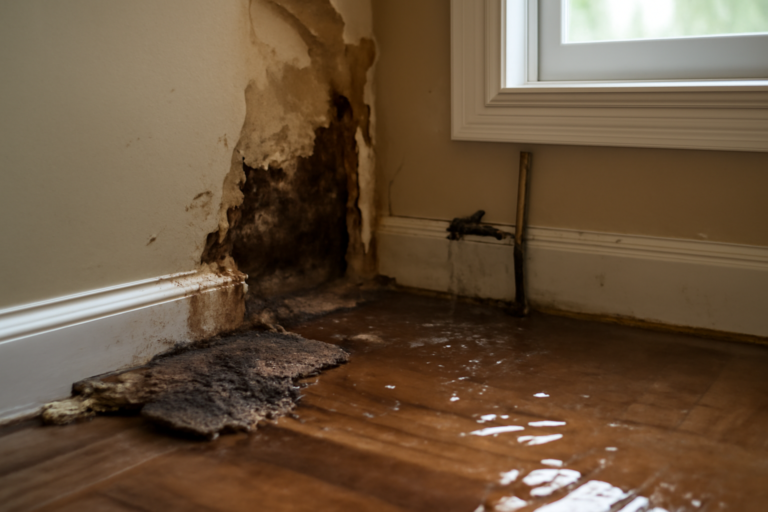
You walk into your basement and a strange smell hits you. It’s not just damp; it’s a heavy, stale odor that makes your nose wrinkle. Then you notice it – a soft spot in the drywall near the foundation, or a faint, dark line creeping up the base of a support beam. It’s a sinking feeling, knowing that water isn’t just sitting on the surface; it’s gone deep, threatening the very bones of your home. This is where structural integrity becomes your immediate concern, and you need a team that understands the science of rebuilding after water damage.
You’ve probably heard from neighbors around here that when water causes real damage, you need more than just fans and dehumidifiers. With over 165 five-star reviews, homeowners trust us because we get to the root of the problem, focusing specifically on repairing the hidden structural damage that water leaves behind. We understand that your Bogart, GA home is a significant investment, and protecting its foundation and framework is our top priority.
- We use advanced moisture detection tools to pinpoint exactly where water has weakened your home’s framing, subflooring, and foundation walls, ensuring no hidden damage is missed.
- Our targeted drying techniques go beyond surface-level evaporation, employing specialized equipment to draw moisture out of dense materials like wood and concrete, preventing long-term rot and mold growth.
- We meticulously document the entire structural repair process, providing you with a clear record of the work performed and the science behind our methods for your records and insurance.
How We Tackle Structural Repair Water Damage
When water infiltrates your home, it doesn’t just stay in one place. It wicks into wood, seeps into concrete, and can compromise the very framework that holds your house together. Ignoring this deep-seated damage is a mistake; it can lead to costly repairs down the line, structural failure, and health hazards. Our approach to structural repair is methodical and science-driven, using precise measurements and controlled drying environments to restore your home’s integrity. We believe in doing it right the first time, so you don’t have to worry about recurring problems.
Initial Assessment and Containment
First, our technicians use specialized infrared cameras and moisture meters to map out the full extent of the water intrusion. Identifying hidden moisture is critical. We then set up containment barriers to prevent the spread of moisture and potential contaminants to unaffected areas of your property. This initial step ensures we understand the scope before any physical repairs begin.
Water Extraction and Dehumidification
We then deploy powerful water extraction equipment to remove standing water quickly. Following extraction, we introduce industrial-grade dehumidifiers and air movers designed for deep drying. These units work to lower the humidity in the air and create airflow that encourages moisture to evaporate from structural materials. Accelerated drying is key to preventing secondary damage.
Structural Drying and Moisture Monitoring
This is where the science really comes into play for structural repair. We monitor moisture levels in wood framing, subfloors, and wall cavities using specialized meters. We adjust our drying equipment, like LGR dehumidifiers and specialized drying chambers, to specifically target these saturated structural components. Consistent moisture monitoring ensures we reach safe drying goals.
Repairing Damaged Structural Components
Once materials are dried to industry standards, we assess the damage. If wood framing, joists, or beams have been compromised beyond repair, we’ll carefully remove and replace them. We use proper bracing techniques and ensure all repairs meet or exceed building codes. Restoring structural integrity is our core mission here.
Reconstruction and Finishing
After the structural repairs are complete and verified dry, we move into reconstruction. This involves replacing damaged drywall, insulation, and any other affected finishes. Our goal is to return your home to its pre-loss condition, or better, with all structural elements sound and secure. Completing the rebuild is the final step in bringing your home back to normal.
Don’t wait for small leaks to become major structural headaches. Call us today to get a thorough assessment and start the repair process fast. Act now to protect your home’s foundation.

Warning Signs You Need Structural Repair Water Damage
Catching water damage early is crucial, especially when it starts affecting the structural elements of your home. Small issues can quickly escalate into major problems if left unaddressed. These signs aren’t just cosmetic; they indicate that water is compromising the integrity of your property, potentially leading to costly repairs and safety concerns. Knowing what to look for can save you a lot of trouble and expense.
Musty Odors That Won’t Go Away
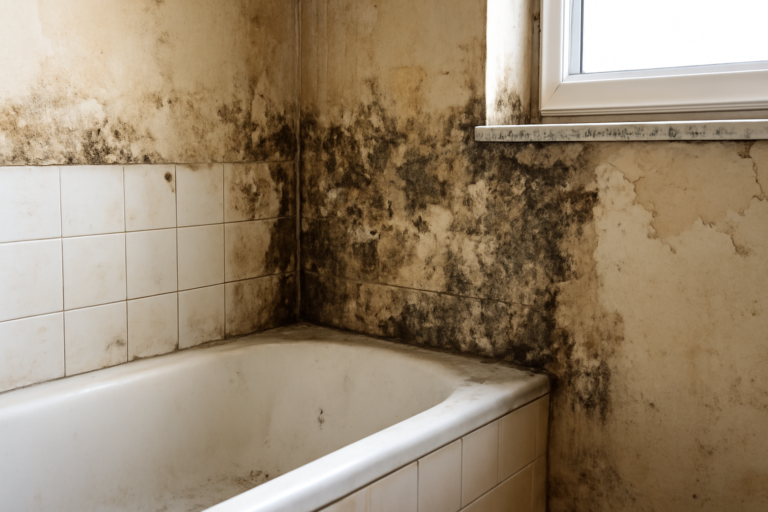
A persistent damp, musty smell, especially in basements or crawl spaces, is often the first sign of hidden water damage. This odor indicates mold or mildew growth, which thrives in moist environments and can weaken wooden structures over time. Investigate strange smells immediately.
Soft or Spongy Flooring
If your carpet feels unusually soft or spongy underfoot, or if hardwood floors are starting to warp or feel soft in spots, it’s a strong indicator that water has saturated the subfloor. This can lead to rot in the wooden joists supporting your floors. Don’t ignore spongy floors; they signal deep moisture.
Visible Water Stains or Discoloration
Water stains on ceilings, walls, or around windows and doors are obvious signs of leaks. These stains mean water has penetrated the material, and if it’s reached structural wood or drywall backing, it can cause significant weakening and potential mold growth. Address visible stains promptly.
Cracks in Foundation Walls or Floors
While some minor foundation cracks can be cosmetic, new or widening cracks, especially those accompanied by signs of moisture, can indicate hydrostatic pressure or structural compromise due to water saturation. Water can freeze and expand in cracks, making them larger. Monitor foundation cracks for signs of water.
Peeling or Bubbling Paint and Wallpaper
When paint or wallpaper starts to bubble, peel, or blister away from the wall, it’s often because moisture is trapped behind it. This moisture can weaken the drywall or plaster and the underlying studs or framing. Check for peeling finishes as an early warning.
Sagging Ceilings or Walls
A ceiling that appears to be sagging or walls that seem to be bowing inward are serious signs of structural damage. This can be caused by water saturation weakening the framing, joists, or support beams over time. Report sagging structures to professionals immediately.
Structural Repair Water Damage vs. DIY: When To Call a Professional
| Situation | DIY? | Call a Pro? | Why |
|---|---|---|---|
| Minor surface drying of a small, contained spill on a tile floor. | Yes | No | This is usually surface-level and manageable with towels and fans. |
| Drying out a damp spot on a drywall surface after a small leak. | Maybe | Yes | If it’s very minor, DIY might work. But if it’s widespread or behind the drywall, a pro is needed. |
| Identifying the source of a persistent musty odor in a crawl space. | No | Yes | Locating hidden leaks and assessing structural impact requires specialized tools and expertise. |
| Repairing a small crack in a concrete basement floor. | Maybe | Yes | Small, dry cracks might be patchable. Water-damaged or growing cracks need professional evaluation. |
| Replacing a few inches of water-damaged baseboard trim. | Yes | No | This is a cosmetic repair that doesn’t involve the home’s core structure. |
| Dealing with water that has soaked into wall studs, joists, or subflooring. | No | Yes | This directly impacts structural integrity and requires professional drying and repair protocols. |
For anything that involves water saturation of structural wood, insulation, or foundation materials, calling a professional is the safest and most effective route. Professional assessment is crucial when structural components are involved. Trying to DIY these issues can lead to prolonged moisture problems, mold growth, and significantly more expensive repairs later.
Structural Repair Water Damage Cost In Bogart, GA
The cost of structural repair water damage in Bogart, GA can vary widely depending on the severity of the damage, the size of the affected area, and the specific structural elements that need attention. These figures are estimates and can change based on complex situations. Understanding potential costs is important for budgeting.
| Service | Typical Price Range | What Affects Cost |
|---|---|---|
| Moisture Detection and Assessment | $300 – $1,200 | The complexity of the home’s structure and the extent of the suspected damage. |
| Structural Drying (Wood Framing, Subfloors) | $1,000 – $5,000+ | The amount of water absorbed, the size of the area, and how long it takes to dry to safe levels. |
| Repair/Replacement of Damaged Joists or Beams | $1,500 – $7,500+ | The number of structural members needing replacement and the accessibility of the area. |
| Subfloor Replacement | $800 – $3,000+ | The square footage of the affected subflooring and the type of material being replaced. |
| Foundation Wall Repair (Water-Related) | $1,000 – $4,000+ | The size and depth of cracks, and whether specialized injection methods are required. |
| Reconstruction (Drywall, Insulation) | $500 – $3,000+ | The amount of material needing replacement and the complexity of the finishing work. |
Exact pricing for your specific situation requires an on-site inspection by our trained technicians. We offer free estimates to give you a clear picture of the necessary repairs and costs. Get your free estimate today.
Service Areas Near Bogart, GA
Athens, Auburn, Bethlehem, Bishop, Commerce, Danielsville, Dacula, Farmington, Greensboro, Hull, Jefferson, Lexington, Madison, Monroe, Nicholson, Oconee, Statham, Watkinsville, Winder, Winterville
Common Questions About Structural Repair Water Damage
What is the biggest risk of not fixing structural water damage immediately?
The biggest risk is that water continues to degrade your home’s structural components, leading to potential collapse, widespread mold infestation, and significantly higher repair costs. Ignoring structural water damage can turn a manageable problem into a disaster, compromising the safety and value of your property. We’re here to help you prevent that.
How long does structural drying typically take after water damage?
Structural drying times can vary greatly, often taking anywhere from 3 to 14 days, sometimes longer. It depends on the amount of water absorbed into materials like wood and concrete, ambient humidity, and the effectiveness of our drying equipment. Professional drying protocols are designed to speed this up safely. We use advanced monitoring to confirm dryness.
Does my homeowner’s insurance cover structural repair water damage?
Often, yes, especially if the damage is sudden and accidental, like from a burst pipe. However, coverage for slow leaks or issues due to poor maintenance can be more complex. Review your policy carefully. We can help document the damage for your insurance claim.
What kind of equipment do you use to dry out structural wood?
We use a combination of powerful LGR (Low-Grain Refrigerant) dehumidifiers, high-velocity air movers, and specialized drying equipment designed to penetrate dense materials. We also employ infrared cameras and moisture meters to precisely measure and monitor moisture levels within the wood itself. Advanced drying technology ensures we get it right.
Can I prevent structural water damage in my home?
Preventative maintenance is key. Regularly inspect your roof, gutters, and foundation for any signs of leaks or damage. Ensure proper grading around your home to direct water away from the foundation. Promptly address any small leaks you discover. Proactive home maintenance significantly reduces the risk of structural water damage.
Check Our Other Relevant Services
Serving Bogart, GA And Nearby Areas