Trusted by 165+ Homeowners
Subfloor Water Damage Repair in Clarkston, GA
- Over 165 5-Star Reviews
- Free Estimates and Quotes
- 100% Satisfaction Guaranteed
- Child, Family & Pet Safe Steps
- 24-Hour Emergency Service
- Fully Licensed & Insured

Expert Subfloor Water Damage Repair in Clarkston, GA
We’ve seen our share of wet, soggy subfloors around Clarkston, GA. From burst pipes in older homes to persistent leaks under kitchens and bathrooms, we understand how quickly this problem can escalate. Ignoring a damp subfloor isn’t an option; it’s a direct path to structural damage and mold growth. Your home’s integrity starts from the ground up, and we’re here to make sure that foundation stays strong and dry.
Locally, homeowners have come to rely on our team for this specific type of repair. With over 165 five-star reviews, people know we get the job done right. You’re not just getting a repair; you’re getting a team that understands the stress this causes and works hard to restore your property quickly and efficiently. We’ve handled everything from small basement leaks to widespread flooding that affected entire subfloors.
- We tackle hidden moisture, preventing the spread of mold and mildew that can affect your family’s health and your home’s air quality.
- Our specialized drying equipment gets deep into your subfloor and the surrounding joists to ensure a thorough, long-lasting repair.
- We handle the complexities of insurance claims related to subfloor damage, making the process smoother for you.
How Subfloor Water Damage Repair Actually Works
When water gets under your floors, it’s not just about mopping up. A proper subfloor water damage repair involves a meticulous process to identify the source, remove all moisture, and prevent future issues. Cutting corners here can lead to recurring problems, costly secondary damage, and even compromised structural integrity. We follow a proven methodology to ensure your subfloor is returned to its original, dry condition, protecting your investment and your home’s health. We make sure your flooring is safe to walk on again.
1. Initial Assessment and Source Identification
The first step is a thorough inspection. We use advanced moisture meters and thermal imaging cameras to pinpoint exactly where the water is coming from and how far it has spread. Finding the root cause is critical to prevent recurrence. This usually takes a few hours, depending on the complexity of your home’s layout.
2. Water Extraction and Removal
Once we know the extent of the problem, our powerful extraction equipment removes standing water from the subfloor. We work diligently to extract as much moisture as possible, ensuring no water is left behind to cause further harm. This phase can take anywhere from a few hours to a full day, depending on the volume of water.
3. Structural Drying and Dehumidification
This is where specialized equipment comes in. We set up industrial-grade air movers and dehumidifiers to dry out the affected subfloor, joists, and surrounding materials. The goal is to bring the moisture levels back to normal, preventing mold and rot. This critical drying process can take anywhere from 24 hours to several days, monitored closely by our technicians.
4. Mold Prevention and Treatment
If moisture has been present for a while, mold can start to form. We inspect for any signs of mold and, if found, apply EPA-approved antimicrobial treatments to kill existing spores and prevent future growth. Protecting your indoor air quality is a top priority. This step is usually completed within a day.
5. Subfloor Repair or Replacement
Depending on the damage, we may need to repair or replace sections of your subfloor. We use appropriate materials to ensure a solid, stable surface ready for your flooring to be reinstalled. Our team ensures a seamless transition for your flooring specialists. This phase’s duration varies greatly, from a few hours to a couple of days.
Don’t let a damp subfloor turn into a major headache. If you suspect water damage, it’s crucial to get it assessed and repaired promptly. Contact us today for a detailed inspection and a clear plan to fix it.

Warning Signs You Need Subfloor Water Damage Repair
Catching subfloor water damage early can save you a lot of time, money, and stress. These subtle signs often indicate a problem brewing beneath your feet before it becomes obvious. Ignoring them can lead to much more extensive and costly repairs down the line. Pay attention to what your home is telling you.
Musty Odors That Won’t Go Away
A persistent musty or earthy smell, especially in lower levels or near bathrooms and kitchens, is a strong indicator of hidden moisture and potential mold growth. Investigate unusual smells immediately.
Soft or Spongy Flooring
When you step on certain areas of your floor and it feels soft, spongy, or gives way slightly, it means the subfloor beneath is likely water-logged and compromised. Check for floor softness.
Warped or Buckling Flooring
Hardwood floors might warp, and tile or laminate can start to buckle or lift if the subfloor beneath them is constantly wet and expanding. Look for floor distortions.
Visible Water Stains or Discoloration
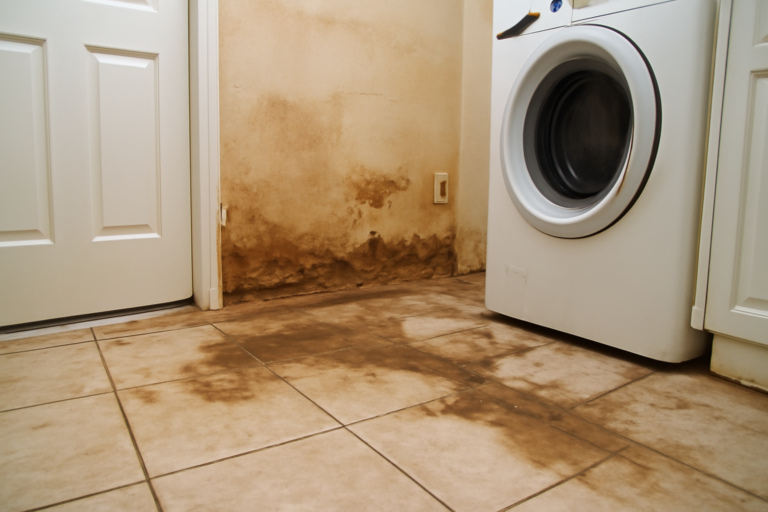
Water stains appearing on the surface of your flooring, especially around plumbing fixtures or exterior walls, are a clear sign of water intrusion. Note any water marks.
Increased Humidity Levels
A sudden or noticeable increase in the humidity within your home, even when the weather isn’t particularly damp, can be a sign of a hidden water source. Monitor your home’s humidity.
Sounds of Dripping or Gurgling
Sometimes, you can actually hear water where it shouldn’t be. Dripping or gurgling sounds coming from under the floorboards might indicate a leak or water pooling. Listen for unusual sounds.
Subfloor Water Damage Repair vs. DIY: When To Call a Professional
| Situation | DIY? | Call a Pro? | Why |
|---|---|---|---|
| Small spill on hard surface floor | Yes | No | Easy to clean up immediately. |
| Suspected slow leak behind a toilet | No | Yes | Requires specialized detection and drying. |
| Warped hardwood flooring from a single event | No | Yes | Needs professional assessment for subfloor integrity. |
| Mold growth on visible subfloor | No | Yes | Requires containment and professional remediation. |
| Burst pipe flooding a finished basement | No | Yes | Extensive water requires commercial equipment. |
| Dampness after a minor appliance leak | Maybe | Yes | Professional drying prevents long-term damage. |
While minor spills are manageable, anything involving standing water, potential mold, or structural concerns under your flooring warrants professional attention. A proper subfloor repair involves more than just drying; it’s about ensuring the long-term health and safety of your home. Trust our experienced technicians to handle the complex aspects of subfloor water damage.
Subfloor Water Damage Repair Cost In Clarkston, GA
The cost for subfloor water damage repair in Clarkston, GA, can vary significantly. Factors like the extent of the water damage, the size of the affected area, the type of subfloor material, and the complexity of the repair all play a role. These figures are general estimates for planning purposes only.
| Service | Typical Price Range | What Affects Cost |
|---|---|---|
| Moisture Assessment & Testing | $300 – $800 | Size of area, use of advanced equipment. |
| Water Extraction | $500 – $2,500 | Volume of water, accessibility of the area. |
| Subfloor Drying & Dehumidification | $1,000 – $4,000 | Duration needed, number of units required. |
| Mold Treatment & Prevention | $750 – $3,000 | Severity of mold, area coverage. |
| Subfloor Repair (Patching) | $500 – $2,000 | Size of patch, material cost. |
| Subfloor Replacement (Section) | $1,500 – $5,000+ | Square footage, material type, labor intensity. |
An accurate quote requires a physical inspection of your property. We offer free, no-obligation estimates to give you a clear understanding of the necessary work and its cost. Let us assess your situation and provide a detailed breakdown.
Service Areas Near Clarkston, GA
Atlanta, Decatur, Brookhaven, Chamblee, Doraville, Tucker, Stone Mountain, Lilburn, Snellville, Lawrenceville, Norcross, Duluth, Suwanee, Johns Creek, Alpharetta, Sandy Springs, Dunwoody, Marietta, Smyrna, Kennesaw.
Common Questions About Subfloor Water Damage Repair
How long does subfloor water damage repair take?
The timeline for subfloor water damage repair varies greatly depending on the severity of the water intrusion and the size of the affected area. Simple drying might take 2-3 days, while extensive repairs involving subfloor replacement could take a week or more. We prioritize efficient drying and repair to get your home back to normal as quickly as possible.
Will my homeowner’s insurance cover subfloor water damage?
Often, yes, but it depends on the cause of the water damage. Standard policies typically cover sudden and accidental events like burst pipes. Gradual leaks or damage from poor maintenance might not be covered. We can help you navigate the claims process and provide the necessary documentation for your insurance company, ensuring a smooth claims experience.
What are the health risks associated with wet subfloors?
The primary health risk is mold growth. Mold spores thrive in damp environments and can cause respiratory issues, allergic reactions, and other health problems, especially for those with pre-existing conditions. Protecting your family’s health is paramount, which is why we focus on thorough drying and mold prevention.
What kind of equipment do you use to dry subfloors?
We utilize professional-grade equipment, including high-powered water extractors to remove standing water, industrial air movers to circulate air and speed up evaporation, and specialized dehumidifiers to pull moisture out of the air and materials. For tricky spots, we might also use moisture meters and thermal imaging cameras to ensure complete dryness. This advanced equipment allows for deep and effective drying.
Can I prevent subfloor water damage?
Yes, preventative measures can significantly reduce the risk. Regularly inspect plumbing for leaks, ensure proper sealing around tubs and toilets, maintain your roof and gutters, and promptly address any appliance leaks. For properties in areas prone to heavy rain or flooding, consider improving drainage around your foundation. Taking these steps can help prevent future water issues.
Check Our Other Relevant Services
Serving Clarkston, GA And Nearby Areas