Trusted by 165+ Homeowners
Subfloor Water Damage Repair in Conley, GA
- Over 165 5-Star Reviews
- Free Estimates and Quotes
- 100% Satisfaction Guaranteed
- Child, Family & Pet Safe Steps
- 24-Hour Emergency Service
- Fully Licensed & Insured

Don’t Let Wet Subfloors Lead to Bigger Problems
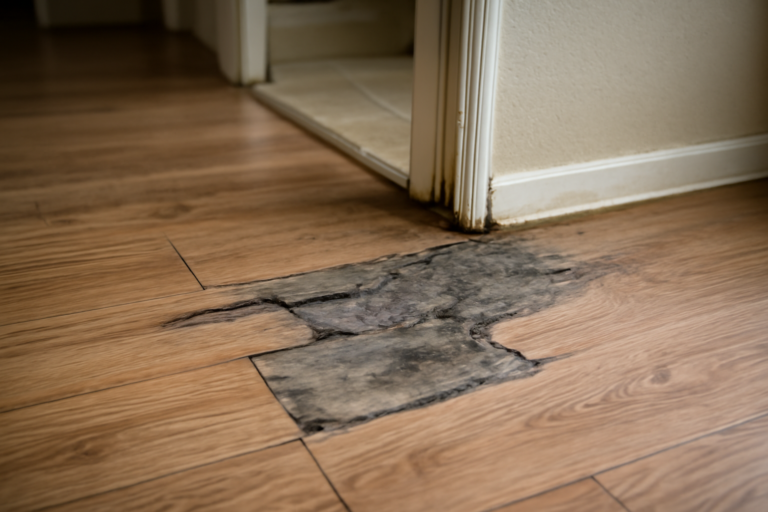
You’ve probably noticed a strange smell, or maybe the floor feels a little soft underfoot. If your subfloor is wet, it’s not just a minor inconvenience; it’s a serious structural issue that needs immediate attention. Ignoring it can lead to costly mold growth and damage that spreads far beyond what you can see. We understand that discovering water damage in your home is stressful, and dealing with the subfloor is particularly tricky because it’s hidden.
Locally, homeowners trust our team because we’ve earned it through consistent, high-quality work, proven by over 165 five-star reviews. We tackle Subfloor Water Damage Repair with the urgency and expertise your property deserves. Our neighbors know that when they call us, they’re getting a team that’s dedicated to restoring your home safely and effectively, not just covering up the problem.
- We use advanced drying technology to extract moisture from your subfloor, preventing future mold and structural decay.
- Our rapid response means we can often mitigate damage before it compromises your home’s integrity, saving you significant repair costs down the line.
- We thoroughly inspect and document the damage, providing clear information so you know exactly what’s happening and what needs to be done to secure your foundation.
The Process: How We Repair Subfloor Water Damage
When water gets under your floors, the clock starts ticking. A proper Subfloor Water Damage Repair process is crucial because the longer moisture sits there, the more it weakens wood, encourages mold, and can even affect your home’s foundation. We’ve developed a methodical approach that prioritizes speed and thoroughness. Our crews are trained to identify the source of the water, remove it completely, and then meticulously dry and restore the affected areas. We take the guesswork out of it for you, so you can focus on getting back to normal.
1. Immediate Water Extraction
Our first step is always to remove any standing water. We use powerful truck-mounted vacuums and submersible pumps to extract water quickly. This critical first hour is key to minimizing saturation and preventing further damage to your subfloor materials.
2. Thorough Damage Assessment
Once the bulk of the water is gone, we’ll carefully inspect the subfloor and surrounding materials. We use moisture meters and thermal imaging cameras to pinpoint exactly how far the water has spread. This detailed assessment ensures we address all affected areas and don’t miss anything.
3. Advanced Drying and Dehumidification
This is where specialized equipment comes in. We set up industrial-grade air movers and dehumidifiers directly around and under the affected subfloor. These machines work tirelessly to reduce humidity levels and pull moisture out of the wood and concrete, often taking several days.
4. Mold Prevention and Treatment
Wet subfloors are a breeding ground for mold. As part of the drying process, we apply EPA-approved antimicrobial treatments to the affected areas to inhibit mold growth and protect your indoor air quality.
5. Structural Repair and Restoration
Depending on the extent of the damage, we may need to replace sections of the subfloor. Our skilled technicians can perform these repairs, ensuring your floor’s structural integrity is fully restored before new flooring is installed.
Don’t wait for the problem to worsen. Contact us now for immediate assistance with your wet subfloor.

Signs Your Subfloor Needs Water Damage Repair
Catching water damage early is the best way to prevent widespread issues. Your subfloor can’t tell you it’s in trouble, but it sends signals. Paying attention to these signs can save you a lot of money and headaches later on. Ignoring them can lead to major structural repairs and serious health concerns from mold.
Soft or Spongy Flooring
If your floor feels unusually soft, bouncy, or spongy when you walk on it, that’s a clear sign the subfloor beneath is compromised. This weakened structural integrity requires immediate professional attention.
Musty Odors That Won’t Go Away
A persistent, damp, or musty smell coming from your floors, especially after rain or a spill, often indicates hidden moisture. This smell is usually the first sign of developing mold and mildew.
Visible Mold Growth
While often hidden, mold can sometimes appear as dark spots or fuzzy patches around baseboards, in corners, or on the flooring itself. Any sign of mold means there’s a moisture problem that needs fixing.
Warped or Buckled Flooring
Your finished flooring materials, like wood or laminate, might start to warp, buckle, or lift. This is a direct result of the subfloor expanding and contracting due to prolonged moisture exposure, signaling significant water saturation.
Increased Humidity Indoors
If your home feels unusually humid, especially in areas above the suspected water damage, it could be moisture escaping from the subfloor. This elevated indoor humidity can affect your comfort and health.
Peeling Paint or Damaged Baseboards
Water can wick up walls, causing paint to peel or blister near the floor. Damaged or softened baseboards are another indicator that moisture is present and damaging your home’s structure.
Subfloor Water Damage Repair vs. DIY: When To Call a Professional
| Situation | DIY? | Call a Pro? | Why |
|---|---|---|---|
| Slightly damp spot from a small, contained spill | Yes, if dried immediately and thoroughly | Maybe, if unsure or if it persists | Immediate DIY drying can prevent damage, but professional verification ensures it’s truly gone. |
| Persistent musty odor from floor | No | Yes | Odor indicates hidden moisture and potential mold growth that requires specialized detection and treatment. |
| Visible mold on subfloor or surrounding areas | No | Yes | Mold remediation requires specific safety protocols and equipment to prevent airborne spores and ensure complete removal. |
| Soft, spongy, or sagging floor sections | No | Yes | This indicates structural damage to the subfloor itself, requiring professional assessment and repair to maintain safety. |
| Water source is a leaking pipe or appliance | No | Yes | The leak must be professionally identified and repaired first to prevent recurrence, followed by proper water damage restoration. |
| You’re unsure of the extent of the damage | No | Yes | Professionals have tools to detect hidden moisture and assess the full scope, preventing costly mistakes from incomplete DIY efforts. |
For anything beyond a very minor, immediately addressed spill, calling a professional is the safest bet. Our team has the specialized equipment and training to handle complex water intrusion and ensure your subfloor is properly dried and restored.
Subfloor Water Damage Repair Cost In Conley, GA
The cost of Subfloor Water Damage Repair in Conley, GA can vary significantly. Factors like the size of the affected area, the type of subfloor (wood, concrete), the source of the water, and how long the moisture has been present all play a role. These price ranges are estimates to give you an idea.
| Service | Typical Price Range | What Affects Cost |
|---|---|---|
| Water Extraction and Drying | $500 – $3,000 | Amount of water, size of area, duration of drying needed. |
| Subfloor Moisture Testing and Inspection | $200 – $750 | Use of advanced equipment like thermal cameras. |
| Antimicrobial Treatment for Mold Prevention | $300 – $1,500 | Size of area treated, type of treatment product. |
| Subfloor Repair or Replacement (per sq ft) | $5 – $20 | Material cost (plywood, OSB), labor complexity. |
| Dehumidification and Air Mover Rental | Included in overall drying cost, but can be $100-$300 per day if billed separately. | Duration of drying process. |
| Mold Remediation (if necessary) | $1,000 – $7,000+ | Severity of mold infestation, containment needs, and area size. |
We offer free estimates for Subfloor Water Damage Repair services, allowing you to get an accurate assessment for your specific situation.
Service Areas Near Conley, GA
Morrow, Ellenwood, Rex, Stockbridge, Jonesboro, Fayetteville, Riverdale, Forest Park, Lovejoy, Hampton, Atlanta, Decatur, Clarkston, Scottdale, Chamblee, Doraville, Norcross, Duluth, Suwanee, Johns Creek.
Common Questions About Subfloor Water Damage Repair
How long does subfloor water damage repair take?
The timeline for Subfloor Water Damage Repair depends heavily on the severity of the water intrusion and how quickly we can start the drying process. Initial extraction might take a few hours, but the critical drying phase using specialized equipment can take 3 to 7 days, sometimes longer for heavily saturated areas. We monitor moisture levels daily to determine when the subfloor is fully dry.
Will my homeowner’s insurance cover subfloor water damage?
Typically, homeowner’s insurance covers water damage caused by sudden and accidental events, like a burst pipe or appliance malfunction. Damage from slow leaks or poor maintenance might not be covered. It’s always best to review your policy and contact your insurance provider. We can help document the damage for your claim, providing clear photographic and written reports.
Is it dangerous to live in a home with wet subfloors?
Yes, it can be. Wet subfloors create an ideal environment for mold and mildew growth, which can release spores into your air. Inhaling these spores can lead to respiratory issues and allergic reactions. Furthermore, prolonged moisture can weaken the structural integrity of your home, posing safety risks. Addressing wet subfloors promptly is crucial for your family’s health and safety.
What equipment do you use for drying subfloors?
We utilize professional-grade equipment designed for efficient water removal and drying. This includes powerful truck-mounted water extractors for initial cleanup, high-velocity air movers (fans) to circulate air and speed evaporation, and industrial dehumidifiers to remove moisture from the air. We also use specialized tools like moisture meters and thermal imaging cameras to accurately assess moisture content and ensure thorough drying.
Can I prevent subfloor water damage?
Preventing subfloor water damage involves regular maintenance and vigilance. You can take steps like promptly fixing leaky pipes and faucets, ensuring your appliances are in good working order, checking for and sealing foundation cracks, and maintaining proper grading around your home to direct water away. In areas prone to heavy rain, consider ensuring your sump pump is functioning correctly. These preventative measures can avoid costly repairs.
Check Our Other Relevant Services
Serving Conley, GA And Nearby Areas