Trusted by 165+ Homeowners
Subfloor Water Damage Repair in Fairburn, GA
- Over 165 5-Star Reviews
- Free Estimates and Quotes
- 100% Satisfaction Guaranteed
- Child, Family & Pet Safe Steps
- 24-Hour Emergency Service
- Fully Licensed & Insured

Don’t Let Hidden Water Ruin Your Home: Subfloor Water Damage Repair in Fairburn, GA
You might not see it, but water lurking beneath your floors is a serious threat. If you’ve noticed a strange dampness, an unusual smell, or a spongy feeling when you walk across certain rooms, it’s crucial to investigate. Ignoring subfloor water damage can lead to much bigger, more expensive problems down the line, affecting your home’s structure and your family’s health. We understand how stressful discovering this kind of hidden issue can be, especially here in Fairburn, GA.
Local homeowners have trusted us for over 165 five-star reviews to handle their most urgent water damage needs. When it comes to subfloor issues, speed and precision are everything. You’re not just dealing with wet wood; you’re dealing with potential mold growth and structural compromise. That’s why our team is dedicated to providing a focused, effective response to restore your home’s integrity.
- We use specialized drying equipment designed to extract moisture from deep within your subfloor, preventing long-term structural damage and mold.
- Our rapid response team prioritizes getting to your property quickly, because the first 48 hours are critical in minimizing the spread of water and secondary damage.
- We provide clear communication throughout the entire process, so you always know what’s happening and what to expect next.
How Subfloor Water Damage Repair Actually Works
Dealing with water damage under your floorboards requires a methodical approach that goes beyond just mopping up spills. The longer water sits, the more it seeps into the wood, insulation, and even your foundation. Our process is designed to tackle this hidden threat head-on, using advanced techniques and equipment to safely remove moisture and prevent further harm. Cutting corners here means you’ll likely face bigger headaches later, like costly mold remediation or even structural repairs.
Initial Water Extraction
Our first step involves using powerful, truck-mounted water extractors to remove as much standing water from the subfloor as possible. This is crucial for halting the immediate damage and preparing the area for drying. We work quickly to prevent further saturation and minimize the amount of moisture left behind.
Advanced Drying Technology
Once the bulk of the water is gone, we deploy specialized drying equipment. This includes industrial-grade dehumidifiers and air movers strategically placed to circulate air and draw out remaining moisture from the subfloor and surrounding materials. This process is designed to speed up evaporation and dry the affected areas thoroughly.
Moisture Monitoring
Throughout the drying process, our technicians use advanced moisture meters to track humidity levels and ensure all affected materials are drying evenly. We don’t just guess; we measure to confirm that the subfloor and sub-layers are returning to their normal moisture content. This guarantees a complete and effective drying.
Mold Prevention and Treatment
Water damage creates ideal conditions for mold growth. As part of our subfloor repair, we inspect for any signs of mold and apply EPA-approved antimicrobial treatments to prevent future growth. Your home’s health is our priority, and we take steps to ensure a safe and healthy environment.
Structural Assessment
After drying, we carefully assess the subfloor for any signs of structural compromise. If any joists or supports have been weakened by prolonged moisture exposure, we’ll identify the extent of the damage and recommend the necessary repairs. We ensure your floors are not only dry but also structurally sound.
Don’t wait for dampness to turn into decay. If you suspect water under your floors, it’s time to call for expert help. Contact us immediately to start the drying and repair process.

Warning Signs You Need Subfloor Water Damage Repair
Catching subfloor water damage early is key to preventing widespread issues like mold and structural rot. Many homeowners miss the subtle signs until the problem is quite advanced. Paying attention to these indicators can save you significant time and money. Recognizing these clues means you can get the help you need for prompt and effective repairs.
Musty Odors That Won’t Go Away
A persistent damp, musty smell, especially in lower levels or rooms with less ventilation, is a strong indicator of water trapped beneath your floors. This odor often signifies mold or mildew growth, which thrives in moist environments. It’s a clear sign you need to investigate the source.
Soft or Spongy Flooring
When you walk across a particular area and it feels soft, spongy, or gives way slightly underfoot, this suggests the subfloor is saturated and losing its structural integrity. This is a serious warning that the wood is compromised. You must address soft spots immediately.
Warped or Buckled Flooring Materials
Visible signs like warped hardwood planks, peeling vinyl, or loose tiles can indicate moisture is affecting the flooring layers above. The expansion and contraction caused by water can push materials out of place. This is a visual cue for hidden moisture problems.
Stains or Discoloration on Floors or Walls
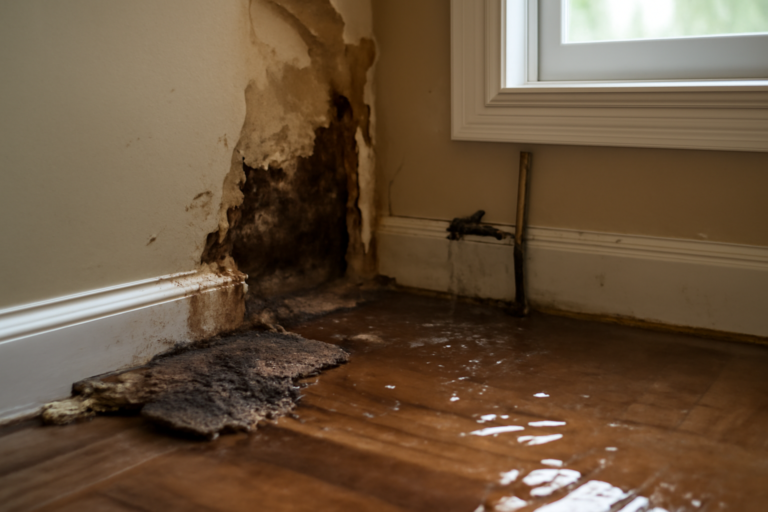
Water migrating upwards can cause unsightly stains or dark patches on your flooring, baseboards, or even the lower sections of your walls. These marks are a direct result of water seeping through. Don’t overlook these tell-tale signs of leaks.
Increased Humidity Levels
If you notice a general increase in humidity within your home, even when the weather isn’t particularly humid, it could be due to a hidden water source like a leaky pipe under the floor. Unexplained clamminess in the air is a signal. It points to a persistent moisture issue.
Sounds of Dripping or Gurgling
In some cases, you might hear faint dripping, trickling, or gurgling sounds, especially when water is actively flowing or pooling beneath the floor. These sounds are often missed but can be crucial indicators of an active leak. Listen closely for these audible warnings.
Subfloor Water Damage Repair vs. DIY: When To Call a Professional
| Situation | DIY? | Call a Pro? | Why |
|---|---|---|---|
| Minor, isolated dampness on surface of subfloor from a small spill | Yes | No | Can often be dried with fans and a dehumidifier. |
| Persistent musty odors from a specific room | No | Yes | Odor indicates hidden moisture and potential mold growth. |
| Visible mold growth on subfloor or joists | No | Yes | Requires specialized containment and treatment to avoid spreading spores. |
| Soft, spongy spots underfoot when walking | No | Yes | Sign of structural compromise requiring professional assessment and drying. |
| Water pooling on the subfloor | No | Yes | Needs industrial extraction and advanced drying to prevent long-term damage. |
| Suspected leaky pipe or plumbing issue under floor | No | Yes | Requires professional leak detection and repair before drying can begin. |
For anything beyond a minor surface spill, professional help is almost always the right choice for subfloor water damage. The risks of mold, structural damage, and incomplete drying are too high with DIY methods. Our team has the specialized equipment and training to ensure your home is dried correctly and safely, giving you true long-term protection.
Subfloor Water Damage Repair Cost In Fairburn, GA
The cost of subfloor water damage repair in Fairburn, GA can vary significantly. Factors like the extent of the water intrusion, the size of the affected area, and the specific materials involved all play a role in the final price. These figures are estimates, and a detailed on-site assessment is always needed for an accurate quote. We aim to provide transparent and fair pricing.
| Service | Typical Price Range | What Affects Cost |
|---|---|---|
| Water Extraction (per sq ft) | $0.50 – $2.00 | Amount of standing water and area size. |
| Dehumidification & Air Moving (per day) | $150 – $400 | Number and type of units needed for thorough drying. |
| Moisture Monitoring & Testing | $200 – $600 | Frequency of checks and complexity of materials. |
| Antimicrobial Treatment | $300 – $1,000 | Size of the area treated and product used. |
| Subfloor Assessment & Minor Repairs | $500 – $2,000 | Severity of wood rot or damage to joists. |
| Structural Support Repair | $1,000 – $5,000+ | Extent of damage to load-bearing elements. |
These ranges give you an idea of what to expect, but a precise estimate can only be determined after our technicians assess the damage on your property. We offer free, no-obligation estimates for all subfloor water damage repairs. Getting an accurate quote is the first step towards a dry and healthy home.
Service Areas Near Fairburn, GA
College Park, East Point, Hapeville, Atlanta, South Fulton, Union City, Palmetto, Tyrone, Peachtree City, Fayetteville, Riverdale, Jonesboro, Forest Park, Morrow, Stockbridge, Rex, Conley, Ellenwood, Lovejoy, Hampton.
Common Questions About Subfloor Water Damage Repair
How long does subfloor water damage repair take?
The timeline for subfloor water damage repair can vary greatly, typically ranging from a few days to several weeks. It depends on how much water is present, how deep it has penetrated, and the type of building materials. Our team uses advanced drying techniques to speed up the process, but ensuring complete dryness to prevent mold is always our priority. We’ll provide a more specific timeline after our initial assessment.
Will my homeowner’s insurance cover subfloor water damage repair?
In many cases, homeowner’s insurance policies cover water damage, especially if it’s due to a sudden and accidental event like a burst pipe. However, coverage for slow leaks or lack of maintenance might be excluded. We can help document the damage and work with your insurance adjuster to facilitate your claim. It’s always best to review your policy details and contact your provider.
Is subfloor water damage dangerous to my health?
Yes, subfloor water damage can pose significant health risks, primarily due to mold and mildew growth. These fungi can release spores into the air, which can trigger allergies, asthma, and other respiratory problems, especially for sensitive individuals. Our team takes mold prevention and remediation seriously, using antimicrobial treatments to ensure a healthy environment.
What kind of equipment do you use to dry out a subfloor?
We utilize a variety of specialized professional equipment for subfloor drying. This includes high-powered water extractors for initial water removal, industrial-grade dehumidifiers to pull moisture from the air and materials, and powerful air movers to create airflow and accelerate evaporation. We also use advanced moisture meters to precisely monitor drying progress and ensure everything is thoroughly dried.
Can I prevent subfloor water damage?
Preventing subfloor water damage involves regular maintenance and prompt attention to potential issues. This includes checking plumbing for leaks, ensuring proper drainage around your foundation, and promptly addressing any spills or known water intrusion points. For areas prone to humidity, using dehumidifiers can also help. We offer guidance on maintaining a dry home after repairs are complete.
Check Our Other Relevant Services
- Downspout Failure Water Damage Restoration in Fairburn, GA
- AC Unit Water Damage Restoration in Fairburn, GA
Serving Fairburn, GA And Nearby Areas