Trusted by 165+ Homeowners
Subfloor Water Damage Repair in Griffin, GA
- Over 165 5-Star Reviews
- Free Estimates and Quotes
- 100% Satisfaction Guaranteed
- Child, Family & Pet Safe Steps
- 24-Hour Emergency Service
- Fully Licensed & Insured

When Water Hides Beneath Your Floors: Subfloor Water Damage Repair in Griffin, GA
Did you know that up to 30% of all water damage claims involve hidden moisture issues, like those found in subfloors? It’s true. This kind of damage often starts small, but it can quickly spread, causing serious structural problems and affecting your home’s air quality. If you’re noticing dampness, strange smells, or soft spots under your flooring around Griffin, GA, it’s time to investigate. We’ll help you understand the extent of the problem and get it fixed before it gets worse.
Homeowners in your neighborhood trust our team because we understand the urgency and the unique challenges of dealing with subfloor water damage. With over 165 five-star reviews from satisfied clients, we’ve built a reputation for being thorough, reliable, and transparent. We know that dealing with water damage can be stressful, especially when it’s out of sight, so we focus on clear communication and effective, lasting repairs.
- We specialize in pinpointing hidden moisture sources that other methods might miss, using advanced detection tools to identify the full scope of the problem.
- Our targeted drying and dehumidification process prevents secondary damage like mold growth and wood rot, protecting your home’s integrity.
- We work directly with your insurance provider, helping to document the damage and navigate the claims process to ensure you receive the coverage you’re entitled to.
How Subfloor Water Damage Repair Actually Works
Addressing subfloor water damage requires a methodical approach. Simply drying the surface isn’t enough; you need to remove moisture from the subfloor itself and the surrounding materials. Cutting corners here can lead to persistent mold issues and weakened structural components. Our process is designed to be thorough, efficient, and to get your home back to its pre-loss condition, focusing on preventing future problems.
Inspection and Assessment
First, we’ll conduct a detailed inspection using specialized equipment like moisture meters and thermal imaging cameras. This helps us identify the source of the water, the extent of the saturation, and any potential structural concerns. This assessment usually takes a few hours, depending on the size of the affected area and the complexity of the situation.
Water Extraction
Once the source is stopped, we use powerful extraction equipment to remove as much standing water as possible from the subfloor and any visible affected areas. This step is crucial for stopping the damage from spreading further and involves specialized pumping systems.
Controlled Drying
We then set up industrial-grade air movers and dehumidifiers to accelerate the drying process. This controlled environment ensures that moisture is removed from deep within the subfloor and surrounding materials, preventing warping and mold. This can take anywhere from a few days to over a week, depending on the severity of the saturation.
Mold Prevention and Treatment
As part of the drying process, we’ll assess for any signs of mold growth. If detected, we’ll apply antimicrobial treatments to prevent further spread and ensure a healthy indoor environment. We take mold remediation seriously.
Reconstruction and Restoration
After everything is dry and treated, we’ll repair any damaged subfloor, joists, or other structural elements. We’ll then work to restore your flooring and ensure your space is returned to its original condition. This phase involves careful rebuilding.
Don’t wait for minor dampness to turn into a major headache. Contact us today to schedule your inspection and get a clear understanding of your subfloor water damage situation.

Warning Signs You Need Subfloor Water Damage Repair
Catching subfloor water damage early is key to minimizing costs and preventing more significant issues. Ignoring early indicators can lead to expensive structural repairs and potential health hazards. Pay attention to these common signs around your property.
Musty Odors That Won’t Go Away
A persistent damp, musty smell, especially noticeable when you walk on certain parts of your floor, is a strong indicator of hidden moisture. This smell often comes from mold and mildew growing in damp conditions, affecting your home’s air quality.
Soft or Spongy Flooring
If your carpet, vinyl, or hardwood feels soft, spongy, or gives way slightly when you walk on it, the subfloor beneath might be compromised by water damage. This indicates a loss of structural integrity.
Warped or Buckled Flooring
Changes in your flooring’s appearance, like warping, buckling, or lifting at the seams, can be a direct result of moisture affecting the subfloor. The wood in the subfloor expands when wet, causing these visible distortions.
Stains or Discoloration on Floors or Walls
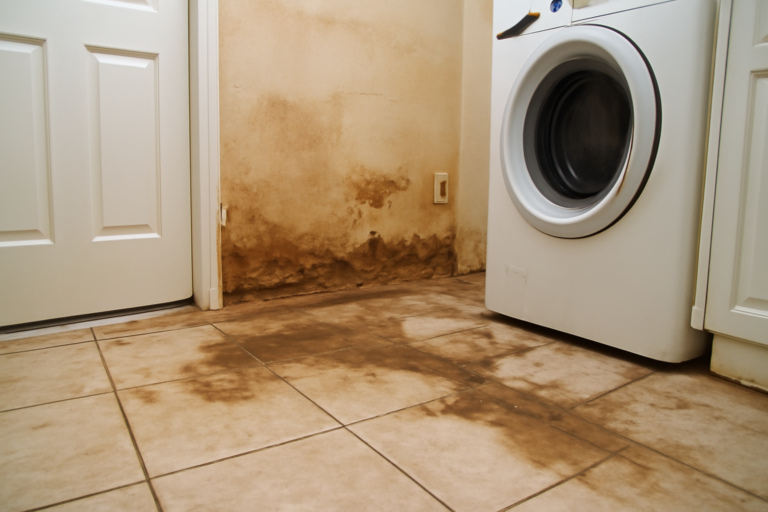
Water stains or dark discoloration appearing on your flooring, baseboards, or even lower wall sections can signal water migrating from below. These are clear signs of water intrusion.
Increased Humidity Indoors
A noticeable increase in indoor humidity, even when your HVAC system is functioning normally, could mean there’s a hidden water source like a leaking pipe under the floor. This can make your home feel uncomfortably damp.
Mold or Mildew Growth
Visible signs of mold or mildew, often appearing as dark spots or fuzzy patches, especially around the edges of rooms or near plumbing, are a serious warning. This growth thrives in damp, hidden environments like under your flooring.
Subfloor Water Damage Repair vs. DIY: When To Call a Professional
| Situation | DIY? | Call a Pro? | Why |
|---|---|---|---|
| Small spill on hard surface flooring | Yes | No | Easy to wipe up and dry, minimal risk of subfloor damage. |
| Identifying the source of a persistent damp smell | No | Yes | Requires specialized equipment to pinpoint hidden leaks. |
| Drying a small, shallow puddle on a waterproof floor | Yes | No | Can be managed with towels and fans if caught immediately. |
| Repairing warped hardwood floors due to moisture | No | Yes | Requires professional assessment and potential subfloor repair/replacement. |
| Drying a saturated carpet and subfloor after a minor leak | Maybe (with extreme caution) | Yes | Improper drying leads to mold and structural damage. |
| Dealing with extensive water damage affecting multiple rooms | No | Yes | Requires industrial equipment and expertise for complete drying and safety. |
For anything beyond a minor surface spill, especially when moisture has had time to penetrate the subfloor, calling a professional is your safest bet. We have the tools and knowledge to ensure thorough drying and prevent long-term issues like mold and structural compromise.
Subfloor Water Damage Repair Cost In Griffin, GA
The cost for subfloor water damage repair in Griffin, GA, can vary significantly. Factors like the size of the affected area, the depth of the saturation, and the type of flooring and subfloor material all play a role. These figures are general estimates and not a guarantee of final cost.
| Service Aspect | Typical Price Range | What Affects Cost |
|---|---|---|
| Initial Inspection and Assessment | $200 – $700 | Complexity of the issue and equipment needed. |
| Water Extraction (per area) | $300 – $1,500 | Volume of water and accessibility of the area. |
| Industrial Drying Equipment Rental (per day) | $150 – $400 | Number and type of machines required for effective drying. |
| Subfloor Drying and Dehumidification Treatment | $500 – $2,500 | Extent of saturation and duration of drying needed. |
| Mold Prevention Treatment | $200 – $1,000 | Size of the area and type of treatment applied. |
| Minor Subfloor Repair/Reinforcement | $400 – $2,000 | Extent of wood rot or structural damage found. |
Getting a precise quote requires a professional on-site assessment, which we provide free of charge. We’ll document everything thoroughly, which is particularly helpful if you’re filing an insurance claim for your property damage.
Service Areas Near Griffin, GA
We proudly serve Griffin, GA, and the surrounding communities, including but not limited to: Fayetteville, McDonough, Stockbridge, Locust Grove, Jackson, Hampton, Lovejoy, Experiment, Brooks, Orchard Hill, Zebulon, Sunny Side, Tyrone, Jonesboro, Lovejoy, Atlanta, Riverdale, Forest Park, Morrow, Clayton. We’re your local team for water damage concerns.
Common Questions About Subfloor Water Damage Repair
How long does subfloor water damage repair typically take?
The timeline for repairing subfloor water damage can vary greatly, often ranging from a few days to two weeks. It depends on how much water is present, how deep it has penetrated, and the drying conditions. We use specialized equipment to speed up the drying process, but ensuring the subfloor is completely dry to prevent future mold is our top priority. We’ll provide you with a projected timeline after our initial assessment.
Will my homeowner’s insurance cover subfloor water damage?
In many cases, yes, homeowner’s insurance will cover subfloor water damage, especially if it’s caused by a sudden, accidental event like a burst pipe or appliance malfunction. However, coverage for gradual leaks or neglect might be more limited. Our team has extensive experience working with insurance adjusters and can help document the damage properly to support your claim. We aim to make the insurance claim process smoother for you.
What are the health risks associated with untreated subfloor water damage?
Untreated subfloor water damage creates an ideal environment for mold and mildew growth, which can release spores into your air. Inhaling these spores can lead to various health issues, including allergic reactions, asthma flare-ups, respiratory problems, and other infections, particularly for individuals with compromised immune systems. Addressing this promptly is crucial for maintaining a healthy home environment.
What kind of equipment do you use to dry a subfloor?
We utilize a range of professional-grade equipment designed for effective subfloor drying. This includes powerful water extraction units to remove standing water, high-speed air movers to increase airflow over the affected areas, and industrial dehumidifiers to pull moisture out of the air and materials. We may also use specialized tools like moisture meters and thermal imaging cameras to ensure complete moisture removal.
Can I prevent subfloor water damage?
Preventing subfloor water damage involves regular maintenance and vigilance. Regularly inspect plumbing for leaks, ensure your appliances (like dishwashers and washing machines) are in good working order, and check for any signs of moisture around toilets and tubs. Maintaining proper grading around your foundation can also help prevent water from seeping into your home. Promptly addressing any small leaks you discover can save you from major repair costs down the line.
Check Our Other Relevant Services

Jerry Johns is a licensed Damage Restoration Expert with over 20 years of hands-on experience helping homeowners and businesses navigate property crises. As a trusted authority in the field, Jerry combines technical precision with a compassionate approach to disaster recovery.
𝗖𝗲𝗿𝘁𝗶𝗳𝗶𝗰𝗮𝘁𝗶𝗼𝗻𝘀: Jerry holds multiple elite IICRC certifications, including Water Damage Restoration (WRT), Applied Microbial Remediation (Mold), Applied Structural Drying (ASD), Odor Control, and Fire and Smoke Restoration.
𝗙𝗮𝘃𝗼𝗿𝗶𝘁𝗲 𝗣𝗮𝘀𝘁𝗶𝗺𝗲: When he isn’t on a job site, Jerry is an avid outdoorsman who enjoys fly fishing and restoring vintage woodworking tools.
𝗕𝗲𝘀𝘁 𝗣𝗮𝗿𝘁 𝗼𝗳 𝘁𝗵𝗲 𝗝𝗼𝗯: Jerry finds the most fulfillment in seeing the relief on a client’s face when their property is finally restored to its pre-loss condition, turning a stressful disaster into a fresh start.