Trusted by 165+ Homeowners
Subfloor Water Damage Repair in Jackson, GA
- Over 165 5-Star Reviews
- Free Estimates and Quotes
- 100% Satisfaction Guaranteed
- Child, Family & Pet Safe Steps
- 24-Hour Emergency Service
- Fully Licensed & Insured

When the Floor Beneath Your Feet Is Compromised: Expert Subfloor Water Damage Repair
Dealing with water damage under your floors is a serious issue, and we’ve seen it all in Jackson, GA. From burst pipes in older homes to severe storms that overwhelm drainage systems, the results are often the same – a compromised subfloor. This hidden damage can quickly lead to structural problems and health hazards if not addressed correctly. Our crews understand the unique challenges properties face around here, and we’re prepared to tackle subfloor water damage head-on, protecting your home’s foundation.
Homeowners throughout the area trust us because they know we bring a level of detail and care to subfloor water damage repair that’s hard to find. We’ve earned over 165 five-star reviews by consistently delivering on our promises. You can count on our technicians to be thorough, efficient, and respectful of your property. We aim to make a difficult situation as manageable as possible for you, focusing on restoring your home’s integrity.
- We use advanced drying equipment to extract every bit of moisture from your subfloor, preventing further rot and mold growth.
- Our team’s detailed inspections ensure we identify the full extent of the damage, so you don’t face hidden problems later.
- We work directly with your insurance company, simplifying the claims process and saving you considerable stress.
How We Tackle Subfloor Water Damage Repair
When water infiltrates your subfloor, it’s not just about drying the surface; it’s about a methodical approach to prevent long-term issues. A rushed or incomplete job can lead to mold, weakened structures, and persistent odors. Our systematic process is designed to remove the water, dry the affected materials completely, and restore your subfloor to its original condition, or better. We explain everything so you know exactly what’s happening and why each step is crucial for your home’s health.
Initial Water Extraction
The first priority is removing standing water. We use powerful truck-mounted or portable water extractors to quickly pull water from the subfloor and surrounding areas. This step is critical for minimizing saturation and preventing damage from spreading. Rapid water removal is key.
Advanced Drying and Dehumidification
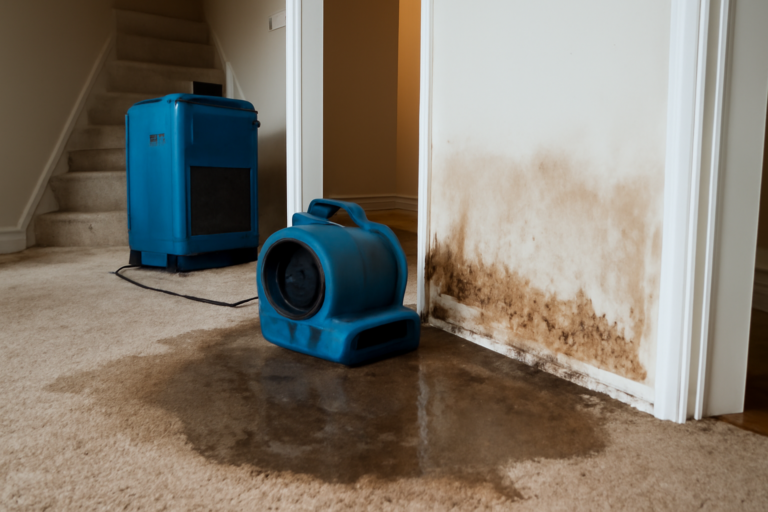
Once the bulk of the water is gone, we bring in specialized equipment like air movers and industrial dehumidifiers. These units work tirelessly to pull moisture out of the air and building materials, lowering humidity levels and ensuring the subfloor dries thoroughly. This process can take several days, depending on the extent of saturation. Controlled drying environments are essential.
Mold Prevention and Remediation
Water damage creates ideal conditions for mold growth. We treat the affected areas with EPA-approved antimicrobial solutions to prevent mold from taking hold. If mold has already begun to grow, our certified technicians will safely remove it, ensuring your home is healthy again. Preventing mold growth is a top priority.
Subfloor Repair or Replacement
Depending on the severity of the water damage, your subfloor may need repair or complete replacement. We carefully assess the structural integrity and make the necessary repairs, whether it’s patching damaged sections or installing new subflooring. We use quality materials to ensure a strong, stable base for your finished flooring. Restoring structural integrity is vital.
Odor Control and Final Inspection
Lingering odors are a common complaint after water damage. We use specialized equipment and treatments to neutralize any unpleasant smells. Before we consider the job done, our team conducts a thorough final inspection to confirm that the subfloor is dry, structurally sound, and odor-free. Eliminating lingering odors ensures full restoration.
Don’t let water damage under your floors linger. Contact us today to schedule an assessment and start the drying and repair process. Prompt action saves your home and your finances.

Warning Signs You Need Subfloor Water Damage Repair
Catching water damage early is your best defense against costly repairs and potential health issues. The sooner you address these signs, the less impact the water will have on your home’s structure and your family’s well-being. Early detection saves money and prevents bigger problems down the road.
Musty Odors That Won’t Go Away
A persistent damp, musty smell, especially noticeable when you walk into certain rooms or after rain, is a strong indicator of water trapped beneath your floors. This odor often signals mold growth. Investigate strange odors immediately.
Soft or Spongy Flooring
If your carpet, wood, or tile feels soft, spongy, or gives way easily when you walk on it, it means the subfloor beneath is waterlogged and losing its structural integrity. Don’t ignore soft spots underfoot.
Buckling or Warping Floors
Wood floors that are buckling upwards or warping sideways are a clear sign of moisture expansion within the subfloor and flooring materials. This indicates significant water saturation. Address floor warping promptly.
Visible Stains or Discoloration
Water stains or dark discoloration appearing on your baseboards, walls near the floor, or even on the surface of your flooring can indicate water wicking up from a damaged subfloor. Look for water stains as a warning.
Increased Humidity Levels
If the air in your home feels unusually damp or sticky, especially in specific areas, it could be due to evaporating moisture from a wet subfloor. This can contribute to mold and mildew. Monitor indoor humidity closely.
Peeling or Bubbling Paint/Wallpaper
Water damage can travel up walls, causing paint to peel or wallpaper to bubble, particularly near the floor level. This is often a sign that moisture is escaping from beneath your flooring. Check for wall damage near the floor.
Subfloor Water Damage Repair vs. DIY: When To Call a Professional
| Situation | DIY? | Call a Pro? | Why |
|---|---|---|---|
| Small spill on hard surface flooring | Yes | No | Easy to wipe up with minimal risk of subfloor damage. |
| Minor leak from a small appliance | Maybe | Yes | Hidden moisture can soak into subfloor; professional drying is safer. |
| Water line break under the entire house | No | Yes | Extensive water requires specialized equipment and expertise for thorough drying and structural assessment. |
| Shower pan leak discovered after months | No | Yes | Long-term moisture has likely caused significant rot and mold, needing professional remediation. |
| Overflow from a washing machine | Maybe | Yes | Depending on the volume and duration, professional drying may be needed to prevent subfloor issues. |
| Severe storm flooding affecting the ground floor | No | Yes | Large-scale flooding requires immediate, professional intervention to prevent structural compromise and mold. |
For any situation involving more than a minor surface spill, especially if you suspect water has been present for a while or if it’s a significant volume, calling a professional is the safest route. Expert intervention prevents hidden problems from becoming major disasters and ensures your home is dried and repaired correctly.
Subfloor Water Damage Repair Cost In Jackson, GA
The cost of subfloor water damage repair in Jackson, GA, can vary greatly depending on the extent of the damage, the size of the affected area, and the specific materials involved. These figures are estimates to give you a general idea of what to expect. Accurate pricing requires an on-site assessment by our team.
| Service | Typical Price Range | What Affects Cost |
|---|---|---|
| Water Extraction (Subfloor) | $500 – $2,000 | Volume of water, accessibility of the subfloor, and time required. |
| Dehumidification & Air Moving | $400 – $1,500 | Square footage of the affected area, duration of drying needed, and equipment used. |
| Mold Treatment & Prevention | $300 – $1,200 | Size of the area treated, type of treatment, and severity of existing mold. |
| Subfloor Patching/Repair | $600 – $2,500 | Extent of damage to the subfloor material, complexity of the repair. |
| Subfloor Replacement (Partial) | $1,000 – $3,500 | Square footage requiring replacement, type of subfloor material (plywood vs. OSB). |
| Odor Removal Treatments | $200 – $800 | Severity of odor, type of treatment needed (e.g., ozone, thermal fogging). |
These prices are estimates for the service itself. A detailed, on-site inspection is necessary for an exact quote. We offer free estimates to help you understand the scope and cost for your specific situation. Get a free estimate to know your exact costs.
Service Areas Near Jackson, GA
Locally, we serve homes and businesses in Jackson, GA, and surrounding communities including Griffin, McDonough, Locust Grove, Stockbridge, Hampton, Fayetteville, Tyrone, Peachtree City, Newnan, Jonesboro, Riverdale, College Park, East Point, Atlanta, Decatur, Sandy Springs, Roswell, Alpharetta, Duluth, Suwanee.
Common Questions About Subfloor Water Damage Repair
How long does subfloor water damage repair typically take?
The timeline for subfloor water damage repair depends heavily on the severity of the water intrusion. Simple extractions and drying might take 3-5 days. However, if there’s significant saturation, mold growth, or structural damage requiring repairs or replacement, it could extend to several weeks. We’ll provide a projected timeline after our initial assessment, focusing on efficient drying and restoration.
Will my homeowner’s insurance cover subfloor water damage repair?
In most cases, homeowner’s insurance policies cover water damage caused by sudden, accidental events like burst pipes or appliance malfunctions. Damage from slow leaks or poor maintenance might not be covered. We have extensive experience working with insurance adjusters and can help you navigate the claims process, ensuring you understand your coverage for subfloor repairs.
Is it safe to live in a house while the subfloor is being repaired?
It depends on the extent of the damage and the ongoing work. If there’s significant mold present or the structural integrity is compromised, it might be safer to temporarily relocate. We’ll assess the situation and advise you on safety protocols and whether it’s advisable for you and your family to remain on-site during the drying and repair process.
What kind of equipment do you use for drying subfloors?
We utilize a range of professional-grade equipment, including high-powered water extractors, industrial dehumidifiers, and air movers (fans). For more challenging situations, we might employ specialized tools like LGR dehumidifiers or injectidry systems to force air into wall cavities and under floors. This advanced equipment ensures thorough moisture removal and speeds up the drying time.
Can subfloor water damage lead to health problems?
Absolutely. Trapped moisture in subfloors creates an ideal environment for mold and mildew to grow. Inhaling mold spores can lead to various health issues, including allergies, respiratory problems, and other sensitivities, especially for vulnerable individuals. Addressing water damage promptly is crucial for maintaining a healthy indoor environment.
Check Our Other Relevant Services
Serving Jackson, GA And Nearby Areas