Trusted by 165+ Homeowners
Subfloor Water Damage Repair in Norcross, GA
- Over 165 5-Star Reviews
- Free Estimates and Quotes
- 100% Satisfaction Guaranteed
- Child, Family & Pet Safe Steps
- 24-Hour Emergency Service
- Fully Licensed & Insured

Don’t Let Your Floors Sink: Expert Subfloor Water Damage Repair in Norcross, GA
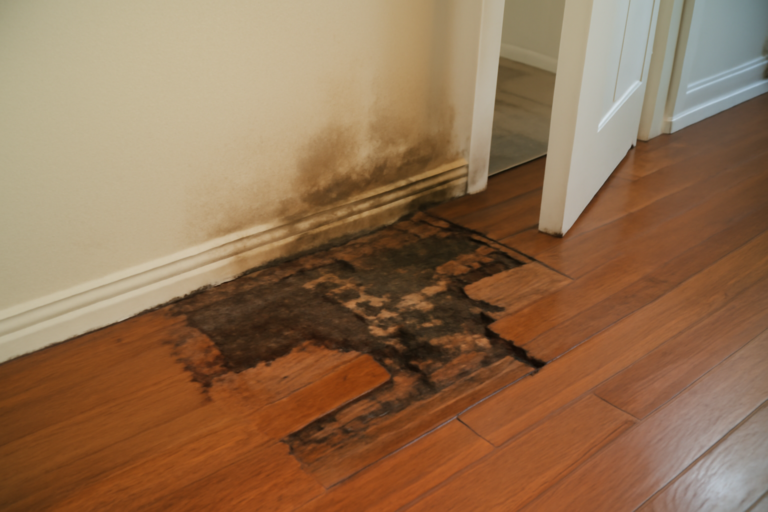
You step onto your living room floor and feel it – that slight give, that spongy sensation underfoot. Then you notice the faint, damp smell creeping in, or maybe a discolored patch on your baseboard. It’s a sinking feeling, knowing moisture has found its way beneath your beautiful flooring. This isn’t just a cosmetic issue; it’s a sign that water damage is attacking your subfloor, threatening the very foundation of your home. Getting this fixed quickly is your absolute top priority right now.
Homeowners around here trust us because we understand the unique challenges of water intrusion in our local climate. With over 165 five-star reviews from satisfied neighbors, we’ve built a reputation for delivering effective Subfloor Water Damage Repair when it matters most. We know you want a team that’s not just responsive, but also deeply knowledgeable about preventing future problems. You deserve reliable, long-term results.
- We use advanced moisture meters to pinpoint the exact extent of water saturation, ensuring every damp spot is addressed.
- Our targeted drying strategies prevent secondary damage like mold growth and structural compromise, saving your home’s integrity.
- We focus on restoring your subfloor’s structural soundness, so you can confidently walk on your floors again without worry.
How We Tackle Subfloor Water Damage Repair
Fixing subfloor water damage requires more than just mopping up a spill. It’s a technical process that demands specialized equipment and a systematic approach. When corners are cut, you often end up with lingering moisture, mold, and more costly repairs down the line. We follow strict industry protocols to ensure your home is properly dried and protected. Your property’s health depends on correct, thorough restoration.
1. Immediate Water Extraction
Our first step is always to remove standing water quickly. We use powerful truck-mounted vacuums and submersible pumps to extract as much water as possible, minimizing saturation. This prevents further damage to your subfloor and surrounding materials.
2. Controlled Demolition and Access
Sometimes, we need to carefully remove sections of flooring or even parts of the subfloor to access the wettest areas. Our crews are trained to perform this precise demolition with minimal disruption, ensuring we can reach all affected materials.
3. Advanced Structural Drying
This is where the real science comes in. We set up industrial-grade air movers and dehumidifiers to create a controlled drying environment. We monitor moisture levels with specialized meters, ensuring your subfloor dries to safe, pre-loss conditions.
4. Containment and Air Quality
To prevent moisture and potential mold spores from spreading, we often use containment barriers. This keeps the drying process localized and protects other areas of your home. Maintaining healthy indoor air is a key part of our process.
5. Mold Prevention and Remediation
If mold is detected or suspected, we have certified technicians ready to address it. We use antimicrobial treatments and follow strict safety guidelines to ensure your home is free from harmful mold growth. Addressing mold immediately is crucial for your health.
Don’t wait for the problem to get worse. If you suspect subfloor water damage, call us immediately. We’re ready to deploy our specialized teams and equipment to your property today.

Warning Signs You Need Subfloor Water Damage Repair
Catching subfloor water damage early can save you a significant amount of money and prevent much larger, more complex issues down the road. Your subfloor is out of sight, but it’s not immune to damage. Paying attention to subtle cues can help you act fast. Recognizing these signs means you can protect your home’s structure and value.
Musty Odors That Won’t Go Away
A persistent, damp, or musty smell, especially noticeable when you first enter a room or after it rains, is a strong indicator of hidden moisture. This smell often comes from water trapped beneath your flooring, creating a breeding ground for mold.
Soft or Spongy Flooring
When you walk across your floor, does it feel soft, springy, or uneven? This is a classic sign that the subfloor beneath has been weakened by water saturation. It means the structural integrity is compromised and needs immediate professional attention.
Visible Stains or Discoloration
Look for water stains on baseboards, walls near the floor, or even directly on the flooring material itself. These marks are clear evidence that water has been present and may have seeped down to the subfloor, causing permanent material damage.
Buckling or Warped Flooring
Wood or laminate flooring can start to buckle, warp, or lift at the edges when exposed to moisture. This happens as the material absorbs water and expands, pushing against itself and indicating that the subfloor may be compromised and unstable.
Increased Humidity Levels
If you notice that the air in your home feels unusually humid, especially in specific rooms, it could be a sign of a hidden water problem. This excess moisture in the air can lead to condensation and damage to the subfloor over time, requiring expert moisture control.
Peeling or Bubbling Near Baseboards
Paint or wallpaper near the floor that is peeling, bubbling, or showing signs of moisture damage can indicate water wicking up from the subfloor. This suggests a significant moisture issue that needs thorough inspection and repair.
Subfloor Water Damage Repair vs. DIY: When To Call a Professional
| Situation | DIY? | Call a Pro? | Why |
|---|---|---|---|
| Small, fresh spill on hard surface (tile, concrete) | Yes | No | Easy to clean up before it penetrates deeply. |
| Slightly damp area after minor leak (e.g., potted plant) | Maybe | Yes | Need to ensure complete drying to prevent mold. |
| Persistent musty odors from a specific room | No | Yes | Hidden moisture and potential mold growth require specialized detection and drying. |
| Flooring feels soft or spongy when walked on | No | Yes | Indicates structural damage to the subfloor itself, needing immediate professional assessment. |
| Visible water stains or mold growth on walls near the floor | No | Yes | Requires containment, specialized cleaning, and structural drying to prevent spread. |
| Large-scale water intrusion (burst pipe, flood) | No | Yes | Extensive water removal, drying, and potential subfloor replacement need professional equipment and expertise. |
For anything beyond a minor, surface-level spill, professional help is almost always the best route for subfloor water damage. Our team has the specialized equipment and training to detect hidden moisture, dry your subfloor completely, and prevent future issues like mold. You’ll get a faster, more reliable restoration.
Subfloor Water Damage Repair Cost In Norcross, GA
The cost for Subfloor Water Damage Repair in Norcross, GA, can vary widely. Factors like the size of the affected area, the severity of the water damage, the type of flooring and subfloor, and the complexity of the drying process all play a role. These figures are estimates to help you budget.
| Service | Typical Price Range | What Affects Cost |
|---|---|---|
| Water Extraction & Initial Drying | $500 – $2,500 | Amount of water, size of the affected area, and required drying time. |
| Moisture Detection & Assessment | $200 – $700 | Complexity of the structure and extent of suspected damage. |
| Controlled Demolition & Access | $300 – $1,500 | Amount of flooring and subfloor needing removal and disposal. |
| Structural Drying with Equipment | $1,000 – $4,000 | Duration of drying needed, equipment setup complexity, and energy consumption. |
| Mold Prevention/Treatment | $500 – $3,000+ | Severity of mold growth and the area requiring treatment. |
| Subfloor Repair/Replacement | $1,000 – $5,000+ | Square footage needing repair or full replacement, and material costs. |
The best way to get an accurate estimate is to have our team come out and assess the damage on-site. We offer free, no-obligation assessments to provide you with a clear understanding of the scope and cost.
Service Areas Near Norcross, GA
We proudly serve Norcross, GA, and the surrounding communities. Our service area includes, but is not limited to, Atlanta, Duluth, Suwanee, Lilburn, Tucker, Chamblee, Doraville, Sandy Springs, Johns Creek, Alpharetta, Marietta, Roswell, Dunwoody, Lawrenceville, Snellville, Stone Mountain, Decatur, Smyrna, Kennesaw, and Woodstock.
Common Questions About Subfloor Water Damage Repair
What’s the first thing I should do if I suspect subfloor water damage?
Your immediate action is crucial. If you see signs of water damage, your first step should be to shut off the water source if possible, like a leaky pipe. Then, try to remove any standing water you can see. Document everything with photos. For anything beyond a small spill, it’s best to contact our team immediately so we can prevent further damage.
How long does subfloor water damage repair typically take?
The timeline for Subfloor Water Damage Repair can vary significantly. Simple drying might take 2-3 days, but if the subfloor is heavily saturated or damaged, it could take a week or more. We use advanced monitoring to ensure we dry your subfloor completely, which is essential for long-term stability. We’ll provide you with a realistic timeline after our initial assessment.
Is subfloor water damage a health hazard?
Yes, it absolutely can be. Trapped moisture creates an ideal environment for mold and mildew to grow, which can release spores into your air. Prolonged exposure to mold can cause respiratory issues and allergic reactions. That’s why prompt professional drying and remediation are so important for your family’s health and safety.
What kind of equipment do you use to dry a subfloor?
We utilize specialized equipment designed for effective structural drying. This includes high-powered air movers to circulate air, industrial-grade dehumidifiers to remove moisture from the air, and sometimes even injectidry systems to push dry air directly into cavities. Our team uses precise moisture meters to track the drying progress and confirm when your subfloor is completely dry and safe.
Can I prevent subfloor water damage?
Preventing subfloor water damage involves regular maintenance and prompt attention to leaks. Keep an eye on plumbing, appliances that use water, and check for any signs of leaks around showers, tubs, and toilets. Ensure your home’s drainage systems are clear. If you do experience a leak, acting fast is your best defense against subfloor damage.
Check Our Other Relevant Services
Serving Norcross, GA And Nearby Areas