Trusted by 165+ Homeowners
Subfloor Water Damage Repair in Palmetto, GA
- Over 165 5-Star Reviews
- Free Estimates and Quotes
- 100% Satisfaction Guaranteed
- Child, Family & Pet Safe Steps
- 24-Hour Emergency Service
- Fully Licensed & Insured

Dealing With Dampness Below Your Floors in Palmetto, GA?
Here in Palmetto, GA, we know how those humid summer days can sometimes lead to more than just sticky skin. When excess moisture decides to make its way under your flooring, it can create a whole host of problems you might not even see at first. This dampness can slowly creep into your subfloor, leading to serious structural issues and even potential health hazards if left unchecked. It’s a sneaky problem that requires a focused approach to fix.
Homeowners around the area trust our team because we tackle this specific issue with the care and attention it deserves. With over 165 five-star reviews, folks know we deliver real results for subfloor water damage. We understand the unique challenges you face and are dedicated to restoring your home’s integrity. Your property is in good, experienced hands with us.
- We focus on rapid drying to prevent further damage and mold growth beneath your finished floors.
- Our team uses specialized equipment to accurately measure moisture levels and ensure complete remediation.
- We protect your home’s structural soundness by addressing the root cause of subfloor dampness, not just the symptoms.
How We Actually Fix Subfloor Water Damage
Getting subfloor water damage right means following a meticulous process. You’ve probably seen other restoration companies that offer a million services, but for this specific problem, a specialized approach is crucial. Cutting corners here can mean recurring issues, warped flooring, and even compromised joists down the line. We’re committed to doing it right the first time, ensuring your home is safe and sound.
Step 1: Initial Assessment and Moisture Detection
When you call us, the first thing we do is a thorough inspection. We use advanced moisture meters to pinpoint exactly where the water is and how deep it’s penetrated your subfloor. This critical step helps us understand the full scope of the damage and plan our approach effectively. It’s all about getting the facts before we start.
Step 2: Water Extraction and Removal
Once we’ve mapped out the wet areas, our crews get to work removing standing water. We use powerful truck-mounted or portable extraction units designed to pull moisture out of materials quickly. This prevents water from spreading further and reduces the risk of long-term structural damage. Speed here is key.
Step 3: Targeted Drying and Dehumidification
This is where specialized equipment really shines. We set up industrial-grade air movers and dehumidifiers strategically around your affected subfloor areas. These machines work tirelessly to evaporate moisture from the wood and air, pulling it into the dehumidifier. Our goal is to bring the moisture content back to safe, pre-loss levels. We monitor this closely.
Step 4: Mold Prevention and Treatment
Damp subfloors are a breeding ground for mold. As part of our drying process, we often apply EPA-approved antimicrobial treatments to the affected subfloor and surrounding materials. This helps prevent mold spores from taking hold and becoming a future problem. Your family’s health is our top priority, so we don’t skip this step.
Step 5: Reconstruction and Flooring Reinstallation
After everything is completely dry and treated, we’ll work to get your home back to its pre-loss condition. This might involve minor repairs to the subfloor itself or preparing it for your flooring materials. We ensure the area is solid and ready for you to enjoy again. You can expect a thorough, professional finish.
Don’t let damp subfloors cause bigger headaches. Reach out to our team today for a swift and effective solution to protect your home’s foundation.

Warning Signs You Need Subfloor Water Damage Repair
Catching subfloor water issues early can save you a lot of money and hassle. Since you can’t always see the damage directly, you need to be aware of the subtle signs. Ignoring these can lead to more extensive repairs and potential health concerns.
Musty Odors That Won’t Go Away
A persistent, damp, or mildewy smell, especially noticeable when you walk into certain rooms, is a classic indicator of hidden moisture. This often means water is trapped where you can’t see it, like under your floors.
Warped or Buckling Flooring
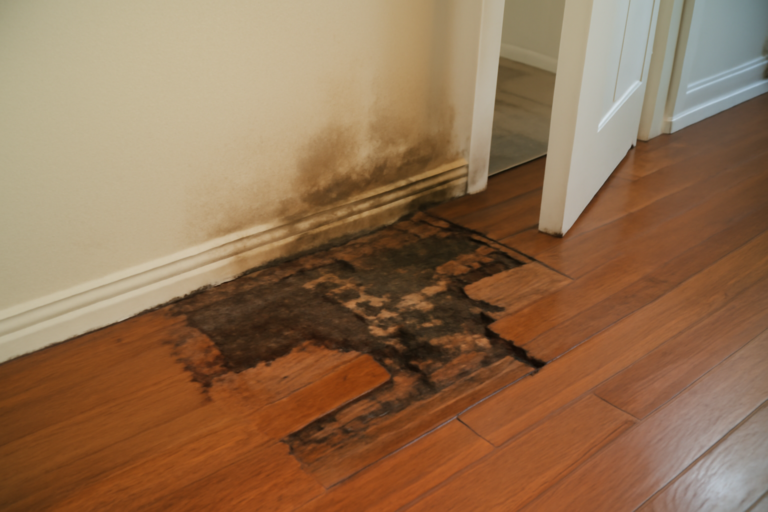
Your hardwood, laminate, or vinyl flooring might start to look uneven, bulge upwards, or show gaps between planks. This happens when the subfloor beneath swells from prolonged moisture exposure.
Soft Spots or Spongy Feeling Underfoot
If certain areas of your floor feel soft, spongy, or give way slightly when you walk on them, it’s a sign that the subfloor material has likely become waterlogged and weakened.
Visible Mold Growth
While often hidden, sometimes mold can start to push through seams in flooring or appear on baseboards near the floor. Any signs of mold require immediate attention.
Increased Humidity Inside
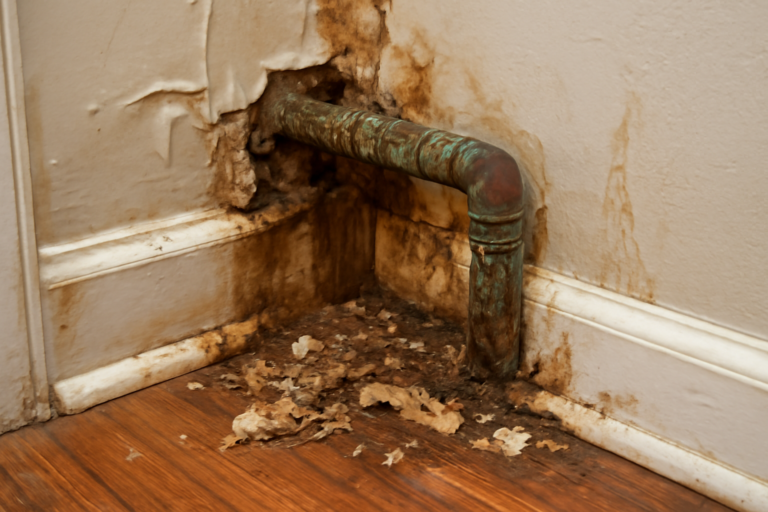
A noticeable spike in indoor humidity levels, even when outdoor conditions haven’t changed drastically, could point to a water source within your home’s structure, like a leaky pipe affecting the subfloor.
Sounds of Dripping or Water Movement
In some cases, you might hear faint dripping or sloshing sounds from beneath the floor, especially after heavy rain or if a plumbing issue is active.
Subfloor Water Damage Repair vs. DIY: When To Call a Professional
| Situation | DIY? | Call a Pro? | Why |
|---|---|---|---|
| Minor spill on finished floor | Yes | No | Easy to wipe up before it soaks in. |
| Suspected leak from pipe under subfloor | No | Yes | Requires specialized detection and extraction to prevent structural damage. |
| Small, isolated damp spot on subfloor after a known small spill | Maybe | Yes | Difficult to ensure complete drying without professional equipment. |
| Warped or buckling flooring discovered | No | Yes | Indicates subfloor damage that needs professional assessment and repair. |
| Persistent musty odors emanating from floor level | No | Yes | Likely hidden mold or significant moisture requiring expert remediation. |
| Water pooling or visible flooding on subfloor | No | Yes | Immediate professional intervention is needed to prevent widespread damage and mold. |
For anything beyond a simple, fresh spill that’s immediately cleaned up, it’s usually best to call in the pros. Subfloor issues can quickly become complex, involving structural integrity and hidden mold risks that DIY methods can’t effectively address.
Subfloor Water Damage Repair Cost In Palmetto, GA
The cost for subfloor water damage repair in Palmetto, GA, can vary quite a bit. It depends heavily on how widespread the water damage is, how long it’s been present, and what specific repairs are needed. These figures are general estimates to help you budget.
| Service | Typical Price Range | What Affects Cost |
|---|---|---|
| Moisture Detection & Assessment | $200 – $600 | Complexity of the issue, number of areas to test. |
| Water Extraction & Drying | $500 – $3,000+ | Amount of water, size of the affected area, duration of drying needed. |
| Subfloor Cleaning & Sanitizing | $300 – $1,500 | Extent of contamination, type of cleaning agents required. |
| Antimicrobial Treatment Application | $250 – $800 | Size of the area treated, product used. |
| Minor Subfloor Repair (e.g., patching) | $400 – $2,000 | Severity of rot or damage, materials needed. |
| Subfloor Replacement (partial or full) | $1,000 – $5,000+ | Square footage requiring replacement, type of subfloor material. |
A precise quote requires our team to visit your property and assess the situation firsthand. We offer free estimates to give you a clear picture of the investment required.
Service Areas Near Palmetto, GA
Tyrone, Fayetteville, Brooks, Peachtree City, Sharpsburg, Senoia, Riverdale, Forest Park, Jonesboro, Lovejoy, McDonough, Hampton, Stockbridge, Locust Grove, Lithia Springs, Douglasville, Austell, Mableton, Smyrna, Vinings
Common Questions About Subfloor Water Damage Repair
How long does subfloor water damage repair usually take?
The timeline for subfloor water damage repair can vary significantly. Simple drying might take 3-5 days, but if there’s structural damage or mold growth, it could extend to several weeks. Our team works efficiently to restore your home as quickly as possible while ensuring complete water removal and drying.
Is subfloor water damage covered by homeowner’s insurance?
Often, yes, especially if the water damage is from a sudden, accidental event like a burst pipe. Damage from gradual leaks or poor maintenance might not be covered. We can help document the damage for your insurance claim and work with your adjuster to ensure you get the coverage you deserve for necessary repairs.
What are the health risks associated with damaged subfloors?
The primary health risk is mold growth, which can trigger allergies, asthma, and other respiratory problems. Hidden moisture can also compromise your home’s structural integrity over time. It’s important to address any dampness promptly to protect your family’s well-being and indoor air quality.
What kind of equipment do you use for subfloor drying?
We utilize specialized equipment like industrial-grade air movers to create airflow across the wet subfloor, and high-capacity dehumidifiers to extract moisture from the air and materials. We also use advanced moisture meters to track progress and ensure we achieve dryness throughout the structure.
Can I prevent subfloor water damage?
Yes, you can take steps to prevent it. Regularly inspect plumbing for leaks, ensure proper drainage around your home’s foundation, and address any spills or leaks promptly. Maintaining your appliances and checking for condensation issues are also key to preventing moisture problems under your floors.
Check Our Other Relevant Services
Serving Palmetto, GA And Nearby Areas