Trusted by 165+ Homeowners
Subfloor Water Damage Repair in Sugar Hill, GA
- Over 165 5-Star Reviews
- Free Estimates and Quotes
- 100% Satisfaction Guaranteed
- Child, Family & Pet Safe Steps
- 24-Hour Emergency Service
- Fully Licensed & Insured

Don’t Let a Damp Subfloor Ruin Your Home in Sugar Hill, GA
Here in Sugar Hill, GA, we know how quickly things can get damp. Our humid summers and occasional heavy rains can lead to moisture creeping where you least expect it. If you’ve noticed your floors feel a bit spongy or you’re catching strange smells, it could be subfloor water damage. Ignoring this can lead to bigger issues like structural weakening and mold growth, so it’s important to address it early. We’re here to help you understand and tackle this problem head-on, protecting your home’s foundation.
Homeowners around the area trust us because we’ve helped hundreds of families restore their homes. With over 165 five-star reviews, you know you’re in good hands. We focus specifically on the often-hidden damage beneath your floors. Our goal is to get your home back to normal, handling the complexities of subfloor water damage with expert care and attention.
- We pinpoint the source of moisture to prevent recurring issues, not just treat the symptom.
- Our specialized drying equipment removes moisture from the subfloor and surrounding materials quickly and efficiently.
- We thoroughly inspect for mold and take immediate steps to remediate it, ensuring a healthy living environment.
How We Tackle Subfloor Water Damage
When water finds its way under your floors, it doesn’t just sit there. It can seep into joists, insulation, and even your foundation. Our process is designed to handle this hidden damage effectively. We don’t cut corners because we know that a thorough job now prevents expensive repairs later. You’ll want to understand what we’re doing and why it’s so crucial for your home’s long-term health.
1. Initial Assessment and Water Source Identification
First, we’ll carefully inspect the affected area to determine the extent of the damage. This involves using moisture meters and thermal imaging to locate all wet spots. Crucially, we’ll work to find the exact source of the water, whether it’s a plumbing leak, foundation crack, or poor drainage. Pinpointing the source is key to preventing future problems.
2. Water Extraction and Drying
Once we know where the water is, we begin extraction. We use powerful pumps and vacuums to remove as much standing water as possible. Then, we set up commercial-grade air movers and dehumidifiers. These machines work tirelessly to dry out the subfloor and surrounding materials, lowering humidity levels and preventing further damage. This phase can take several days, depending on the severity.
3. Subfloor Cleaning and Sanitization
After drying, the subfloor might be left with residue or potential contaminants. We’ll clean the area thoroughly to remove any dirt or debris. If necessary, we’ll apply specialized antimicrobial treatments to sanitize the subfloor and prevent mold and mildew from taking root. This step is vital for maintaining a healthy home environment.
4. Mold Inspection and Remediation
Damp subfloors are a prime breeding ground for mold. Our trained technicians will perform a detailed inspection for any signs of mold growth. If mold is detected, we’ll use proven methods to safely remove it and ensure it doesn’t spread. We take mold seriously and make sure your home is safe and healthy again.
5. Structural Drying and Repair
Sometimes, the water damage can affect the structural integrity of your subfloor or joists. We’ll assess any damage to these components. If repairs are needed, we can often perform them ourselves or coordinate with trusted local contractors to ensure your floors are structurally sound and stable. Our aim is always to restore your home fully.
Don’t let a damp subfloor become a major headache. Contact us today for a thorough assessment and let us help you protect your home. We’re ready to respond quickly to your needs.

Warning Signs You Need Subfloor Water Damage Repair
Catching subfloor water damage early is the best way to minimize costs and prevent long-term problems. Your home will often give you subtle clues that something is wrong. Being aware of these signs can save you a lot of trouble down the road.
Musty Odors That Won’t Go Away
A persistent, musty smell, especially on the first floor or in basements, is a strong indicator of hidden moisture. This smell often means mold or mildew is developing in the dark, damp spaces beneath your floors. It’s a clear warning sign you shouldn’t ignore.
Spongy or Soft Floors
If walking on certain areas of your floor feels soft, spongy, or gives way slightly, the subfloor might be compromised by water. The wood could be rotting or weakened, making it unsafe. This needs immediate professional attention.
Buckling or Warping Floorboards
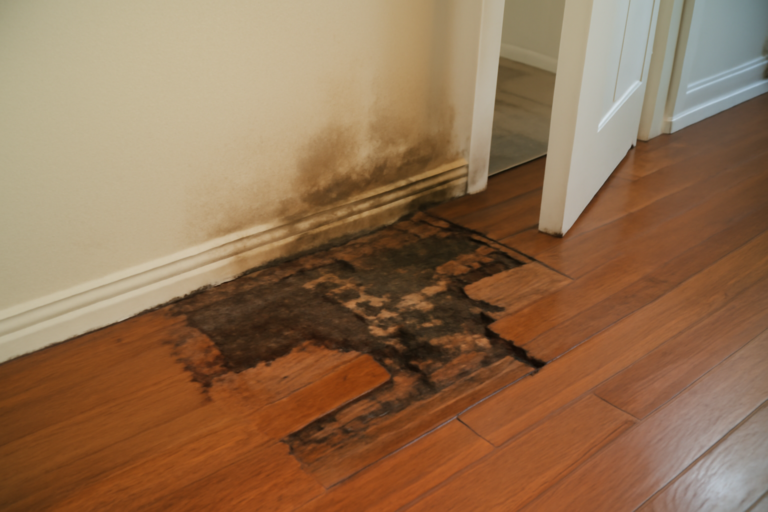
Water absorption causes wood to expand. If your hardwood floors are starting to buckle, lift, or warp, it’s a sign that moisture is trapped beneath. This visual cue often means significant moisture exposure has occurred.
Visible Mold or Mildew
While often hidden, sometimes mold or mildew can start to appear around baseboards, in corners, or even on the surface of visible subfloor areas in unfinished spaces. Any sign of fungal growth means you have a serious moisture problem.
Increased Humidity Levels
If your home suddenly feels more humid than usual, even with air conditioning running, moisture could be escaping from your subfloor. This can create an uncomfortable environment and promote mold growth.
Sounds of Dripping or Water Movement
In very wet situations, you might actually hear faint dripping sounds coming from below your floors, especially if it’s close to a plumbing issue. This is an obvious sign that water is present where it shouldn’t be.
Subfloor Water Damage Repair vs. DIY: When To Call a Professional
| Situation | DIY? | Call a Pro? | Why |
|---|---|---|---|
| Minor spill on hard flooring (tile, laminate) | Yes | No | Easy to wipe up immediately. |
| Detecting a faint musty odor | No | Yes | Odor indicates hidden moisture and potential mold. |
| Small, isolated damp spot on carpet edge | Maybe | Yes | Could be a minor leak, but needs thorough drying to prevent subfloor damage. |
| Buckling or soft spots in hardwood floors | No | Yes | Requires professional assessment and drying to prevent permanent damage. |
| Suspected plumbing leak under the floor | No | Yes | Needs specialized equipment to locate and repair the leak, plus extensive drying. |
| Visible mold growth on subfloor or walls | No | Yes | Requires safe containment and removal by certified professionals. |
While small spills are manageable, anything involving potential subfloor saturation, mold, or structural compromise is best left to the pros. Our team has the tools and expertise to handle these complex issues safely and effectively. We ensure your home is dried, cleaned, and restored properly.
Subfloor Water Damage Repair Cost In Sugar Hill, GA
The cost of subfloor water damage repair in Sugar Hill, GA, varies greatly depending on the extent of the damage, the size of the affected area, and the specific materials involved. These figures are general estimates for the area and not exact quotes. A proper assessment is always needed for an accurate price. Understanding these factors helps homeowners budget for repairs.
| Service | Typical Price Range | What Affects Cost |
|---|---|---|
| Water Extraction (per sq ft) | $0.50 – $2.00 | Amount of water and accessibility of the area. |
| Structural Drying (equipment rental) | $300 – $1,500 | Duration of drying needed and number of machines used. |
| Subfloor Cleaning & Sanitizing | $200 – $800 | Size of the affected subfloor and type of cleaning agents needed. |
| Mold Inspection & Testing | $300 – $1,000 | Number of samples taken and complexity of the inspection. |
| Mold Remediation (per sq ft) | $50 – $200 | Severity of mold infestation and containment procedures. |
| Subfloor Repair/Replacement (per sq ft) | $10 – $30 | Type of material (plywood, OSB) and extent of rot or damage. |
The best way to get an accurate estimate for your specific situation is to have our team come out for an on-site inspection. We offer free, no-obligation estimates so you know exactly what to expect. Let us help you find the most cost-effective solution.
Service Areas Near Sugar Hill, GA
Buford, Suwanee, Cumming, Duluth, Johns Creek, Lawrenceville, Flowery Branch, Oakwood, Braselton, Dacula, Norcross, Hoschton, Snellville, Lilburn, Tucker, Canton, Alpharetta, Milton, Marietta, Roswell.
Common Questions About Subfloor Water Damage Repair
What if I have water damage under my hardwood floors?
Water under hardwood floors is a serious concern. It can cause warping, buckling, and promote mold growth in the subfloor. We use specialized drying equipment to extract moisture and dry the area without requiring immediate floor removal. It’s crucial to address this quickly to prevent permanent damage to your beautiful floors.
How long does subfloor water damage repair take?
The timeline varies significantly based on the amount of water and the extent of the saturation. Initial water extraction and setup of drying equipment might take a day or two. The actual drying process can take anywhere from 3 to 14 days, sometimes longer, depending on how deep the moisture has penetrated. We’ll give you a better estimate after our initial assessment.
Is water damage under the floor a health hazard?
Yes, absolutely. Standing water and damp materials create an ideal environment for mold and mildew to grow. These can release spores into your air, leading to respiratory issues, allergies, and other health problems. Our team prioritizes safety and health by thoroughly drying and sanitizing affected areas.
What kind of equipment do you use for drying?
We utilize professional-grade equipment, including high-powered water extractors, industrial air movers (fans), and LGR (Low-Grain Refrigerant) dehumidifiers. These are far more effective than typical household fans or dehumidifiers. They are designed to rapidly remove moisture from building materials and control humidity levels in your home.
Can I prevent water damage under my subfloor?
Yes, prevention is key. Regularly inspect plumbing for leaks, ensure your roof and gutters are in good repair, and check for proper drainage around your foundation. Sealing any cracks in the foundation and maintaining your appliances can also help. We can also offer advice on maintaining a dry environment during our visits.
Check Our Other Relevant Services

Jerry Johns is a licensed Damage Restoration Expert with over 20 years of hands-on experience helping homeowners and businesses navigate property crises. As a trusted authority in the field, Jerry combines technical precision with a compassionate approach to disaster recovery.
𝗖𝗲𝗿𝘁𝗶𝗳𝗶𝗰𝗮𝘁𝗶𝗼𝗻𝘀: Jerry holds multiple elite IICRC certifications, including Water Damage Restoration (WRT), Applied Microbial Remediation (Mold), Applied Structural Drying (ASD), Odor Control, and Fire and Smoke Restoration.
𝗙𝗮𝘃𝗼𝗿𝗶𝘁𝗲 𝗣𝗮𝘀𝘁𝗶𝗺𝗲: When he isn’t on a job site, Jerry is an avid outdoorsman who enjoys fly fishing and restoring vintage woodworking tools.
𝗕𝗲𝘀𝘁 𝗣𝗮𝗿𝘁 𝗼𝗳 𝘁𝗵𝗲 𝗝𝗼𝗯: Jerry finds the most fulfillment in seeing the relief on a client’s face when their property is finally restored to its pre-loss condition, turning a stressful disaster into a fresh start.