Trusted by 165+ Homeowners
Subfloor Water Damage Repair in Suwanee, GA
- Over 165 5-Star Reviews
- Free Estimates and Quotes
- 100% Satisfaction Guaranteed
- Child, Family & Pet Safe Steps
- 24-Hour Emergency Service
- Fully Licensed & Insured

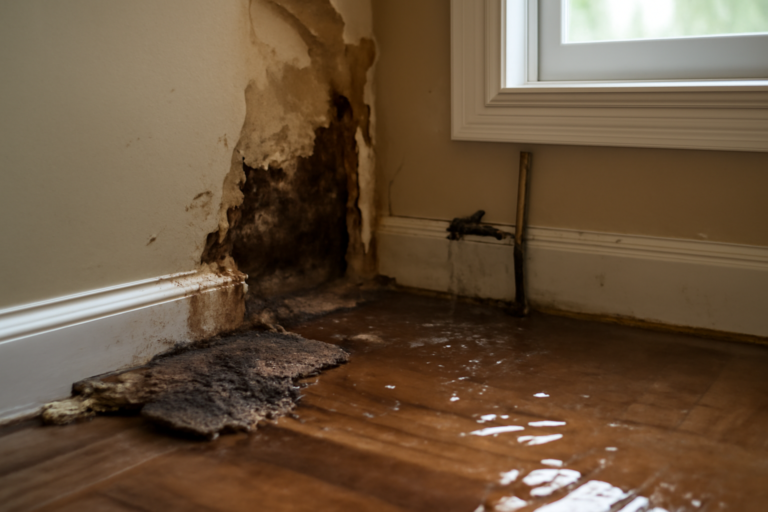
Don’t Let Hidden Water Ruin Your Home: Subfloor Water Damage Repair in Suwanee, GA
Did you know that up to 40% of water damage claims involve hidden moisture, often starting in the subfloor? Many homeowners in Suwanee, GA, don’t realize the extent of damage until it’s extensive. Hidden water intrusion can lead to serious structural issues and even impact your family’s health. It’s crucial to address subfloor water damage promptly before it spreads and becomes a much larger problem.
Our team has helped over 165+ homeowners in your neighborhood effectively deal with subfloor water issues, earning more than 165 five-star reviews. You’re choosing local experts who understand the unique challenges this area faces. We focus on getting your home dry and secure, making sure your property is protected from further harm. We’ve seen it all, and we know how to handle it right.
- We specialize in pinpointing the exact source of leaks, whether it’s plumbing, appliance failures, or foundation issues, preventing future occurrences.
- Our drying process uses advanced equipment to remove moisture from deep within your subfloor and surrounding materials, stopping mold growth before it starts.
- We work directly with your insurance company, providing detailed documentation and estimates to help streamline your claim for subfloor water damage repair.
How Subfloor Water Damage Repair Actually Works
A proper process for subfloor water damage repair is more than just mopping up water. It involves meticulous inspection, targeted drying, and sometimes structural repair. Cutting corners here means you’re likely facing a repeat problem or developing mold and rot. Our systematic approach ensures every bit of moisture is removed, preventing long-term damage and keeping your home healthy. We’re committed to providing a thorough repair that lasts.
Inspection and Assessment
Our certified technicians begin with a detailed inspection using specialized tools like moisture meters and thermal imaging cameras. This allows us to accurately map the extent of the water intrusion, even in hidden areas. We identify the source and determine the best course of action for your specific situation.
Water Extraction
Once the source is stopped, we use powerful extraction equipment to remove standing water from your subfloor. This step is critical for preventing further saturation and damage to your flooring and structural components. Fast water removal is key to minimizing restoration time.
Structural Drying
This is where our specialized equipment truly shines. We deploy industrial-grade air movers and dehumidifiers to create an optimal drying environment. These machines work tirelessly to pull moisture out of the subfloor, joists, and surrounding materials. Proper structural drying is essential to prevent mold and rot. This stage can take several days, depending on the severity of the water damage.
Mold Prevention and Remediation
If mold has already begun to grow, or if conditions are conducive to it, our trained professionals will safely remediate the affected areas. We follow strict protocols to contain and remove mold, ensuring your home’s air quality is safe. Preventing mold growth is a top priority.
Subfloor Repair or Replacement
Depending on the damage, we may need to repair or replace sections of your subfloor. We use quality materials to ensure the integrity and stability of your flooring structure. Restoring your subfloor correctly means your floors will be stable and safe again.
Don’t wait for minor leaks to turn into major headaches. Contact us today for a thorough assessment of your subfloor water damage. We’re here to help you get your home back to normal quickly and efficiently.

Warning Signs You Need Subfloor Water Damage Repair
Catching subfloor water damage early can save you a significant amount of money and prevent much larger structural issues down the line. Ignoring these signs often leads to more expensive repairs and potential health hazards. Early detection is vital for protecting your home’s integrity.
Musty Odors That Won’t Go Away
A persistent damp, musty smell, especially noticeable when you first walk into a room or near the floor, is a strong indicator of hidden moisture. These persistent odors often signal mold growth in your subfloor or crawl space.
Warped or Sticking Floors
If your hardwood floors are buckling, warping, or if doors and cabinets start sticking, it’s a sign that the subfloor beneath them is absorbing moisture and expanding. Noticeable floor changes usually mean water has been present for a while.
Soft Spots or Spongy Feeling Underfoot
Walking across certain areas of your floor and feeling a soft or spongy give means the subfloor material has likely become saturated and compromised. This spongy sensation indicates structural weakness due to water saturation.
Visible Water Stains or Discoloration
Water stains appearing on the ceiling below a floor, or on the floor itself if the material is porous, are clear visual cues of a leak. Discolored areas are a direct sign of water intrusion.
Peeling or Bubbling Flooring
If you have vinyl, laminate, or carpet, you might notice it peeling away from the subfloor or bubbling up. This can happen as moisture gets trapped underneath and affects the adhesive or material itself. Damaged flooring often points to a problem beneath.
Increased Humidity Levels
A sudden or unexplained increase in the humidity level within your home, even with your HVAC system running, could be due to a hidden water source like a leaky subfloor. Higher indoor humidity can create a breeding ground for mold.
Subfloor Water Damage Repair vs. DIY: When To Call a Professional
| Situation | DIY? | Call a Pro? | Why |
|---|---|---|---|
| Minor spill on a hard surface subfloor (tile, concrete) | Yes | No | Easy to clean and dry with fans and towels. |
| Small, isolated leak from a pipe under a section of subfloor | Maybe | Yes | Difficult to access and dry thoroughly without specialized equipment. |
| Widespread water saturation across a large area of subfloor | No | Yes | Requires industrial drying equipment and expertise to prevent mold. |
| Subfloor feels soft, spongy, or is visibly rotting | No | Yes | Indicates structural damage requiring professional assessment and repair. |
| Suspected mold growth on the subfloor or joists | No | Yes | Mold remediation requires safety protocols and specialized knowledge. |
| Water damage affecting multiple layers of flooring and subflooring | No | Yes | Complex situation needing comprehensive drying and potential structural work. |
For anything beyond a minor surface spill, professional intervention is usually the best route for subfloor water damage. DIY attempts often miss hidden moisture, leading to costly secondary problems like mold and structural decay. Our team has the tools and training to handle the job right the first time.
Subfloor Water Damage Repair Cost In Suwanee, GA
The cost for subfloor water damage repair in Suwanee, GA, can vary significantly based on the extent of the water intrusion, the type of subfloor material, and the complexity of the necessary repairs. These figures are general estimates for the area. Accurate pricing requires an on-site inspection.
| Service | Typical Price Range | What Affects Cost |
|---|---|---|
| Subfloor Water Damage Assessment | $300 – $800 | Complexity of the leak and required diagnostic tools. |
| Water Extraction (per sq ft) | $0.50 – $2.00 | Amount of water to be removed and accessibility. |
| Structural Drying (per day with equipment) | $200 – $500 | Number of machines needed and duration of drying. |
| Subfloor Repair (patching) | $500 – $1,500 | Size and location of the damaged section. |
| Subfloor Replacement (per sq ft) | $3 – $8 | Material costs and labor for removal and installation. |
| Mold Testing and Remediation | $500 – $4,000+ | Severity and spread of mold contamination. |
These prices reflect typical scenarios, but your specific situation may differ. We offer free estimates and can help you navigate the insurance process to understand your coverage. Let us provide a clear, upfront quote after a thorough inspection.
Service Areas Near Suwanee, GA
Alpharetta, Atlanta, Berkeley Lake, Buford, Chamblee, Clarkston, Cumming, Dacula, Duluth, Dunwoody, Flowery Branch, Gainesville, Johns Creek, Lawrenceville, Lilburn, Norcross, Peachtree Corners, Roswell, Sandy Springs, Sugar Hill
Common Questions About Subfloor Water Damage Repair
My basement has a musty smell, but I don’t see any puddles. Could my subfloor be damaged?
Absolutely. A persistent musty odor is often the first sign of hidden moisture in your subfloor or crawl space, even if there are no visible puddles. This smell usually indicates mold or mildew growth that thrives in damp, dark environments. Our team uses specialized moisture meters and thermal cameras to detect these unseen dampness issues and confirm if your subfloor is affected, allowing us to address the problem before it worsens.
How long does the subfloor water damage repair process typically take?
The timeline for subfloor water damage repair can vary greatly, but the drying phase alone often takes 3 to 7 days, sometimes longer depending on the saturation level and building materials. After initial water extraction, our specialized drying equipment needs time to effectively remove all the moisture. We’ll provide you with a more accurate timeline after our initial assessment, but prompt action helps speed up the entire restoration process.
Is it safe to live in my home while you’re doing subfloor water damage repair?
In many cases, yes, it’s safe to remain in your home, especially if the damage is contained to a specific area. However, if mold is involved or if the work requires significant disruption, we might recommend temporary relocation for your comfort and safety. We prioritize your well-being and will discuss any necessary precautions or temporary measures with you. Our goal is to make the process as minimally disruptive as possible.
What happens if the water damage has reached the joists and foundation?
If water has saturated your floor joists and potentially affected your foundation, it requires immediate and thorough attention. Our crews are trained to assess the structural integrity of these components. We’ll ensure the joists are properly dried, treated for mold if necessary, and that any compromised materials are repaired or replaced. Protecting your home’s structure is paramount, and we’ll ensure all affected areas are addressed.
How can I prevent subfloor water damage in the future?
Regularly inspecting plumbing, appliance hoses (like for dishwashers and washing machines), and your roof for leaks is key. Ensuring proper grading around your home directs water away from the foundation. Also, maintaining your HVAC system can prevent condensation issues. Proactive maintenance is your best defense against future water damage. We can also offer advice on identifying potential problem areas during our service visits.
Check Our Other Relevant Services
Serving Suwanee, GA And Nearby Areas