Trusted by 165+ Homeowners
Subfloor Water Damage Repair in Tyrone, GA
- Over 165 5-Star Reviews
- Free Estimates and Quotes
- 100% Satisfaction Guaranteed
- Child, Family & Pet Safe Steps
- 24-Hour Emergency Service
- Fully Licensed & Insured

Don’t Let Hidden Water Ruin Your Home: Subfloor Water Damage Repair in Tyrone, GA
One of the most insidious problems a homeowner can face is subfloor water damage, often hiding right under your feet. You might notice a persistent dampness, a strange smell, or even buckling floors, but the real damage is happening out of sight. Ignoring these early signs could lead to serious structural issues and expensive repairs down the line. We understand how unsettling it is to suspect a hidden problem in your Tyrone, GA home, and our team is here to bring it to light and fix it right.
Locally, homeowners trust our dedicated crews for swift and effective subfloor water damage repair. With over 165 five-star reviews, you can see why so many in your neighborhood count on us when they discover this hidden threat. We focus on getting to the root of the problem quickly, so you can get back to enjoying your home without worry. It’s about restoring your confidence and protecting your investment.
- Rapid detection and drying of moisture trapped beneath your flooring, preventing further rot and mold growth.
- Expert removal of damaged materials and replacement with durable, new components to restore your subfloor’s integrity.
- Thorough inspection and sealing of the water source to prevent future occurrences, giving you long-term protection.
How We Tackle Subfloor Water Damage
When water finds its way beneath your floors, acting fast is absolutely critical. A proper, methodical approach isn’t just about drying things out; it’s about understanding the extent of the damage and preventing secondary issues like mold or structural compromise. Our team follows a precise, proven process to ensure every bit of moisture is addressed and your subfloor is restored to its original condition. Cutting corners here can lead to much bigger problems later, and we never want that for you.
Initial Inspection and Assessment
Our first step is always a thorough inspection using advanced moisture meters and thermal imaging cameras. This helps us pinpoint exactly where the water is and how far it has spread beneath your flooring. We’ll provide a clear, honest assessment of the damage, outlining the necessary steps for repair. This phase is crucial for accurate damage evaluation.
Water Extraction and Drying
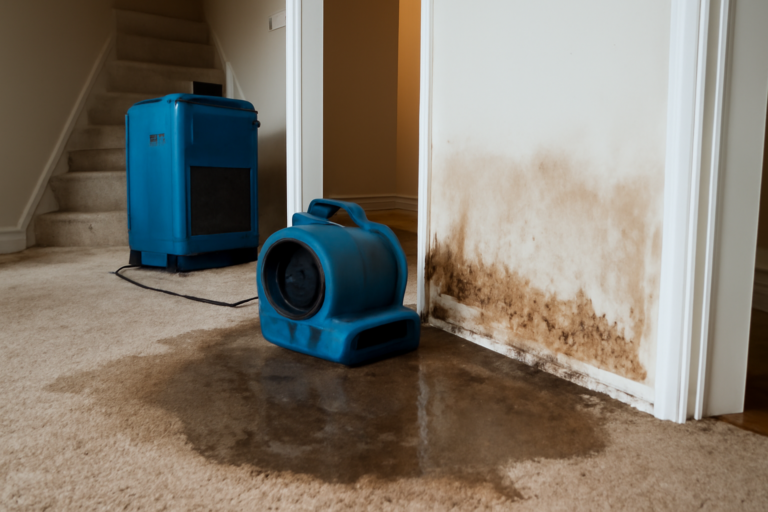
Once we’ve located the source and extent of the water, our crews use powerful, specialized extraction equipment to remove standing water. Following extraction, we deploy industrial-grade air movers and dehumidifiers to thoroughly dry the subfloor and surrounding areas. This targeted drying process is essential for preventing mold and further deterioration, typically taking several days depending on the severity.
Damage Assessment and Material Removal
After drying, we carefully assess the condition of your subfloor materials. If sections are compromised by rot or structural weakness, they must be safely removed. Our technicians are skilled in identifying damaged materials and preparing the area for reconstruction. This ensures we are only replacing what truly needs replacing, saving you unnecessary repair costs.
Subfloor Repair and Replacement
Damaged or removed subfloor sections are replaced with new, high-quality materials. We ensure the new materials are properly installed and integrated with the existing structure, restoring the stability and integrity of your floor. This step is vital for long-term structural soundness.
Odor and Mold Prevention
Water damage often brings unpleasant odors and the potential for mold growth. We treat the affected areas to neutralize odors and apply antimicrobial solutions to inhibit mold development. Our goal is to leave your home not only structurally sound but also fresh and healthy. This proactive approach is key to maintaining a healthy environment.
Don’t let hidden water create bigger headaches. If you suspect subfloor water damage, call us immediately. We’re ready to respond quickly and efficiently, protecting your home from further harm. It’s about acting before it’s too late.

Warning Signs You Need Subfloor Water Damage Repair
Catching subfloor water damage early can save you significant time, money, and stress. These hidden issues often present subtle clues that are easy to miss if you’re not looking for them. Paying attention to these warning signs is your first line of defense against costly structural problems.
Musty Odors That Won’t Go Away
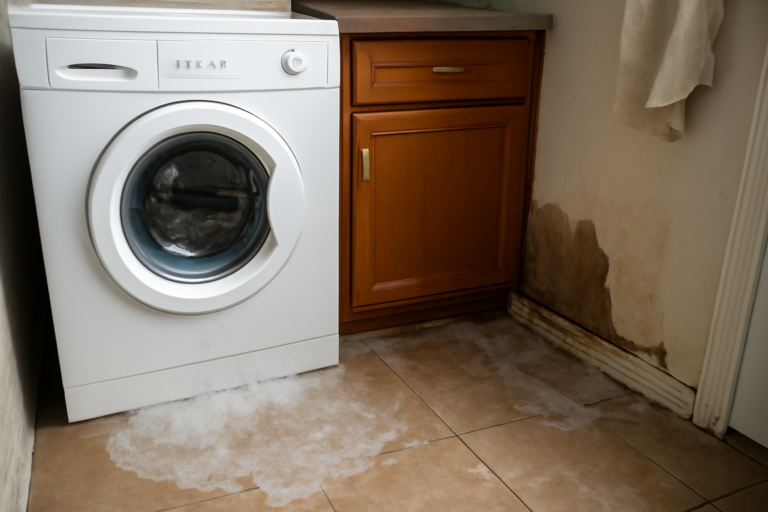
A persistent, damp, or musty smell emanating from your floors, especially after rain or if you’ve had a leak, is a major red flag. This odor is often caused by mold and mildew growing in the damp environment beneath your flooring. It’s your nose telling you there’s a hidden moisture problem.
Soft or Spongy Flooring
When you walk across a specific area and it feels soft, spongy, or like it gives way slightly, this indicates the subfloor beneath is likely waterlogged and weakened. This is a clear sign of structural compromise that needs immediate attention.
Buckling or Warped Flooring
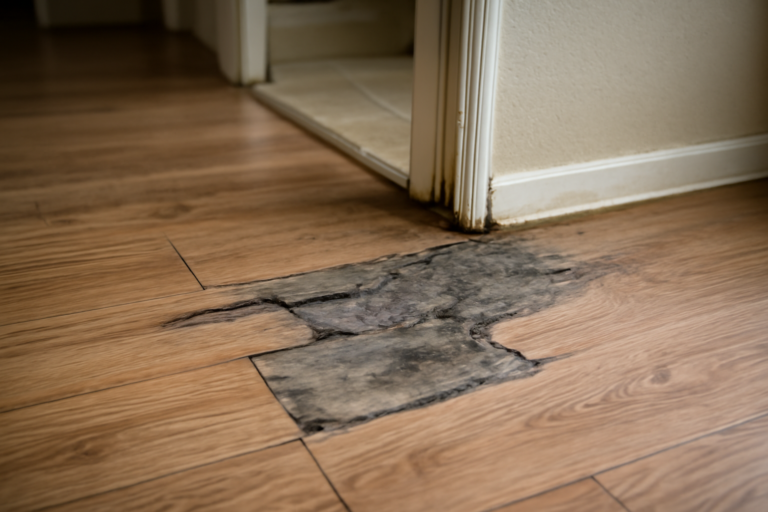
Your finished flooring materials, like hardwood or laminate, may start to buckle, lift, or warp. This happens as the moisture affects the wood or other materials in your floor system, causing them to expand and move. It’s a visible indicator of underlying moisture issues.
Visible Stains or Discoloration
While often hidden, sometimes water stains can seep through to the surface of your flooring, especially lighter-colored materials. You might see dark spots or discoloration that weren’t there before. These are direct signs of water intrusion.
Increased Humidity or Dampness
If you notice an unusual increase in humidity or a general feeling of dampness in the rooms above the affected area, even when the weather isn’t humid, it could point to a hidden leak. This pervasive dampness can contribute to mold and mildew growth.
Sounds of Dripping or Water Movement
In quieter moments, you might hear faint dripping sounds or even the sound of water sloshing when you walk in certain areas. This is a very direct sign that there is standing water trapped beneath your floors. Don’t ignore these audible water alerts.
Subfloor Water Damage Repair vs. DIY: When To Call a Professional
| Situation | DIY? | Call a Pro? | Why |
|---|---|---|---|
| Minor spill on hard surface flooring (tile, vinyl) | Yes | No | Quick cleanup prevents absorption into grout or seams. |
| Suspected leak from plumbing within walls or under the floor | No | Yes | Requires specialized tools for leak detection and repair to avoid further damage. |
| Small, isolated damp spot on carpeted area | Maybe | Yes | A pro can extract moisture and dry effectively, preventing mold. |
| Buckling or warping of hardwood floors | No | Yes | This indicates significant moisture has affected the subfloor and flooring structure. |
| Persistent musty odors from the floor | No | Yes | Likely indicates mold growth that needs professional remediation. |
| Large areas of standing water under the floor | No | Yes | Requires powerful extraction and drying equipment for complete removal. |
While small, immediate spills might be manageable, any situation involving persistent moisture, compromised materials, or potential mold growth warrants professional attention. Our team has the specialized equipment and expertise to properly dry, repair, and restore your subfloor, ensuring a safe and stable foundation for your home.
Subfloor Water Damage Repair Cost In Tyrone, GA
The cost for subfloor water damage repair in Tyrone, GA can vary significantly. Factors like the size of the affected area, the extent of the damage, the type of flooring you have, and the complexity of the repair all play a role. These figures are general estimates, not exact quotes.
| Service Aspect | Typical Price Range | What Affects Cost |
|---|---|---|
| Moisture Detection & Assessment | $200 – $600 | Complexity of the area, need for specialized equipment like thermal cameras. |
| Water Extraction (per affected area) | $500 – $1,500 | Volume of water, accessibility, and size of the space requiring extraction. |
| Structural Drying (equipment rental & monitoring) | $700 – $2,000 | Duration of drying needed, size of space, and number of machines required. |
| Subfloor Section Replacement (material & labor) | $500 – $2,500+ | Square footage needing replacement, type of subfloor material, and labor intensity. |
| Antimicrobial Treatment & Odor Removal | $300 – $800 | Size of the affected area and the severity of mold/odor issues. |
| Flooring Reinstallation (labor only) | $500 – $2,000+ | Type of flooring being reinstalled and the complexity of the pattern. |
The best way to get an accurate understanding of costs for your specific situation is to schedule an on-site assessment. We offer free, no-obligation estimates so you know exactly what to expect before any work begins.
Service Areas Near Tyrone, GA
Fayetteville, Peachtree City, Newnan, Fairburn, Union City, Chattahoochee Hills, Palmetto, Sharpsburg, Brooks, Tyrone, Atlanta, College Park, East Point, Hapeville, Riverdale, Jonesboro, Lovejoy, Hampton, Locust Grove, Jackson
Common Questions About Subfloor Water Damage Repair
How long does subfloor water damage repair usually take?
The timeline depends heavily on the severity of the water damage and the size of the affected area. Initial extraction and drying can take anywhere from 24 hours to several days, using industrial dehumidifiers and air movers. Subsequent repair and replacement of subfloor materials will add more time. We aim for efficient, thorough work to get your home back to normal as quickly as possible, providing clear project timelines.
Will my homeowner’s insurance cover subfloor water damage?
Often, homeowner’s insurance policies cover sudden and accidental water damage, such as from burst pipes or severe storms. However, damage from gradual leaks or lack of maintenance might not be covered. It’s always best to review your specific policy and contact your insurance provider. We can help document the damage to support your insurance claim.
What are the health risks associated with subfloor water damage?
The primary health risk is mold growth, which can thrive in damp, dark environments like under your floors. Mold spores can trigger allergies, asthma, and other respiratory issues, especially for sensitive individuals. That’s why prompt and thorough drying and remediation are crucial for protecting your family’s health.
What equipment do you use to dry out a subfloor?
We utilize a range of specialized equipment designed for efficient water damage restoration. This includes powerful truck-mounted or portable water extractors to remove standing water, industrial-grade dehumidifiers to pull moisture from the air and materials, and high-speed air movers to accelerate the evaporation process. These tools are essential for effective moisture removal.
Can I prevent subfloor water damage?
Preventing subfloor water damage involves regular home maintenance. This includes inspecting plumbing for leaks, ensuring proper drainage around your foundation, sealing grout in bathrooms and kitchens, and promptly addressing any spills or known leaks. Keeping an eye out for early warning signs, like those mentioned above, is also key to proactive home care.
Check Our Other Relevant Services

Jerry Johns is a licensed Damage Restoration Expert with over 20 years of hands-on experience helping homeowners and businesses navigate property crises. As a trusted authority in the field, Jerry combines technical precision with a compassionate approach to disaster recovery.
𝗖𝗲𝗿𝘁𝗶𝗳𝗶𝗰𝗮𝘁𝗶𝗼𝗻𝘀: Jerry holds multiple elite IICRC certifications, including Water Damage Restoration (WRT), Applied Microbial Remediation (Mold), Applied Structural Drying (ASD), Odor Control, and Fire and Smoke Restoration.
𝗙𝗮𝘃𝗼𝗿𝗶𝘁𝗲 𝗣𝗮𝘀𝘁𝗶𝗺𝗲: When he isn’t on a job site, Jerry is an avid outdoorsman who enjoys fly fishing and restoring vintage woodworking tools.
𝗕𝗲𝘀𝘁 𝗣𝗮𝗿𝘁 𝗼𝗳 𝘁𝗵𝗲 𝗝𝗼𝗯: Jerry finds the most fulfillment in seeing the relief on a client’s face when their property is finally restored to its pre-loss condition, turning a stressful disaster into a fresh start.