Trusted by 165+ Homeowners
Sump Pump Failure Water Damage Restoration in Grayson, GA
- Over 165 5-Star Reviews
- Free Estimates and Quotes
- 100% Satisfaction Guaranteed
- Child, Family & Pet Safe Steps
- 24-Hour Emergency Service
- Fully Licensed & Insured

When Your Sump Pump Fails in Grayson, GA: Immediate Water Damage Restoration
You walk into your basement, and it hits you—that damp, musty smell. You see water pooling around your sump pump, and a sinking feeling sets in. Your sump pump has failed, and now water is seeping into your home. This specific kind of flood needs a swift, specialized response to prevent long-term damage. You need to act immediately to protect your property.
Homeowners around here trust our team because we understand the urgency of sump pump failures. We’ve helped hundreds of neighbors deal with this exact situation, earning over 165 five-star reviews. We’re known for our quick response times and our thorough restoration methods, getting your home back to normal as fast as possible.
- We focus on drying out the specific moisture introduced by sump pump backups, preventing secondary damage like mold growth.
- Our team uses advanced equipment to detect hidden moisture deep within your walls and floors, ensuring a complete dry-out.
- We’ll handle everything from water extraction to structural drying, leaving no trace of the sump pump failure.
How We Tackle Sump Pump Failure Water Damage Restoration
A proper process for sump pump failure water damage restoration is critical. Skipping steps or using inadequate equipment can lead to lingering moisture, which then causes structural issues and mold. Our crews follow a meticulous, science-based approach to ensure your home is dried and restored correctly. We know the science behind effective drying, and we bring that expertise to your property.
Initial Water Extraction
First, we remove standing water using powerful truck-mounted extraction units. This immediately stops further damage. We’ll work to remove bulk water efficiently, often within the first few hours.
Moisture Detection and Assessment
Next, our technicians use specialized tools like infrared cameras and moisture meters to identify all wet materials and hidden moisture. This is crucial for understanding the full extent of the problem and planning our drying strategy. We measure moisture content in materials, not just surfaces.
Controlled Drying and Dehumidification
We then deploy industrial-grade air movers and dehumidifiers. These machines create optimal drying conditions, accelerating evaporation. We carefully monitor humidity levels and air movement to ensure effective structural drying. This stage can take several days depending on the saturation.
Sanitization and Odor Control
Once materials are dry, we sanitize affected areas to eliminate any potential contaminants or odors left behind. This step is vital for your home’s health and safety. We use EPA-approved solutions to ensure a truly clean environment.
Structural Drying and Reconstruction
In some cases, materials like drywall or insulation may need to be removed. We’ll restore these elements to ensure your basement is safe and sound. Our goal is to bring your home back to its pre-loss condition, making it safe and comfortable again.
Don’t let sump pump failure ruin your home. Call us now for immediate assistance. We’re ready to deploy our team without delay to your property.

Warning Signs You Need Sump Pump Failure Water Damage Restoration
Catching the early signs of sump pump failure is key to minimizing damage and costly repairs. Ignoring these indicators can allow water to spread, creating bigger problems down the line. Your vigilance can save you a lot of trouble and expense.
Musty Odors That Won’t Go Away
A persistent, unpleasant smell, especially in your basement or lower levels, is a strong indicator of hidden moisture. This odor is often the first sign of mold or mildew growth, which thrives in damp conditions. You might notice a damp, earthy scent that lingers.
Visible Water or Damp Spots
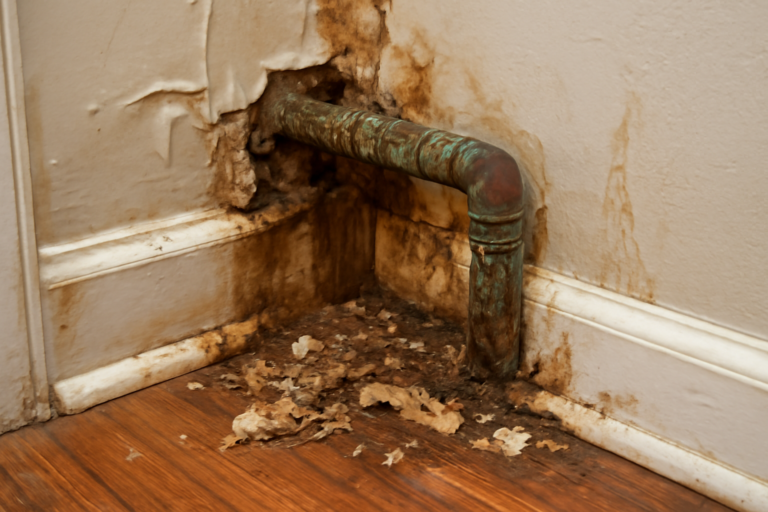
Pooling water is the most obvious sign, but even damp patches on walls, floors, or ceilings are serious warnings. These spots mean water has found its way into your building materials. Look for discoloration or peeling paint on surfaces.
Increased Humidity Levels
If your basement feels unusually damp, clammy, or muggy, even when the weather isn’t particularly humid, your sump pump might be failing. High indoor humidity can lead to condensation and further moisture problems. You may notice condensation on pipes or cooler surfaces.
Sounds of Running Water When It’s Not Raining
Hearing trickling or running water sounds when there’s no active rain outside could mean water is backing up from your sump pit. This is a direct sign that the pump isn’t doing its job. Listen for unusual water noises from below.
Mold or Mildew Growth
Any visible signs of mold or mildew, often appearing as black, green, or white fuzzy patches, point to a moisture problem that needs immediate attention. This growth can spread rapidly in damp environments. It’s a clear sign of water intrusion issues.
Your Sump Pump Is Constantly Running or Not Running At All
An overworked pump or a pump that has completely stopped working are both critical failures. A pump that runs constantly might be struggling, while one that’s silent indicates a complete failure. Observe your pump’s operational status closely.
Sump Pump Failure Water Damage Restoration vs. DIY: When To Call a Professional
| Situation | DIY? | Call a Pro? | Why |
|---|---|---|---|
| Small, contained puddle in a finished basement | Yes, for immediate cleanup | Yes, for thorough drying | DIY cleanup can miss hidden moisture, leading to mold. |
| Extensive flooding covering the entire basement floor | No | Yes | Professional equipment is needed for rapid, deep drying. |
| Water near electrical outlets or appliances | No | Yes | Safety is a major concern; specialized handling is required. |
| Suspected mold growth or musty odors present | No | Yes | Mold remediation requires specific containment and treatment protocols. |
| Water damage to structural wood or drywall | No | Yes | Professionals can assess structural integrity and perform necessary repairs. |
| You’re unsure about the extent of the damage | No | Yes | An expert assessment prevents overlooking critical issues. |
While minor spills can sometimes be managed with DIY efforts, sump pump failures often involve more significant water intrusion. For anything beyond a small, contained puddle, calling our team is the safest and most effective route. We have the tools and knowledge to ensure a complete and safe restoration.
Sump Pump Failure Water Damage Restoration Cost In Grayson, GA
The cost of sump pump failure water damage restoration in Grayson, GA, can vary significantly. Factors include the amount of water, the size of the affected area, the type of flooring and finishes, and how quickly we can begin the drying process. These are general estimates and a detailed on-site assessment is always needed for an accurate quote.
| Service Aspect | Typical Price Range | What Affects Cost |
|---|---|---|
| Water Extraction (up to 500 sq ft) | $500 – $1,500 | Amount of water, accessibility of the area. |
| Structural Drying & Dehumidification (up to 1,000 sq ft) | $1,000 – $3,500 | Duration of drying needed, number of units deployed. |
| Moisture Detection & Assessment | $200 – $500 | Complexity of the structure, need for advanced imaging. |
| Sanitization & Odor Removal | $300 – $1,200 | Severity of contamination, size of the affected space. |
| Minor Material Removal/Reinstallation (e.g., baseboards) | $200 – $800 | Linear footage requiring removal and reinstallation. |
| Full Basement Restoration (major saturation) | $3,000 – $10,000+ | Extent of damage, need for reconstruction, flooring replacement. |
These figures provide a general idea of what to expect. We offer free estimates and work with you to understand the specific costs for your situation. Our goal is transparent pricing and effective restoration.
Service Areas Near Grayson, GA
Snellville, Lilburn, Lawrenceville, Suwanee, Duluth, Norcross, Johns Creek, Alpharetta, Tucker, Decatur, Atlanta, Sandy Springs, Dunwoody, Marietta, Roswell, Milton, Buford, Cumming, Stone Mountain, Conyers.
Common Questions About Sump Pump Failure Water Damage Restoration
What should I do immediately after my sump pump fails and causes flooding?
Your first step is safety. If it’s safe to do so, try to shut off the power to the affected area to prevent electrical hazards. Then, contact us immediately. We’ll guide you through the next steps and dispatch our crews to begin the critical water extraction process. We know how to handle these situations safely and efficiently.
How long does sump pump failure water damage restoration usually take?
The timeline depends heavily on the amount of water and how quickly we can start. Basic water extraction and initial drying might take 24-72 hours. However, ensuring all materials are thoroughly dried to safe moisture content levels can take several days to a week or more. We use advanced monitoring to determine when the drying process is complete.
Will my homeowner’s insurance cover sump pump failure water damage?
Coverage varies by policy. Many standard policies cover sudden and accidental water damage, but some may exclude backups from sewer or sump pumps unless you have specific add-on coverage. We recommend contacting your insurance provider directly to understand your policy. We’ll provide all the necessary documentation to help you with your insurance claim process.
Is the water from a sump pump failure dangerous?
Water from a sump pump can be considered a Category 2 or Category 3 water loss, depending on its source and contaminants. It may contain bacteria, viruses, or other harmful substances from the soil and groundwater it has collected. Our team uses strict safety protocols and specialized sanitization treatments to ensure the affected areas are safe for your family.
How can I prevent future sump pump failure water damage?
Regular maintenance is key. Test your sump pump monthly, especially before rainy seasons, by pouring water into the pit to ensure it activates and pumps water out. Consider a battery backup system or a water-powered backup pump for added protection. Keeping your primary pump in good working order is the best preventative measure you can take.
Check Our Other Relevant Services

Jerry Johns is a licensed Damage Restoration Expert with over 20 years of hands-on experience helping homeowners and businesses navigate property crises. As a trusted authority in the field, Jerry combines technical precision with a compassionate approach to disaster recovery.
𝗖𝗲𝗿𝘁𝗶𝗳𝗶𝗰𝗮𝘁𝗶𝗼𝗻𝘀: Jerry holds multiple elite IICRC certifications, including Water Damage Restoration (WRT), Applied Microbial Remediation (Mold), Applied Structural Drying (ASD), Odor Control, and Fire and Smoke Restoration.
𝗙𝗮𝘃𝗼𝗿𝗶𝘁𝗲 𝗣𝗮𝘀𝘁𝗶𝗺𝗲: When he isn’t on a job site, Jerry is an avid outdoorsman who enjoys fly fishing and restoring vintage woodworking tools.
𝗕𝗲𝘀𝘁 𝗣𝗮𝗿𝘁 𝗼𝗳 𝘁𝗵𝗲 𝗝𝗼𝗯: Jerry finds the most fulfillment in seeing the relief on a client’s face when their property is finally restored to its pre-loss condition, turning a stressful disaster into a fresh start.