Trusted by 165+ Homeowners
Sump Pump Failure Water Damage Restoration in Jasper, GA
- Over 165 5-Star Reviews
- Free Estimates and Quotes
- 100% Satisfaction Guaranteed
- Child, Family & Pet Safe Steps
- 24-Hour Emergency Service
- Fully Licensed & Insured

When Your Basement Floods: Sump Pump Failure Water Damage Restoration in Jasper, GA
If you’ve ever woken up to a basement that sounds like a small lake, you know the sinking feeling that comes with a sump pump failure. Water damage can spread incredibly fast, and dealing with a flooded basement is stressful enough without wondering if you’re making the situation worse. Don’t just assume the water will disappear on its own; that thinking can lead to costly, long-term problems like mold growth and structural compromises. We’ve seen it happen time and again right here in Jasper, GA, where quick action makes all the difference.
Homeowners around here trust us because we understand the urgency of sump pump failure. With over 165 five-star reviews, you’re choosing a team that’s dedicated to getting your home dry and safe again. We’ve been helping your neighbors for years, providing reliable, fast emergency response when they need it most. You can count on us to treat your property with the care it deserves.
- We rapidly remove standing water using professional-grade equipment, preventing further saturation of your belongings and building materials.
- Our specialized drying techniques target hidden moisture within walls and subfloors, which is crucial for preventing mold and structural damage after a sump pump failure.
- We provide thorough sanitization and deodorization to ensure your home is not only dry but also healthy and free from the lingering effects of basement flooding.
How Sump Pump Failure Water Damage Restoration Actually Works
When your sump pump gives out, the clock starts ticking. The longer water sits, the deeper it soaks into your floors, walls, and belongings, creating a breeding ground for mold and weakening your home’s structure. Our process is designed for maximum speed and efficiency, focusing on the critical first 48 hours to mitigate damage and restore your home. We know that cutting corners during this phase will only lead to more trouble and expense down the road, so we follow a proven, methodical approach every single time.
1. Emergency Water Extraction
Our first priority is to get the standing water out. We use powerful submersible pumps and truck-mounted extraction units to remove large volumes of water quickly. This step is absolutely vital to stop the damage from spreading and begins the drying process immediately. We aim to have this completed within hours of our arrival.
2. Structural Drying and Dehumidification
Once the bulk of the water is gone, we bring in specialized equipment like air movers and industrial dehumidifiers. These machines work tirelessly to draw moisture out of the air and materials like drywall, wood, and carpet padding. This process can take several days, depending on the extent of saturation, but it’s essential for preventing secondary damage.
3. Moisture Detection and Assessment
Our technicians use advanced tools, including moisture meters and thermal imaging cameras, to pinpoint hidden pockets of water. This ensures we address all affected areas, even those you can’t see. Identifying every damp spot is key to a complete and successful restoration.
4. Content Cleaning and Restoration
We carefully assess your belongings that were exposed to water. Items that can be salvaged are professionally cleaned, dried, and restored. For those that can’t be saved, we handle the removal with care and document everything for insurance purposes. Our goal is to recover as much as possible.
5. Mold Prevention and Remediation
Because mold can start growing within 24-48 hours in damp conditions, we take proactive steps. We apply EPA-approved antimicrobial treatments to prevent mold and mildew growth. If mold has already begun to form, our certified technicians will safely remove it. This ensures your home is healthy and safe again.
Don’t let a failed sump pump turn into a homeowner’s nightmare. Contact us immediately if you suspect water damage. We’re ready to deploy our teams and start the restoration process for you.

Warning Signs You Need Sump Pump Failure Water Damage Restoration
Catching the signs of sump pump failure and the resulting water damage early is incredibly important. Ignoring these indicators can lead to much more extensive and expensive repairs later on. Recognizing what to look for can save you a lot of stress and money in the long run.
Musty Odors That Won’t Go Away
A persistent damp, musty smell, especially in your basement or lower levels, is often the first sign of hidden moisture. This smell indicates that mold or mildew may already be growing. It’s a strong signal that you need professional water damage assessment.
Visible Water or Damp Spots
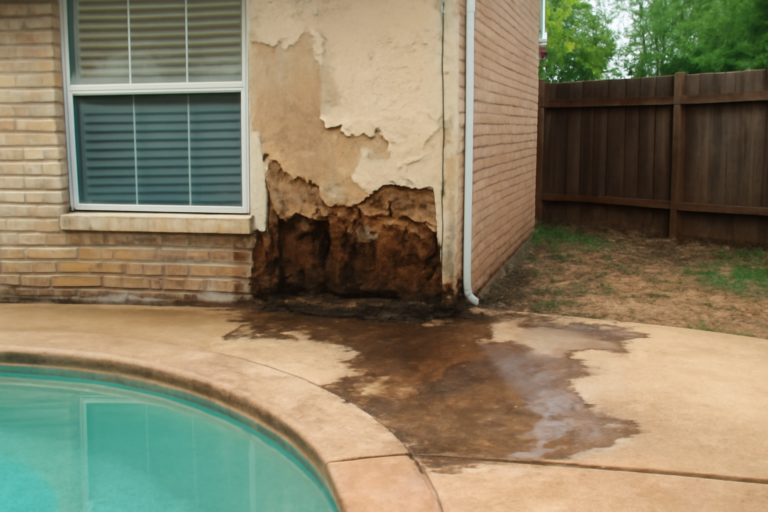
This might seem obvious, but sometimes water can be subtle. Look for discolored walls, peeling paint, or damp patches on floors and walls. Even a small amount of standing water means immediate extraction is needed.
Warm or Humid Air
If your basement feels unusually warm or humid, even when the rest of the house is comfortable, it could be a sign of excess moisture. This indicates that water is likely present somewhere, potentially behind walls or under floors. Controlling humidity levels is part of the drying process.
The Sound of Dripping or Running Water
Sometimes you can hear the problem before you see it. A faint dripping sound or the sound of water where it shouldn’t be can indicate a leak or a pump that’s struggling. Don’t ignore these audible clues of trouble.
Foundation Cracks or Damage
Constant moisture exposure can weaken your foundation. If you notice new cracks or see existing ones widening, especially near the basement floor, it could be due to hydrostatic pressure from water. Addressing water issues promptly protects your home’s structural integrity.
Your Sump Pump Isn’t Running When It Should
If you know your sump pump should be active due to rain or high water tables, but you don’t hear it running, that’s a major red flag. This is the most direct sign that your pump has failed and water is likely accumulating. You need to act fast to prevent flooding.
Sump Pump Failure Water Damage Restoration vs. DIY: When To Call a Professional
| Situation | DIY? | Call a Pro? | Why |
|---|---|---|---|
| Slightly damp basement floor after heavy rain | Yes, if it dries quickly and no items are affected. | Yes, if water is accumulating or doesn’t dry within 24 hours. | Prolonged moisture can lead to hidden mold and damage. |
| Standing water a few inches deep | No. | Yes, absolutely. | Too much water requires specialized equipment for safe and effective removal. |
| Carpet saturated with water | No. | Yes. | Professional extraction and drying are needed to save carpet and prevent mold. |
| Visible mold growth on walls or belongings | No. | Yes, immediately. | Mold remediation requires containment and specific safety protocols. |
| Water damage affecting electrical outlets or appliances | No. | Yes, immediately. | Electrical hazards are extremely dangerous; professionals ensure safety. |
| Concern about structural damage to walls or foundation | No. | Yes. | Assessment requires specialized knowledge and equipment to identify risks. |
While minor dampness might be manageable, any significant accumulation of water from a sump pump failure demands professional attention. Trying to tackle large-scale flooding yourself can be dangerous and often leads to incomplete drying, setting the stage for long-term mold and structural issues.
Sump Pump Failure Water Damage Restoration Cost In Jasper, GA
The cost of sump pump failure water damage restoration in Jasper, GA, can vary widely. Factors such as the amount of water, the size of the affected area, the duration of the flooding, and the type of materials damaged all play a role. These price ranges are estimates and are meant to give you a general idea. An on-site assessment is always needed for an accurate quote.
| Service | Typical Price Range | What Affects Cost |
|---|---|---|
| Emergency Water Extraction | $500 – $2,500 | Volume of water, accessibility of the area. |
| Structural Drying and Dehumidification | $1,000 – $5,000+ | Size of the affected space, duration of drying needed. |
| Moisture Detection and Assessment | $300 – $800 | Complexity of the affected structure, use of advanced equipment. |
| Content Cleaning and Restoration | $200 – $3,000+ | Number of items affected, type of items, extent of damage. |
| Mold Prevention/Remediation | $500 – $4,000+ | Severity of mold growth, square footage affected. |
| Deodorization and Sanitization | $200 – $1,000 | Size of the area, type of treatments required. |
Remember, these are just estimates. We offer free, no-obligation estimates after a thorough inspection of your property. Getting a professional assessment is the best way to understand the exact cost for your specific situation and to ensure a complete restoration. Contact us today to schedule your inspection.
Service Areas Near Jasper, GA
Ball Ground, Canton, Cartersville, Cumming, Dallas, Ellijay, Free Home, Gainsville, Holly Springs, Kennesaw, Kingston, Lacysville, Lathemtown, Longswamp, Marietta, Nelson, Oakwood, Roswell, Sandy Springs, Tate
Common Questions About Sump Pump Failure Water Damage Restoration
What should I do immediately after my sump pump fails and my basement floods?
Your first step should be to safely shut off electricity to the affected area if possible, especially if water levels are high. Then, if it’s safe to do so, try to identify why the pump failed or temporarily reroute water if you can. Most importantly, call a professional restoration team immediately. We can arrive quickly to begin the extraction and drying process, which is crucial in preventing further damage and mold growth.
How long does it take to dry out a basement after a sump pump failure?
The drying process typically takes anywhere from three to ten days, sometimes longer, depending on the extent of the flooding and the materials affected. Our technicians use specialized equipment like high-powered air movers and industrial dehumidifiers to accelerate drying. We’ll continuously monitor moisture levels to ensure everything is dried thoroughly, preventing hidden moisture that could cause problems later. Proper drying is key to a complete restoration.
Is basement flooding from a sump pump failure covered by my homeowner’s insurance?
Coverage can vary greatly depending on your specific homeowner’s insurance policy. Generally, sudden and accidental water damage from a sump pump failure might be covered, but damage from gradual seepage or lack of maintenance usually isn’t. It’s always best to contact your insurance provider as soon as possible to understand your policy and to file a claim. We can help document the damage for your claim, ensuring you have the necessary information.
What kind of equipment do you use to dry out my basement?
We utilize a range of professional-grade equipment designed for rapid and effective water damage mitigation. This includes powerful submersible pumps for extracting standing water, truck-mounted extraction units for larger volumes, and high-speed air movers to increase airflow and speed evaporation. We also deploy industrial-strength dehumidifiers to remove moisture from the air, creating a dry environment that prevents secondary damage like mold. Our goal is to use the best technology available to restore your home quickly and safely.
Can I prevent future sump pump failures and basement flooding?
Yes, there are several preventative measures you can take. Regularly inspect and maintain your sump pump, including testing it at least twice a year and cleaning out the pit. Consider installing a battery backup system or a water-powered backup pump in case of power outages. Ensure your gutters and downspouts direct water away from your foundation. We can also provide advice on maintaining a dry basement environment after a restoration.
Check Our Other Relevant Services
Serving Jasper, GA And Nearby Areas