Trusted by 165+ Homeowners
Sump Pump Installation in Temple, GA
- Over 165 5-Star Reviews
- Free Estimates and Quotes
- 100% Satisfaction Guaranteed
- Child, Family & Pet Safe Steps
- 24-Hour Emergency Service
- Fully Licensed & Insured

Expert Sump Pump Installation for Temple, GA Homes
We’ve seen plenty of basements around Temple, GA, and we know how quickly water can become a serious problem. From older homes with established drainage issues to newer constructions that might not have the best initial setup, our team has addressed nearly every scenario imaginable. You’re probably dealing with the worry and disruption that comes with potential water damage, and we’re here to offer a reliable fix. Our focus is on getting your home protected with a dependable sump pump system that works.
With over 165 five-star reviews from your neighbors, it’s clear that homeowners trust us for their critical water management needs. They choose us because we don’t just install a pump; we install confidence and long-term protection. You’re looking for a team that understands the local soil conditions and typical rainfall patterns, and we’ve got that knowledge built into our approach. We aim to make the entire experience as stress-free as possible for you and your family.
- A properly installed sump pump is your first line of defense against basement flooding, safeguarding your belongings and the structural integrity of your home.
- We ensure your new pump is correctly sized and positioned to handle your property’s specific water volume, preventing costly future damage.
- Our technicians provide clear explanations and options, so you understand exactly what’s being installed and why it’s the best choice for your situation.
How Sump Pump Installation Actually Works
Getting a sump pump installed correctly is crucial. It’s not just about digging a hole and dropping in a pump; it involves understanding your home’s drainage, the water table, and ensuring the system is robust enough for our local weather. When corners are cut during installation, you risk frequent breakdowns, ineffective water removal, and ultimately, significant water damage to your property. Our process is designed to be thorough and effective, giving you a truly reliable system.
Site Assessment and Planning
Before we do anything, we’ll carefully assess your property’s drainage patterns and basement layout. This step is vital for determining the best location for the sump pit and the pump itself. We consider factors like local soil permeability and typical groundwater levels to ensure optimal system performance. This planning phase usually takes about an hour.
Sump Pit Excavation
Our crews will excavate a precise hole for the sump pit, ensuring it’s the correct depth and width for the pump and any necessary gravel base. We use specialized equipment to make this process as efficient and clean as possible. This typically takes a few hours, depending on soil conditions and accessibility.
Pump and Discharge Line Installation
We carefully place the sump pump into the pit, ensuring it’s stable and properly connected to the discharge piping. This piping is routed safely away from your foundation to prevent water from re-entering your basement. We use high-quality discharge pipes designed to withstand pressure and prevent clogs.
Electrical Connections and Testing
Our licensed electricians will safely connect the pump to your home’s power supply, often including a battery backup system for added security. We then thoroughly test the pump to confirm it activates correctly and removes water effectively. This ensures your system is ready for immediate use.
System Check and Cleanup
Once everything is connected and tested, we’ll perform a final inspection to ensure all connections are secure and the system is operating smoothly. We’ll then clean up the work area, leaving your basement tidy. You’ll receive a clear explanation of how your new system works and any maintenance recommendations.
If you’re concerned about water in your basement, it’s time to get a professional assessment. Don’t wait for the next heavy rain to find out if your current setup is adequate. Contact us today for a reliable sump pump installation.

Warning Signs You Need Sump Pump Installation
Ignoring early indicators of water issues can lead to much larger, more expensive problems down the line. Catching these signs early allows us to install a proactive sump pump system before serious damage occurs. Your home’s foundation and your belongings are worth protecting.
Musty Odors That Won’t Go Away
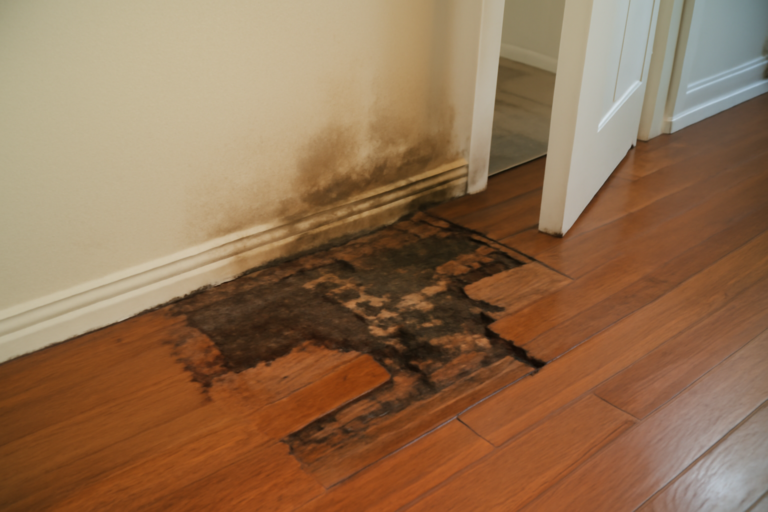
A persistent damp, musty smell in your basement or crawl space is a strong indicator of excess moisture. This isn’t just unpleasant; it can be a sign of developing mold or mildew growth. A sump pump can help control the moisture source.
Visible Water Stains on Walls or Floors
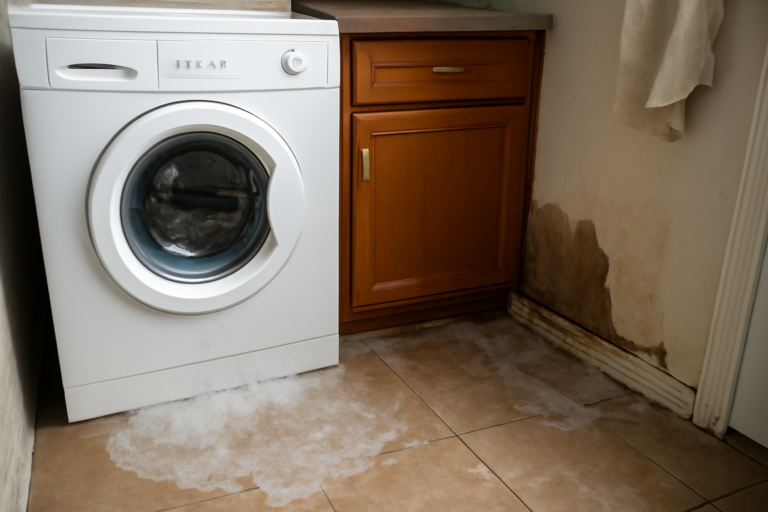
Water marks on your basement walls, especially near the floor, clearly show that water has been present. These stains suggest an ongoing issue with groundwater seeping into your home. Installing a sump pump can prevent further water intrusion.
Cracks in the Basement Foundation
Small cracks can allow groundwater to enter your home. If these cracks are accompanied by dampness or efflorescence (a white, powdery deposit), it’s a sign that water pressure is impacting your foundation. A sump pump can alleviate hydrostatic pressure.
High Humidity Levels in the Basement
If your basement consistently feels damp and clammy, even when it’s not actively raining, it might be due to a high water table. This persistent humidity can lead to structural damage and mold proliferation. A sump pump helps regulate moisture levels.
Water Pooling Around Your Foundation
When you notice puddles of water collecting around the exterior of your foundation after rain, it means your property’s drainage is overwhelmed. This water can eventually find its way inside. A sump pump system redirects this excess water.
Basement Flooding During Heavy Rains
This is the most obvious sign. If your basement has flooded in the past, it’s a critical indicator that you need a robust water management system. A properly sized sump pump is essential for preventing future floods.
Sump Pump Installation vs. DIY: When To Call a Professional
| Situation | DIY? | Call a Pro? | Why |
|---|---|---|---|
| Basic Pump Replacement (existing pit) | Yes, if comfortable with plumbing and electrical. | Yes, if unsure or dealing with older wiring. | Ensures correct fit and safe electrical connections. |
| New Sump Pit Installation | No, usually not recommended. | Yes, absolutely. | Requires proper excavation, drainage knowledge, and code compliance. |
| Installing a Battery Backup System | Yes, for simple plug-in models. | Yes, for integrated systems or if unsure about wiring. | Safety and proper integration with the primary pump are key. |
| Addressing Persistent Water Issues | No. | Yes, always. | Requires professional assessment of drainage, water table, and pump sizing. |
| Dealing with Insurance Claims | No. | Yes, highly recommended. | Pros provide documentation and ensure the installation meets industry standards. |
| Installing a Second Pump or Alarm | Maybe, for simpler setups. | Yes, for complex setups or critical areas. | Ensures redundancy and proper functioning of safety alerts. |
For most homeowners, installing a new sump pit or tackling persistent water problems is best left to the professionals. Our team has the experience and tools to ensure your system is installed correctly the first time. You’re investing in your home’s long-term protection, and that warrants expert attention.
Sump Pump Installation Cost In Temple, GA
The cost of sump pump installation in Temple, GA can vary depending on several factors, including the complexity of the job, the type of pump chosen, and specific site conditions. These figures are meant to give you a general idea of what to expect for professional sump pump services. Your exact investment will depend on a thorough on-site assessment.
| Service | Typical Price Range | What Affects Cost |
|---|---|---|
| Sump Pump Installation (New Pit) | $1,000 – $3,500 | Soil conditions, pit depth, pump quality, and accessibility. |
| Sump Pump Replacement (Existing Pit) | $500 – $1,500 | Pump model, ease of access, and any necessary plumbing adjustments. |
| Battery Backup Sump Pump System | $700 – $2,000 | Capacity of the battery, type of charger, and complexity of integration. |
| Discharge Line Installation/Extension | $300 – $800 | Length of the line, pipe material, and the distance it needs to run. |
| Sump Pit Liner/Lid | $100 – $300 | Material quality and specific size requirements for the pit. |
| Emergency Sump Pump Service | $750 – $2,500+ | Time of day, urgency, and complexity of the emergency repair or installation. |
To get an accurate quote for your specific needs, it’s essential to have our team perform a free, no-obligation estimate at your property. We’ll provide a detailed breakdown of the costs involved.
Service Areas Near Temple, GA
Villa Rica, Dallas, Hiram, Powder Springs, Austell, Lithia Springs, Douglasville, Winston, Bremen, Carrollton, Roopville, Whitesburg, Lithia Springs, Mableton, Smyrna, Marietta, Kennesaw, Acworth, Canton, Woodstock.
Common Questions About Sump Pump Installation
How long does a typical sump pump installation take?
For a standard installation involving a new pit, you can expect our team to complete the work in about 4 to 8 hours. If you’re replacing an existing pump in an established pit, the process is usually quicker, often taking 2 to 4 hours. We aim for efficiency without sacrificing quality, ensuring your home is protected promptly.
Will my homeowner’s insurance cover sump pump installation?
Typically, standard homeowner’s insurance policies do not cover the installation of a sump pump as a preventative measure. However, if the pump is needed as a direct result of a covered peril (like damage from a burst pipe that then requires water removal), some costs might be partially covered. It’s always best to check your specific policy details or contact your insurance provider for clarification.
What is the lifespan of a sump pump?
Most residential sump pumps have a lifespan of 10 to 15 years with proper maintenance. Factors like the quality of the pump, how frequently it operates, and the presence of sediment in the water can affect its longevity. Regular check-ups can help extend its life and ensure reliable operation.
What happens if my sump pump fails during a storm?
If your sump pump fails during a heavy storm, the primary risk is basement flooding. This is why a battery backup system is so important. It kicks in automatically when the power goes out or if the main pump can’t keep up, providing crucial protection. We can install these backup systems to give you added security.
How often should I test my sump pump?
You should test your sump pump at least once every few months, and especially before the rainy season. Pouring a bucket of water into the sump pit will simulate activation. Watch to ensure the pump turns on, removes the water, and shuts off correctly. This simple test can help identify potential issues and ensure your pump is ready to perform.
Check Our Other Relevant Services

Jerry Johns is a licensed Damage Restoration Expert with over 20 years of hands-on experience helping homeowners and businesses navigate property crises. As a trusted authority in the field, Jerry combines technical precision with a compassionate approach to disaster recovery.
𝗖𝗲𝗿𝘁𝗶𝗳𝗶𝗰𝗮𝘁𝗶𝗼𝗻𝘀: Jerry holds multiple elite IICRC certifications, including Water Damage Restoration (WRT), Applied Microbial Remediation (Mold), Applied Structural Drying (ASD), Odor Control, and Fire and Smoke Restoration.
𝗙𝗮𝘃𝗼𝗿𝗶𝘁𝗲 𝗣𝗮𝘀𝘁𝗶𝗺𝗲: When he isn’t on a job site, Jerry is an avid outdoorsman who enjoys fly fishing and restoring vintage woodworking tools.
𝗕𝗲𝘀𝘁 𝗣𝗮𝗿𝘁 𝗼𝗳 𝘁𝗵𝗲 𝗝𝗼𝗯: Jerry finds the most fulfillment in seeing the relief on a client’s face when their property is finally restored to its pre-loss condition, turning a stressful disaster into a fresh start.