
Trusted by 165+ Homeowners
Sump Pump Overflow Cleanup in Duluth, GA
- Over 165 5-Star Reviews
- Free Estimates and Quotes
- 100% Satisfaction Guaranteed
- Child, Family & Pet Safe Steps
- 24-Hour Emergency Service
- Fully Licensed & Insured
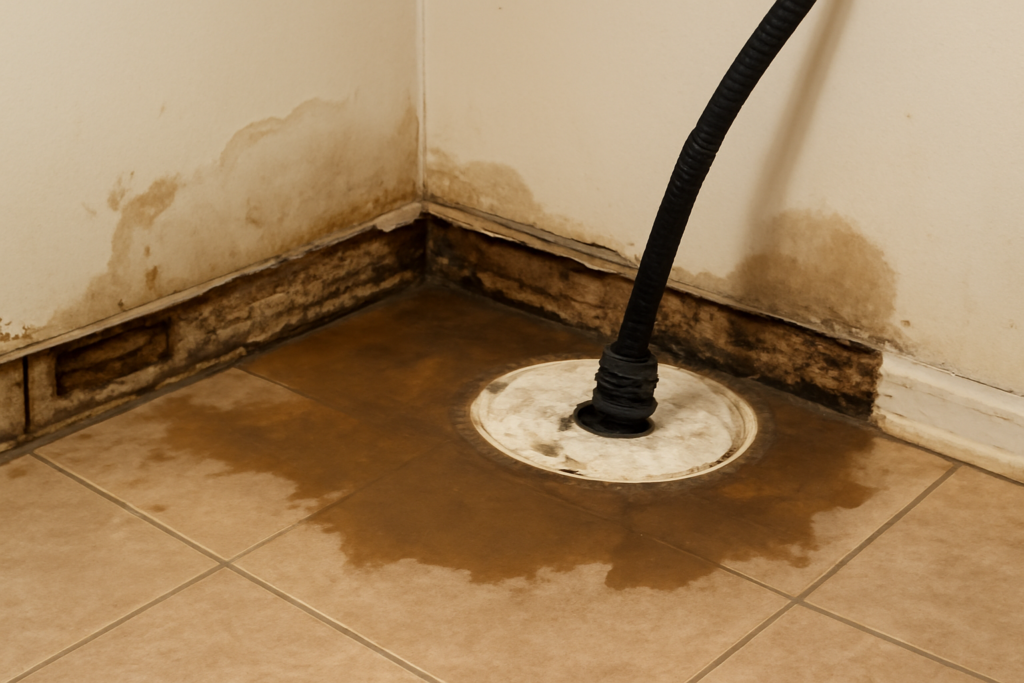
When Your Basement Becomes a Lake: Sump Pump Overflow Cleanup in Duluth, GA
It’s that time of year again around here when heavy summer thunderstorms roll in fast. You know the kind – the ones that drop inches of rain in just a few hours. For many homes in Duluth, GA, this means your sump pump is working overtime, and sometimes, it just can’t keep up. When that happens, you’re left with a flooded basement, and the mess from a sump pump overflow is never pretty. It’s a stressful situation, but getting the right help quickly can make all the difference in protecting your home.
We’ve helped over 165 local families deal with these exact issues, and they consistently tell us they choose us because we’re responsive and get the job done right. You’re not just getting a cleanup crew; you’re getting neighbors who understand the unique challenges of living around here. We know how important it is to get your home back to normal, and we focus on delivering a thorough and efficient service.
- We tackle standing water swiftly, preventing further damage and mold growth before it even has a chance to start.
- Our specialized equipment extracts moisture from deep within your floors and walls, ensuring a truly dry environment.
- We don’t just clean up; we help identify potential system weaknesses to prevent future overflows from happening again.
How We Tackle Sump Pump Overflow Cleanup
A sump pump overflow isn’t just about mopping up water; it’s about a systematic approach to restoring your basement’s safety and integrity. When you try to handle a significant overflow yourself, you might miss hidden moisture or use the wrong tools, leading to bigger problems down the road. Our team follows a precise protocol, leveraging professional-grade equipment to ensure every bit of water and moisture is addressed, from the surface to the subfloor.
1. Initial Water Extraction
First, we’ll get the standing water out. Using powerful truck-mounted vacuums and submersible pumps, we can remove large volumes of water quickly. This is the critical first step to stop further damage and prepare for drying. This typically takes a few hours, depending on the amount of water.
2. Advanced Moisture Detection
Once the visible water is gone, we use specialized moisture meters and thermal imaging cameras to find hidden dampness. Water can wick up walls and seep into materials you can’t see. Pinpointing these areas is essential for a complete drying process. This step can take several hours as we meticulously scan your property.
3. Targeted Drying and Dehumidification
We set up industrial-grade air movers and dehumidifiers to accelerate the drying process. These machines circulate air and pull moisture out of the environment, creating conditions that prevent mold growth. This phase can last anywhere from a few days to over a week, depending on how saturated your materials are.
4. Sanitization and Odor Control
Basement water, especially from a sump pump, can carry bacteria and odors. We use EPA-registered antimicrobial treatments to clean and sanitize affected surfaces. This ensures your basement is not only dry but also safe and free from unpleasant smells. We’ll perform this after the main drying is complete.
5. Structural Drying and Material Assessment
Our technicians carefully assess all affected building materials, like drywall, insulation, and flooring. We determine if they can be salvaged or if they need to be removed and replaced to ensure long-term structural integrity. This is crucial for preventing future issues. This assessment happens throughout the drying process.
Don’t let a flooded basement linger. Contact us immediately if your sump pump has overflowed to get the immediate attention your home needs. Quick action is key to minimizing the impact.

Spotting the Signs: When Your Sump Pump Needs Attention
Sometimes, the signs of a problem aren’t a sudden flood. Catching these subtle indicators early can save you from a much larger, more expensive cleanup later. Pay attention to what’s happening in your basement, especially after heavy rains.
Musty Odors That Won’t Go Away
A persistent damp, musty smell is a strong indicator of hidden moisture. This often means water is lurking behind walls or under floors, creating a breeding ground for mold. You’ll want to address this odor source quickly.
Visible Water Stains or Efflorescence
Look for discolored patches on your basement walls or floor. Efflorescence is that white, powdery residue that appears when water evaporates from concrete, leaving minerals behind. These are clear signs of past or ongoing water intrusion.
Humidity Levels Feel Higher
If your basement suddenly feels much more humid than usual, even when it’s not raining, it could be a sign your sump pump isn’t handling moisture effectively. This can lead to condensation on pipes and surfaces, creating ideal damp conditions.
Strange Noises from the Sump Pit
Listen closely to your sump pump. Unusual grinding, humming, or gurgling sounds might indicate the pump is struggling, clogged, or its float switch isn’t working correctly. These noises can be an early warning signal.
Water Around the Sump Pump Itself
If you see water pooling around the sump pump basin when it’s not actively pumping, something is wrong. It could be a crack in the pit, a faulty discharge line, or the pump itself failing to keep up. This is a direct sign of pump system issues.
Your Sump Pump Runs Constantly
While it’s normal for your sump pump to run during heavy rain, if it seems to be running non-stop, even during dry spells, it might be working too hard or there’s an issue with the drainage system. This constant running can lead to premature pump failure.
Sump Pump Overflow Cleanup vs. DIY: When To Call a Professional
| Situation | DIY? | Call a Pro? | Why |
|---|---|---|---|
| A few inches of standing water after a brief shower. | Maybe | Yes | Even shallow water can hide significant moisture and potential mold growth. |
| Water is up to your knees or higher. | No | Absolutely | Deep water poses safety risks and requires specialized equipment for safe removal. |
| The water smells foul or sewage-like. | No | Absolutely | This indicates contaminated water, requiring professional sanitization to protect your health. |
| You see mold or mildew growth already. | No | Absolutely | Mold remediation requires specific safety protocols and expertise to remove safely. |
| You need to dry out subflooring or walls. | No | Yes | Proper structural drying requires industrial equipment and knowledge to prevent long-term damage. |
| You want to prevent future issues. | Maybe | Yes | A professional can assess your system and recommend preventative measures. |
While minor dampness might be manageable with basic tools, a true sump pump overflow is often beyond the scope of typical DIY efforts. For anything more than a very small amount of water, calling a professional ensures the job is done correctly and safely, preventing hidden damage.
Sump Pump Overflow Cleanup Cost In Duluth, GA
The cost of sump pump overflow cleanup in Duluth, GA, can vary quite a bit. Factors like how much water is present, how large the affected area is, and the type of materials damaged all play a role. These price ranges are estimates to give you an idea, not a fixed quote.
| Service | Typical Price Range | What Affects Cost |
|---|---|---|
| Water Extraction (up to 1,000 sq ft) | $500 – $2,000 | The depth of the water and the amount of time needed for removal. |
| Moisture Detection and Assessment | $300 – $800 | The complexity of the affected areas and the technology used. |
| Structural Drying (per room) | $700 – $2,500 | The size of the room and how saturated the building materials are. |
| Dehumidifier and Air Mover Rental (daily) | $50 – $150 | The number of units required and how long they need to run. |
| Antimicrobial Treatment and Sanitization | $400 – $1,200 | The size of the area treated and the type of solutions used. |
| Minor Demolition and Material Removal | $500 – $2,000+ | The extent of damage requiring removal of drywall, insulation, or flooring. |
It’s important to remember that these are just estimates. A proper on-site assessment is always needed for an accurate quote. We offer free estimates so you know exactly what to expect before we begin.
Service Areas Near Duluth, GA
Alpharetta, Suwanee, Norcross, Peachtree Corners, Lawrenceville, Snellville, Lilburn, Tucker, Chamblee, Dunwoody, Sandy Springs, Roswell, Johns Creek, Buford, Cumming, Canton, Marietta, Kennesaw, Acworth, Woodstock.
Common Questions About Sump Pump Overflow Cleanup
What should I do immediately after a sump pump overflow?
Your first priority is safety. If the water is deep, avoid walking through it, especially if the power is still on, as this can be a serious electrical hazard. If it’s safe to do so, try to shut off the power to the flooded area. Then, try to identify why the pump overflowed – is it unplugged, is the discharge line blocked, or did the pump fail? If you can’t immediately fix the issue, call us to handle the water extraction and drying.
How long does sump pump overflow cleanup take?
The timeline can vary significantly based on the severity of the overflow. Initial water extraction might take a few hours. However, the drying and dehumidification process is the longest part, potentially taking anywhere from three days to two weeks or more. We use advanced techniques to speed this up, but complete drying is essential to prevent mold.
Is sump pump overflow water dangerous?
Yes, it can be. Water that sits in a basement, especially if it’s been there for a while or if the sump pump discharge is near sewer lines, can contain bacteria, viruses, and other contaminants. This is why proper sanitization is critical. We use specialized cleaning agents to ensure your basement is safe and hygienic after the cleanup.
What equipment do you use for sump pump overflow cleanup?
We utilize a range of professional-grade equipment. This includes powerful truck-mounted water extractors and submersible pumps for removing standing water, high-speed air movers to circulate air and speed up evaporation, and industrial dehumidifiers to remove moisture from the air and materials. We also use moisture meters and thermal cameras for thorough assessments. This equipment is essential for a truly effective cleanup.
How can I prevent my sump pump from overflowing again?
Regular maintenance is key. Ensure your sump pump is tested at least twice a year, especially before rainy seasons. Keep the discharge line clear of debris and ensure it drains well away from your foundation. Consider installing a battery backup system in case of power outages, and check the float switch to make sure it’s not obstructed. If you’re unsure about maintenance, we can offer guidance on keeping your system running smoothly.
Check Our Other Relevant Services
Serving Duluth, GA And Nearby Areas


