Trusted by 165+ Homeowners
Supply Line Break Repair in Hampton, GA
- Over 165 5-Star Reviews
- Free Estimates and Quotes
- 100% Satisfaction Guaranteed
- Child, Family & Pet Safe Steps
- 24-Hour Emergency Service
- Fully Licensed & Insured

When Water Lines Break in Hampton, GA: Fast Supply Line Repair
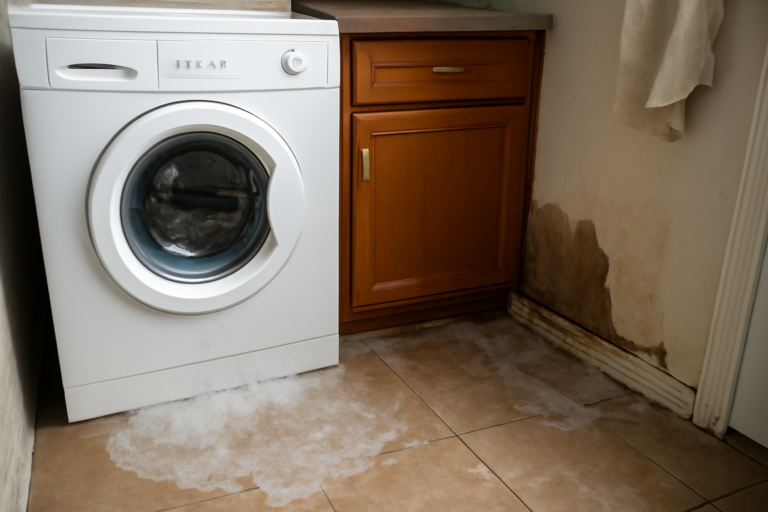
You hear it first. A sudden hiss, then a steady trickle that turns into a rush. You follow the sound, and there it is: water pooling on your floor, spreading fast from a burst supply line. It’s not just a mess; it’s a real emergency that needs immediate attention. That damp smell is already starting to creep in, and you know you’ve got to act now. This kind of damage can happen quickly, and dealing with it properly is key to protecting your home here in Hampton, GA.
Homeowners around the area have trusted our crews for over 165 five-star reviews, and for good reason. We understand the urgency of a broken water line. You need a team that responds quickly and knows exactly what to do to stop the damage and start the recovery. We bring a calm, expert approach to a stressful situation, ensuring your property is handled with care.
- We use specialized equipment to pinpoint the exact source of the leak, even if it’s hidden behind walls or under floors.
- Our drying and dehumidification process is scientifically proven to prevent long-term issues like mold growth and structural damage.
- We handle the containment of affected areas, stopping the spread of water and protecting unaffected parts of your home.
How We Tackle Supply Line Break Repair
When a supply line breaks, you can’t afford delays or guesswork. That’s why we follow a precise, methodical process. It’s more than just cleaning up water; it’s about understanding the science of drying and restoring your property to its pre-loss condition. Cutting corners here can lead to costly future problems like hidden mold or compromised building materials. Our team’s technical expertise ensures we address the root cause and mitigate all potential secondary damage.
Emergency Water Extraction
Our first step is always to remove as much standing water as possible. We use powerful truck-mounted vacuums and submersible pumps to quickly extract water from carpets, floors, and any other affected surfaces. This rapid removal is crucial for minimizing water damage and preventing further saturation. This phase usually takes a few hours, depending on the volume of water.
Containment of the Affected Area
To prevent the spread of moisture, we set up containment barriers. This often involves using plastic sheeting and negative air pressure systems. It’s a vital step to isolate the damaged zone and ensure the drying process doesn’t negatively impact other areas of your home. This helps us control humidity levels effectively throughout the property.
Advanced Drying and Dehumidification
Once the water is gone and the area is contained, we bring in specialized drying equipment. This includes industrial-grade air movers and dehumidifiers. These machines work together to accelerate evaporation and pull moisture out of the air and materials. We continuously monitor humidity and temperature levels using moisture meters to ensure a complete and efficient drying process, which can take several days.
Monitoring and Moisture Detection
Our technicians don’t just set up equipment and leave. They regularly check moisture content in building materials like drywall, wood, and subflooring. We use advanced tools to detect hidden moisture that you can’t see or feel. This meticulous monitoring is essential for ensuring thorough drying and preventing any lingering moisture issues.
Reinstallation and Reconstruction
After everything is completely dry, we’ll put things back together. This could involve reinstalling baseboards, repairing damaged drywall, or other minor reconstruction tasks needed to return your home to normal. Our goal is to make the affected areas look and feel like the damage never happened.
Don’t wait for water damage to worsen. Call us now to get a fast, professional response to your supply line break. We’re ready to help protect your home immediately.

Warning Signs You Need Supply Line Break Repair
Catching a broken supply line early can save you a lot of money and hassle. The sooner you spot the signs, the less damage there is to repair. Ignoring these indicators can lead to bigger, more expensive problems down the road, like structural rot or mold. Pay close attention to what’s happening in your home; these early signals are your best defense.
Unexplained Puddles or Standing Water
If you suddenly see water pooling on your floors, near appliances, or in cabinets, and you didn’t just spill something, it’s a major red flag. This is often the most obvious sign that a supply line has ruptured and is actively leaking. You need to investigate the source immediately.
A Sudden Drop in Water Pressure
Is the water pressure in your faucets or shower weaker than usual? A significant, unexplained drop in pressure often indicates a leak somewhere in the plumbing system that’s diverting water. This is a critical clue that you might have a broken pipe.
The Sound of Running Water When No Fixtures Are On
If you hear a hissing, spraying, or trickling sound from behind walls or under floors when all your faucets and appliances are off, that’s a direct sign of an active leak. That constant sound means water is escaping somewhere it shouldn’t be. It’s your plumbing system’s way of telling you something’s wrong.
Damp Spots or Stains on Walls and Ceilings
Look for discolored patches, bubbling paint, or soft spots on your walls and ceilings. These are often caused by persistent moisture from a hidden leak within the walls or above. This indicates water has been seeping out for some time, requiring prompt repair.
Musty Odors That Won’t Go Away
A persistent, musty, or mildewy smell, especially in areas without obvious water damage, can signal hidden moisture. This smell is often the first indicator of mold growth, which thrives in damp, dark environments. It’s a sign of underlying water issues that need addressing.
Mold or Mildew Growth
If you spot visible mold or mildew, particularly in areas that feel damp or have had water stains, it’s a clear indication of a water intrusion problem. Mold can spread rapidly once it has a moisture source. Addressing the mold requires fixing the leak and then performing professional mold remediation.
Supply Line Break Repair vs. DIY: When To Call a Professional
| Situation | DIY? | Call a Pro? | Why |
|---|---|---|---|
| Small, easily accessible drip under a sink | Yes, if you’re comfortable with basic plumbing and have the right tools. | No, usually. | You can often tighten a fitting or replace a small section of pipe yourself. |
| Burst pipe in a wall or ceiling | No. | Yes, absolutely. | Locating the exact break and repairing it without causing more damage requires specialized tools and expertise. |
| Water pooling across large areas of flooring | No. | Yes, immediately. | Professional extraction and drying equipment are needed to prevent long-term damage and mold. |
| Sudden, significant drop in water pressure | No. | Yes. | This indicates a major leak that needs professional detection and repair to prevent widespread damage. |
| Concern about hidden mold or structural damage | No. | Yes, definitely. | Only trained professionals can accurately assess and address hidden moisture and potential mold growth. |
| Repairing the visible pipe section after a break | Potentially, for a temporary fix. | Yes, for a permanent, reliable repair. | While a DIY fix might stop the immediate leak, a professional ensures the repair is done correctly and safely. |
While some minor plumbing issues might seem DIY-friendly, a burst supply line is rarely a simple fix. The potential for hidden damage and the need for specialized drying equipment make calling a professional the safest, most effective choice. We have the tools and training to do the job right the first time.
Supply Line Break Repair Cost In Hampton, GA
The cost of repairing a broken supply line in Hampton, GA, can vary quite a bit. Factors like how large the break is, how long the water was running, and whether it’s inside a wall or under a slab all play a role. These figures are general estimates, and your specific situation will determine the final cost. We aim for transparent pricing from the start.
| Service | Typical Price Range | What Affects Cost |
|---|---|---|
| Emergency Water Extraction | $500 – $2,000 | The amount of water to be removed and the size of the affected area. |
| Pipe Repair (accessible) | $200 – $800 | Type of pipe, complexity of the repair, and materials needed. |
| Pipe Repair (in-wall or underground) | $750 – $3,000+ | Requires opening walls/floors, specialized tools, and more extensive labor. |
| Professional Drying and Dehumidification | $1,000 – $4,000+ | Duration of drying needed, number of units required, and property size. |
| Containment Setup | $300 – $1,000 | Size of the area to be contained and complexity of the setup. |
| Mold Inspection and Remediation (if necessary) | $500 – $5,000+ | The extent of mold growth and the methods required for safe removal. |
We offer free estimates so you know exactly what to expect before any work begins. Our team will assess the damage on your property and provide a clear breakdown of costs.
Service Areas Near Hampton, GA
Locally, we serve Hampton, GA, and surrounding communities including Jonesboro, Riverdale, Stockbridge, Lovejoy, McDonough, Ellenwood, Fayetteville, Morrow, Forest Park, Atlanta, College Park, East Point, Clayton, Conyers, Lithonia, Scottdale, Tucker, Decatur, Chamblee, and Doraville.
Common Questions About Supply Line Break Repair
How quickly do you respond to a supply line break emergency?
We understand that a broken supply line is an urgent issue. Our team is available around the clock to respond to emergencies. We strive to get to your property as fast as possible, often within a few hours of your call, to begin mitigation and stop further damage. Time is critical in these situations.
Will my homeowner’s insurance cover supply line break repair?
Typically, homeowner’s insurance policies cover damage caused by sudden and accidental water leaks, such as a burst pipe. However, coverage can vary depending on your specific policy and the cause of the break. We can help document the damage for your insurance claim, but it’s best to contact your provider directly to understand your coverage details.
How long does the entire supply line break repair and drying process take?
The actual pipe repair might be completed in a few hours, but the subsequent drying and dehumidification process can take anywhere from 3 to 10 days, sometimes longer, depending on the extent of water intrusion and building materials. Our goal is to ensure complete dryness using advanced monitoring techniques before we finish.
What are the health risks associated with a broken supply line if not addressed properly?
The primary health risk comes from potential mold growth, which can start within 24-48 hours in damp conditions. Inhaling mold spores can lead to respiratory problems, allergic reactions, and other health issues. Addressing the water immediately and ensuring thorough drying is crucial for preventing mold and protecting your family’s health.
What kind of equipment do you use for drying and water damage restoration?
We utilize a range of professional-grade equipment, including high-speed air movers to increase evaporation, industrial dehumidifiers to remove moisture from the air, and advanced moisture meters and thermal imaging cameras to detect hidden water. This technology allows us to dry your property effectively and efficiently, ensuring no moisture is left behind.
Check Our Other Relevant Services

Jerry Johns is a licensed Damage Restoration Expert with over 20 years of hands-on experience helping homeowners and businesses navigate property crises. As a trusted authority in the field, Jerry combines technical precision with a compassionate approach to disaster recovery.
𝗖𝗲𝗿𝘁𝗶𝗳𝗶𝗰𝗮𝘁𝗶𝗼𝗻𝘀: Jerry holds multiple elite IICRC certifications, including Water Damage Restoration (WRT), Applied Microbial Remediation (Mold), Applied Structural Drying (ASD), Odor Control, and Fire and Smoke Restoration.
𝗙𝗮𝘃𝗼𝗿𝗶𝘁𝗲 𝗣𝗮𝘀𝘁𝗶𝗺𝗲: When he isn’t on a job site, Jerry is an avid outdoorsman who enjoys fly fishing and restoring vintage woodworking tools.
𝗕𝗲𝘀𝘁 𝗣𝗮𝗿𝘁 𝗼𝗳 𝘁𝗵𝗲 𝗝𝗼𝗯: Jerry finds the most fulfillment in seeing the relief on a client’s face when their property is finally restored to its pre-loss condition, turning a stressful disaster into a fresh start.