Trusted by 165+ Homeowners
Supply Line Break Repair in Suwanee, GA
- Over 165 5-Star Reviews
- Free Estimates and Quotes
- 100% Satisfaction Guaranteed
- Child, Family & Pet Safe Steps
- 24-Hour Emergency Service
- Fully Licensed & Insured

Swift Supply Line Break Repair in Suwanee, GA
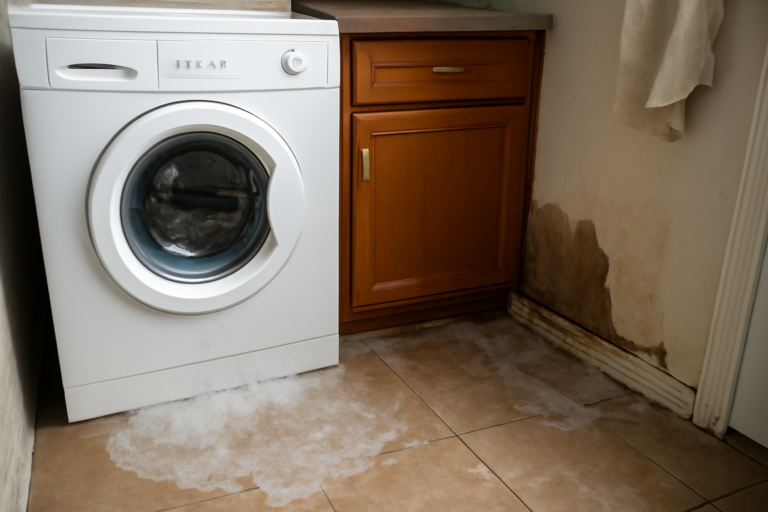
Imagine this: you walk into your bathroom, and suddenly you hear it. That persistent, steady drip. Then you see it – water pooling on the floor, creeping under cabinets, and you realize a supply line has burst. It’s a stressful moment, especially when water damage spreads fast. You need immediate action to prevent further harm to your property. This isn’t just a small leak; it’s a critical problem that demands a fast, skilled response.
Locally, homeowners trust our team for these urgent situations because we understand the science behind water mitigation. With over 165 five-star reviews, you can see that our neighbors rely on us for expert supply line repair and drying. We’re not just fixing the immediate break; we’re ensuring your home is restored properly, preventing long-term issues. You want a team that gets it right the first time, and that’s exactly what we deliver.
- We pinpoint the exact source of the break, even in hidden areas, using advanced leak detection technology.
- Our specialized drying equipment works around the clock to remove all moisture, stopping mold before it starts.
- We handle the entire process, from immediate water extraction to final structural drying and deodorization.
How We Tackle Supply Line Break Repair
A supply line break isn’t something you can just ignore or patch up with tape. The water pressure behind it means the damage can escalate quickly, impacting drywall, flooring, and even your home’s structure. Our process is designed to address the problem scientifically, using the right tools and techniques to ensure a thorough and effective repair. Cutting corners here can lead to persistent moisture problems and mold growth, costing you far more down the line. You’ll see our commitment to a precise, methodical approach from the moment we arrive.
1. Immediate Water Extraction
Once we arrive, our first priority is to stop the source of the water and remove standing water quickly. We use powerful, truck-mounted extraction units that can remove thousands of gallons of water per hour, minimizing further damage. This critical step prevents water from saturating your subfloors and structural materials.
2. Containment and Demolition
We’ll set up containment barriers to prevent moisture from spreading to unaffected areas. Any damaged materials, like saturated drywall or insulation, will be carefully removed to expose the wet areas. This step is crucial for allowing proper access for drying and preventing secondary damage.
3. Advanced Drying Techniques
This is where our technical expertise truly shines. We deploy a combination of high-speed air movers and industrial-grade dehumidifiers. These machines work together to evaporate trapped moisture from the air and materials, bringing your home’s moisture levels back to normal. We monitor humidity and temperature closely.
4. Moisture Monitoring
Our technicians use specialized moisture meters and infrared cameras to track the drying process. This allows us to see moisture hidden within walls or under floors and ensure complete moisture removal. We keep checking until everything is dry to the touch and readings are back to pre-loss levels.
5. Reinstallation and Restoration
Once your property is completely dry, we’ll begin the reconstruction process. This can include installing new drywall, flooring, or baseboards, and ensuring all affected areas are restored to their original condition. Our goal is to make it look like the break never happened.
Don’t wait for the damage to get worse. Call us now to get your supply line break addressed immediately and prevent lasting problems.

Warning Signs You Need Supply Line Break Repair
Catching a supply line issue early can save you a lot of headaches and money. It’s not always a dramatic flood; sometimes, the signs are subtle but serious. Recognizing these early indicators is key to preventing widespread water damage and mold growth. Pay attention to these signals your home might be sending you.
Musty Odors That Won’t Go Away
If you notice a persistent damp, mildewy smell, especially in bathrooms, kitchens, or basements, it’s a strong indicator of hidden moisture. This smell is often the first sign of developing mold growth due to a slow leak.
Unexplained Puddles or Damp Spots
Any unexpected water pooling on your floors, especially near toilets, sinks, or washing machines, is a red flag. Even small puddles can mean a significant water issue is brewing behind the walls or under the fixtures.
Peeling or Bubbling Paint/Wallpaper
When moisture seeps into drywall or plaster, it can cause the paint or wallpaper to bubble up or peel away from the surface. This is a visible sign that water is actively damaging the integrity of your walls.
Warped or Stained Ceilings/Walls
Water damage can cause drywall to sag, warp, or develop visible water stains. If you see discoloration or a noticeable change in the flatness of your walls or ceiling, it’s a sign of water intrusion, potentially from a burst pipe above.
Increased Water Bills
A sudden, unexplained spike in your water bill can indicate a hidden leak somewhere in your plumbing system. If you haven’t changed your water usage habits, this financial clue is a strong signal to investigate further.
Sounds of Running Water When No Fixtures Are On
Hearing dripping, hissing, or running water sounds when all your faucets and appliances are turned off is a classic sign of a leak. This usually means a supply line has ruptured and is continuously leaking.
Supply Line Break Repair vs. DIY: When To Call a Professional
| Situation | DIY? | Call a Pro? | Why |
|---|---|---|---|
| Minor drip from a visible, easily accessible fixture connection. | Yes, with caution. | Maybe. | If you’re comfortable with basic plumbing and have the right tools, a simple tightening or washer replacement might work. |
| Water pooling around the base of a toilet or sink. | No. | Yes. | This could indicate a failing seal or a cracked supply line, requiring specialized tools and knowledge to fix correctly. |
| Sudden, significant water flow from a wall or ceiling. | Absolutely not. | Yes, immediately. | This is a clear sign of a burst pipe, which can cause extensive damage quickly and requires professional water extraction and drying. |
| Suspected leak behind walls or under flooring. | No. | Yes. | Locating hidden leaks requires professional leak detection equipment and expertise to avoid unnecessary destruction. |
| Water damage spreading to multiple rooms or affecting structural elements. | No. | Yes, immediately. | This level of damage requires professional drying and restoration to prevent mold and structural compromise. |
| Dealing with a water bill that has suddenly and inexplicably increased. | No. | Yes. | A professional can systematically check your entire plumbing system to find the source of the hidden leak. |
While minor plumbing fixes are sometimes manageable for DIYers, a supply line break often involves significant water damage that demands professional attention. For anything beyond a simple, visible drip, calling our team ensures a proper, complete restoration.
Supply Line Break Repair Cost In Suwanee, GA
The cost of supply line break repair in Suwanee, GA, can vary significantly. Factors like the severity of the break, the size of the affected area, and the type of materials damaged all play a role. These figures are estimates to give you a general idea of what to expect.
| Service | Typical Price Range | What Affects Cost |
|---|---|---|
| Leak Detection | $300 – $800 | Complexity of the leak and the need for specialized equipment. |
| Water Extraction | $500 – $2,500 | Amount of water present and the size of the affected area. |
| Demolition and Removal of Damaged Materials | $400 – $2,000 | Extent of saturation and the types of materials (e.g., drywall, insulation, flooring). |
| Structural Drying and Dehumidification | $700 – $3,500 | Duration of drying needed and the number of specialized drying units required. |
| Reconstruction and Repair (Minor) | $1,000 – $5,000+ | Complexity of repairs to walls, floors, and trim. |
| Mold Remediation (if necessary) | $1,000 – $5,000+ | Severity and location of mold growth. |
An on-site assessment is the only way to get an accurate quote for your specific situation. We offer free estimates to help you understand the scope of the work needed.
Service Areas Near Suwanee, GA
Buford, Duluth, Johns Creek, Lawrenceville, Norcross, Suwanee, Suwanee, Suwanee, Suwanee, Suwanee, Suwanee, Suwanee, Suwanee, Suwanee, Suwanee, Suwanee, Suwanee, Suwanee, Suwanee, Suwanee.
Common Questions About Supply Line Break Repair
What if my homeowner’s insurance covers supply line break repair?
Many homeowner’s insurance policies cover sudden and accidental water damage from supply line breaks, but not gradual leaks. It’s always best to contact your insurance provider directly to understand your specific coverage. We can work with your insurance adjuster to document the damage and ensure proper restoration procedures are followed.
How quickly do I need to address a supply line break?
You need to act immediately. Water damage can worsen significantly within 24-48 hours, leading to structural issues and mold growth. The faster we can get on-site to stop the water and begin drying, the better the outcome for your property and the more cost-effective the repair will be.
Are there health risks associated with supply line breaks?
Yes, the primary health risk comes from mold that can develop in damp environments. Prolonged moisture exposure can also degrade building materials, creating unsafe conditions. Our team is trained to identify and mitigate these risks, ensuring your home is safe and healthy after the repair.
What kind of equipment do you use for drying?
We utilize industrial-grade equipment, including high-velocity air movers to increase evaporation and powerful dehumidifiers to remove moisture from the air. We also employ specialized moisture meters and thermal imaging cameras to verify complete drying, ensuring no hidden moisture remains.
How can I prevent future supply line breaks?
Regularly inspect visible supply lines for signs of corrosion or leaks. Insulate pipes in unheated areas to prevent freezing, and consider replacing very old or corroded pipes. While some breaks are unavoidable, proactive maintenance can significantly reduce the risk of future issues and protect your home.
Check Our Other Relevant Services

Jerry Johns is a licensed Damage Restoration Expert with over 20 years of hands-on experience helping homeowners and businesses navigate property crises. As a trusted authority in the field, Jerry combines technical precision with a compassionate approach to disaster recovery.
𝗖𝗲𝗿𝘁𝗶𝗳𝗶𝗰𝗮𝘁𝗶𝗼𝗻𝘀: Jerry holds multiple elite IICRC certifications, including Water Damage Restoration (WRT), Applied Microbial Remediation (Mold), Applied Structural Drying (ASD), Odor Control, and Fire and Smoke Restoration.
𝗙𝗮𝘃𝗼𝗿𝗶𝘁𝗲 𝗣𝗮𝘀𝘁𝗶𝗺𝗲: When he isn’t on a job site, Jerry is an avid outdoorsman who enjoys fly fishing and restoring vintage woodworking tools.
𝗕𝗲𝘀𝘁 𝗣𝗮𝗿𝘁 𝗼𝗳 𝘁𝗵𝗲 𝗝𝗼𝗯: Jerry finds the most fulfillment in seeing the relief on a client’s face when their property is finally restored to its pre-loss condition, turning a stressful disaster into a fresh start.