Trusted by 165+ Homeowners
Thermal Imaging Leak Detection in Bogart, GA
- Over 165 5-Star Reviews
- Free Estimates and Quotes
- 100% Satisfaction Guaranteed
- Child, Family & Pet Safe Steps
- 24-Hour Emergency Service
- Fully Licensed & Insured

Seeing Through Walls: Expert Thermal Imaging Leak Detection in Bogart, GA
When water decides to go where it shouldn’t, the damage can spread silently, often hidden behind walls and under floors. Our team has seen firsthand how quickly these hidden issues can escalate in properties around Bogart, GA. We understand the stress that comes with discovering a leak, and we’re here to bring clarity to the situation using advanced thermal imaging technology. This isn’t just about finding water; it’s about pinpointing the exact source and extent of the problem before it causes irreparable structural harm.
Homeowners in your neighborhood trust us because we consistently deliver accurate results, backed by over 165 five-star reviews. We don’t guess; we use specialized equipment to see what the naked eye can’t. For your property, this means a faster, more precise diagnosis, saving you time and preventing unnecessary demolition. We’ve handled everything from small, persistent drips to larger, more complex water intrusion events, always with a focus on minimizing disruption to your life.
- Thermal imaging allows us to detect moisture hidden deep within building materials, often before visible signs appear, protecting your home’s integrity.
- This non-invasive technology means we can identify leak sources with remarkable accuracy, significantly reducing the need for destructive exploratory demolition.
- By accurately mapping the moisture, we can ensure all affected areas are addressed during the drying and restoration process, preventing future mold growth and secondary damage.
How Thermal Imaging Leak Detection Actually Works
The process of finding a leak shouldn’t involve tearing apart your home unnecessarily. We’ve refined our Thermal Imaging Leak Detection process over years of practice in the area, ensuring we get it right the first time. When you have a suspected leak, our trained technicians arrive equipped with specialized infrared cameras. These cameras detect temperature differences, and water, whether hot or cold, creates a distinct thermal signature. This allows us to visualize moisture patterns invisible to the human eye, leading to a swift and accurate assessment of the situation. Cutting corners here means potentially missing hidden damage, which can lead to much bigger and more expensive problems down the road.
Initial Assessment and Scene Setup
Once on-site, we’ll begin by conducting a visual inspection of the affected area and discussing your observations. Then, we’ll strategically position our thermal imaging cameras to begin scanning. This initial phase is crucial for establishing a baseline and understanding the potential scope of the water intrusion, typically taking less than an hour to set up and begin scanning.
Infrared Scanning
Our certified technicians use high-resolution thermal cameras to scan walls, ceilings, floors, and other building materials. They look for variations in temperature that indicate the presence of moisture, even if it’s trapped behind drywall or under flooring. This detailed scanning process can take anywhere from one to several hours, depending on the size of the property and complexity of the suspected leak.
Moisture Meter Verification
While thermal imaging is incredibly effective, we always use professional-grade moisture meters to confirm the readings. This step is vital for accurate moisture content assessment and ensures we’re not misinterpreting temperature fluctuations. This verification process usually adds about 30 minutes to an hour to the overall assessment.
Detailed Documentation and Reporting
We meticulously document our findings, taking thermal images and moisture meter readings. This documentation provides a clear picture of the leak’s location and severity, which is essential for insurance claims and for planning the necessary repairs. You’ll receive a clear, easy-to-understand report detailing our findings, typically completed within a few hours after the on-site work is finished.
Developing a Targeted Action Plan
With all the data gathered, we’ll work with you to outline the next steps. This includes identifying the most efficient and least invasive methods for repair and remediation, ensuring all affected areas are accounted for. This collaborative step is usually completed within an hour of delivering the report.
Don’t let hidden water damage compromise your home’s structure and your family’s health. Contact us today for a precise leak detection service that saves you time and money. We’re ready to bring clarity to your water intrusion problem, offering expert, reliable assessments.

Warning Signs You Need Thermal Imaging Leak Detection
Catching water leaks early is incredibly important for preventing widespread damage and costly repairs. Ignoring the subtle signs can lead to significant problems, including mold growth and structural weakening. We want you to be aware of what to look for so you can act quickly if you suspect a hidden issue in your home. Early detection is key to minimizing water damage and protecting your investment.
Musty Odors That Won’t Go Away
A persistent, musty smell, especially in areas without obvious water stains, is often the first indicator of hidden mold growth fueled by moisture. This smell can permeate your home, making it unpleasant and unhealthy.
Unexplained High Water Bills
If your water bill suddenly spikes without a change in your water usage habits, it could mean there’s a leak somewhere in your plumbing system that you can’t see. This is a clear financial warning sign.
Discoloration or Stains on Walls or Ceilings
Water stains, often appearing as yellow or brown splotches, are a visible sign of water intrusion. These can indicate a leak from an upstairs bathroom, the roof, or plumbing within the walls, signaling active moisture damage.
Peeling or Bubbling Paint and Wallpaper
When moisture seeps behind paint or wallpaper, it can cause the adhesive to fail, leading to peeling or bubbling. This indicates that the wall materials are becoming saturated, which could lead to structural compromise.
Warped or Soft Flooring
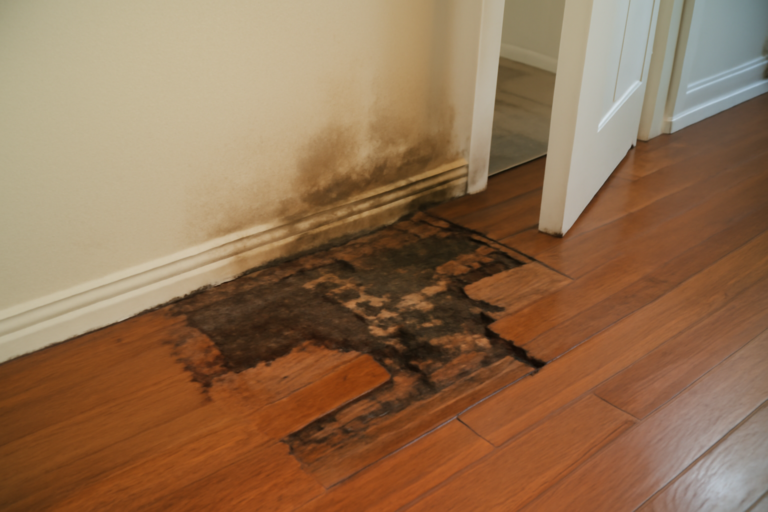
If your hardwood floors start to warp, or if carpeted areas feel soft or spongy underfoot, it’s a strong sign of moisture accumulation beneath the surface. This can lead to expensive flooring replacement.
Condensation on Windows or Pipes
While some condensation is normal, excessive moisture buildup on windows or pipes, especially in areas where it shouldn’t be, can point to humidity issues or leaks in nearby walls or ductwork. This suggests poor air circulation and potential moisture traps.
Thermal Imaging Leak Detection vs. DIY: When To Call a Professional
| Situation | DIY? | Call a Pro? | Why |
|---|---|---|---|
| Suspecting a leak based on visible water stains. | Yes, for initial observation. | Yes, for accurate source identification. | Visible signs are only the tip of the iceberg; hidden damage is often extensive. |
| A musty smell in a specific room. | No, not reliable. | Yes, absolutely. | Smells indicate hidden mold, which requires specialized detection and remediation. |
| Slightly increased water bill. | Maybe, check toilets first. | Yes, for plumbing integrity check. | Small plumbing leaks can waste thousands of gallons and cause significant hidden damage over time. |
| Finding a small drip under a sink. | Yes, attempt temporary fix if comfortable. | Yes, for proper repair and inspection. | Even small drips can signal larger issues in the pipe system and require professional plumbing expertise. |
| Concern about a roof leak after a storm. | Yes, inspect accessible areas from the ground. | Yes, for thorough inspection and repair. | Roof leaks can travel unseen through attics and walls, requiring specialized thermal detection. |
| General concern about hidden moisture in your home. | No. | Yes, for comprehensive assessment. | Professional thermal imaging is the only way to reliably detect unseen moisture issues throughout your property. |
While you can observe some signs of water damage yourself, accurately locating the source of hidden leaks and assessing their full extent requires specialized equipment and expertise. Professional thermal imaging provides the precision needed to avoid guesswork and ensure all damage is found, saving you from future headaches and costly secondary repairs.
Thermal Imaging Leak Detection Cost In Bogart, GA
The cost for Thermal Imaging Leak Detection in Bogart, GA can vary based on the complexity of the issue, the size of your property, and the accessibility of the affected areas. These figures are general estimates, and an on-site assessment is always needed for an exact quote. We aim to provide transparent pricing so you know what to expect.
| Service | Typical Price Range | What Affects Cost |
|---|---|---|
| Standard Thermal Imaging Assessment (Single Area) | $500 – $1,200 | Complexity of the suspected leak, size of the area scanned. |
| Whole-House Thermal Imaging Scan | $1,000 – $2,500 | Square footage of the home, number of stories, and accessibility. |
| Moisture Meter Verification & Readings | Included in Assessment Price | This is a critical step for accuracy and is part of our standard process. |
| Detailed Leak Report & Documentation | Included in Assessment Price | Comprehensive reporting is essential for insurance and repair planning. |
| Emergency Leak Detection Service | $750 – $2,000+ | Requires immediate dispatch, often outside of normal business hours. |
| Post-Remediation Thermal Scan Verification | $400 – $800 | Ensures all moisture has been successfully removed and areas are dry. |
These prices are intended as a guide; the actual cost will depend on your unique situation. We offer free, no-obligation estimates after an initial assessment, so you can make an informed decision. We believe in providing value-driven services.
Service Areas Near Bogart, GA
Athens, Bethlehem, Bishop, Braselton, Commerce, Danielsville, Elberton, Farmington, Hull, Jefferson, Lexington, Madison, Nicholson, Oconee County, Oglethorpe County, Watkinsville, Winder, Winterville, Statham, Talmo
Common Questions About Thermal Imaging Leak Detection
What is thermal imaging leak detection?
Thermal imaging leak detection uses infrared cameras to visualize temperature differences within your home’s structure. These cameras can detect variations caused by moisture, even if it’s hidden behind walls or under floors. Our team uses this technology to pinpoint the exact location of leaks, preventing unnecessary damage from exploratory demolition and ensuring a faster, more accurate repair process.
How much does thermal imaging leak detection cost?
The cost for thermal imaging leak detection can range from $500 to $2,500 or more, depending on the size of your property and the complexity of the suspected leak. Factors like the number of areas needing inspection and whether it’s an emergency call influence the price. We provide detailed estimates upfront after assessing your specific situation, ensuring you understand the investment required for accurate leak identification.
How long does thermal imaging leak detection take?
A typical thermal imaging scan can take anywhere from one to several hours, depending on the size of your property and the extent of the suspected water intrusion. Our technicians work efficiently to conduct a thorough assessment, including verification with moisture meters. We aim to provide you with a clear report and action plan promptly, minimizing disruption to your day.
Is thermal imaging the same as water damage restoration?
No, thermal imaging is a diagnostic tool used for leak detection, not a restoration service itself. It’s the crucial first step in identifying the extent of water damage. Our team uses thermal imaging to accurately find leaks and moisture, which then informs the necessary water damage restoration process. This ensures that all affected areas, including hidden ones, are properly addressed for complete and effective remediation.
Can thermal imaging detect mold?
While thermal imaging doesn’t directly detect mold, it can detect the moisture that mold needs to grow. By identifying hidden moisture sources behind walls or under floors, we can then take steps to dry the area and prevent mold from developing or spreading. This proactive approach is key to maintaining a healthy indoor environment and preventing future mold issues.
Check Our Other Relevant Services
Serving Bogart, GA And Nearby Areas