Trusted by 165+ Homeowners
Thermal Imaging Leak Detection in Chamblee, GA
- Over 165 5-Star Reviews
- Free Estimates and Quotes
- 100% Satisfaction Guaranteed
- Child, Family & Pet Safe Steps
- 24-Hour Emergency Service
- Fully Licensed & Insured

See Through Walls: Expert Thermal Imaging Leak Detection in Chamblee, GA
We’ve spent years helping homeowners right here in Chamblee, GA, pinpoint hidden water problems. We’ve seen everything from tiny pipe leaks behind drywall to widespread moisture issues from roof damage. Our experienced crews understand the unique challenges older homes and newer constructions in the area can face, and we’ve developed specialized techniques to find the source of your leak quickly and accurately. Your property deserves the best care, and that starts with identifying the problem before it causes more damage.
It’s why over 165 neighbors have trusted us to handle their water leak detection needs. You’re not just getting a service; you’re getting a team that genuinely cares about protecting your home and making the process as stress-free as possible. We’ve built a reputation for being the go-to choice for accurate leak detection because we combine advanced technology with a deep understanding of local building conditions. Our commitment to quality means you can feel confident we’ll find the source of your water issue.
- Pinpoint Accuracy: Our thermal imaging cameras detect temperature differences, revealing moisture hidden behind walls, under floors, and above ceilings that you can’t see or smell.
- Non-Destructive Investigation: We use advanced tools to locate leaks without unnecessary demolition, saving you time and money on repairs.
- Preventative Power: Identifying small leaks early stops them from turning into massive, costly water damage disasters and potential mold growth.
How Our Thermal Imaging Leak Detection Process Works
When you’re dealing with a potential water leak, the last thing you want is a drawn-out investigation that causes more disruption. Our process is designed for efficiency and accuracy, ensuring we find the exact source of the problem with minimal invasion to your home. We know how stressful it is to live with the uncertainty of a hidden leak, and that’s why we prioritize a clear, methodical approach. Cutting corners on leak detection can lead to missed problems and recurring issues, so we always follow our proven protocols. Your comfort and security are paramount.
Step 1: Initial Assessment and Consultation
We’ll start by discussing your concerns and any signs you’ve noticed, like damp spots or high water bills. This helps us understand the potential scope of the issue. We’ll then explain our thermal imaging process and what you can expect. This crucial first step helps us tailor our approach to your specific situation.
Step 2: Thermal Imaging Scan
Our certified technicians use professional-grade infrared cameras to scan your walls, ceilings, and floors. These cameras visualize temperature variations, highlighting areas where moisture is present because water absorbs and holds heat differently than dry materials. We meticulously examine every area, looking for those tell-tale cooler or warmer spots that indicate hidden moisture. This typically takes a few hours depending on the size of your home.
Step 3: Identifying the Leak Source
Once the thermal scan reveals problem areas, we use our expertise and sometimes other specialized tools, like moisture meters, to pinpoint the exact origin of the leak. This might be a faulty pipe, a compromised seal, or an issue with your roof or foundation. Our goal is precise identification to prevent any guesswork in the repair phase.
Step 4: Detailed Reporting and Recommendations
We’ll provide you with a clear, easy-to-understand report detailing our findings, including visual evidence from the thermal imaging. This report outlines the location and suspected cause of the leak. We offer practical advice on the best course of action to address the problem effectively and prevent future occurrences.
Step 5: Repair Planning and Execution
While we focus on detection, we can often recommend trusted local repair professionals or work with your existing contractor. We ensure they have the precise information needed to perform targeted repairs, minimizing disruption and cost. Proper repair planning prevents over-demolition and ensures a lasting fix.
Don’t let a hidden leak silently damage your home. Contact us today for professional thermal imaging leak detection. We’re ready to help you find and fix the problem.

Warning Signs You Need Thermal Imaging Leak Detection
Catching water leaks early is vital for preventing extensive damage, mold growth, and unnecessary expenses. If you notice any of these signs, it’s time to consider professional thermal imaging. Early detection saves money and protects your home’s structural integrity. Ignoring these indicators can lead to much bigger, more expensive problems down the line.
Musty Odors That Won’t Go Away
A persistent musty smell, especially in basements, bathrooms, or kitchens, is often a strong indicator of hidden moisture and potential mold growth. This smell signals trouble that needs immediate investigation.
Unexplained High Water Bills
If your water usage hasn’t changed but your bill has suddenly increased significantly, it’s a red flag for a hidden leak somewhere in your plumbing system. An unexplained spike warrants a closer look.
Visible Water Stains or Discoloration
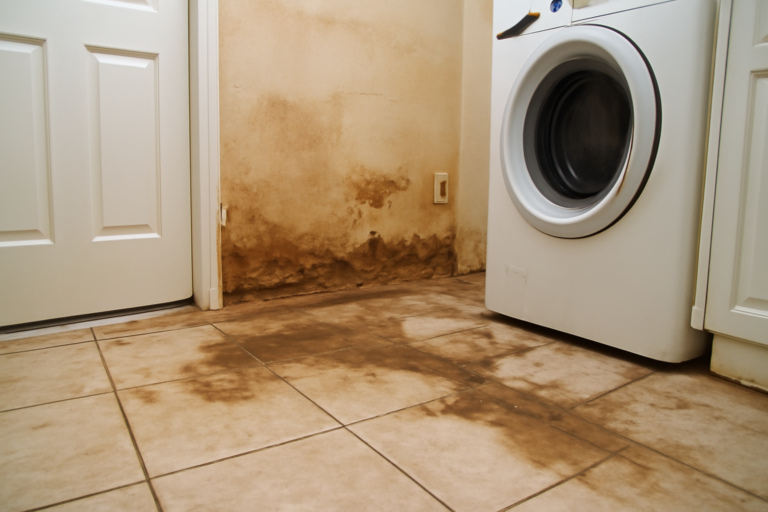
Any new or expanding water stains on your ceilings, walls, or floors are obvious signs of water intrusion. These visual cues are direct evidence of a leak.
Peeling or Bubbling Paint and Wallpaper
Moisture trapped behind your walls can cause paint to blister or wallpaper to peel away from the surface. This is a sign that water is actively compromising your finishes.
Warped or Soft Flooring
If your hardwood floors are cupping, or if your carpet feels soft and spongy in certain areas, it’s likely due to moisture seeping underneath. Soft spots indicate saturation and potential structural damage.
Warm Spots on Floors or Walls
A warm spot on a floor or wall, especially if it’s consistent, can indicate a hot water line leak just beneath the surface. This localized heat is a direct clue to the leak’s location.
Thermal Imaging Leak Detection vs. DIY: When To Call a Professional
| Situation | DIY? | Call a Pro? | Why |
|---|---|---|---|
| Suspected leak behind a wall with no visible damage | No | Yes | DIY methods can’t see through materials; professionals use thermal imaging for accurate detection. |
| High water bill with no obvious cause | Maybe, for basic checks | Yes | A professional can systematically scan for hidden leaks that basic checks miss. |
| Musty smell in a specific room | Maybe, for visual inspection | Yes | Thermal imaging can find the moisture source causing the smell, even if it’s hidden. |
| Minor condensation on a window | Yes | No | This is usually normal and not indicative of a serious leak requiring professional intervention. |
| Water stains on the ceiling after heavy rain | Maybe, for roof inspection | Yes | While you can check the roof, a pro can confirm if it’s roof-related or a secondary issue inside. |
| Dampness around a visible pipe fitting | Yes, for tightening | Maybe | Tightening a fitting might fix it, but if it persists, a pro can assess for cracks or deeper issues. |
While some minor issues might be DIY-fixable, complex or hidden leaks demand professional attention. When you can’t see the source or suspect a significant problem, calling a trained technician with specialized equipment is the safest bet. Professional assessment prevents further damage and costly mistakes.
Thermal Imaging Leak Detection Cost In Chamblee, GA
The cost for professional thermal imaging leak detection in Chamblee, GA, can vary depending on several factors. These include the size of your property, the complexity of the suspected leak, and the accessibility of the affected areas. These figures are estimates, and an on-site assessment will provide a precise quote. Local conditions can also play a role in the final cost.
| Service Aspect | Typical Price Range | What Affects Cost |
|---|---|---|
| Basic Thermal Imaging Scan (1-2 rooms) | $300 – $700 | Size of the area and complexity of the suspected leak. |
| Whole House Thermal Imaging Scan | $700 – $1,500 | The total square footage of your home and number of plumbing fixtures. |
| Detailed Leak Source Pinpointing | $500 – $1,200 | How difficult it is to access the suspected leak area and the number of potential sources. |
| Moisture Meter Readings and Analysis | Included in scan cost, or $100 – $300 additional | If extensive testing is needed to confirm moisture levels beyond thermal imaging. |
| Report Generation and Consultation | Included in scan cost, or $50 – $150 additional | Detailed written reports with recommendations often come standard. |
| Emergency Leak Detection Service | $800 – $2,000+ | Urgent calls outside of normal business hours or on holidays. |
It’s important to remember that investing in professional leak detection often saves you money in the long run by preventing major water damage and mold remediation. We offer free estimates so you know exactly what to expect before we begin. Get a clear picture of your situation.
Service Areas Near Chamblee, GA
Atlanta, Brookhaven, Dunwoody, Tucker, Doraville, Sandy Springs, Decatur, Avondale Estates, Stone Mountain, Clarkston, Forest Park, Hapeville, East Point, Smyrna, Marietta, Roswell, Johns Creek, Milton, Suwanee, Duluth
Common Questions About Thermal Imaging Leak Detection
How long does thermal imaging leak detection typically take?
The duration can vary, but a basic scan of a few problem areas might take 2-4 hours. A thorough whole-house inspection could extend to 6-8 hours or even a full day for very large properties. We work efficiently to minimize disruption while ensuring we cover all necessary ground. Our goal is completeness.
Will my homeowner’s insurance cover thermal imaging leak detection?
Coverage varies by policy, but many policies will cover the cost of leak detection if it’s part of a larger water damage claim. It’s always best to check your specific policy details or speak with your insurance provider. We can provide detailed documentation to support your claim if needed. Your insurance process is important to us.
Is thermal imaging safe for my home and family?
Absolutely. Thermal imaging uses passive infrared technology; it does not emit any radiation and is completely safe for you, your family, and your pets. It’s a non-invasive technology that simply captures heat signatures. We use safe, proven methods.
What if the thermal imaging doesn’t show a leak?
If our advanced thermal imaging doesn’t reveal a leak, it means the problem is either extremely minor, intermittent, or not water-related. In such cases, we may employ other diagnostic tools or recommend further observation. We’re committed to finding answers, even when the cause isn’t immediately obvious. Your confidence in our findings is paramount.
Can thermal imaging detect mold?
While thermal imaging doesn’t directly detect mold, it’s incredibly effective at finding the hidden moisture that mold needs to grow. By identifying damp areas behind walls or under floors, we can pinpoint potential mold-breeding grounds. This proactive approach helps prevent mold issues before they start. We help ensure a healthy environment for your family.
Check Our Other Relevant Services
Serving Chamblee, GA And Nearby Areas