Trusted by 165+ Homeowners
Thermal Imaging Leak Detection in Decatur, GA
- Over 165 5-Star Reviews
- Free Estimates and Quotes
- 100% Satisfaction Guaranteed
- Child, Family & Pet Safe Steps
- 24-Hour Emergency Service
- Fully Licensed & Insured

See Through the Walls: Advanced Thermal Imaging Leak Detection in Decatur, GA
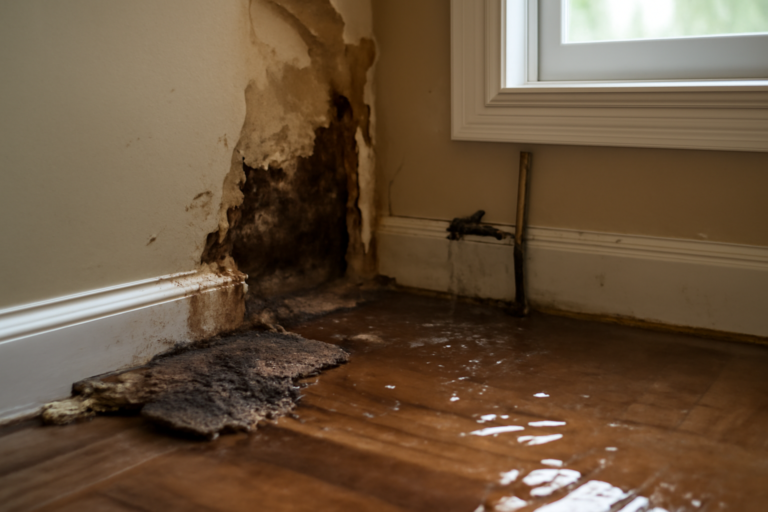
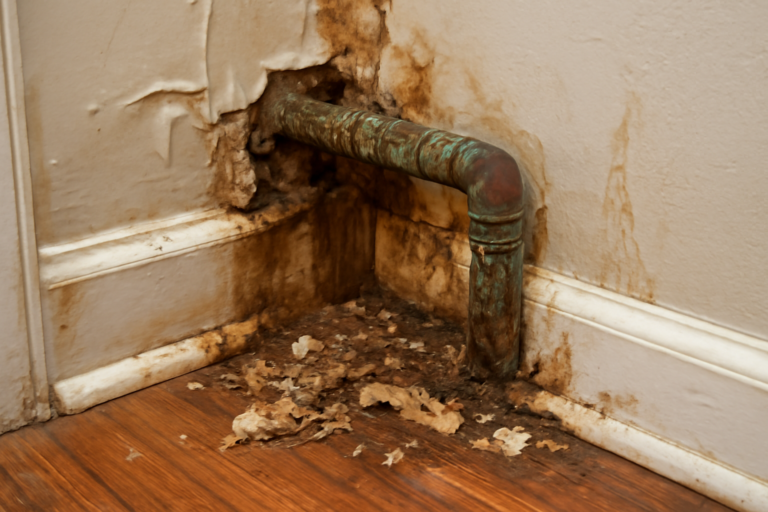
You might not see the water, but you can often feel the effects. A small drip hidden behind a wall or under a floor can cause significant damage before you even realize there’s a problem. Many homeowners in Decatur, GA, make the mistake of waiting until they see obvious signs like peeling paint or warped flooring, but by then, the mold could already be growing. Detecting hidden moisture is crucial to prevent serious structural issues and protect your family’s health. Our team uses specialized tools to find these invisible water sources before they cause extensive harm.
With over 165 five-star reviews from homeowners around here, you know you’re choosing a team that gets the job done right. We understand the unique challenges properties face in our local climate. When you need precise, non-invasive leak detection, you can count on us to provide a clearer picture of your problem. We’re dedicated to helping you address issues quickly, saving you time and money in the long run.
- Thermal imaging allows us to pinpoint the exact location of moisture without tearing into your walls, minimizing disruption to your home.
- We can identify leaks that are too small to be visible or detectable by traditional methods, preventing minor issues from becoming major disasters.
- Early detection through thermal imaging helps protect your home’s structural integrity and prevents the growth of mold and mildew, safeguarding your family’s health.
How We Uncover Hidden Leaks: Our Thermal Imaging Process
When you suspect a leak, time is absolutely critical. The longer moisture lingers unseen, the more damage it can inflict, leading to costly repairs and potential health hazards. Our approach to thermal imaging leak detection is designed for speed and accuracy. We’ve developed a methodical process that ensures we find the source of the problem efficiently, so you can get back to enjoying your home. Ignoring the early warning signs can lead to much bigger headaches, and we’re here to help you avoid that costly outcome.
Step 1: Initial Assessment and Consultation
We’ll start by discussing your concerns and any visible signs you’ve noticed. This initial conversation helps our technicians understand the potential scope of the issue. We’ll ask about when you first noticed symptoms and gather any relevant history about your property. This takes about 15 to 30 minutes.
Step 2: Thermal Imaging Scan
Our certified technicians use advanced thermal imaging cameras, like FLIR or Seek Thermal, to scan your walls, ceilings, and floors. These cameras detect temperature differences caused by moisture, revealing areas that are cooler than their surroundings. This non-invasive scan can take anywhere from 1 to 3 hours, depending on the size of your home and the complexity of the suspected leak.
Step 3: Data Analysis and Visualization
The images captured by the thermal camera are analyzed to identify patterns indicating water intrusion. We look for distinct temperature anomalies that clearly differentiate wet areas from dry ones. Our team interprets these readings to build a precise map of the moisture problem, usually completing this analysis immediately after the scan.
Step 4: Pinpointing the Source
Combining the thermal imaging data with our expertise, we can often pinpoint the exact source of the leak. This might involve identifying a faulty pipe, a compromised seal, or an issue with your roof or foundation. This precise location allows for targeted repairs, saving you from unnecessary demolition and repair work. This stage is typically completed within 30 to 60 minutes after the scan.
Step 5: Reporting and Recommendations
We’ll provide you with a clear report detailing our findings, complete with thermal images showing the extent of the moisture. Based on this assessment, we’ll recommend the most effective repair strategies. You’ll understand exactly what needs to be done to fix the problem and prevent future occurrences. This report is usually delivered at the end of our on-site visit.
Don’t let hidden water damage compromise your home’s integrity or your family’s well-being. Call us immediately if you suspect a leak. We’re ready to deploy our thermal imaging specialists to your property and provide a rapid, accurate assessment.

Warning Signs You Need Thermal Imaging Leak Detection
Catching a leak early is always better than dealing with the aftermath. Many homeowners overlook subtle cues that point to a hidden moisture problem. Recognizing these signs can save you from extensive damage, costly repairs, and potential health issues associated with mold growth. We’re here to help you identify these critical indicators and act before things escalate.
Musty Odors That Won’t Go Away
A persistent damp or musty smell, especially in areas with no obvious water source, is a strong indicator of hidden moisture. This odor often signals the presence of mold and mildew feeding on damp materials. Ignoring this smell can lead to worsening air quality and more significant mold problems.
Discolored Walls or Ceilings
Water stains, discoloration, or bubbling paint on your walls and ceilings are clear signs that water is seeping through. These visual cues often appear after a leak has been present for some time. Prompt investigation is needed to address the underlying water source.
Unexplained High Water Bills
A sudden, inexplicable increase in your water bill can point to a hidden leak somewhere in your plumbing system. Even a small, constant drip can waste a significant amount of water over time. This is a strong indicator that you need to investigate for leaks.
Warped or Softened Flooring
If your hardwood floors are starting to warp, or if carpet feels unusually soft or spongy in certain areas, it could be due to moisture trapped underneath. This softening of materials indicates prolonged exposure to water. Addressing this helps prevent structural damage to your subflooring.
Condensation on Pipes or Windows
Excessive condensation on pipes, especially in basements or under sinks, can indicate a leak or a temperature difference that’s causing moisture buildup. While some condensation is normal, excessive amounts warrant a closer look. This can lead to corrosion and mold growth.
Peeling or Curling Wallpaper
Wallpaper that is peeling away from the wall, particularly near the edges or seams, can be a sign of moisture behind the drywall. The adhesive can fail when exposed to dampness. This visible symptom requires immediate attention to the source of moisture.
Thermal Imaging Leak Detection vs. DIY: When To Call a Professional
| Situation | DIY? | Call a Pro? | Why |
|---|---|---|---|
| Suspected leak behind a wall with no visible damage | No | Yes | DIY methods are unlikely to detect hidden moisture; professional thermal imaging is essential. |
| High water bill with no obvious external leaks | Maybe | Yes | A pro can use advanced tools to trace the leak, preventing further waste and damage. |
| Musty odors in a specific room | Maybe | Yes | While you can identify the smell, only thermal imaging can confirm and locate the hidden moisture source. |
| Small, visible drip from a pipe under a sink | Yes | No | You can likely see and repair this yourself or call a plumber directly for the fix. |
| Water stains appearing on the ceiling | No | Yes | The stain is a symptom; a pro needs to find the source of the leak, which could be far above. |
| Concern about mold growth due to past water events | No | Yes | Professional assessment confirms if residual moisture is present and poses a health risk. |
While some minor leaks are apparent and can be addressed directly, most hidden water issues require professional expertise. When you can’t see the problem, relying on DIY methods is often ineffective and can delay crucial repairs. Our team uses specialized thermal imaging equipment to provide a definitive diagnosis, ensuring that your property is thoroughly assessed and protected.
Thermal Imaging Leak Detection Cost In Decatur, GA
The cost for thermal imaging leak detection in Decatur, GA, can vary depending on several factors, including the size of your property, the complexity of the suspected leak, and the accessibility of the affected areas. These figures are meant to give you a general idea of potential expenses for this specialized service. Accurate pricing is determined after an on-site evaluation.
| Service | Typical Price Range | What Affects Cost |
|---|---|---|
| Standard Home Thermal Scan | $500 – $1,500 | The square footage of your home and the number of areas requiring inspection. |
| Detailed Moisture Mapping | $800 – $2,500 | The extent of the suspected water damage and the number of anomalies found. |
| Pipe Leak Detection (within walls) | $600 – $1,800 | The depth of the pipes and the difficulty in accessing the wall cavity for scanning. |
| Roof or Attic Leak Investigation | $700 – $2,000 | The size of the roof or attic space and the complexity of the roof structure. |
| Post-Repair Verification Scan | $300 – $800 | Confirming that drying efforts have been successful and no residual moisture remains. |
| Emergency Thermal Imaging Service | $900 – $3,000+ | Availability outside of standard business hours or urgent, immediate deployment needs. |
Understanding the potential costs upfront is important, and we’re committed to transparency. We offer free, no-obligation estimates for thermal imaging leak detection services after a thorough on-site assessment.
Service Areas Near Decatur, GA
Scottdale, North Decatur, Avondale Estates, Druid Hills, Gresham Park, Conley, Panthersville, Chamblee, Brookhaven, Tucker, Clarkston, Stone Mountain, Redan, Ellenwood, Forest Park, Hapeville, Atlanta, East Point, College Park, Riverdale.
Common Questions About Thermal Imaging Leak Detection
What is thermal imaging, and how does it find leaks?
Thermal imaging uses a special camera that detects infrared radiation, which is essentially heat. Water, especially when it’s cooler than the surrounding building materials, creates temperature differences that the camera can see. Our technicians analyze these visual temperature variations to pinpoint areas of hidden moisture, even behind walls or under floors. It’s an incredibly effective way to get a clear look at unseen problems.
How much does thermal imaging leak detection cost in Decatur, GA?
The cost for thermal imaging leak detection typically ranges from $500 to $2,500, depending on the scope of the inspection and the complexity of the issue. Factors like the size of your property, the number of areas needing investigation, and whether it’s an emergency call can influence the final price. We always provide a detailed estimate after assessing your specific situation, ensuring you know exactly what to expect before we begin. We aim to provide fair and transparent pricing.
How long does the thermal imaging process take?
A standard thermal imaging scan for leak detection usually takes between 1 to 4 hours, depending on the size of your home and the extent of the suspected problem. The initial assessment and consultation might add another 30 minutes. We work efficiently to identify the source of the leak as quickly as possible, allowing for prompt repairs and minimizing disruption to your daily life. Our goal is to provide a swift and accurate diagnosis.
Are there any health risks associated with hidden water leaks?
Yes, absolutely. Hidden water leaks can create ideal conditions for mold and mildew growth, which can release spores into your indoor air. Inhaling these spores can lead to a variety of health issues, including allergies, respiratory problems, and other adverse reactions, especially for individuals with pre-existing conditions. Identifying moisture sources quickly with thermal imaging is key to preventing these health hazards and maintaining a safe, healthy living environment. We help you address the root cause of potential mold.
Is thermal imaging covered by homeowner’s insurance?
Coverage for thermal imaging leak detection can vary by insurance policy. Some policies may cover the cost as part of a larger water damage claim, especially if it’s necessary to determine the extent of the damage. It’s always best to check with your insurance provider directly to understand your specific coverage details. We can provide documentation of our findings to support your claim, helping you navigate the process of getting the necessary repairs covered.
Check Our Other Relevant Services

Jerry Johns is a licensed Damage Restoration Expert with over 20 years of hands-on experience helping homeowners and businesses navigate property crises. As a trusted authority in the field, Jerry combines technical precision with a compassionate approach to disaster recovery.
𝗖𝗲𝗿𝘁𝗶𝗳𝗶𝗰𝗮𝘁𝗶𝗼𝗻𝘀: Jerry holds multiple elite IICRC certifications, including Water Damage Restoration (WRT), Applied Microbial Remediation (Mold), Applied Structural Drying (ASD), Odor Control, and Fire and Smoke Restoration.
𝗙𝗮𝘃𝗼𝗿𝗶𝘁𝗲 𝗣𝗮𝘀𝘁𝗶𝗺𝗲: When he isn’t on a job site, Jerry is an avid outdoorsman who enjoys fly fishing and restoring vintage woodworking tools.
𝗕𝗲𝘀𝘁 𝗣𝗮𝗿𝘁 𝗼𝗳 𝘁𝗵𝗲 𝗝𝗼𝗯: Jerry finds the most fulfillment in seeing the relief on a client’s face when their property is finally restored to its pre-loss condition, turning a stressful disaster into a fresh start.