Trusted by 165+ Homeowners
Thermal Imaging Leak Detection in Holly Springs, GA
- Over 165 5-Star Reviews
- Free Estimates and Quotes
- 100% Satisfaction Guaranteed
- Child, Family & Pet Safe Steps
- 24-Hour Emergency Service
- Fully Licensed & Insured

See What’s Hiding: Thermal Imaging Leak Detection in Holly Springs, GA
Here in Holly Springs, GA, we know how quickly those humid Georgia summers can turn into persistent, drizzly falls. Sometimes, that persistent dampness isn’t just unpleasant; it’s a sign of hidden water. Hidden moisture can wreak havoc behind your walls, under your floors, or even in your ceiling. You might not see the drip, but your home is telling you something’s wrong. Catching these issues early is key to preventing more serious damage and costly repairs down the line. We’ve helped many neighbors in the area identify and fix these sneaky problems using advanced thermal imaging technology.
We’re proud to serve this community, and our 165+ five-star reviews speak to the trust homeowners place in us for detecting and resolving leaks. When you’re dealing with a potential water problem, you want a team that understands the unique challenges of our local climate and has the right tools to find the source. We’re that team. We focus on providing clear, accurate assessments so you know exactly what you’re dealing with. Our commitment to accuracy means you get the right information to make informed decisions about your property.
- Pinpoint the exact source of leaks, even those you can’t see or smell.
- Prevent mold growth and structural rot by addressing moisture before it spreads.
- Save money by avoiding unnecessary destructive demolition to find leaks.
How We Find Hidden Water: Our Thermal Imaging Process
Finding a leak isn’t always as simple as following a drip. Sometimes, the water is traveling in ways you’d never expect. That’s where our specialized thermal imaging process comes in. We believe in a thorough, non-invasive approach to diagnosing water issues. Instead of tearing into your walls blindly, we use technology to guide our inspection. This careful method protects your home and ensures we’re targeting the real problem, not just guessing. When you cut corners on leak detection, you often end up with bigger, more expensive problems later.
Step 1: Initial Consultation and Visual Inspection
We’ll start by talking with you about what you’ve observed – any strange smells, discolored spots, or unexplained dampness. Then, we’ll do a quick visual walk-through of your property. This helps us understand the context of the problem and identify any obvious signs. This initial assessment is crucial for planning our next steps.
Step 2: Thermal Imaging Scan
This is where the magic happens. Our trained technicians use professional-grade thermal imaging cameras to scan your walls, ceilings, floors, and any other suspected areas. These cameras detect temperature differences, which are often caused by moisture. Cooler spots typically indicate trapped water, even if it’s behind drywall or insulation. This process is quick and non-intrusive.
Step 3: Moisture Meter Readings
While thermal imaging shows us where the problem *might* be, moisture meters give us concrete data. We’ll use these tools to confirm the presence and extent of moisture in specific areas identified by the thermal camera. This dual approach ensures accuracy and helps us map out the full scope of the water intrusion.
Step 4: Detailed Reporting and Recommendations
Once we’ve gathered all our data, we’ll provide you with a clear, easy-to-understand report. This report will detail our findings, including thermal images and moisture meter readings. We’ll explain exactly where the water is coming from and what steps we recommend to address it. You’ll have all the information you need to proceed with repairs.
Step 5: Strategic Repair Planning
Based on our findings, we can help you plan the most efficient and effective repair strategy. Our goal is always to minimize disruption to your home while ensuring the leak is completely resolved. We aim for lasting solutions, not just quick fixes.
Don’t let hidden water cause further damage. Contact us today for a precise leak detection assessment. We’re ready to help you protect your home and your family.

Warning Signs You Need Thermal Imaging Leak Detection
Sometimes, the first signs of a leak are subtle, and it’s easy to dismiss them. However, these early indicators are your best chance to catch a problem before it becomes a major issue. Ignoring these signs can lead to costly repairs, mold, and even structural damage. Acting on these early warnings can save you significant time and money.
Musty Odors That Won’t Go Away
A persistent damp or musty smell, especially in basements, bathrooms, or kitchens, is a classic sign of hidden moisture. These odors often signal mold growth, which thrives in damp environments.
Discolored or Stained Walls and Ceilings
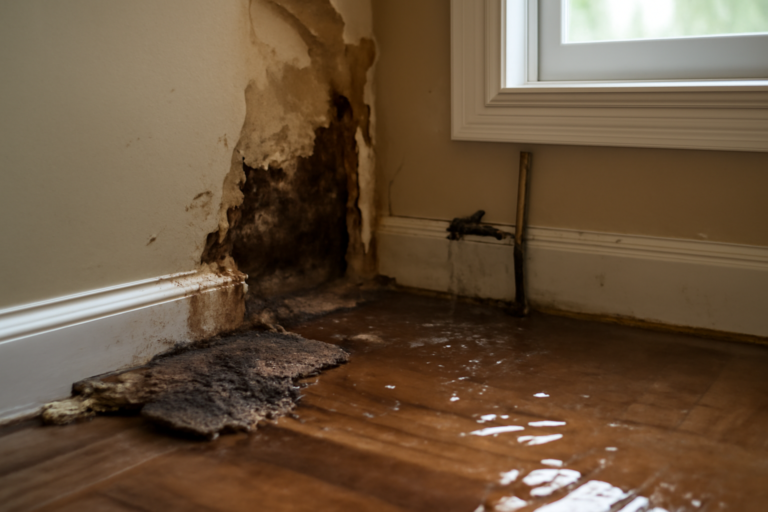
Water spots or new discoloration on your walls or ceilings are direct visual evidence of water intrusion. These marks indicate water is present behind the surface, slowly seeping through.
Peeling or Bubbling Paint and Wallpaper
When paint or wallpaper starts to peel, bubble, or blister, it’s often because moisture is trapped behind it, weakening the adhesive. This is a clear indicator of a moisture problem that needs investigation.
Unexplained High Water Bills
If your water bill suddenly spikes without a change in your water usage habits, it could mean there’s a hidden leak somewhere in your plumbing system. An undetected leak can waste a lot of water over time.
Warm Spots on Floors or Walls
If you notice unusually warm areas on your floor or walls, especially in winter, it might be due to hot water leaks within your walls or under your floor. Thermal imaging is excellent at detecting these temperature anomalies.
Mold or Mildew Growth
Seeing visible mold or mildew on surfaces is a significant warning sign. It means there’s enough moisture present for these organisms to thrive. Addressing the source of the moisture is essential to prevent its return.
Thermal Imaging Leak Detection vs. DIY: When To Call a Professional
| Situation | DIY? | Call a Pro? | Why |
|---|---|---|---|
| Suspect a small leak under a sink. | Yes | No | A quick visual check and some towels might be enough. |
| Notice a small, isolated water stain on a ceiling. | Maybe | Yes | It could be a simple roof leak, or it could be a more complex issue traveling through framing. |
| Smell a persistent musty odor in a room. | No | Yes | Odors usually mean hidden mold or widespread moisture that’s hard to locate without specialized tools. |
| See widespread discoloration or damage across a large wall. | No | Yes | This suggests a significant water intrusion that requires professional assessment and remediation. |
| High water bills with no obvious reason. | No | Yes | Underground or hidden pipe leaks require professional detection equipment. |
| Concerned about potential leaks after a storm or heavy rain. | Maybe | Yes | Even minor storm damage can lead to hidden water intrusion that needs careful inspection. |
While some minor issues might be identifiable with a keen eye, complex or hidden leaks demand professional expertise. Our team uses specialized equipment to find what you can’t see. Accurate detection saves you money by preventing unnecessary invasive repairs.
Thermal Imaging Leak Detection Cost in Holly Springs, GA
The cost for thermal imaging leak detection in Holly Springs, GA, can vary depending on several factors. These include the size of your property, the complexity of the suspected leak, and how much area needs to be scanned. These figures are estimates and a precise quote requires an on-site assessment.
| Service | Typical Price Range | What Affects Cost |
|---|---|---|
| Basic Thermal Imaging Scan (1-2 Rooms) | $300 – $750 | Complexity of the area and accessibility. |
| Whole House Thermal Imaging Scan | $700 – $2,500 | Size of the home and number of potential problem areas. |
| Targeted Leak Detection (Specific Area) | $500 – $1,500 | Difficulty in accessing the suspected leak source. |
| Moisture Metering and Reporting | $200 – $500 (often included in scan) | Level of detail required in the final report. |
| Commercial Property Scan | $1,000 – $5,000+ | Size and complexity of the commercial building. |
| Emergency Leak Detection Service | $750 – $2,000+ (plus hourly) | Urgency and time of day/week service is needed. |
These ranges provide a general idea of what you might expect. We offer free estimates after an initial consultation. A precise quote is provided once our technicians have assessed your specific situation.
Service Areas Near Holly Springs, GA
Canton, Woodstock, Roswell, Marietta, Acworth, Kennesaw, Sandy Springs, Dunwoody, Alpharetta, Johns Creek, Milton, Cumming, Powder Springs, Dallas, Hiram, Mableton, Vinings, Austell, Douglasville, Lithia Springs.
Common Questions About Thermal Imaging Leak Detection
What’s the difference between a thermal camera and a regular camera for finding leaks?
A regular camera captures visible light, showing you what your eyes can see. A thermal camera detects infrared radiation, essentially heat. It visualizes temperature differences, allowing us to see where moisture might be hiding because water absorbs or reflects heat differently than dry materials. Our specialized equipment goes beyond what you can see with the naked eye.
How long does a thermal imaging leak detection inspection typically take?
The time needed can vary, but a typical home inspection usually takes between 2 to 4 hours. For smaller areas or specific concerns, it might be quicker. We work efficiently to get you answers without unnecessary delays. The final report is usually delivered within 24 hours.
Can thermal imaging detect all types of leaks?
Thermal imaging is highly effective for detecting most moisture-related issues, especially those involving temperature differences. It’s excellent for finding leaks behind walls, under floors, and in roofs. We combine thermal imaging with other tools, like moisture meters, to ensure we have a complete picture of any water intrusion.
Is thermal imaging leak detection covered by homeowner’s insurance?
Coverage varies greatly by insurance policy and the cause of the leak. Often, insurance covers the damage caused by a sudden, accidental leak, but may not cover the cost of the detection itself or damage from slow, gradual leaks. It’s best to check with your insurance provider directly. We can provide detailed documentation to support your claim.
How can I prevent hidden leaks in my home around Holly Springs, GA?
Regular maintenance is key. Keep an eye on your roof, gutters, and downspouts, especially after heavy rain. Inspect plumbing fixtures and pipes for any signs of wear or small drips. Ensure your home’s foundation is properly sealed and drainage directs water away from the house. Proactive checks help avoid costly repairs and we’re always here to help with inspections.
Check Our Other Relevant Services
- Commercial Water Damage Restoration in Holly Springs, GA
- Crawl Space Water Damage Repair in Holly Springs, GA
Serving Holly Springs, GA And Nearby Areas