Trusted by 165+ Homeowners
Thermal Imaging Leak Detection in Norcross, GA
- Over 165 5-Star Reviews
- Free Estimates and Quotes
- 100% Satisfaction Guaranteed
- Child, Family & Pet Safe Steps
- 24-Hour Emergency Service
- Fully Licensed & Insured

See the Unseen: Thermal Imaging Leak Detection in Norcross, GA
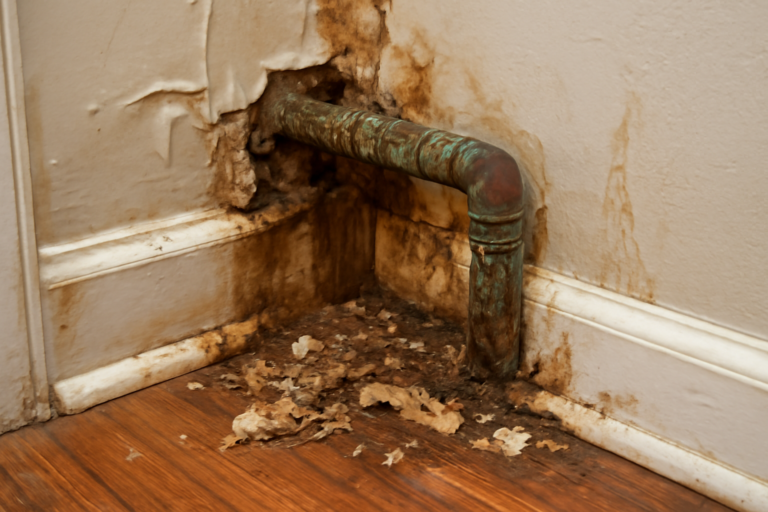
You’re walking through your kitchen, and that faint, persistent smell of mildew hits you. Maybe you notice a discoloration on the ceiling that wasn’t there yesterday. It’s that unsettling feeling, the one that whispers something’s not right behind your walls. This isn’t just an annoyance; it’s a sign of hidden moisture that could be causing serious structural damage and impacting your home’s air quality. We’re here to help you find and address these hidden problems fast, right here in Norcross, GA, with specialized thermal imaging technology.
Locally, homeowners trust our team because we get to the root of the problem without unnecessary demolition. We’ve earned over 165 five-star reviews by consistently delivering accurate assessments and effective resolutions. For hidden water intrusion, our specialized approach is often the fastest and most reliable way to identify the source, saving you time and money in the long run. You deserve a team that’s dedicated to finding the exact source of your water issues.
- Pinpoint the exact location of leaks without extensive guesswork, minimizing disruption to your home.
- Detect moisture behind walls, under floors, and in ceilings that traditional methods can easily miss, preventing bigger issues.
- Provide clear visual evidence of water damage, making insurance claims smoother and more straightforward.
How Thermal Imaging Leak Detection Actually Works
When you suspect a leak but can’t see it, traditional methods can involve a lot of invasive searching. Our process uses advanced thermal imaging cameras to visualize temperature differences on surfaces. Water intrusion, even when hidden, significantly changes the temperature of building materials. Our technicians are trained to interpret these thermal patterns, identifying areas of moisture that are invisible to the naked eye. This precise detection means we know exactly where to focus our efforts, making repairs quicker and more efficient.
Step 1: Initial Assessment and Thermal Scan
Our certified technicians begin with a thorough visual inspection of the affected areas. Then, they systematically scan your property’s surfaces with an infrared camera. This camera detects subtle temperature variations, revealing where moisture is present. This initial scan helps map out the extent of hidden damage. It typically takes about 1-2 hours for a standard-sized home.
Step 2: Moisture Meter Verification
While the thermal camera shows us *where* the problem likely is, we use specialized moisture meters to get precise readings. These tools confirm the moisture content in building materials like drywall, wood, and insulation. This verification step ensures we’re dealing with actual water and not just a thermal anomaly. You’ll see exact moisture level readings. This usually adds another 30-60 minutes to the assessment.
Step 3: Identifying the Source
With both thermal imaging and moisture meter data, we can accurately pinpoint the source of the leak. This might be a faulty pipe, a roof issue, or a problem with your HVAC system. Understanding the origin is crucial for effective leak repair. This part of the investigation can take anywhere from 1 to 3 hours, depending on the complexity.
Step 4: Documentation and Reporting
We meticulously document our findings with detailed reports and thermal images. This documentation clearly shows the location and severity of the moisture. It’s invaluable for planning repairs and for providing your insurance company with the necessary proof of damage. We provide visual proof of intrusion. This report is usually ready within 24 hours.
Step 5: Recommending Repair Strategies
Based on the findings, we’ll outline the necessary steps for repair and drying. Our goal is to address the leak source and then ensure all affected materials are properly dried to prevent mold growth and further damage. We focus on restoring your home’s integrity. This strategy session happens immediately after the assessment is complete.
Don’t let hidden moisture turn into a major headache. Call us today to schedule your thermal imaging assessment and get fast, accurate detection.

Warning Signs You Need Thermal Imaging Leak Detection
Catching water leaks early is key to preventing costly repairs and potential health hazards. Many leaks start small and remain hidden for weeks or even months, silently causing damage. Recognizing these warning signs can save you significant trouble down the road.
Musty Odors That Won’t Go Away
A persistent damp or musty smell, especially in areas without obvious spills, often indicates hidden mold growth fueled by moisture. This smell is a clear indicator of trouble. It means moisture is likely trapped behind surfaces.
Discolored Walls or Ceilings
Water stains, often appearing as yellow or brown splotches on your walls or ceilings, are a direct visual cue of water intrusion. These marks are visible signs of saturation. They show that water has penetrated the material.
Peeling or Bubbling Paint or Wallpaper
When moisture gets behind paint or wallpaper, it can cause the adhesive to fail, leading to peeling, blistering, or bubbling effects. This indicates compromised surface integrity. The damage is often more widespread than it appears.
Warm Spots on Floors or Walls
Unexplained warm areas on your floor or walls can sometimes indicate a hot water pipe leak. Thermal imaging is exceptionally good at detecting these temperature anomalies. It helps differentiate between normal and problematic heat sources.
Increased Humidity Levels
If your home feels unusually humid, sticky, or damp, even with your air conditioning running, there might be an unseen water source contributing to the high humidity. This is a sign of excessive airborne moisture. It can create an uncomfortable environment.
Sounds of Dripping or Running Water
Hearing faint dripping sounds when no taps are running, or the sound of water within walls or under floors, is a direct indication of an active leak. These are audible signs of leakage. They require immediate investigation.
Thermal Imaging Leak Detection vs. DIY: When To Call a Professional
| Situation | DIY? | Call a Pro? | Why |
|---|---|---|---|
| Suspected leak behind a wall with no visible stain. | No | Yes | DIY methods can’t see through walls; professionals use thermal imaging for accurate location. |
| Small, visible water stain on the ceiling. | Maybe | Yes | While you can see the stain, a pro can use thermal imaging to find the *source* and extent of the damage. |
| Unexplained musty odor in a specific room. | No | Yes | Odors indicate hidden moisture; thermal imaging is needed to find where it’s accumulating. |
| High humidity in the home that won’t go down. | No | Yes | General humidity can have many causes, but a pro can rule out or identify hidden leaks contributing to it. |
| You see a small drip from a visible pipe joint. | Yes (temporarily) | Yes (for repair) | You can see and potentially temporarily stop this, but a pro is needed for a permanent fix and to check for secondary damage. |
| Finding a wet spot on the floor after heavy rain. | Maybe | Yes | You can identify the area, but a pro can use thermal imaging to check for roof or wall leaks that might be affecting other areas too. |
While some minor issues might seem manageable, hidden leaks require specialized tools. For anything beyond a surface-level observation, professional assessment is crucial. Our team uses advanced technology to ensure no moisture is left undetected, preventing future problems.
Thermal Imaging Leak Detection Cost in Norcross, GA
The cost for thermal imaging leak detection in Norcross, GA, can vary based on the size of your property, the complexity of the suspected leak, and the extent of the area needing investigation. These figures are estimates and a precise quote will be provided after an on-site assessment. We aim for transparent pricing upfront.
| Service Aspect | Typical Price Range | What Affects Cost |
|---|---|---|
| Standard Home Thermal Scan & Assessment | $400 – $1,200 | Square footage of the home and accessibility of areas. |
| Detailed Moisture Meter Readings & Report | Included in assessment, or $150 – $300 as add-on | Number of readings and complexity of materials being tested. |
| Locating Specific Pipe Leaks (e.g., hot water lines) | $600 – $2,500 | Difficulty in accessing pipes and the number of suspected leak points. |
| Roof Leak Investigation | $500 – $1,800 | Size of the roof, steepness, and number of potential entry points. |
| Basement or Crawlspace Moisture Detection | $500 – $1,500 | Extent of the space and potential for hidden water sources. |
| Post-Repair Verification Scan | $200 – $500 | To confirm all moisture has been removed after repairs. |
We offer free estimates for thermal imaging leak detection services. Contact us today to get a clear understanding of the costs for your specific situation and to schedule your immediate property inspection.
Service Areas Near Norcross, GA
Norcross, Duluth, Peachtree Corners, Suwanee, Johns Creek, Lilburn, Tucker, Chamblee, Doraville, Sandy Springs, Dunwoody, Atlanta, Marietta, Roswell, Alpharetta, Milton, Berkeley Lake, Brookhaven, Buford, Lawrenceville
Common Questions About Thermal Imaging Leak Detection
What’s the difference between a thermal camera and a regular camera for leak detection?
A regular camera captures visible light, showing you what the surface looks like. A thermal imaging camera, however, detects infrared radiation, which is essentially heat. Water intrusion, whether hot or cold, alters the temperature of building materials compared to dry areas. Our technicians use these thermal differences to see moisture you can’t see, providing a clear visual map of hidden wetness.
How long does a thermal imaging leak detection service typically take?
For a standard residential property, the entire process usually takes between 2 to 4 hours. This includes the initial visual inspection, the thermal scan, moisture meter verification, and preliminary documentation. The exact time can depend on the size of your home and how widespread the suspected moisture is. We work efficiently to provide fast, accurate results.
Will insurance cover the cost of thermal imaging leak detection?
Often, yes. Insurance policies typically cover the cost of the inspection and the resulting repairs if the leak is due to a covered peril, like a burst pipe. The detailed reports and visual evidence we provide are invaluable for making your insurance claim. We help document insurable water damage clearly for your provider.
Is thermal imaging safe for my home and family?
Absolutely. Thermal imaging is a completely non-invasive technology. It uses infrared sensors to detect temperature differences; there’s no radiation or physical contact involved. It’s a safe way to inspect your home without causing any damage. You can be confident in our non-destructive inspection methods.
What should I do if I suspect a leak but my thermal imaging inspection comes back clear?
If our thermal imaging inspection doesn’t reveal any moisture, it means the issue might not be water-related, or the leak is extremely intermittent or in an area we couldn’t access. We’ll discuss these possibilities with you. Sometimes, a follow-up investigation might be needed, or we can explore other potential causes for your concerns. We’re committed to helping you find solutions for your home.
Check Our Other Relevant Services
Serving Norcross, GA And Nearby Areas