Trusted by 165+ Homeowners
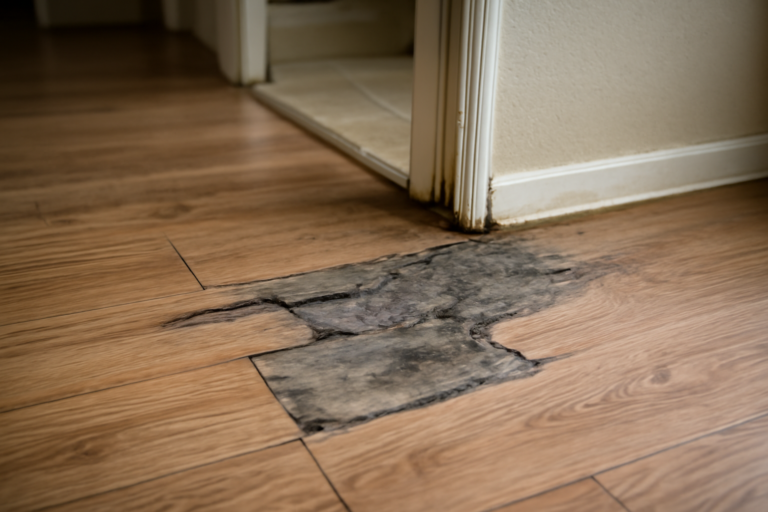
Tile Floor Water Damage Restoration in Ball Ground, GA
- Over 165 5-Star Reviews
- Free Estimates and Quotes
- 100% Satisfaction Guaranteed
- Child, Family & Pet Safe Steps
- 24-Hour Emergency Service
- Fully Licensed & Insured

When Water Meets Tile: Expert Restoration in Ball Ground, GA
You walk into your kitchen, and there it is. Water pooling around the edges of your beautiful tile floor. Maybe it’s a burst pipe, a leaky appliance, or something else entirely. That creeping moisture under your tiles is a serious problem. You can see it, maybe even smell it. Immediate action is critical to prevent lasting damage to your home.
Locally, homeowners trust our team to handle these specific situations. We’ve helped over 165 families in your neighborhood restore their tile floors after water incidents. You’ll see why when you understand our detailed approach. We get it right the first time, saving you stress and future costs.
- We specialize in the technical aspects of drying tile and grout, ensuring no hidden moisture remains to cause mold or structural issues.
- Our targeted drying methods prevent the cracking, discoloration, and deterioration that can ruin your tile’s appearance and integrity.
- We protect your investment by restoring your tile floors quickly and efficiently, minimizing disruption to your daily life.
How Tile Floor Water Damage Restoration Actually Works
Dealing with water damage under tile isn’t like drying a carpet. It requires a specific, scientific approach to get moisture out from under the tiles and from the subfloor itself. Skipping steps or using the wrong equipment can lead to bigger problems down the road, like mold growth or warped subflooring. Our methodical process is designed for effective tile floor drying. We use specialized equipment and proven techniques to ensure your floors are dried thoroughly and safely. We understand the science behind water extraction and drying.
Initial Water Extraction
First, we remove all standing water. This is usually done with powerful truck-mounted or portable extraction units. These machines pull out bulk water quickly, which is essential. It’s the first big step in preventing further saturation.
Moisture Assessment
Next, we use advanced moisture meters to detect exactly how much water is trapped. We check the tiles, the grout lines, and the subfloor. Accurate readings guide our drying plan. This step tells us where the problem is most severe.
Controlled Drying Environment
We set up specialized drying equipment. This includes air movers and dehumidifiers. These machines create airflow across the wet surfaces and pull moisture out of the air. We carefully control the environment to speed up evaporation.
Subfloor Drying Techniques
Sometimes, water seeps beneath the tiles into the subfloor. We may need to use techniques like containment or even drill small, inconspicuous holes to direct airflow under the tiles. This targeted drying is crucial for preventing subfloor rot and mold. It’s a detail many overlook.
Monitoring and Verification
Throughout the drying process, we continuously monitor moisture levels. We use our meters to confirm that the area is drying to safe, acceptable standards. We don’t stop until it’s dry. This ensures your tile floor is fully restored.
Don’t wait for minor leaks to become major headaches. Call us now to get your tile floors dried properly. Fast action saves your floors and your home.

Warning Signs You Need Tile Floor Water Damage Restoration
Catching water damage early is key to minimizing repair costs and preventing health hazards. Your tile floors might show subtle signs that water is present where it shouldn’t be. Ignoring these indicators can lead to extensive mold growth and structural damage. Pay close attention to what your floors are telling you.
Musty Odors That Won’t Go Away
A persistent damp, musty smell, especially in kitchens or bathrooms, is a strong indicator of trapped moisture. This smell often means mold is growing. It’s a hidden problem you need to address immediately.
Loose or Gapping Grout Lines
If your grout lines start to look wider, crumbly, or if tiles feel loose underfoot, water may be washing away the grout’s integrity. Weakened grout lets more water in. It’s a sign of compromised installation.
Discolored or Stained Tiles
Water can carry minerals and contaminants that leave behind stains or cause discoloration on your tiles. Yellowing or brown spots are not just unsightly. They signal that water has been sitting for too long.
Soft or Spongy Underfoot Feeling
Tiles should feel solid. If you notice areas that feel soft, spongy, or give way slightly when you walk on them, the subfloor might be saturated. This is a critical sign that needs immediate professional attention.
Water Pooling or Seepage
Obvious pooling water is the clearest sign. But even small amounts of water seeping up around the edges of your tile area are serious. This indicates a significant leak that needs immediate containment and drying.
Cracked or Warped Tiles
While sometimes caused by installation issues, cracked or warped tiles can also result from moisture expansion and contraction. Water pressure can literally lift tiles. It’s a clear sign of underlying water problems.
Tile Floor Water Damage Restoration vs. DIY: When To Call a Professional
| Situation | DIY? | Call a Pro? | Why |
|---|---|---|---|
| Small spill on tile surface | Yes | No | Easy to wipe up before it soaks into grout. |
| Leaky appliance drip onto tile | Maybe | Yes | Constant drips can saturate grout and subfloor over time. |
| Burst pipe under the floor | No | Yes | Requires specialized extraction and drying equipment to reach hidden moisture. |
| Water damage near walls/baseboards | No | Yes | Moisture can travel into walls and subflooring, requiring containment. |
| Visible mold growth on grout | No | Yes | Mold remediation requires safety protocols and specialized treatments. |
| Tiles loosening or grout crumbling | No | Yes | Indicates subfloor saturation and potential structural compromise. |
For anything beyond a minor spill, DIY methods often fall short. Professional intervention is crucial when water is trapped beneath your tiles or has saturated the subfloor. We have the tools and expertise to dry your floors completely. Don’t risk hidden damage by attempting complex drying yourself.
Tile Floor Water Damage Restoration Cost In Ball Ground, GA
The cost for tile floor water damage restoration can vary. It depends on the extent of the water damage, the size of the affected area, and how long the water has been present. These estimates are for the Ball Ground, GA area and can change based on specific conditions. We provide accurate quotes after an assessment.
| Service Aspect | Typical Price Range | What Affects Cost |
|---|---|---|
| Water Extraction (up to 500 sq ft) | $500 – $1,500 | Amount of standing water and accessibility. |
| Moisture Assessment and Mapping | $200 – $500 | Complexity of the layout and number of readings needed. |
| Controlled Drying Setup (Air Movers/Dehumidifiers) | $750 – $2,000 | Number of pieces of equipment needed and duration of drying. |
| Subfloor Drying Containment | $1,000 – $3,000 | Size of the affected subfloor area and containment materials. |
| Grout Sealing (Post-Drying) | $300 – $700 | Square footage and type of grout sealant used. |
| Mold Prevention Treatment | $400 – $900 | Size of the area treated and type of antimicrobial solution. |
These figures represent common scenarios. Your exact cost depends on a thorough on-site inspection. We offer free estimates to give you a clear picture before any work begins. Get your free estimate today.
Service Areas Near Ball Ground, GA
Ball Ground, Canton, Holly Springs, Woodstock, Acworth, Kennesaw, Marietta, Roswell, Alpharetta, Milton, Cumming, Dawsonville, Dahlonega, Suwanee, Johns Creek, Sandy Springs, Atlanta, Norcross, Duluth, Buford.
Common Questions About Tile Floor Water Damage Restoration
What’s the first thing I should do if I find water under my tile?
The very first step is to shut off the water source if possible. Then, try to remove any standing water you can safely access. Don’t delay calling professionals. We can immediately start the specialized drying process to prevent further damage. We’ll assess the situation and get to work fast.
How long does it take to dry out a tile floor after water damage?
Drying times vary significantly. It typically takes 24 to 72 hours for our specialized equipment to bring moisture levels back to normal. However, complex situations involving saturated subflooring might take longer. We monitor drying progress closely to ensure complete restoration.
Will my insurance cover tile floor water damage restoration?
Most homeowner’s insurance policies cover water damage, especially if it’s from a sudden event like a burst pipe. We work with all major insurance companies and can help you navigate the claims process. Documenting the damage is key, and we provide detailed reports.
Can water damage under my tile cause mold and health problems?
Absolutely. Trapped moisture is a breeding ground for mold, which can release spores into your air. Mold can cause respiratory issues and allergic reactions. Prompt drying and professional mold prevention are vital for your home’s health. We take these risks very seriously.
What equipment do you use to dry tile floors?
We use a range of professional-grade equipment. This includes powerful water extractors, specialized moisture meters, industrial dehumidifiers, and high-velocity air movers. These tools are designed for deep drying, reaching moisture beneath tiles and within the subfloor. Our advanced technology ensures effective results.
Check Our Other Relevant Services

Jerry Johns is a licensed Damage Restoration Expert with over 20 years of hands-on experience helping homeowners and businesses navigate property crises. As a trusted authority in the field, Jerry combines technical precision with a compassionate approach to disaster recovery.
𝗖𝗲𝗿𝘁𝗶𝗳𝗶𝗰𝗮𝘁𝗶𝗼𝗻𝘀: Jerry holds multiple elite IICRC certifications, including Water Damage Restoration (WRT), Applied Microbial Remediation (Mold), Applied Structural Drying (ASD), Odor Control, and Fire and Smoke Restoration.
𝗙𝗮𝘃𝗼𝗿𝗶𝘁𝗲 𝗣𝗮𝘀𝘁𝗶𝗺𝗲: When he isn’t on a job site, Jerry is an avid outdoorsman who enjoys fly fishing and restoring vintage woodworking tools.
𝗕𝗲𝘀𝘁 𝗣𝗮𝗿𝘁 𝗼𝗳 𝘁𝗵𝗲 𝗝𝗼𝗯: Jerry finds the most fulfillment in seeing the relief on a client’s face when their property is finally restored to its pre-loss condition, turning a stressful disaster into a fresh start.