Trusted by 165+ Homeowners
Tile Floor Water Damage Restoration in Braselton, GA
- Over 165 5-Star Reviews
- Free Estimates and Quotes
- 100% Satisfaction Guaranteed
- Child, Family & Pet Safe Steps
- 24-Hour Emergency Service
- Fully Licensed & Insured

Don’t Let Water Ruin Your Beautiful Tile Floors in Braselton, GA
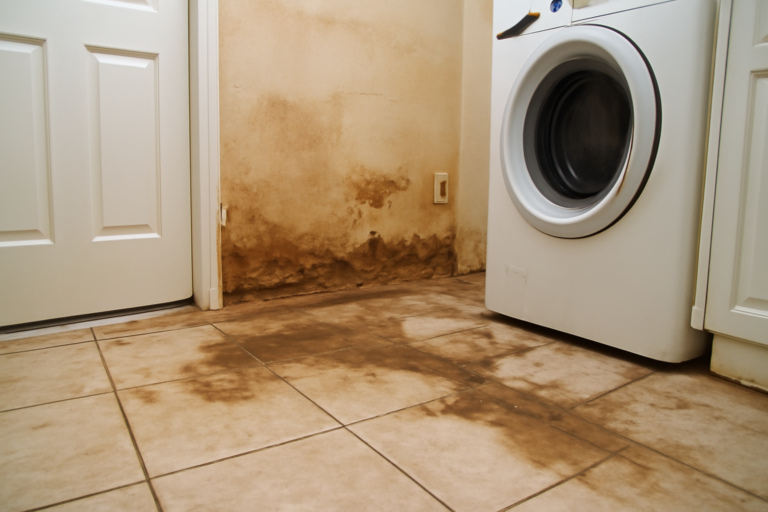
You walk into your kitchen, and there it is. Water seeping from between your tile grout, pooling around the edges. Maybe it’s from a leaky appliance, a plumbing issue, or even a slow roof leak that’s finally found its way down. You can smell that faint, damp odor starting to creep in. This isn’t just a spill; it’s tile floor water damage, and ignoring it could lead to costly structural problems. You need to act fast to protect your investment.
Homeowners around here have trusted our team for over 165 five-star reviews when their tile floors face water issues. We understand that tile looks solid, but the subfloor and grout can absorb moisture quickly. That’s why getting the right help is crucial for preventing mold growth and restoring your home’s integrity. We’re your local neighbors, ready to tackle this specific problem for you.
- We use specialized equipment to extract every drop of hidden water, preventing further damage beneath your tiles.
- Our targeted drying methods ensure your grout and subfloor are completely dry, stopping mold before it can start.
- We focus on preserving your existing tile whenever possible, saving you money on replacement costs.
The Technical Approach to Tile Floor Water Damage Restoration
Tile floor water damage requires a precise, scientific approach, not just mopping up visible puddles. Simply drying the surface won’t solve the problem; moisture trapped under the tiles or within the grout lines can continue to degrade materials and encourage mold. Our crews use advanced moisture meters to pinpoint exactly where the water is hiding and employ a strategic drying process to remove it completely. When corners are cut, you’re left with lingering dampness, potential structural rot, and the need for much more extensive repairs down the line.
Water Extraction and Containment
Our first step is always aggressive water removal. We utilize powerful truck-mounted and portable extraction units designed to pull water from porous materials like grout and the subfloor. We also set up containment barriers to prevent the spread of moisture and humidity to unaffected areas of your home, ensuring a controlled drying environment.
Moisture Detection and Assessment
Once visible water is gone, we don’t stop. Our technicians use infrared cameras and penetrating moisture meters to map out the full extent of the water intrusion. This detailed assessment is vital for understanding how deep the moisture has penetrated into your subfloor and walls, guiding our entire restoration plan.
Controlled Drying Protocols
This is where the science really comes in. We deploy specialized drying equipment, including high-velocity air movers and industrial dehumidifiers, to create optimal drying conditions. These machines work together to lower humidity levels and accelerate the evaporation of trapped moisture, speeding up the restoration timeline.
Grout and Subfloor Inspection
While drying, we closely monitor the grout and subfloor for any signs of deterioration. If the subfloor has been compromised, we’ll address that to ensure a solid foundation for your tile. Our goal is to restore structural integrity before any visible damage worsens.
Mold Prevention and Remediation
Preventing mold is a top priority. The rapid drying process we implement significantly reduces the risk of mold growth. If mold has already begun to form, our trained technicians are equipped to safely remove it and treat affected areas, ensuring a healthy living space.
Don’t wait for water damage to worsen. Call us now to get our team on-site and start the tile floor drying process immediately.

Warning Signs You Need Tile Floor Water Damage Restoration
Your tile floors might be telling you they have a problem long before you see a flood. Catching these subtle signs early can save you a lot of headaches and money. Ignoring them can lead to bigger repair bills and potential health concerns.
Musty Odors That Won’t Go Away
A persistent damp, musty smell, especially when you first enter a room, is a strong indicator of hidden moisture. This odor often signals that water is trapped behind tiles or within the subfloor, creating an environment for mildew and mold development.
Discolored or Soft Grout
Grout that appears darker than usual, or feels spongy and soft to the touch, suggests it has absorbed excessive moisture. This can weaken the grout’s integrity, making it more susceptible to cracking and allowing water to seep further down, leading to subfloor damage.
Loose or Cracked Tiles
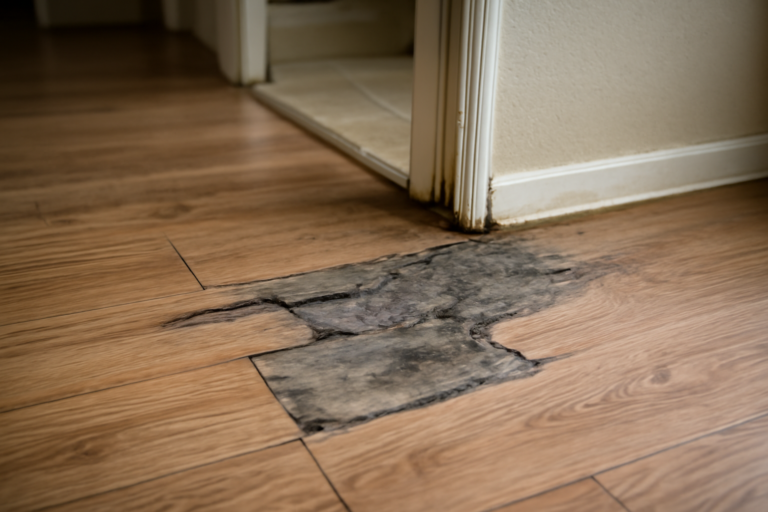
If tiles start to lift, feel loose underfoot, or if you notice new cracks appearing, water may be compromising the adhesive holding them down. This is often a sign that moisture has seeped beneath the tiles, affecting the bond and potentially the structural support beneath your floor.
Visible Water or Dampness
Any time you see water pooling on your tile floor, or if the surface consistently feels damp even after cleaning, it’s a clear sign of a leak. This immediate presence of water needs prompt attention to prevent saturation of the subfloor and surrounding materials.
Buckling or Warping of the Subfloor
While harder to see with tile, you might notice unevenness or areas where the floor seems to be pushing upwards slightly. This can happen when the subfloor beneath the tile absorbs too much moisture and begins to swell or warp, indicating significant water intrusion.
Changes in Wall or Baseboard Appearance
Water damage doesn’t always stay confined to the floor. If you see water stains, peeling paint, or warped materials on your baseboards or the lower part of your walls near the tile floor, it means the moisture has likely spread, requiring a wider inspection and restoration.
Tile Floor Water Damage Restoration vs. DIY: When To Call a Professional
| Situation | DIY? | Call a Pro? | Why |
|---|---|---|---|
| Small, fresh spill on tile surface | Yes | No | Easy to wipe up, minimal risk of subfloor saturation. |
| Leaky refrigerator water line | Maybe | Yes | Water can get under tiles quickly; professional extraction is often needed. |
| Persistent musty odor near tile | No | Yes | Indicates hidden moisture and potential mold growth that requires specialized equipment. |
| Loose or cracked tiles appearing | No | Yes | Suggests subfloor compromise; requires professional assessment and repair. |
| Water visible seeping from grout | No | Yes | Clear sign of significant saturation needing immediate, powerful extraction. |
| Damage after a burst pipe | No | Yes | Large volumes of water require rapid, industrial-grade drying to prevent long-term damage. |
For anything beyond a minor surface spill, professional help is usually your best bet. Our team has the specialized tools and expertise to handle unseen moisture and ensure your tile floors are dried properly, preventing future problems.
Tile Floor Water Damage Restoration Cost In Braselton, GA
The cost for tile floor water damage restoration in Braselton, GA, can vary significantly. Factors like the size of the affected area, the depth of water saturation, and the type of subfloor all play a role. These are estimates to give you an idea, not a final quote.
| Service Aspect | Typical Price Range | What Affects Cost |
|---|---|---|
| Water Extraction | $500 – $2,000 | Volume of water, accessibility, and equipment needed. |
| Moisture Detection & Assessment | $300 – $1,000 | Complexity of the issue, need for advanced tools like infrared cameras. |
| Controlled Drying (Equipment Rental) | $750 – $3,000 | Duration of drying, number and type of air movers/dehumidifiers required. |
| Subfloor Inspection & Minor Repair | $400 – $1,500 | Extent of damage to the subfloor, materials needed for repair. |
| Mold Prevention Treatment | $200 – $800 | Size of the area treated and the type of preventative solution used. |
| Grout Sealing (Post-Drying) | $200 – $600 | Square footage of the floor and type of sealant applied. |
An on-site assessment is the only way to get an accurate estimate for your specific situation. We offer free, no-obligation estimates to help you understand the scope and cost upfront.
Service Areas Near Braselton, GA
Braselton, Flowery Branch, Oakwood, Gainesville, Buford, Suwanee, Lawrenceville, Dacula, Hoschton, Auburn, Winder, Monroe, Bethlehem, Commerce, Jefferson, Pendergrass, Maysville, Talmo, Clermont, and Cumming.
Common Questions About Tile Floor Water Damage Restoration
How quickly do I need to address water under my tile floors?
You need to act as fast as possible. Water can seep into grout and the subfloor within hours, creating a breeding ground for mold and potentially causing structural damage. The longer you wait, the more extensive and costly the repairs will become. Our team is available to respond quickly to your Braselton, GA property.
Will my insurance cover tile floor water damage restoration?
Often, yes, but it depends on the cause of the water damage. Standard homeowner’s insurance typically covers sudden and accidental events like burst pipes or appliance failures. Damage from slow leaks or lack of maintenance might not be covered. We can help you document the damage for your insurance claim and work with them directly.
How long does the drying process take for tile floors?
The drying process can take anywhere from a few days to over a week, depending on the severity of the water intrusion and ambient humidity. We use specialized equipment like high-speed air movers and dehumidifiers to accelerate drying significantly, but it’s a science that can’t be rushed without risking incomplete drying.
Is mold a big risk with tile floor water damage?
Yes, mold is a significant risk. Tile and grout are porous, and the subfloor beneath is especially vulnerable. If moisture isn’t removed promptly and thoroughly, mold can begin to grow within 24-48 hours, releasing spores into your air and potentially causing health issues. Our process is designed for rapid mold prevention.
Can you really save my tile, or will I need a full replacement?
In many cases, yes, we can save your tile. Our primary goal is to extract the water and dry the affected areas thoroughly, which often allows us to preserve your existing flooring. Full replacement is usually only necessary if the tile itself has cracked or become permanently discolored, or if the subfloor is beyond repair and needs replacement.
Check Our Other Relevant Services

Jerry Johns is a licensed Damage Restoration Expert with over 20 years of hands-on experience helping homeowners and businesses navigate property crises. As a trusted authority in the field, Jerry combines technical precision with a compassionate approach to disaster recovery.
𝗖𝗲𝗿𝘁𝗶𝗳𝗶𝗰𝗮𝘁𝗶𝗼𝗻𝘀: Jerry holds multiple elite IICRC certifications, including Water Damage Restoration (WRT), Applied Microbial Remediation (Mold), Applied Structural Drying (ASD), Odor Control, and Fire and Smoke Restoration.
𝗙𝗮𝘃𝗼𝗿𝗶𝘁𝗲 𝗣𝗮𝘀𝘁𝗶𝗺𝗲: When he isn’t on a job site, Jerry is an avid outdoorsman who enjoys fly fishing and restoring vintage woodworking tools.
𝗕𝗲𝘀𝘁 𝗣𝗮𝗿𝘁 𝗼𝗳 𝘁𝗵𝗲 𝗝𝗼𝗯: Jerry finds the most fulfillment in seeing the relief on a client’s face when their property is finally restored to its pre-loss condition, turning a stressful disaster into a fresh start.