Trusted by 165+ Homeowners
Tile Floor Water Damage Restoration in Buford, GA
- Over 165 5-Star Reviews
- Free Estimates and Quotes
- 100% Satisfaction Guaranteed
- Child, Family & Pet Safe Steps
- 24-Hour Emergency Service
- Fully Licensed & Insured

Expert Tile Floor Water Damage Restoration for Buford, GA Homes
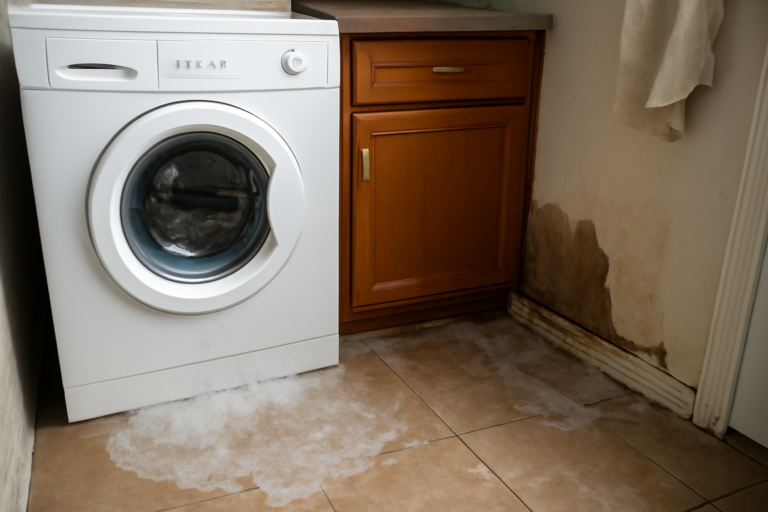
You walk into your kitchen, and there it is. Water pooling around the edges of your beautiful tile floor. Maybe you hear a faint gurgling sound, or perhaps a strange, damp smell has started to creep in. It’s a sinking feeling, knowing that water can do serious damage, especially to grout and subflooring. Fast action is critical when you spot this kind of problem. You need a team that understands the unique challenges of tile and grout when it gets wet. We’re here to help you address this urgent situation.
We’ve helped over 165 local families in your neighborhood deal with water damage, and many have trusted us specifically for their tile floors. Homeowners choose us because we bring a focused expertise to this specific issue. You want a team that knows how to dry tile effectively without causing further harm. Getting your home back to normal quickly is our priority, and we’ve built a strong local reputation doing just that.
- We use specialized equipment to extract water trapped beneath tiles and in grout lines, preventing long-term mold growth and structural issues.
- Our targeted drying methods ensure your tile and grout are returned to their safe moisture levels, preserving their integrity and appearance.
- We understand the unique porous nature of grout and tile, employing protocols to avoid staining or damage that less experienced teams might cause.
How Tile Floor Water Damage Restoration Actually Works
Dealing with water damage under tile isn’t as simple as mopping up a spill. If not handled correctly, moisture can wick up into walls, damage the subfloor, and lead to mold that’s invisible but dangerous. Our process is designed to tackle this problem head-on, using scientific principles to restore your property safely and efficiently. We focus on meticulous moisture detection and controlled drying, ensuring all hidden dampness is eliminated. Cutting corners here can lead to costly future repairs and health hazards, so we never do.
Moisture Detection and Assessment
We start by using advanced moisture meters to pinpoint exactly where the water is and how deep it has penetrated. This isn’t guesswork; it’s a scientific approach to understanding the full scope of the damage. We’ll map out the wet areas, paying close attention to grout lines and tile edges, to create a precise drying plan.
Water Extraction
Our powerful extraction equipment is designed to remove standing water quickly and effectively from the tile surface. We use specialized tools that can get into grout lines to pull out as much moisture as possible. This initial step is crucial for minimizing further damage.
Containment and Air Filtration
To prevent the spread of moisture and potential contaminants, we set up containment barriers. We also use air scrubbers with HEPA filters to improve air quality and remove any airborne particles. This step helps protect your home’s environment during the drying process.
Controlled Drying Process
This is where our technical expertise shines. We deploy specialized drying equipment, like industrial air movers and dehumidifiers, to create the optimal drying environment. We carefully monitor humidity and temperature levels, adjusting our equipment as needed to ensure your tile floor and subfloor dry properly without causing damage. It’s a precision-focused method.
Grout and Tile Sealing (If Necessary)
Once everything is dry, we assess the condition of your grout. If it’s compromised, we can clean and re-seal it to protect it from future moisture intrusion and staining. This final step helps restore your floor’s long-term resilience.
Don’t let water damage linger. Acting now can make a significant difference in the restoration outcome. Call us today to get a professional assessment started.

Warning Signs You Need Tile Floor Water Damage Restoration
It’s easy to overlook small signs of water damage, but catching them early is key to preventing much bigger problems. Ignoring these indicators can lead to extensive mold growth, rot in your subfloor, and expensive repairs down the line. Pay attention to what your home is telling you; these subtle clues often signal the need for immediate professional attention. We want to help you identify potential issues before they become emergencies.
Musty Odors That Won’t Go Away
If you notice a persistent damp, earthy smell, especially near your tile floors, it’s a strong indicator of trapped moisture. This odor often signals that mold or mildew is beginning to grow in hidden areas. You can’t just mask this smell; you need to address the source.
Discolored or Stained Grout
Water can carry minerals and other substances that leave behind visible stains or darkening on your grout lines. If you see new or worsening discoloration, it means water is penetrating and affecting the grout’s integrity. This is a clear sign of water intrusion.
Loose or Shifting Tiles
When water gets under tiles, it can break down the adhesive or thin-set holding them in place. If you notice tiles that feel loose when you walk on them, or if they seem to be shifting slightly, water is likely the culprit. This needs prompt attention.
Warped or Soft Subflooring
Though it’s hidden beneath your tiles, your subfloor is vulnerable. If you start to feel soft spots or notice any slight warping or buckling through the tiles, it means the subfloor is saturated. This is a serious sign that requires immediate professional drying.
Efflorescence on Grout or Tiles
This appears as a white, powdery residue on the surface of your grout or tiles. It’s caused by salts and other minerals in the water that are drawn to the surface as the moisture evaporates. Seeing efflorescence means water is moving through your tile system, indicating a moisture problem.
Increased Humidity Indoors
If your home feels unusually humid, even with your air conditioning running, there might be an unseen water source contributing to the moisture level. This elevated humidity can affect not just your floors but also the air quality throughout your home. It’s a subtle but important clue that needs investigation.
Tile Floor Water Damage Restoration vs. DIY: When To Call a Professional
| Situation | DIY? | Call a Pro? | Why |
|---|---|---|---|
| Small spill on tile surface, dried immediately | Yes | No | Surface spills usually don’t penetrate grout if cleaned up quickly. |
| Slight discoloration on grout after a minor leak | Maybe | Yes | Hidden moisture can still be present, risking mold or subfloor damage. |
| Standing water around tile edges for several hours | No | Yes | Requires specialized extraction and drying equipment to remove deep moisture. |
| Musty smell emanating from tile floor area | No | Yes | Indicates potential mold growth that needs professional remediation. |
| Loose tiles or soft spots felt underfoot | No | Yes | Suggests subfloor damage and compromised adhesives requiring expert repair. |
| Water damage from a burst pipe or significant leak | No | Yes | This is a major event needing immediate, professional intervention for safety and thorough drying. |
For anything beyond a minor surface spill, professional help is highly recommended for tile floor water damage. Our team has the specialized tools and knowledge to ensure all moisture is removed, preventing future structural issues and mold. Trusting a professional ensures a more thorough and long-lasting restoration.
Tile Floor Water Damage Restoration Cost In Buford, GA
The cost for tile floor water damage restoration can vary significantly depending on several factors. These include the extent of the water damage, the total square footage affected, and how long the moisture has been present. These figures are general estimates for the Buford, GA area; an on-site inspection is always needed for an accurate quote.
| Service | Typical Price Range | What Affects Cost |
|---|---|---|
| Moisture Assessment & Mapping | $200 – $600 | Size of the affected area and complexity of the layout. |
| Water Extraction (Tile & Grout) | $500 – $2,000 | Amount of standing water and accessibility of the area. |
| Controlled Drying (Air Movers & Dehumidifiers) | $700 – $3,500 | Duration of drying needed, size of the space, and number of units required. |
| Containment & Air Filtration | $300 – $1,000 | Size of the containment area and type of filtration equipment used. |
| Grout Cleaning & Sealing | $400 – $1,200 | Square footage of the grout lines and condition of the existing sealant. |
| Subfloor Drying/Repair Assessment | $300 – $1,500+ | Severity of subfloor saturation and whether minor drying or significant repair is needed. |
The exact pricing for your specific situation will depend on a detailed assessment by our technicians. We offer free, no-obligation estimates so you know exactly what to expect before any work begins.
Service Areas Near Buford, GA
Suwanee, Sugar Hill, Flowery Branch, Oakwood, Braselton, Cumming, Duluth, Johns Creek, Lawrenceville, Snellville, Norcross, Chamblee, Doraville, Dunwoody, Sandy Springs, Marietta, Roswell, Alpharetta, Milton, Auburn
Common Questions About Tile Floor Water Damage Restoration
How quickly do I need to call for tile floor water damage?
You should call for professional help as soon as possible after discovering water on your tile floors. The longer water sits, especially in grout lines or beneath tiles, the higher the risk of mold growth and subfloor damage. Our team is equipped to respond quickly to mitigate further issues and begin the drying process effectively.
Will my insurance cover tile floor water damage restoration?
In many cases, yes, especially if the water damage resulted from a sudden and accidental event like a burst pipe or appliance malfunction. However, coverage can vary based on your specific policy and the cause of the water intrusion. We can help document the damage for your insurance claim and work with adjusters to ensure you receive the coverage you’re entitled to for proper restoration.
How long does the tile floor drying process take?
The drying process for tile floors can vary, typically taking three to five days, but sometimes longer depending on the extent of saturation and environmental conditions. We use specialized equipment that speeds up evaporation and dehumidification. Our technicians will continuously monitor moisture levels to determine when the drying is complete, ensuring your home is safe and dry.
Can mold grow under tile floors even if I don’t see it?
Absolutely. Mold thrives in dark, damp environments, and the space beneath tiles and within grout lines is ideal. If you notice a musty odor or discolored grout, it’s a strong sign that mold may be growing unseen. Our process includes thorough moisture detection and drying to prevent mold development and address any existing issues safely.
What should I do before your team arrives to restore my tile floor?
First, if the water source is still active, try to shut it off if it’s safe to do so. If there’s standing water, avoid walking on the affected tiles as much as possible to prevent spreading contamination or damaging them further. Documenting the damage with photos can also be helpful. We’ll handle the rest, bringing our specialized equipment and expertise to your property.
Check Our Other Relevant Services
Serving Buford, GA And Nearby Areas