Trusted by 165+ Homeowners
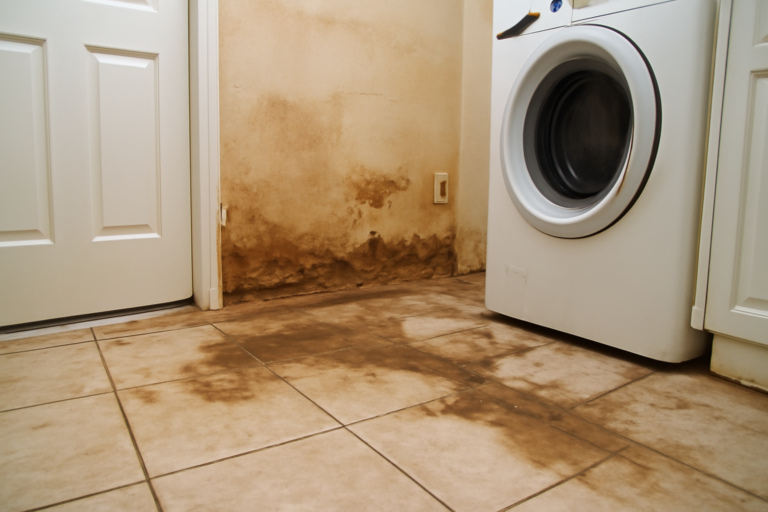
Tile Floor Water Damage Restoration in Cumming, GA
- Over 165 5-Star Reviews
- Free Estimates and Quotes
- 100% Satisfaction Guaranteed
- Child, Family & Pet Safe Steps
- 24-Hour Emergency Service
- Fully Licensed & Insured

When Water Meets Your Tile: Expert Restoration in Cumming, GA
Here around Cumming, GA, we know how quickly a sudden downpour or a leaky pipe can turn into a serious headache. Our humid summers often bring heavy rains, and older homes can sometimes develop plumbing issues that aren’t obvious until water starts to show up where it shouldn’t. That’s when your beautiful tile floors can start to suffer from water damage, leading to more than just an unsightly mess. Addressing this quickly is key to preventing further issues and protecting your investment.
With over 165 five-star reviews from your neighbors, it’s clear that homeowners trust our team to handle their tile floor water damage. We understand that when water infiltrates your tile and grout, it’s not just about drying things out. It’s about knowing exactly how to deal with the unique challenges tile presents, from porous grout to potential subfloor damage. We’re the local choice because we’re committed to getting it right the first time.
- We specialize in extracting water trapped beneath tiles, preventing mold growth and structural issues that are common with tile flooring.
- Our targeted drying methods ensure your grout and tile are properly restored without causing discoloration or weakening the bond to your subfloor.
- We tackle the underlying moisture, not just the surface, to give you confidence that your tile floors are truly dry and safe.
How We Tackle Tile Floor Water Damage
When water gets onto your tile floors, it’s more than just a puddle. It can seep into grout lines, under tiles, and even into the subfloor, creating hidden problems. That’s why a methodical approach is so important. Cutting corners here can lead to lingering moisture, mold, and further damage down the road, costing you much more in the long run. Our team follows a proven process designed specifically for tile to ensure a thorough and effective restoration.
Initial Water Assessment and Containment
First, we’ll carefully inspect the extent of the water damage to your tile. This involves identifying the source of the water and stopping it, then containing the affected area. We use specialized tools to measure moisture levels, ensuring we understand the full scope of the problem. This critical first step helps us plan the most effective strategy and prevent the spread of water.
Water Extraction from Tile Surfaces and Grout
Once contained, our priority is removing standing water. For tile floors, this means using powerful extraction equipment that can get into grout lines and under loose tiles. We’re not just mopping; we’re using advanced technology to draw out trapped moisture effectively. This process is crucial for preventing long-term damage to your grout and subfloor.
Targeted Drying of Tile and Grout
After extraction, the real work begins to dry everything out completely. We deploy industrial-grade air movers and dehumidifiers strategically placed around your tile floors. These machines work tirelessly to reduce humidity and speed up the drying process, paying close attention to grout lines where moisture loves to linger. Our goal is to restore optimal humidity levels and prevent mold development.
Moisture Monitoring and Verification
We don’t just pack up and leave once the air feels dry. Our technicians use advanced moisture meters to continuously monitor the drying progress, ensuring that all layers, including the subfloor beneath the tile, are brought back to their normal moisture content. This meticulous monitoring guarantees that your tile floor is thoroughly dried and protected against future issues.
Restoration of Grout and Tile (If Necessary)
In some cases, water damage can compromise the integrity of grout or even loosen tiles. If this happens, we’ll assess the need for repairs or re-grouting. Our focus is always on restoring your tile floor to its pre-damage condition, ensuring both its appearance and structural soundness. We aim for a complete and lasting repair.
Don’t let water damage linger on your tile floors. Reach out to us today for a prompt and professional assessment to safeguard your home.

Warning Signs You Need Tile Floor Water Damage Restoration
Catching water damage early is the smartest thing you can do for your tile floors and your home’s overall health. Ignoring these signs can lead to much bigger, more expensive problems down the line, especially when it comes to hidden moisture.
Musty Odors That Won’t Go Away
That persistent damp smell, especially after a rain or a spill, is often the first sign that water is trapped. It’s a clear indicator that mold or mildew might be starting to grow. Address the source and investigate hidden moisture.
Discolored or Warped Grout
If you notice your grout lines darkening, staining, or even starting to crumble, it means they’ve absorbed too much moisture. This weakens the grout and can lead to tiles becoming loose. Inspect grout lines closely for any changes.
Loose or Shifting Tiles
Tiles that feel loose underfoot or seem to shift when you walk on them suggest the adhesive is failing. This is often caused by prolonged exposure to moisture that has compromised the bond. Test tile stability regularly.
Water Stains or Rings on Tile
Visible water stains or rings on the surface of your tiles, especially near grout lines or edges, are a direct sign of water intrusion. These marks indicate that water has penetrated the surface. Look for visible marks on the tile surface.
Soft or Spongy Subfloor
If the area around your tile floor feels soft, spongy, or gives way when you press on it, this is a serious sign. It means the subfloor beneath the tile has become saturated and is losing its structural integrity. Check the firmness of the floor around the tile.
Tile Floor Water Damage Restoration vs. DIY: When To Call a Professional
| Situation | DIY? | Call a Pro? | Why |
|---|---|---|---|
| Small spill on tile surface, quickly wiped up | Yes | No | Most spills on tile are easily managed with basic cleanup. |
| Minor grout discoloration from a recent spill | Maybe | Yes | Grout can absorb water; professional drying prevents long-term issues. |
| Standing water on tile floor after a burst pipe | No | Yes | Requires specialized extraction equipment for thorough drying. |
| Musty odor around tile floors | No | Yes | Indicates hidden moisture and potential mold growth needing professional assessment. |
| Loose tiles or crumbling grout | No | Yes | Suggests subfloor damage or adhesive failure requiring expert repair. |
| Water damage after a major flood event | Absolutely Not | Yes | Extensive damage needs professional assessment, drying, and restoration. |
For anything beyond a minor surface spill, calling a professional for tile floor water damage is usually the smartest move. It ensures that hidden moisture is addressed and prevents costly secondary damage like mold or subfloor rot.
Tile Floor Water Damage Restoration Cost In Cumming, GA
The cost for tile floor water damage restoration in Cumming, GA, can vary significantly. Factors like the size of the affected area, the depth of water intrusion, and the type of subfloor all play a role in the final price. These figures are estimates and are subject to change after an on-site inspection.
| Service | Typical Price Range | What Affects Cost |
|---|---|---|
| Water Extraction (per sq ft) | $3 – $7 | Amount of water and complexity of tile layout. |
| Professional Drying (per day) | $300 – $600 | Size of the area and number of drying units needed. |
| Moisture Monitoring and Testing | $200 – $500 | Frequency of checks and advanced equipment used. |
| Grout Sealing/Repair | $2 – $5 per linear foot | Extent of grout damage and type of grout used. |
| Subfloor Inspection and Repair | $500 – $3,000+ | Severity of saturation and material needed for repair. |
| Mold Remediation (if applicable) | $1,000 – $5,000+ | Amount of mold growth and containment needs. |
An on-site assessment is the only way to get an accurate quote. We’re happy to provide free estimates so you know exactly what to expect.
Service Areas Near Cumming, GA
We proudly serve Cumming, GA, and the surrounding communities, including Alpharetta, Milton, Johns Creek, Suwanee, Buford, Sugar Hill, Dawsonville, Ball Ground, Canton, Woodstock, Holly Springs, Roswell, Marietta, Sandy Springs, Dunwoody, Norcross, Duluth, Lawrenceville, and Gainesville.
Common Questions About Tile Floor Water Damage Restoration
How long does it take to dry tile floors after water damage?
The drying time for tile floors can vary greatly, typically ranging from 24 to 72 hours for basic drying. However, if water has saturated the subfloor or grout deeply, it might take longer, sometimes up to a week or more. We use specialized equipment to accelerate the drying process and monitor moisture levels closely to determine when it’s truly dry.
Will my insurance cover tile floor water damage restoration?
Often, yes, but it depends on the cause of the water damage. Standard homeowner’s insurance typically covers sudden and accidental events like pipe bursts or storm damage. Damage from slow leaks or lack of maintenance might not be covered. We can help you document the damage properly for your insurance claim. We’ll work with your adjuster to ensure you get the coverage you deserve.
Is it safe to walk on wet tile floors?
Walking on wet tile floors can be dangerous due to the risk of slips and falls. Additionally, if the grout or adhesive is compromised by the water, tiles can become loose and shift underfoot, potentially causing injury. It’s best to avoid walking on affected areas as much as possible until they are properly dried and secured by our team.
What kind of equipment do you use for tile water removal?
We utilize a range of professional-grade equipment, including high-powered water extractors designed to pull moisture from surfaces and porous materials like grout. For drying, we deploy industrial air movers and commercial dehumidifiers that create optimal airflow and humidity control. This advanced technology allows us to extract water efficiently and dry your floors thoroughly.
How can I prevent water damage to my tile floors in the future?
Regular maintenance is key. Ensure grout is properly sealed, as this creates a barrier against water absorption. Inspect plumbing fixtures, pipes, and appliance hoses for leaks periodically. Also, address any spills on tile floors promptly. We can also offer advice on maintaining your grout and checking for early leaks.
Check Our Other Relevant Services

Jerry Johns is a licensed Damage Restoration Expert with over 20 years of hands-on experience helping homeowners and businesses navigate property crises. As a trusted authority in the field, Jerry combines technical precision with a compassionate approach to disaster recovery.
𝗖𝗲𝗿𝘁𝗶𝗳𝗶𝗰𝗮𝘁𝗶𝗼𝗻𝘀: Jerry holds multiple elite IICRC certifications, including Water Damage Restoration (WRT), Applied Microbial Remediation (Mold), Applied Structural Drying (ASD), Odor Control, and Fire and Smoke Restoration.
𝗙𝗮𝘃𝗼𝗿𝗶𝘁𝗲 𝗣𝗮𝘀𝘁𝗶𝗺𝗲: When he isn’t on a job site, Jerry is an avid outdoorsman who enjoys fly fishing and restoring vintage woodworking tools.
𝗕𝗲𝘀𝘁 𝗣𝗮𝗿𝘁 𝗼𝗳 𝘁𝗵𝗲 𝗝𝗼𝗯: Jerry finds the most fulfillment in seeing the relief on a client’s face when their property is finally restored to its pre-loss condition, turning a stressful disaster into a fresh start.