Trusted by 165+ Homeowners
Tile Floor Water Damage Restoration in Marietta, GA
- Over 165 5-Star Reviews
- Free Estimates and Quotes
- 100% Satisfaction Guaranteed
- Child, Family & Pet Safe Steps
- 24-Hour Emergency Service
- Fully Licensed & Insured

Tile Floor Water Damage Restoration for Your Marietta, GA Home
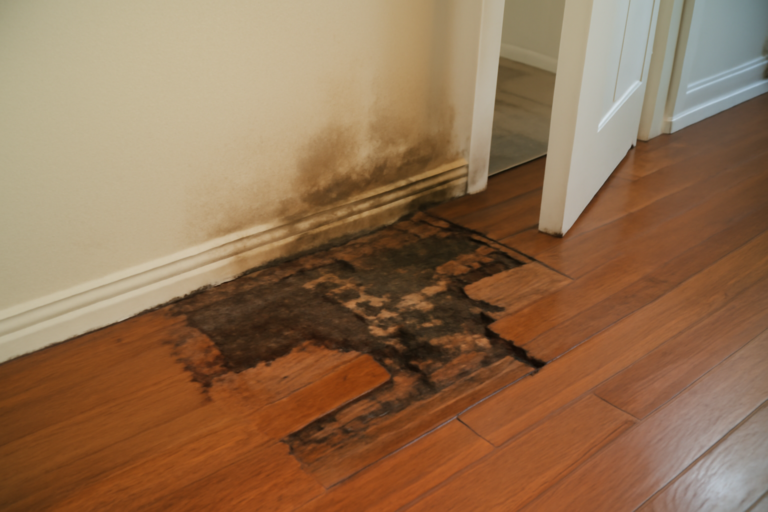
You step into your kitchen, and there it is – a subtle discoloration spreading across your beautiful tile floor. Maybe you hear a faint squishing sound underfoot, or perhaps a faint, damp smell is starting to hang in the air. That creeping moisture beneath your tiles is more than just unsightly; it’s a sign of potential trouble that needs immediate attention. Ignoring it can lead to serious structural issues and mold growth, so tackling tile floor water damage right away is crucial for your home.
Homeowners around Marietta, GA, trust our team because we understand the unique challenges tile floors present when water gets involved. We’ve helped over 165 families in your neighborhood restore their homes, earning more than 165 five-star reviews for our dedicated service. You can count on our experienced crews to handle your tile floor water damage with precision and care, ensuring a thorough restoration.
- We specialize in extracting hidden moisture that infiltrates grout lines and subfloors, preventing long-term damage that’s invisible at first.
- Our targeted drying methods use advanced equipment to dry your tile and underlying layers completely, safeguarding against mold and mildew.
- We’re experts at identifying the source of the leak, not just cleaning up the mess, so you can prevent future water intrusion issues.
How Tile Floor Water Damage Restoration Actually Works
Addressing water damage beneath tile isn’t like drying a carpet; it requires a specific, scientific approach. Improper drying can leave trapped moisture, creating a breeding ground for mold and weakening your subfloor over time. Our systematic process is designed to remove every bit of excess water, analyze moisture levels with specialized tools, and ensure your tile floor is returned to a safe, dry state. We’re committed to providing a reliable restoration, not just a quick fix that might fail later.
Inspection and Assessment
Our technicians begin with a thorough inspection, using moisture meters to pinpoint exactly where water has penetrated. We’ll document the extent of the damage, noting any affected areas around your tile. This initial assessment is key to developing a targeted drying plan.
Water Extraction
Once the source is stopped, we use powerful extraction equipment to remove standing water from the tile surface and any accessible spaces. This step is vital for minimizing saturation and starting the drying process as quickly as possible.
Controlled Drying
We deploy specialized drying equipment, including air movers and dehumidifiers, to create an optimal drying environment. These machines work to evaporate moisture from the tile, grout, and subfloor, ensuring a complete and safe dry. We constantly monitor humidity and moisture levels.
Deodorizing and Sanitation
Water damage can leave behind unpleasant odors and potential contaminants. We use professional-grade deodorizers and sanitizers to eliminate smells and ensure your home environment is healthy. This step is important for long-term cleanliness.
Final Inspection
Before we consider the job done, we conduct a final inspection with moisture meters to confirm that all affected areas are completely dry. Your satisfaction with our thorough restoration is our priority.
Don’t let water damage compromise your beautiful tile floors. Call us now to get a professional assessment and start the restoration process. We’re ready to provide a fast and effective solution.

Warning Signs You Need Tile Floor Water Damage Restoration
Catching the early signs of water damage under your tile can save you a lot of money and prevent more serious problems down the line. Many issues start small and are easy to miss if you’re not looking closely. Being aware of these indicators means you can act fast and protect your property. Recognizing these signs is the first step toward recovery.
Loose or Cracked Grout
If you notice grout lines that are crumbling, cracking, or starting to pull away from the tiles, it could indicate moisture is weakening the bond. This is a clear sign of underlying water issues.
Discolored or Warped Grout
Grout that darkens or appears stained, especially in areas away from direct traffic, suggests it’s holding onto moisture. You might also see warping or lifting in the grout itself, which means water is trapped.
Buckling or Lifting Tiles
Tiles that begin to lift, buckle, or feel loose underfoot are a serious warning. This often happens when water saturates the adhesive and subfloor, causing expansion and contraction. It’s a definite signal for immediate professional help.
Musty Odors That Won’t Go Away
A persistent damp, musty smell, particularly noticeable in kitchens or bathrooms, is a strong indicator of hidden mold growth. This smell often means moisture is trapped behind or beneath your tiles, and it requires expert remediation.
Soft or Spongy Subfloor
If the floor feels soft, spongy, or gives way slightly when you walk on it, especially near baseboards or appliances, your subfloor has likely absorbed significant moisture. This is a critical sign of structural compromise.
Changes in Tile Appearance
You might notice subtle changes like a dullness or a slight haze on the tile surface that wasn’t there before. Sometimes, water can cause efflorescence, a white, powdery residue, to appear on the tile or grout, indicating moisture migration.
Tile Floor Water Damage Restoration vs. DIY: When To Call a Professional
| Situation | DIY? | Call a Pro? | Why |
|---|---|---|---|
| Small spill on tile surface, immediately wiped up | Yes | No | Quick cleanups are usually manageable without special equipment. |
| Leak from a faucet or appliance contained to a small area, no standing water | Maybe | Yes | Even small leaks can seep under tiles; professional assessment ensures thorough drying. |
| Visible water pooling on the tile floor after a pipe burst | No | Yes | Large amounts of water require powerful extraction to prevent subfloor damage. |
| Suspected moisture behind tiles, causing discoloration or odors | No | Yes | You can’t see or reach trapped moisture without specialized tools and knowledge. |
| Tiles are visibly lifting, cracking, or grout is failing | No | Yes | This indicates significant subfloor damage that needs immediate, expert repair. |
| Water intrusion from a storm or flood affecting the entire floor | No | Yes | Large-scale water events need professional drying protocols to prevent long-term issues like mold. |
While small, surface-level spills can often be managed with quick cleanup, any situation involving standing water, persistent moisture, or signs of deterioration beneath your tiles demands professional attention. Relying on our team ensures that the underlying issues are addressed, preventing costly future repairs and potential health hazards.
Tile Floor Water Damage Restoration Cost in Marietta, GA
The cost for tile floor water damage restoration in Marietta, GA, varies significantly depending on the extent of the water intrusion, the size of the affected area, and the specific subfloor materials. These price ranges are estimates and can fluctuate based on the complexity of the job. We provide transparent pricing after an on-site assessment.
| Service | Typical Price Range | What Affects Cost |
|---|---|---|
| Moisture Assessment and Inspection | $300 – $800 | The number of areas needing assessment and the use of advanced moisture detection tools. |
| Water Extraction (Small to Medium Area) | $500 – $1,500 | The volume of water to be removed and the accessibility of the affected tile area. |
| Controlled Drying (Equipment Rental & Monitoring) | $800 – $3,000 | The size of the space being dried, the number of days required, and the type of equipment used. |
| Grout and Seam Sealing (Post-Drying) | $200 – $600 | The total linear footage of grout lines and the condition of existing seals. |
| Subfloor Deodorizing and Sanitizing | $300 – $1,000 | The severity of odor or contamination and the specific products required for treatment. |
| Mold Testing and Remediation (if necessary) | $1,000 – $5,000+ | The extent of mold growth and the complexity of the remediation process required. |
An on-site assessment is the best way to get an accurate quote for your specific situation. We offer free estimates for tile floor water damage restoration, so you can understand the investment needed to properly restore your home. We’re committed to providing value and quality.
Service Areas Near Marietta, GA
We proudly serve the following communities: Acworth, Alpharetta, Austell, Brookhaven, Cartersville, Canton, Chamblee, Clarkdale, Dallas, Dunwoody, Emerson, Forest Park, Hiram, Johns Creek, Kennesaw, Lithia Springs, Mableton, Marietta, Roswell, Smyrna, Stockbridge, Talking Rock, Tucker, Vinings, and Woodstock.
Common Questions About Tile Floor Water Damage Restoration
What if I have a leak under my tile floor?
If you suspect a leak under your tile floor, it’s important to act quickly. You’ll want to identify and stop the source of the leak if possible, then call a professional restoration team immediately. We can use specialized equipment to extract the water and dry the affected areas thoroughly, preventing further damage and mold growth.
How long does it take to dry a tile floor after water damage?
The drying time for tile floors can vary significantly, typically ranging from 24 to 72 hours, or sometimes longer, depending on the severity of the water damage and the underlying subfloor. Our technicians use advanced drying equipment and monitor moisture levels closely to ensure a complete dry as efficiently as possible, minimizing disruption to your home.
Can water damage under my tile cause health problems?
Yes, absolutely. Trapped moisture beneath your tile creates an ideal environment for mold and mildew to grow, which can release spores into your home’s air. Inhaling these spores can lead to various health issues, including allergies, respiratory problems, and other sensitivities. Our team focuses on thorough drying and sanitation to prevent these health risks.
What equipment do you use for tile floor water damage?
We utilize a range of professional-grade equipment designed specifically for water damage restoration. This includes high-powered water extractors for removing standing water, industrial-strength air movers to accelerate evaporation, and advanced dehumidifiers to control humidity levels. We also use moisture meters to accurately measure water content in your tile, grout, and subfloor, ensuring a complete and safe restoration.
How can I prevent water damage to my tile floors in the future?
Regular maintenance is key. Ensure your plumbing is in good condition, check for any leaks around appliances like dishwashers and refrigerators, and promptly address any issues with toilets or showers. Sealing your grout periodically can also help prevent water from seeping underneath. For areas prone to leaks, consider having them inspected by a professional to catch potential problems early and maintain a dry, healthy home.
Check Our Other Relevant Services

Jerry Johns is a licensed Damage Restoration Expert with over 20 years of hands-on experience helping homeowners and businesses navigate property crises. As a trusted authority in the field, Jerry combines technical precision with a compassionate approach to disaster recovery.
𝗖𝗲𝗿𝘁𝗶𝗳𝗶𝗰𝗮𝘁𝗶𝗼𝗻𝘀: Jerry holds multiple elite IICRC certifications, including Water Damage Restoration (WRT), Applied Microbial Remediation (Mold), Applied Structural Drying (ASD), Odor Control, and Fire and Smoke Restoration.
𝗙𝗮𝘃𝗼𝗿𝗶𝘁𝗲 𝗣𝗮𝘀𝘁𝗶𝗺𝗲: When he isn’t on a job site, Jerry is an avid outdoorsman who enjoys fly fishing and restoring vintage woodworking tools.
𝗕𝗲𝘀𝘁 𝗣𝗮𝗿𝘁 𝗼𝗳 𝘁𝗵𝗲 𝗝𝗼𝗯: Jerry finds the most fulfillment in seeing the relief on a client’s face when their property is finally restored to its pre-loss condition, turning a stressful disaster into a fresh start.