Trusted by 165+ Homeowners
Tile Floor Water Damage Restoration in McDonough, GA
- Over 165 5-Star Reviews
- Free Estimates and Quotes
- 100% Satisfaction Guaranteed
- Child, Family & Pet Safe Steps
- 24-Hour Emergency Service
- Fully Licensed & Insured

Don’t Let Water Ruin Your Beautiful Tile Floors in McDonough, GA
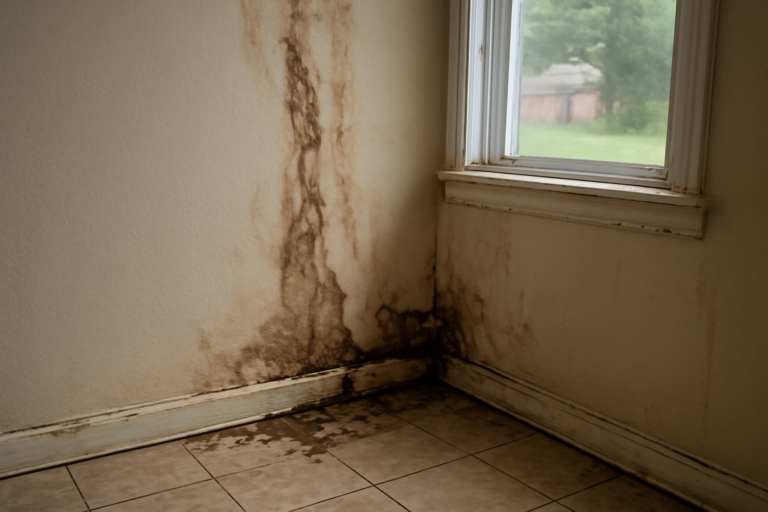
You walk into your kitchen, and there it is. A strange dampness underfoot, a slight give when you step, maybe even a faint, unpleasant smell. Your gorgeous tile floors, the ones you chose for their durability and style, are showing signs of trouble. This isn’t just a spill that needs a quick mop. It’s water damage, and if it’s affecting your tile, it’s likely seeping beneath the surface, threatening the subfloor and grout. You need to act fast to prevent serious issues. This is why you need immediate attention for tile floor water damage restoration.
We’ve helped over 165+ families in your neighborhood deal with unexpected water issues, and our local homeowners consistently turn to us for expert tile floor restoration. They know we understand the unique challenges that water presents to tile and grout, and that we have the specialized knowledge to fix it right the first time. You can trust our proven methods to get your home back to normal, often faster than you might expect. We’re dedicated to providing prompt, reliable service when you need it most.
- We use specialized drying equipment designed to extract moisture trapped beneath tiles and within grout lines, preventing long-term mold growth and structural damage.
- Our team focuses on preserving your existing tile whenever possible, saving you the significant cost and hassle of a full replacement.
- We meticulously inspect and test moisture levels to ensure your floors are completely dry, addressing the root cause of the problem, not just the symptoms.
The Science of Drying Your Tile Floors
When water invades your tile floors, it doesn’t just sit on the surface. It wicks into grout, seeps under the tiles, and can even reach the subfloor. Simply mopping won’t solve the problem; it often makes it worse by pushing water deeper. Our approach to tile floor water damage restoration is rooted in science and advanced technology. We understand that improper drying can lead to persistent musty odors, mold, and even structural rot. That’s why we employ a systematic, data-driven process to ensure thorough drying and restoration. We’re not just cleaning up water; we’re reversing the damage with precision.
Initial Water Extraction
The first step is always to remove as much standing water as possible. We use powerful truck-mounted or portable extraction units designed to pull water from surfaces and cavities. This process is crucial for minimizing damage and starting the drying process effectively. We aim to remove bulk water quickly to halt the spread of moisture.
Moisture Assessment and Mapping
Once the visible water is gone, we use advanced moisture meters to identify exactly where the water has penetrated. We’ll create a detailed map of the affected areas, noting moisture levels in the tile, grout, subfloor, and surrounding baseboards. This precise moisture measurement guides our entire drying strategy.
Controlled Drying Environment
We then set up a controlled drying environment using specialized equipment. High-velocity air movers create airflow across the wet surfaces, and dehumidifiers pull moisture from the air. This combination speeds up evaporation significantly, helping to dry your property safely and efficiently.
Containment and Air Filtration
If there’s a risk of mold or airborne contaminants, we’ll use containment barriers and advanced air scrubbers with HEPA filters. This protects unaffected areas of your home and ensures the air you breathe is clean during the drying process. We focus on maintaining healthy air quality throughout the restoration.
Monitoring and Verification
Throughout the drying process, our technicians will regularly monitor the moisture levels. We continue to adjust equipment placement and settings until all materials reach their pre-loss dryness standards. This rigorous monitoring ensures success and prevents future problems.
Don’t wait for the problem to worsen. If you suspect water damage to your tile floors, call us immediately for a professional assessment and swift action.

Warning Signs You Need Tile Floor Water Damage Restoration
Catching water damage early is key to minimizing repairs and costs. Ignoring subtle signs can lead to much bigger, more expensive problems down the line. Your tile floors might be telling you something is wrong, even if you don’t see a flood. It’s important to recognize these indicators so you can get professional help promptly.
Musty Odors That Won’t Go Away
A persistent damp, musty, or mildewy smell, especially in areas with tile flooring, is a major red flag. This odor often indicates hidden moisture and potential mold growth beneath the surface. You need to address the source of the smell.
Damp or Soft Spots Underfoot
If you notice areas of your tile floor that feel unusually damp, spongy, or soft when you walk on them, it’s a clear sign of water saturation. This could mean water has compromised the adhesive or subfloor. This is a critical indicator of damage.
Loose or Cracked Grout
Water can weaken the bond between grout and tile. If you see grout that is crumbling, cracking, or easily chipping away, especially after a water incident, it’s a sign that moisture has been present. You’re likely facing grout and tile issues.
Discolored or Stained Grout/Tile
Water can carry minerals and contaminants that leave behind unsightly stains or discoloration on your grout and even some types of tile. Darkening or staining can suggest water intrusion and saturation.
Cupping or Warping Tiles
While less common with certain types of tile, moisture can cause some materials, or more often the subfloor beneath them, to swell. This can lead to tiles appearing raised, warped, or uneven. This is a serious sign of subfloor damage.
Changes in Tile Surface Texture
Some tiles might develop a hazy appearance or a slight tackiness if moisture has been trapped for an extended period, especially if it interacts with certain sealants or finishes. You need to investigate surface changes.
Tile Floor Water Damage Restoration vs. DIY: When To Call a Professional
| Situation | DIY? | Call a Pro? | Why |
|---|---|---|---|
| Small spill on tile surface | Yes | No | A quick wipe-up is usually sufficient for surface spills. |
| Water seeping from a known, easily accessible pipe leak under a single tile | Maybe | Yes | If you’re not experienced, you risk damaging surrounding tiles or the subfloor. |
| Water damage evident around toilet base or bathtub surround | No | Yes | These areas involve plumbing and potential subfloor damage requiring specialized tools and knowledge. |
| Persistent musty odors with no visible water | No | Yes | This indicates hidden moisture, likely requiring advanced drying equipment and mold assessment. |
| Large areas of tile affected, with signs of subfloor saturation | No | Yes | This is beyond basic cleanup and requires professional drying and structural assessment. |
| Water damage after a major appliance leak (dishwasher, refrigerator) | No | Yes | These leaks can saturate underlayment and subfloors quickly, needing specialized equipment. |
For anything beyond a simple surface spill, professional help is often the smartest choice for tile floor water damage. Our team has the specialized equipment and training to address hidden moisture effectively, preventing costly secondary damage.
Tile Floor Water Damage Restoration Cost In McDonough, GA
The cost for tile floor water damage restoration in McDonough, GA, can vary significantly. Factors like the extent and severity of the water damage, the total square footage affected, the type of subfloor, and how quickly we can access the property all play a role. These figures are meant to give you a general idea of potential expenses for restoring your tile floors.
| Service | Typical Price Range | What Affects Cost |
|---|---|---|
| Water Extraction & Surface Drying | $500 – $2,000 | Amount of standing water, size of the affected area. |
| Subfloor Moisture Assessment & Drying | $750 – $3,000 | Depth of saturation, type of subfloor material, accessibility. |
| Grout Sealing & Repair (Post-Drying) | $300 – $1,000 | Square footage of grout, extent of damage, type of sealant. |
| Containment & Air Filtration | $400 – $1,500 | Size of the containment area, duration of filtration needed. |
| Deodorizing & Mold Prevention Treatment | $250 – $800 | Severity of odors, type of treatment required. |
| Full Tile and Grout Replacement Consultation | $100 – $300 (if not proceeding with restoration) | Complexity of assessment, detailed reporting. |
An on-site assessment is the only way to get an accurate quote. We offer free, no-obligation estimates to help you understand the exact cost for your specific situation.
Service Areas Near McDonough, GA
Lovejoy, Hampton, Stockbridge, Locust Grove, Griffin, Jackson, Fayetteville, Peachtree City, Tyrone, Brooks, Williamson, Experiment, Orchard Hill, Barnesville, Conley, Ellenwood, Rex, Jonesboro, Forest Park, Morrow.
Common Questions About Tile Floor Water Damage Restoration
How long does it take to dry out water-damaged tile floors?
The drying time for tile floors depends heavily on the extent of the water damage and the drying methods used. A small spill might be dried within 24-48 hours with basic air movers. However, if water has saturated the subfloor or grout, it can take 3-5 days or even longer with specialized equipment like dehumidifiers and heat systems. We continuously monitor moisture levels to ensure complete drying.
Will my insurance cover tile floor water damage restoration?
Generally, homeowners insurance policies cover water damage caused by sudden and accidental events, like a burst pipe or appliance malfunction. Damage from slow leaks or poor maintenance might not be covered. It’s always best to check your specific policy details and contact your insurance provider. We can assist with documentation for your claim.
Is it safe to walk on tile floors that have had water damage?
It’s generally not advisable to walk on tile floors that are still visibly wet or feel soft underfoot. The water can compromise the adhesive holding the tiles down, and excessive pressure could cause them to loosen or break. Walking on compromised areas could also further damage the subfloor. Until professionally assessed and dried, proceed with caution.
What equipment do you use for drying tile floors?
We use a variety of professional-grade equipment, including high-speed air movers to increase evaporation, industrial dehumidifiers to remove moisture from the air, and specialized moisture meters to accurately measure water content in materials like tile, grout, and subflooring. For deeper saturation, we might use injecti-dry systems to force air beneath tiles. This advanced equipment ensures effective drying.
Can tile floors be cleaned and restored after water damage, or do they need to be replaced?
Often, tile floors can be saved with professional restoration. Our goal is to extract moisture, dry everything thoroughly, and address any potential mold issues. If the grout or subfloor is severely damaged, or if the tiles themselves are cracked or warped, replacement might be necessary. We always aim for restoration over replacement when possible.
Check Our Other Relevant Services
- Same Day Water Damage Cleanup in McDonough, GA
- Pinhole Leak Water Damage Restoration in McDonough, GA

Jerry Johns is a licensed Damage Restoration Expert with over 20 years of hands-on experience helping homeowners and businesses navigate property crises. As a trusted authority in the field, Jerry combines technical precision with a compassionate approach to disaster recovery.
𝗖𝗲𝗿𝘁𝗶𝗳𝗶𝗰𝗮𝘁𝗶𝗼𝗻𝘀: Jerry holds multiple elite IICRC certifications, including Water Damage Restoration (WRT), Applied Microbial Remediation (Mold), Applied Structural Drying (ASD), Odor Control, and Fire and Smoke Restoration.
𝗙𝗮𝘃𝗼𝗿𝗶𝘁𝗲 𝗣𝗮𝘀𝘁𝗶𝗺𝗲: When he isn’t on a job site, Jerry is an avid outdoorsman who enjoys fly fishing and restoring vintage woodworking tools.
𝗕𝗲𝘀𝘁 𝗣𝗮𝗿𝘁 𝗼𝗳 𝘁𝗵𝗲 𝗝𝗼𝗯: Jerry finds the most fulfillment in seeing the relief on a client’s face when their property is finally restored to its pre-loss condition, turning a stressful disaster into a fresh start.