Trusted by 165+ Homeowners
Tile Floor Water Damage Restoration in North Decatur, GA
- Over 165 5-Star Reviews
- Free Estimates and Quotes
- 100% Satisfaction Guaranteed
- Child, Family & Pet Safe Steps
- 24-Hour Emergency Service
- Fully Licensed & Insured

When Your Tile Floors Show Signs of Trouble in North Decatur, GA
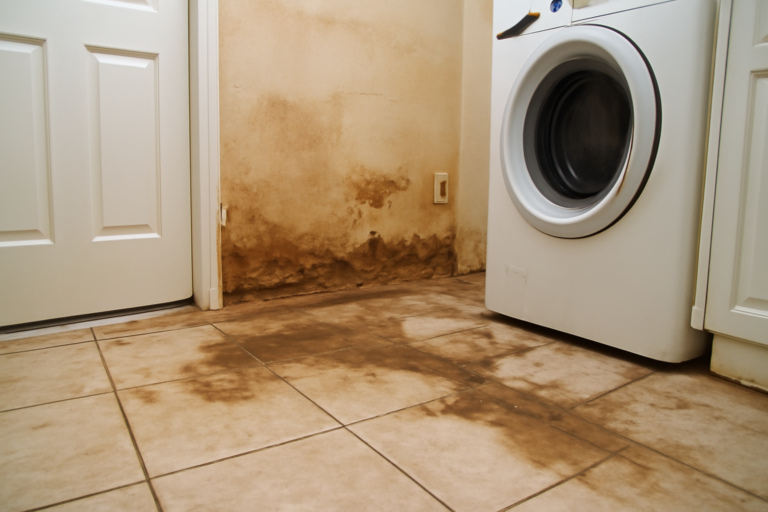
You walk into your kitchen or bathroom, and there it is. A subtle discoloration spreading across your beautiful tile. Maybe you hear a faint squishing sound underfoot, or a strange, damp smell hangs in the air. Don’t ignore these signals. Water trapped beneath your tile and grout can cause serious issues, from weakened subfloors to mold growth. It’s a specific kind of damage that needs a specific kind of attention, right here in your neighborhood.
We’ve helped countless homeowners in the area tackle tile floor water damage. You can see it in our more than 165 five-star reviews from people just like you who needed fast, effective restoration. They choose us because we understand the unique challenges tile presents and have the tools to address it properly, protecting your investment and your home’s health. We focus on getting it right the first time.
- We use specialized equipment to precisely locate and extract hidden moisture, preventing further damage and mold growth that can affect your family’s health.
- Our targeted drying methods are designed specifically for tile and grout systems, ensuring we dry the affected areas thoroughly without damaging surrounding materials.
- We focus on restoring the integrity of your tile installation and subfloor, preventing costly repairs down the road and preserving the beauty of your floors.
How Tile Floor Water Damage Restoration Actually Works
Dealing with water under tile isn’t like drying a carpet. It requires a deeper understanding of how moisture affects different materials and how to extract it effectively. When water gets trapped beneath tiles, it can seep into the grout, the subfloor, and even the walls if left unaddressed. Our team employs meticulous protocols and advanced technology to pinpoint the source of the water, contain the affected area, and initiate a precise drying process. Cutting corners here means you’ll likely face bigger problems, like structural damage and mold, later on.
Identifying the Water Source
First, we need to find out where the water is coming from. Is it a leaky pipe behind a wall, a faulty appliance, or maybe a plumbing issue under the slab? Our technicians use moisture meters and other tools to accurately detect the origin, ensuring we fix the root cause, not just the symptom. This step is crucial for preventing future incidents.
Containment and Protection
Once we know the source, we’ll set up containment to prevent the water from spreading to unaffected areas of your home. This might involve sealing off doorways or using specialized barriers. We also take steps to protect your belongings and other parts of your house from potential secondary damage. This careful approach minimizes disruption and protects your property.
Moisture Extraction
This is where the science really comes into play for tile floors. We use industrial-grade extractors designed to pull water from tile and grout lines. Depending on the situation, we might need to carefully remove some tiles to access the subfloor directly. Our goal is to remove as much standing water as possible, quickly and efficiently, to start the drying process.
Controlled Drying
Simply removing standing water isn’t enough. We need to dry the affected materials thoroughly. This involves using specialized drying equipment like air movers and dehumidifiers, placed strategically to accelerate evaporation. We continuously monitor moisture levels with advanced moisture detection equipment to ensure the area dries completely and safely. This controlled environment is key to preventing mold and structural issues.
Sanitization and Odor Control
Water damage, especially if it sits for a while, can lead to unpleasant odors and potential health risks. After drying, we’ll sanitize the affected areas to eliminate bacteria and mold spores. We use professional-grade antimicrobial treatments to ensure your home is not only dry but also healthy and fresh-smelling. This final step ensures a clean, safe environment.
Don’t let water under your tile become a bigger headache. Call us now to get a professional assessment and start the restoration process immediately. We’re ready to help you get your home back to normal.

Warning Signs You Need Tile Floor Water Damage Restoration
Catching tile floor water damage early is critical. The longer water sits beneath your tiles, the more damage it can cause to your subfloor, your grout, and even your home’s structure. Being aware of the signs can save you significant time and money. Pay close attention to what’s happening with your tile surfaces.
Discolored or Stained Grout Lines
Grout is porous and can easily absorb water. If you notice your grout lines darkening, appearing stained, or showing water marks that don’t dry up, it’s a strong indicator that moisture is trapped beneath. This trapped moisture is a problem that needs immediate attention.
Loose or Cracked Tiles
When water gets under tiles, it can weaken the adhesive holding them in place. You might start to notice tiles feeling loose when you step on them, or worse, you might see cracks appearing. This is a clear sign of subfloor saturation and compromised integrity.
Buckling or Warped Tile
In severe cases, the moisture can cause the subfloor itself to swell and warp. This can push up against the tiles, causing them to buckle or lift. This type of damage is serious and requires professional intervention to repair the subfloor and re-lay the tile.
Musty Odors That Won’t Go Away
A persistent damp or musty smell emanating from your tile floors, especially in bathrooms or kitchens, is a major red flag. This odor often indicates mold or mildew growth due to prolonged moisture exposure. Don’t ignore these smells; they are a sign of hidden problems.
Soft or Spongy Subfloor
If you press down on the floor near the tiles and it feels soft, spongy, or gives way slightly, the subfloor is likely saturated and compromised. This indicates significant water damage that needs to be addressed immediately by our team. This structural weakness is dangerous.
Water Seeping Up Through Grout Lines
In extreme situations, you might actually see water seeping up through the grout lines when you walk on the affected area. This is a clear indication of substantial water accumulation beneath the tiles. This requires immediate professional water extraction.
Tile Floor Water Damage Restoration vs. DIY: When To Call a Professional
| Situation | DIY? | Call a Pro? | Why |
|---|---|---|---|
| Minor spill on tile, dried immediately | Yes | No | Surface spills are usually easy to clean and won’t cause lasting damage. |
| Small, isolated area of discoloration on grout | Maybe | Yes | Hidden moisture can spread; a pro can confirm if it’s superficial or deeper. |
| Suspected leak from plumbing under the tile | No | Yes | Locating and repairing hidden plumbing requires specialized tools and expertise. |
| Loose tiles with no visible water damage | Maybe | Yes | The adhesive may have failed due to underlying moisture issues that need professional assessment. |
| Buckling or warped tiles, persistent musty odor | No | Yes | This indicates significant subfloor saturation and potential mold growth requiring advanced drying and repair. |
| Water pooling around appliances like dishwashers or refrigerators | No | Yes | These appliances are common sources of leaks; professional extraction and drying are needed to prevent extensive damage. |
For anything beyond a simple surface spill, it’s usually best to call in the professionals. DIY attempts can often miss hidden moisture or spread contamination, leading to more costly repairs later. Our team has the specialized equipment and training to handle these complex situations effectively.
Tile Floor Water Damage Restoration Cost In North Decatur, GA
The cost for tile floor water damage restoration in North Decatur, GA, can vary significantly. Factors include the size of the affected area, the extent of the water damage, the type of subfloor, and whether mold has begun to grow. These price ranges are general estimates and not a guarantee of final cost.
| Service Aspect | Typical Price Range | What Affects Cost |
|---|---|---|
| Moisture Assessment and Inspection | $200 – $500 | Complexity of the issue, need for specialized tools. |
| Water Extraction (Surface & Subfloor) | $500 – $2,500 | Volume of water, accessibility of the area, need to remove tiles. |
| Specialized Drying (Air Movers, Dehumidifiers) | $700 – $3,000 | Size of the affected area, duration of drying required. |
| Tile and Grout Sealing/Restoration | $300 – $1,000 | Square footage, type of sealant used. |
| Mold Remediation (if necessary) | $1,000 – $5,000+ | Severity and spread of mold contamination. |
| Subfloor Repair/Replacement | $500 – $3,000+ | Extent of damage to the subfloor material. |
An on-site assessment is necessary for an accurate quote. We provide free estimates so you know exactly what to expect before any work begins. Let us assess your specific situation.
Service Areas Near North Decatur, GA
Atlanta, Decatur, Brookhaven, Chamblee, Doraville, Dunwoody, Avondale Estates, Tucker, Sandy Springs, Johns Creek, Roswell, Marietta, Smyrna, Kennesaw, Stockbridge, Jonesboro, Fayetteville, Peachtree City, Newnan, Conyers.
Common Questions About Tile Floor Water Damage Restoration
How long does it take to dry tile floors after water damage?
Drying time varies greatly depending on the amount of water and the environment. For minor leaks, it might take 24-48 hours with our specialized equipment. Extensive saturation can take several days. We use advanced monitoring to ensure complete drying before concluding the restoration.
Will my insurance cover tile floor water damage restoration?
Typically, yes, if the damage is sudden and accidental, like a burst pipe. Damage from slow leaks or poor maintenance might be excluded. It’s always best to check your policy and call us to document the damage properly for your claim.
Is mold a risk with tile floor water damage?
Absolutely. Mold spores are present everywhere, and moisture under tiles creates a perfect breeding ground. If you notice musty odors or visible mold, it’s crucial to act fast. We are trained in mold detection and safe removal to protect your home’s air quality.
What equipment do you use to dry tile floors?
We use a combination of powerful water extractors to remove standing water, followed by industrial-grade air movers and dehumidifiers. These machines create optimal airflow and humidity control to accelerate evaporation from the tile, grout, and subfloor. Our advanced equipment ensures thorough drying.
How can I prevent water damage to my tile floors in the future?
Regularly inspect plumbing, appliance hoses, and grout for any signs of wear or leaks. Ensure proper sealing of grout and consider water alarms near washing machines or dishwashers. Addressing small issues promptly can prevent major water damage events.
Check Our Other Relevant Services
- Hydrostatic Pressure Water Damage Restoration in North Decatur, GA
- Biohazard Cleanup Services in North Decatur, GA

Jerry Johns is a licensed Damage Restoration Expert with over 20 years of hands-on experience helping homeowners and businesses navigate property crises. As a trusted authority in the field, Jerry combines technical precision with a compassionate approach to disaster recovery.
𝗖𝗲𝗿𝘁𝗶𝗳𝗶𝗰𝗮𝘁𝗶𝗼𝗻𝘀: Jerry holds multiple elite IICRC certifications, including Water Damage Restoration (WRT), Applied Microbial Remediation (Mold), Applied Structural Drying (ASD), Odor Control, and Fire and Smoke Restoration.
𝗙𝗮𝘃𝗼𝗿𝗶𝘁𝗲 𝗣𝗮𝘀𝘁𝗶𝗺𝗲: When he isn’t on a job site, Jerry is an avid outdoorsman who enjoys fly fishing and restoring vintage woodworking tools.
𝗕𝗲𝘀𝘁 𝗣𝗮𝗿𝘁 𝗼𝗳 𝘁𝗵𝗲 𝗝𝗼𝗯: Jerry finds the most fulfillment in seeing the relief on a client’s face when their property is finally restored to its pre-loss condition, turning a stressful disaster into a fresh start.