
Trusted by 165+ Homeowners
Toilet Overflow Cleanup in Dallas, GA
- Over 165 5-Star Reviews
- Free Estimates and Quotes
- 100% Satisfaction Guaranteed
- Child, Family & Pet Safe Steps
- 24-Hour Emergency Service
- Fully Licensed & Insured

When Your Toilet Decides to Make a Splash in Dallas, GA
You walk into the bathroom and the smell hits you first. Then you see it: water everywhere, pooling around the base of the toilet, creeping towards the door. It’s not just a little spill; it’s a full-blown overflow, and your stomach sinks. You’re standing in a mess that needs more than just a mop and bucket. Dealing with toilet overflow cleanup feels overwhelming, but you’ve found the right place. This isn’t just about cleaning up water; it’s about preventing further damage and restoring your home’s safety.
We know how stressful a toilet overflow can be for homeowners around here. That’s why we’ve dedicated ourselves to mastering this specific type of cleanup. With over 165 five-star reviews from your neighbors, you can trust our team to handle your emergency with speed and precision. We focus on getting your home dry and healthy, fast. It’s about restoring your comfort quickly.
- We use advanced moisture meters to pinpoint hidden water, ensuring every damp spot is found and dried, preventing mold growth before it starts.
- Our specialized equipment, like industrial-grade air movers and dehumidifiers, works harder and faster than anything you can rent, getting your home back to normal sooner.
- We’re IICRC certified, meaning we follow strict industry standards for water damage restoration, guaranteeing a thorough and safe cleanup.
The Technical Approach to Toilet Overflow Cleanup
A toilet overflow is more than just a mess; it’s a water intrusion event that requires a specific, technical approach. Simply mopping up the visible water isn’t enough. If the moisture isn’t removed from subfloors, walls, or even inside cabinets, it can lead to serious structural issues and unhealthy mold growth. Our crews understand the science of drying and use precise methods to ensure your home is truly restored, not just superficially cleaned. We’re committed to a thorough drying process.
Inspection and Assessment
The first step is a detailed inspection. We use advanced tools like infrared cameras and moisture meters to detect all affected areas, even those hidden from view. This helps us understand the full extent of the water damage and plan the most effective cleanup strategy for your property. We’re looking for hidden moisture pockets.
Water Extraction
Once we’ve identified all the wet areas, our team gets to work extracting the standing water. We use powerful, truck-mounted or portable extraction units that remove water far more effectively than household vacuums. This step is critical for minimizing long-term damage.
Drying and Dehumidification
After extraction, the real drying begins. We strategically place industrial air movers and dehumidifiers to accelerate the evaporation process. These machines create airflow and pull moisture from the air, drying out structural materials like drywall and wood. This controlled drying prevents warping and further degradation, ensuring a stable home environment.
Sanitization and Odor Control
Toilet overflow water can contain contaminants. We use EPA-registered antimicrobial treatments to sanitize affected surfaces, eliminating bacteria and preventing mold. We also employ specialized equipment to neutralize odors, leaving your home smelling fresh and clean. This is about your family’s health.
Structural Drying and Monitoring
Throughout the drying process, we continuously monitor moisture levels with our specialized equipment. This ensures that materials are drying at the correct rate and that we reach the required dryness standards. We’re committed to a complete drying protocol.
Don’t let a toilet overflow turn into a long-term problem. Call us now for immediate assistance. We’re ready to deploy our expert crews and start the restoration process today.
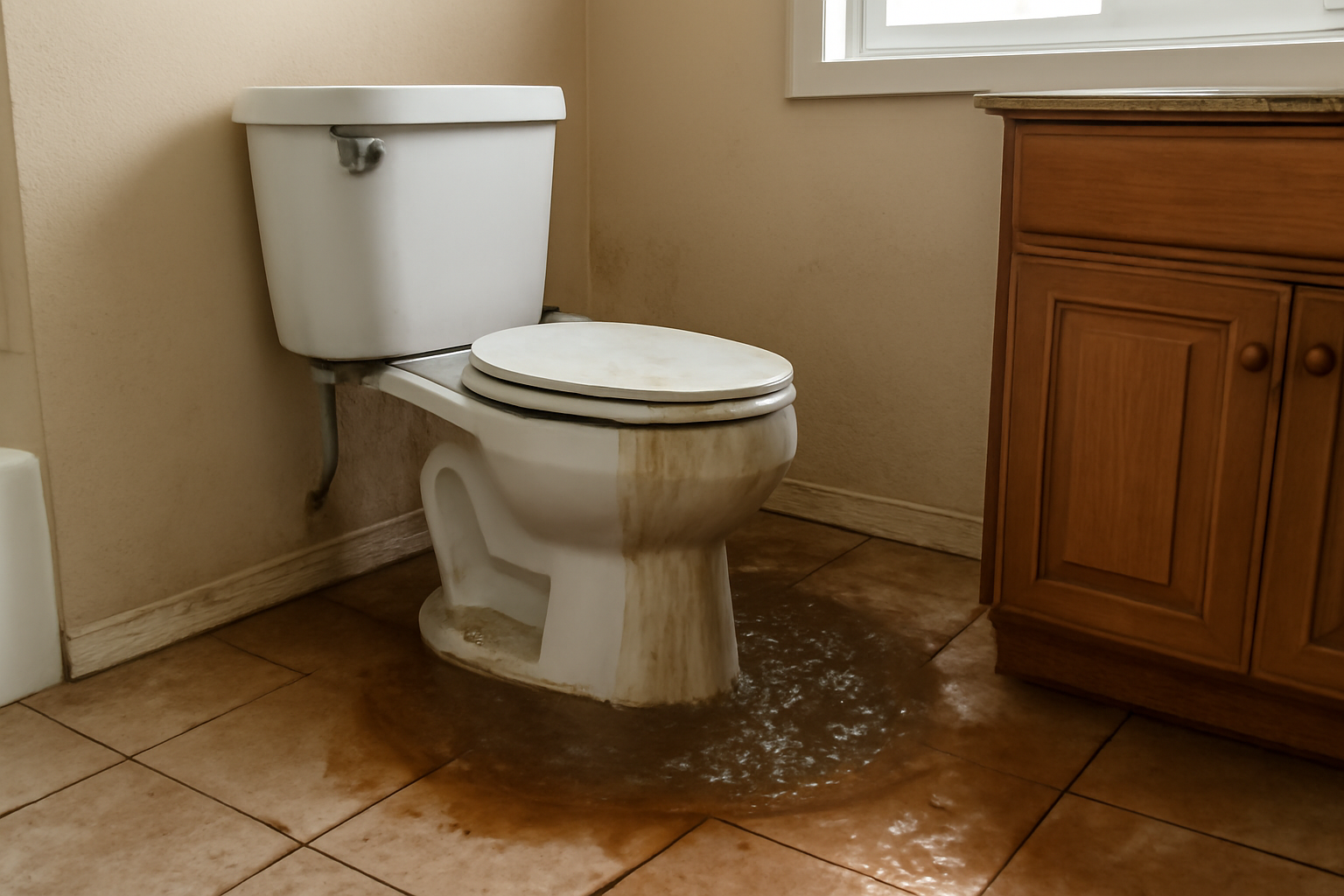
Warning Signs You Need Toilet Overflow Cleanup
It’s easy to think a little water around the toilet isn’t a big deal, but ignoring the signs can lead to much bigger, more expensive issues down the road. Catching these indicators early means you can get professional help before mold takes hold or your floorboards start to buckle. Keeping an eye out for these signs can save you a lot of headaches. We want to help you protect your investment.
Musty Odors That Won’t Go Away
If your bathroom consistently smells damp or musty, even after cleaning, it’s a strong indicator that moisture is trapped somewhere it shouldn’t be. This often signals hidden water damage that needs professional attention.
Soft or Spongy Flooring
When you step on your floor and it feels soft, bouncy, or spongy, especially near the toilet, it means the subfloor is likely saturated and beginning to break down. This is a clear sign of significant water saturation.
Visible Mold or Mildew
Any sign of mold or mildew growth, often appearing as black, green, or white spots, is a serious red flag. Mold thrives in damp environments and can spread quickly, posing health risks if not addressed promptly.
Discolored or Warped Walls or Baseboards
Water that has wicked up into your walls or baseboards can cause paint to bubble, wallpaper to peel, or the materials themselves to warp and distort. This indicates that water has been sitting for a while, compromising structural integrity.
Increased Humidity in the Bathroom
If your bathroom feels unusually humid, steamy, or clammy, even when the shower isn’t running, it could mean there’s an ongoing source of moisture. This trapped humidity can lead to condensation and further water damage.
Strange Sounds from Within Walls
Sometimes, water trapped behind walls can create gurgling or dripping sounds. If you hear unusual noises, it’s worth investigating as it might point to a slow leak or overflow.
Toilet Overflow Cleanup vs. DIY: When To Call a Professional
| Situation | DIY? | Call a Pro? | Why |
|---|---|---|---|
| Small, contained spill on tile floor | Yes | No | Easy to clean and dry with towels and fans. |
| Water seeping under baseboards | No | Yes | Difficult to access and dry effectively without professional equipment. |
| Toilet overflowed multiple times | No | Yes | Indicates a recurring problem requiring expert diagnosis and thorough drying. |
| Water on carpet or wood floors | No | Yes | Carpets and wood absorb water quickly, leading to mold and structural damage if not dried properly. |
| Musty odors present | No | Yes | Indicates potential mold growth or hidden water, requiring specialized detection and treatment. |
| Visible mold growth | Absolutely Not | Yes | Requires specialized containment and remediation to prevent spreading and health hazards. |
While a minor spill on a tile floor might be manageable with DIY efforts, anything involving carpets, wood, subfloors, or signs of mold absolutely requires professional intervention. It’s about preventing secondary damage and ensuring a healthy environment.
Toilet Overflow Cleanup Cost In Dallas, GA
The cost of toilet overflow cleanup in Dallas, GA, can vary widely depending on how severe the overflow was, how much water spread, and the types of materials affected. These price ranges are estimates and can change based on the complexity of the job. We aim for transparent pricing.
| Service | Typical Price Range | What Affects Cost |
|---|---|---|
| Initial Water Extraction | $500 – $1,500 | Volume of water and accessibility of the area. |
| Drying and Dehumidification Setup | $750 – $2,000 | Number and size of spaces to be dried, and duration required. |
| Sanitization and Odor Treatment | $300 – $800 | Severity of contamination and type of odor treatment needed. |
| Moisture Monitoring and Testing | $200 – $500 | Frequency and complexity of testing required to confirm dryness. |
| Minor Material Removal (e.g., baseboards) | $400 – $1,200 | Amount of material needing removal and replacement. |
| Full Floor Drying System | $1,500 – $3,500+ | Extent of subfloor saturation and type of flooring affected. |
Exact pricing is determined after an on-site assessment by our technicians. We offer free estimates to provide you with a clear understanding of the costs involved. We want to provide accurate cost estimates.
Service Areas Near Dallas, GA
We proudly serve Dallas, GA, and the surrounding communities, including Hiram, Powder Springs, Acworth, Kennesaw, Marietta, Smyrna, Austell, Douglasville, Lithia Springs, Temple, Carrollton, Villa Rica, Bremen, Cedartown, Rockmart, Taylorsville, White, Cartersville, Adairsville, and Calhoun.
Common Questions About Toilet Overflow Cleanup
How quickly should I address a toilet overflow?
You should address a toilet overflow immediately. The longer water sits, the more it can penetrate materials like drywall, subflooring, and insulation, leading to mold growth and structural damage. Our team is available 24/7 to begin the cleanup and drying process as soon as you notice the problem, helping to minimize potential harm.
Will my homeowner’s insurance cover toilet overflow cleanup?
In most cases, homeowner’s insurance does cover accidental toilet overflow damage, especially if it was sudden and unintentional. However, coverage can vary, and policies often differentiate between accidental overflows and issues caused by lack of maintenance. We can help you document the damage for your insurance claim and work with your adjuster to ensure the restoration process is covered.
What is the typical timeline for toilet overflow cleanup?
The timeline for toilet overflow cleanup can range from a few days to over a week, depending on the severity of the water damage. The initial water extraction and setup of drying equipment usually takes 1-2 days. The crucial drying phase, where we use specialized equipment to remove all hidden moisture, typically lasts 3-5 days, but can be longer for extensive saturation. We aim for efficient drying times.
Are there health risks associated with toilet overflow water?
Yes, toilet overflow water is considered black water, meaning it can contain bacteria, viruses, and other contaminants. Exposure can pose significant health risks. Our technicians are trained to handle these situations safely, using appropriate personal protective equipment and EPA-registered sanitizers to ensure the affected areas are thoroughly cleaned and disinfected for your safety.
What equipment do you use for drying?
We use professional-grade equipment designed for rapid and effective drying. This includes high-speed air movers to circulate air and accelerate evaporation, industrial dehumidifiers to remove moisture from the air, and specialized drying systems for subfloors and walls. We also use moisture meters and thermal imaging cameras to accurately assess dryness and ensure no moisture remains.
Check Our Other Relevant Services
Serving Dallas, GA And Nearby Areas


