Trusted by 165+ Homeowners
Tree Root Pipe Damage Restoration in Decatur, GA
- Over 165 5-Star Reviews
- Free Estimates and Quotes
- 100% Satisfaction Guaranteed
- Child, Family & Pet Safe Steps
- 24-Hour Emergency Service
- Fully Licensed & Insured

When Greenery Gets Greedy: Tree Root Pipe Damage Restoration in Decatur, GA
You hear it. A slow gurgle from your drains, or worse, a damp smell creeping up from your basement. You look down, and there it is: evidence of a plumbing nightmare. Roots have invaded your pipes, breaking them apart and causing immediate chaos. This isn’t just a simple clog; it’s a genuine plumbing emergency that requires fast, expert attention right here in Decatur, GA. Ignoring it means more damage, more expense, and more headaches. You need a team that understands the science of pipe repair and water mitigation.
Homeowners around here trust our team for a reason. We’ve tackled countless situations just like yours, earning over 165 five-star reviews from satisfied neighbors. When your home’s plumbing is compromised by invasive tree roots, you want a local crew with proven results. We’re known for our swift response times and meticulous approach to restoring your property. We don’t just fix the immediate problem; we ensure your plumbing system is sound and protected for the long haul.
- Fastest possible containment of spreading water damage to prevent further structural issues and mold growth.
- Specialized equipment to precisely locate and remove invasive root systems without unnecessary excavation.
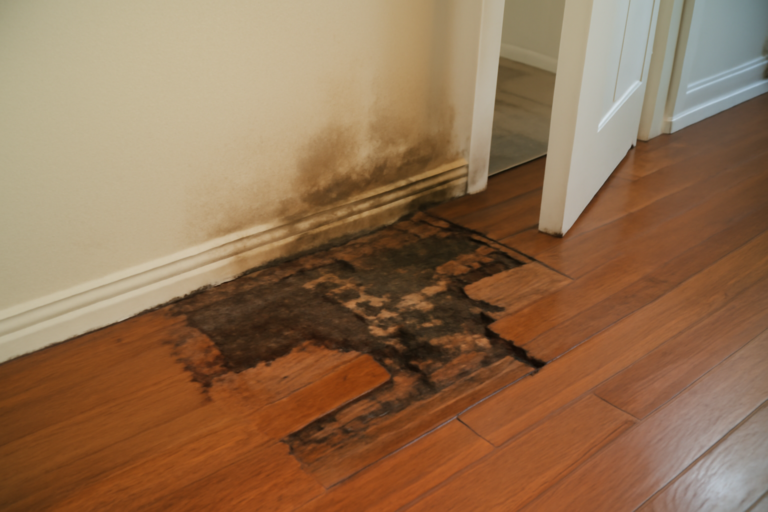
- Advanced drying and dehumidification techniques to ensure your home is completely dry, down to the subfloor, preventing long-term moisture-related problems.
The Technical Approach to Tree Root Pipe Damage Restoration
This isn’t a job for guesswork. Effective Tree Root Pipe Damage Restoration requires a precise, methodical process. When roots breach your pipes, they create openings for water to escape and soil to enter, turning a minor issue into a major restoration project. A rushed or improper cleanup can leave behind hidden moisture, leading to mold and structural decay. Our crews follow strict protocols, using specialized tools and scientific principles to restore your home safely and efficiently. We focus on thorough moisture detection and targeted drying to get it right the first time.
1. Initial Assessment and Containment
Our first step is always a detailed inspection using advanced cameras to see exactly where and how the roots have damaged your pipes. We’ll then set up containment barriers to prevent any contaminated water or debris from spreading further into your home. This phase is critical for minimizing secondary damage and ensuring a safe working environment. It usually takes a few hours.
2. Root Removal and Pipe Repair
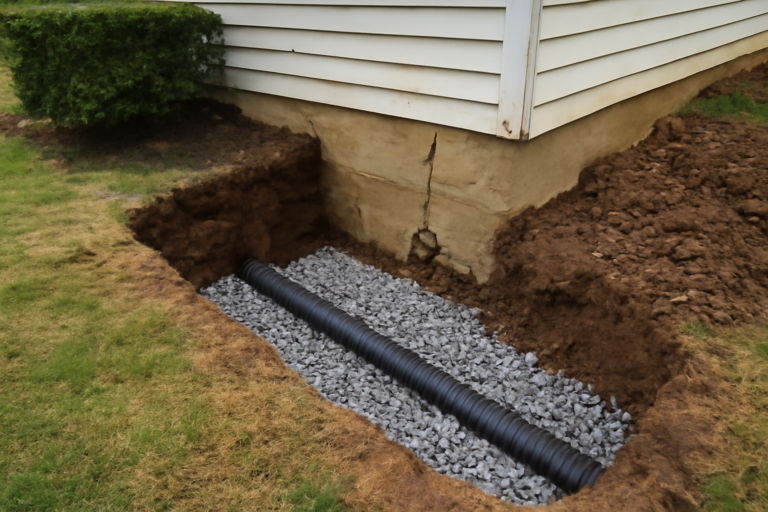
Once we understand the extent of the damage, we employ specialized equipment, like hydro-jetting or mechanical root cutters, to clear the pipes of all invasive roots. For significant damage, we may need to repair or replace sections of the pipe. Our goal is to restore full pipe functionality quickly and effectively. This can range from a few hours to a full day depending on the severity.
3. Water Extraction
If water has already leaked into your home, we use powerful extraction equipment to remove as much standing water as possible. This is a crucial step to prevent further saturation of your floors, walls, and subflooring. We aim to remove bulk water within the first 24 hours.
4. Structural Drying and Dehumidification
This is where the science really comes into play. We use industrial-grade air movers and dehumidifiers to systematically dry out all affected materials. We monitor moisture levels closely with specialized meters to ensure we reach pre-loss dryness standards. This process can take several days to a week or more, depending on the extent of saturation.
5. Odor Control and Sanitization
Roots and standing water can leave behind unpleasant odors and potential health hazards. We use professional-grade cleaning agents and deodorizers to neutralize any lingering smells and sanitize affected areas, ensuring your home is not only dry but also healthy. This step ensures a truly clean and safe environment.
Don’t wait for the problem to get worse. Call us now to schedule your inspection and start the restoration process today. Immediate action saves your home.

Warning Signs You Need Tree Root Pipe Damage Restoration
Catching the signs of root intrusion early can save you a massive amount of money and stress. Tree roots are persistent, and they seek out the moisture and nutrients found in your sewer lines. Recognizing these subtle (and not-so-subtle) indicators means you can address the problem before it becomes a catastrophic failure. Your plumbing system is working hard, and sometimes the neighborhood trees can cause unexpected trouble.
Musty or Sewage Odors That Won’t Go Away
A persistent smell of sewage or damp earth, especially near drains or in your basement, is a major red flag. It often indicates that your sewer line is compromised, allowing gases to escape or wastewater to seep into your foundation. This is a serious indicator of pipe damage.
Slow Draining or Frequent Clogs
If multiple drains in your home are draining slowly, or you’re experiencing unusually frequent clogs in toilets or sinks, it’s a sign of an obstruction. Tree roots are a common cause of such blockages, gradually growing into and narrowing the pipe. This isn’t just a minor inconvenience; it’s a warning of a bigger problem.
Gurgling Sounds From Drains
Unusual gurgling or bubbling noises coming from your drains, especially when water is running elsewhere in the house, often signal trapped air. This air is being pushed back because something is blocking the pipe, and roots are a prime suspect. Listen for these disturbing plumbing sounds.
Water Pooling Around Sewer Lines or Foundation
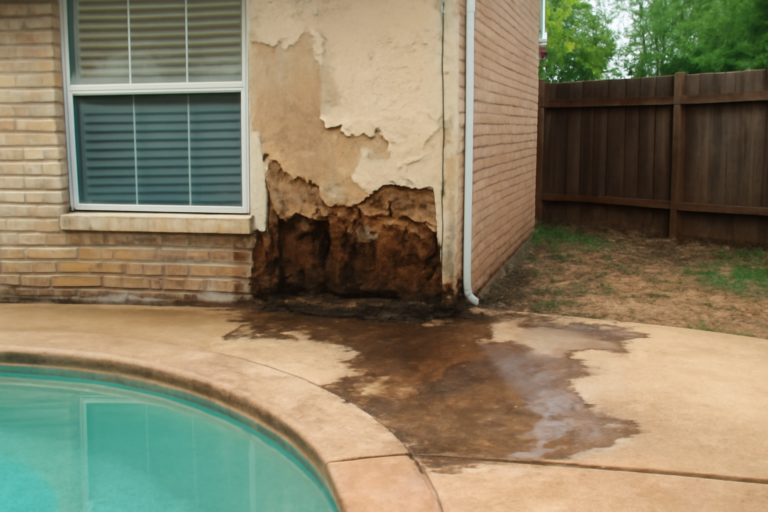
If you notice unexplained wet spots or pooling water in your yard, particularly around the area where your sewer line exits the house, it could be a leak. Similarly, dampness or water stains on basement walls or floors might indicate a leak from your underground pipes. This is direct evidence of leaking wastewater.
Sudden Lawn Issues
While less direct, sunken areas in your lawn or unusually lush, green patches above your sewer line can sometimes indicate a break and leakage. Tree roots thrive on this escaping water and nutrients, often becoming more aggressive in these spots. Keep an eye on your yard’s unusual behavior.
Sewage Backup
The most obvious and unpleasant sign is a sewage backup into your sinks, toilets, or showers. This happens when the main sewer line is completely blocked by roots, forcing waste to find the path of least resistance – back into your home. A sewage backup is an urgent restoration emergency.
Tree Root Pipe Damage Restoration vs. DIY: When To Call a Professional
| Situation | DIY? | Call a Pro? | Why |
|---|---|---|---|
| Identifying the exact location and severity of root intrusion. | No | Yes | Without specialized cameras, you can’t pinpoint the problem accurately. |
| Clearing minor, superficial root blockages with a simple drain snake. | Maybe | Yes | A drain snake can push roots, but it rarely removes them permanently and can damage pipes. |
| Repairing broken or collapsed sewer lines. | Absolutely Not | Yes | This requires heavy equipment, excavation, and plumbing expertise. |
| Extracting large volumes of standing water from your home. | No | Yes | Standard wet vacs aren’t powerful enough for significant water removal. |
| Drying out saturated structural materials like subflooring and insulation. | No | Yes | Professional-grade dehumidifiers and air movers are essential for thorough drying. |
| Sanitizing and deodorizing areas affected by sewage. | No | Yes | Specialized cleaning agents and protocols are needed for health and safety. |
While some minor plumbing issues can be handled with DIY methods, Tree Root Pipe Damage Restoration is almost always a job for trained professionals. The complexity of the damage, the specialized equipment needed, and the potential for creating more problems mean calling experts is the smartest choice. We have the tools and knowledge to get it done right.
Tree Root Pipe Damage Restoration Cost In Decatur, GA
The cost for Tree Root Pipe Damage Restoration in Decatur, GA can vary widely. Factors like the extent of the root intrusion, the size of the affected pipe, whether excavation is needed, and the amount of water damage all play a role. These prices are estimates for the Decatur, GA area.
| Service | Typical Price Range | What Affects Cost |
|---|---|---|
| Camera Inspection to Locate Roots | $300 – $750 | Complexity of the pipe system and accessibility. |
| Hydro-Jetting or Mechanical Root Removal | $750 – $2,500 | Diameter of the pipe and density of the root growth. |
| Spot Pipe Repair (Trenchless or Excavation) | $1,500 – $5,000+ | Length of pipe needing repair and type of repair method used. |
| Water Extraction | $500 – $2,000 | Volume of water and size of the affected area. |
| Structural Drying and Dehumidification | $1,000 – $4,000+ | Square footage of wet materials and duration of drying needed. |
| Sanitization and Odor Removal | $300 – $1,500 | Severity of contamination and size of the treated space. |
It’s important to get a professional on-site assessment for an accurate quote. We offer free, no-obligation estimates so you know exactly what to expect before we begin. Let us assess your situation today.
Service Areas Near Decatur, GA
Atlanta, Avondale Estates, Brookhaven, Chamblee, Clarkston, College Park, Conyers, Doraville, Dunwoody, East Point, Ellenwood, Forest Park, Hapeville, Jonesboro, Lake City, Lithonia, Lovejoy, Marietta, Morrow, North Atlanta, Norcross, Peachtree City, Riverdale, Roswell, Sandy Springs, Snellville, Stockbridge, Stone Mountain, Tucker, Union City, Vinings, Waldo.
Common Questions About Tree Root Pipe Damage Restoration
How quickly do tree roots grow into pipes?
Tree roots are surprisingly aggressive and can begin to infiltrate pipes relatively quickly, sometimes within a few years of a tree being planted near a sewer line. They are attracted to the nutrients and moisture escaping through even the smallest cracks. Addressing these issues promptly is key to preventing significant pipe damage.
Will my homeowner’s insurance cover tree root pipe damage?
Coverage varies greatly depending on your specific policy and the cause of the damage. Some policies may cover the cost of repairing the pipe and subsequent water damage, while others exclude root intrusion. It’s best to contact your insurance provider directly to understand your coverage. We can help document the damage for your claim.
How long does tree root pipe restoration typically take?
The timeline depends heavily on the severity of the root intrusion and the extent of water damage. Simple root removal might take a day, but extensive pipe repair and drying out a saturated home can take anywhere from several days to a couple of weeks. We work efficiently to restore your home as quickly as possible.
Are there health risks associated with tree root pipe damage?
Yes, absolutely. When sewer lines are breached, contaminated wastewater can seep into your home and yard, posing significant health risks. This contaminated water can contain bacteria and pathogens that lead to illness. Our team ensures proper sanitization to eliminate health hazards.
What is the best way to prevent tree roots from damaging my pipes?
Regular inspections with a camera can help identify early signs of root intrusion. Planting trees further away from sewer lines is also advisable. For existing trees, consider periodic root treatments or maintaining healthy pipes to make them less attractive targets. We can provide advice on long-term pipe health.
Check Our Other Relevant Services
Serving Decatur, GA And Nearby Areas