Trusted by 165+ Homeowners
Tropical Storm Damage Cleanup in Hampton, GA
- Over 165 5-Star Reviews
- Free Estimates and Quotes
- 100% Satisfaction Guaranteed
- Child, Family & Pet Safe Steps
- 24-Hour Emergency Service
- Fully Licensed & Insured

When Tropical Storms Hit Hampton, GA: Immediate Steps for Damage Cleanup
One of the first things you’ll want to do after a tropical storm passes through Hampton, GA, is to check your property for damage, but be extremely cautious. Standing water can hide electrical hazards, and compromised structures might not be safe to enter. Don’t try to tackle significant water removal or structural assessment yourself if you’re unsure; it’s often more dangerous than it appears. Understanding the immediate risks is the first step to effective Tropical Storm Damage Cleanup.
Locally, homeowners have trusted our team for over 165 five-star reviews to handle these emergencies. We understand the stress and disruption that storm damage brings to your neighborhood. That’s why we focus on providing a clear, efficient process that gets your home back to normal as quickly as possible. You’re not just getting a service; you’re getting a neighbor who genuinely cares about restoring your property.
- We prioritize immediate water extraction, using powerful equipment to remove standing water within hours of your call, which is crucial to preventing secondary damage like mold growth.
- Our trained technicians are skilled in identifying and mitigating the unique risks associated with tropical storm water, which often contains contaminants and can lead to long-term structural issues if not handled properly.
- We provide detailed documentation of the damage, which is vital for your insurance claims process, helping you get the reimbursement you deserve without unnecessary delays.
How Our Tropical Storm Damage Cleanup Process Works
When tropical storm waters invade your home, the clock starts ticking. The longer water sits, the more it saturates materials, leading to structural compromise and costly repairs. Our process is built around speed and precision, ensuring every step is taken to mitigate damage effectively. We’ve seen what happens when cleanup is delayed, and it’s never good for your property or your wallet. That’s why we deploy our crews rapidly to begin the critical first response.
Emergency Water Extraction
This is where the real work begins. Our technicians arrive with industrial-grade water pumps and extractors to remove all standing water from your home. We aim to complete this phase within the first 24 hours to minimize saturation and prevent further damage. You’ll see our powerful equipment at work, making a noticeable difference quickly.
Structural Drying and Dehumidification
Once the bulk of the water is gone, we set up specialized drying equipment, including high-velocity air movers and industrial dehumidifiers. These machines work tirelessly to pull moisture out of the air and building materials, creating an environment that prevents mold and rot. This process can take several days, depending on the extent of the saturation, and we monitor humidity levels closely.
Damage Assessment and Containment
While drying, we meticulously assess all affected areas. This includes identifying materials that can be salvaged and those that need to be removed. We use careful techniques to contain any potential hazards or contamination that may have been introduced by storm water. This detailed evaluation is key to planning the next steps.
Content Cleaning and Restoration
Your belongings are important, and we know you want them saved if possible. We carefully remove salvageable items from the affected areas. Depending on the type of damage, we can clean and restore many items on-site or transport them to our specialized facility for more intensive cleaning and odor removal.
Odor Removal and Antimicrobial Treatment
Storm water can leave behind unpleasant odors and introduce microbial growth. Once the drying process is complete, we use advanced techniques and EPA-approved products to neutralize odors and apply antimicrobial treatments. This ensures your home not only looks dry but also smells fresh and is safe for your family.
Don’t let storm damage linger. The sooner you call, the more we can potentially save your home and your belongings. Reach out to us immediately to start the recovery process.

Warning Signs You Need Tropical Storm Damage Cleanup
After a tropical storm, it’s easy to overlook subtle signs of damage that can become major problems later. Ignoring these early indicators can lead to more extensive and expensive repairs down the line. Being aware of what to look for is essential for protecting your property. Acting fast when you see these signs can save you a lot of trouble.
Musty Odors That Won’t Go Away
If you notice a persistent damp or musty smell, especially in basements, crawl spaces, or lower levels of your home, it’s a strong indicator of hidden moisture. This smell is often the first sign of developing mold or mildew, which thrives in damp conditions.
Visible Mold or Mildew Growth
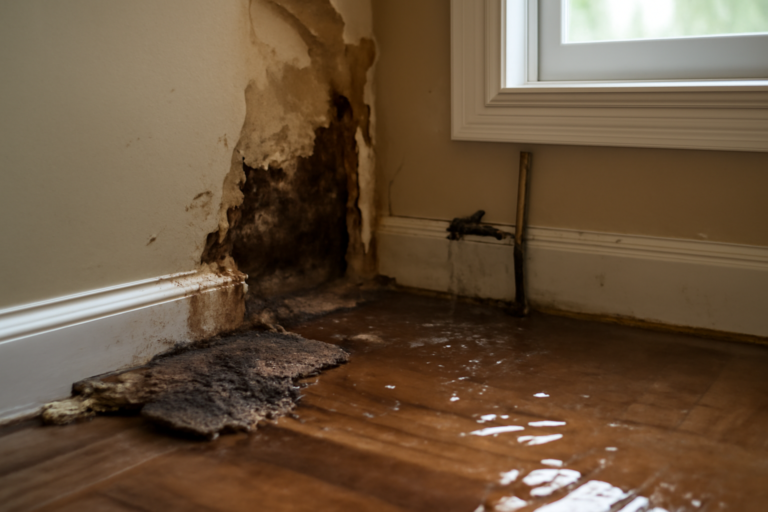
Any sign of fuzzy or discolored patches on walls, ceilings, or other surfaces is a clear warning. This growth can spread rapidly and pose serious health risks, especially for those with allergies or respiratory issues.
Warped or Stained Walls and Ceilings
Look for sagging drywall, peeling paint, or noticeable water stains on your walls and ceilings. These are visual cues that water has penetrated building materials and could be causing structural weakening.
Buckling or Damaged Flooring
If your carpets feel unusually damp, or if hardwood floors are starting to buckle or lift, it means water has saturated the subfloor. This type of damage requires immediate attention to prevent further deterioration and costly replacement.
Persistent High Humidity Indoors
Even after the rain stops, if your home feels uncomfortably humid, it’s a sign that moisture is trapped within the structure. Our specialized equipment can help reduce indoor humidity effectively.
Electrical System Concerns
If you experienced flooding near electrical outlets or panels, or if you hear buzzing sounds, do not attempt to test outlets or switches. Water and electricity are a dangerous combination, and you need professionals to assess electrical safety immediately.
Tropical Storm Damage Cleanup vs. DIY: When To Call a Professional
| Situation | DIY? | Call a Pro? | Why |
|---|---|---|---|
| Minor surface water in a non-occupied area (e.g., patio) | Yes | No | Easy to mop up and dry; low risk of secondary damage. |
| Standing water deeper than a few inches in living spaces | No | Yes | Requires specialized pumps and drying equipment to prevent structural damage and mold. |
| Visible mold growth on walls or ceilings | No | Yes | Mold can be a health hazard and requires professional remediation techniques. |
| Wet carpets and padding throughout multiple rooms | No | Yes | Needs professional extraction and drying to save flooring and prevent subfloor damage. |
| Dampness leading to warped wood or stained drywall | No | Yes | Indicates water has penetrated structural materials, requiring expert assessment and drying. |
| Odors that persist after initial drying efforts | No | Yes | Professional deodorization and antimicrobial treatments are often necessary. |
For anything beyond minimal surface water, calling a professional is usually the wisest choice. Our trained technicians have the specialized equipment and knowledge to handle the complexities of tropical storm water damage, ensuring a thorough and safe cleanup that protects your home’s integrity.
Tropical Storm Damage Cleanup Cost In Hampton, GA
The cost of Tropical Storm Damage Cleanup in Hampton, GA, can vary significantly. Factors like the amount of water, the size of the affected area, the type of materials damaged, and the speed of response all play a role. These figures are estimates to give you an idea of what to expect; a precise quote requires an on-site assessment.
| Service | Typical Price Range | What Affects Cost |
|---|---|---|
| Emergency Water Extraction | $500 – $3,500 | Volume of water, square footage of affected areas, accessibility. |
| Structural Drying and Dehumidification | $1,000 – $7,000 | Duration of drying needed, number of air movers and dehumidifiers required, size of the property. |
| Mold Remediation (if needed) | $1,000 – $6,000+ | Severity of mold growth, containment needs, square footage of remediation. |
| Odor Removal Services | $300 – $1,500 | Type of odor, size of the area, method of treatment (e.g., ozone, thermal fogging). |
| Content Cleaning and Restoration | $500 – $5,000+ | Number of items affected, type of items (e.g., furniture, electronics), complexity of cleaning. |
| Demolition and Debris Removal | $750 – $4,000 | Amount of damaged material to remove, disposal fees, labor intensity. |
These are general ranges, and your specific situation will determine the final cost. We offer free, no-obligation estimates after an on-site inspection to provide you with an accurate and fair price for your Tropical Storm Damage Cleanup needs.
Service Areas Near Hampton, GA
Locally, we serve Hampton, GA, and the surrounding communities, including Jonesboro, Stockbridge, McDonough, Lovejoy, Fayetteville, Riverdale, Morrow, Forest Park, Ellenwood, Rex, Conley, Atlanta, Decatur, Chamblee, Doraville, Sandy Springs, Brookhaven, Duluth, Norcross, and Suwanee.
Common Questions About Tropical Storm Damage Cleanup
What should I do immediately after a tropical storm causes flooding in my home?
Your absolute first priority is safety. If possible and safe to do so, shut off your main power and gas lines. Avoid walking through standing water, as it can hide electrical hazards or contaminants. Document any damage with photos or videos before anything is moved. Then, call us immediately to begin the critical water removal process, which prevents further damage.
How long does Tropical Storm Damage Cleanup typically take?
The timeline for Tropical Storm Damage Cleanup can vary greatly. Emergency water extraction usually happens within 24-48 hours of your call. The drying and dehumidification process can take anywhere from three days to two weeks, depending on how saturated your home became. Full restoration, if needed, will take longer. We’ll give you a more precise estimate once we’ve assessed the damage.
Is the water from a tropical storm dangerous?
Yes, storm water can be very dangerous. It’s often considered “Category 3” or “black water,” meaning it can contain raw sewage, chemicals, and other hazardous contaminants from overflowing sewers or debris. Our technicians use specialized protective gear and follow strict protocols to handle this water safely and ensure your home is not only dry but also sanitized and free of harmful bacteria.
What kind of equipment do you use for storm damage cleanup?
We utilize a range of powerful, professional-grade equipment. This includes industrial water extractors and pumps capable of removing thousands of gallons of water quickly, high-velocity air movers to accelerate drying, and commercial-grade dehumidifiers to remove moisture from the air and materials. We also use moisture meters to track drying progress and thermal imaging cameras to detect hidden moisture.
How can I prevent mold growth after tropical storm flooding?
The best way to prevent mold is through rapid and thorough drying. Our team’s priority is to extract all standing water and then use specialized drying equipment to lower humidity levels below 60% and dry out building materials. If mold has already started to form, we use EPA-approved antimicrobial treatments to ensure it’s effectively removed and doesn’t return.
Check Our Other Relevant Services

Jerry Johns is a licensed Damage Restoration Expert with over 20 years of hands-on experience helping homeowners and businesses navigate property crises. As a trusted authority in the field, Jerry combines technical precision with a compassionate approach to disaster recovery.
𝗖𝗲𝗿𝘁𝗶𝗳𝗶𝗰𝗮𝘁𝗶𝗼𝗻𝘀: Jerry holds multiple elite IICRC certifications, including Water Damage Restoration (WRT), Applied Microbial Remediation (Mold), Applied Structural Drying (ASD), Odor Control, and Fire and Smoke Restoration.
𝗙𝗮𝘃𝗼𝗿𝗶𝘁𝗲 𝗣𝗮𝘀𝘁𝗶𝗺𝗲: When he isn’t on a job site, Jerry is an avid outdoorsman who enjoys fly fishing and restoring vintage woodworking tools.
𝗕𝗲𝘀𝘁 𝗣𝗮𝗿𝘁 𝗼𝗳 𝘁𝗵𝗲 𝗝𝗼𝗯: Jerry finds the most fulfillment in seeing the relief on a client’s face when their property is finally restored to its pre-loss condition, turning a stressful disaster into a fresh start.