Trusted by 165+ Homeowners
Tropical Storm Damage Cleanup in Johns Creek, GA
- Over 165 5-Star Reviews
- Free Estimates and Quotes
- 100% Satisfaction Guaranteed
- Child, Family & Pet Safe Steps
- 24-Hour Emergency Service
- Fully Licensed & Insured

When the Skies Open Up: Johns Creek, GA Tropical Storm Damage Cleanup
Did you know that even a seemingly minor tropical storm can cause over $3,000 in hidden water damage within 48 hours? Many homeowners in Johns Creek, GA, underestimate the long-term effects of wind-driven rain and flooding. This isn’t just about standing water; it’s about saturated structural materials and the potential for mold growth that can affect your property’s integrity. Understanding the immediate and long-term risks is crucial for effective Tropical Storm Damage Cleanup.
We’ve helped over 165 five-star reviews attest to our commitment to getting your home back to normal. Locally, homeowners trust our team because we focus on clear communication and efficient, thorough work. When storms roll through, you want a team that knows the specific challenges of our area and responds quickly. We’re here to make sure your property is handled with care.
- Rapid response means less water saturation, preventing further structural damage and reducing the risk of mold.
- We work directly with your insurance adjuster, helping to document all necessary repairs and streamline your claim process.
- Our specialized equipment extracts moisture from deep within your walls and floors, ensuring a complete dry-out and preventing future issues.
How Tropical Storm Damage Cleanup Actually Works
The process for handling storm damage is critical. Skipping steps or using inadequate equipment can lead to lingering moisture problems, mold, and even secondary structural damage down the line. Our team follows a meticulous protocol designed to address every aspect of storm-related water intrusion and damage. We’re focused on restoring your home safely and effectively, making sure we don’t miss any hidden issues that could cause trouble later.
Initial Damage Assessment
The first step is a thorough inspection to identify the full extent of the damage. We use moisture meters and thermal imaging cameras to detect water hidden behind walls and under flooring. This detailed assessment is key to creating an effective cleanup plan.
Water Extraction
Our powerful, truck-mounted water extraction units remove standing water and excess moisture from carpets, subfloors, and structural materials. This step is vital for preventing mold and rot, and we work quickly to get as much water out as possible.
Structural Drying
We strategically place industrial-grade air movers and dehumidifiers to dry out your property. This process can take several days, depending on the severity of saturation, and it’s essential for bringing your home’s moisture levels back to normal. We monitor humidity and temperature closely.
Deodorization and Sanitization
Stormwater can carry contaminants and leave unpleasant odors. We use specialized equipment and EPA-approved cleaning agents to neutralize odors and sanitize affected areas, ensuring a healthy environment. This step is often overlooked but is incredibly important for your well-being.
Reconstruction and Repair
Once everything is dry, we handle any necessary repairs, from replacing damaged drywall and insulation to restoring flooring and paint. Our goal is to return your home to its pre-storm condition. We manage the repairs so you don’t have to coordinate multiple contractors.
Don’t let storm damage linger. Contact us immediately to get your property assessed and the cleanup process started. We’re ready to help you navigate the aftermath.

Warning Signs You Need Tropical Storm Damage Cleanup
Catching storm damage early can save you significant time and money. Ignoring subtle signs can lead to much larger, more expensive problems down the road, including structural compromise and health hazards. Being aware of these indicators is your first line of defense.
Musty Odors That Won’t Go Away
A persistent damp or musty smell, especially after a storm, is a strong indicator of hidden moisture and potential mold growth. This smell often means water has found its way into areas that aren’t drying properly. Address these odors quickly.
Visible Water Stains or Discoloration
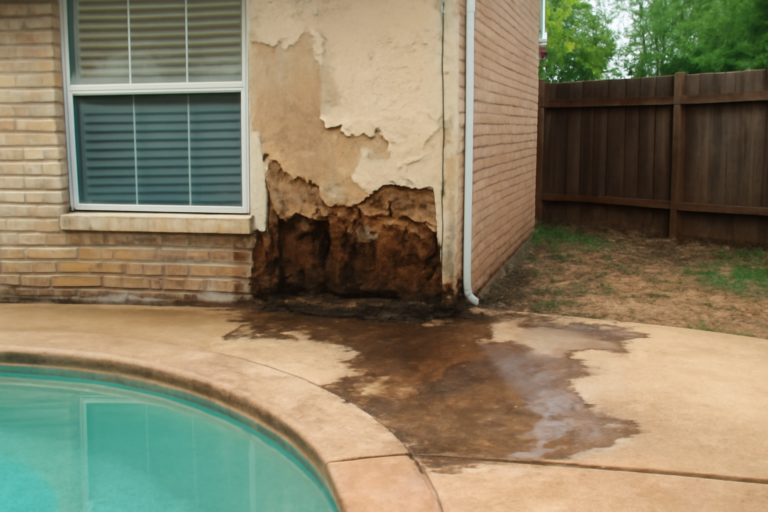
Water stains on ceilings, walls, or floors are obvious signs that water has penetrated your home. These marks often appear after heavy rain or flooding and indicate that materials are saturated. Don’t just repaint over them; investigate the source.
Sagging Ceilings or Walls
Structural elements can weaken when they become waterlogged. If you notice your ceiling is sagging or walls feel soft or are bulging, it’s a serious sign that water has compromised the building’s integrity. This requires immediate professional attention.
Peeling or Bubbling Paint and Wallpaper
Moisture trapped behind paint or wallpaper can cause it to blister and peel. This is a visual cue that water is present and is causing damage to your finishes. It’s a clear sign of water intrusion.
Increased Humidity Indoors
If your home feels unusually damp or humid, even with air conditioning running, it could be due to unaddressed water damage. This elevated moisture level can create an ideal environment for mold. Pay attention to your home’s feel.
Warped Flooring
Wood floors can warp, buckle, or cup when exposed to excess moisture. If your flooring looks uneven or damaged after a storm, it’s a strong indication of water saturation beneath the surface. This can be a costly repair if not addressed.
Tropical Storm Damage Cleanup vs. DIY: When To Call a Professional
| Situation | DIY? | Call a Pro? | Why |
|---|---|---|---|
| Minor surface water on hard floors (e.g., tile, linoleum) | Yes | No | Easy to mop up and dry with fans. |
| Water-damaged drywall or ceiling tiles | No | Yes | Drywall holds water, leading to mold and structural issues if not dried properly. |
| Carpet saturation with clean storm water | Maybe (small area) | Yes (large area or if water is dirty) | Carpets are porous and can harbor mold if not completely dried with specialized equipment. |
| Suspected mold growth or musty odors | No | Yes | Mold can be a health hazard and requires professional remediation. |
| Electrical outlets or appliances near water | No | Yes | Safety hazard; requires professional assessment and drying. |
| Structural damage (sagging ceilings, warped beams) | Absolutely Not | Yes | Requires immediate attention from trained professionals for safety and structural integrity. |
For most storm damage scenarios involving more than just a little surface water, calling a professional is the safest and most effective route. We have the specialized equipment and expertise to handle the complex drying and restoration process. This ensures your home is truly dry and safe.
Tropical Storm Damage Cleanup Cost In Johns Creek, GA
The cost of Tropical Storm Damage Cleanup in Johns Creek, GA, varies significantly based on the extent of the damage, the size of the affected area, and the specific materials damaged. These figures are estimates and can change based on your home’s unique situation.
| Service | Typical Price Range | What Affects Cost |
|---|---|---|
| Water Extraction and Removal | $500 – $3,000 | Amount of water, size of affected area, type of flooring. |
| Structural Drying (Air Movers, Dehumidifiers) | $750 – $4,000 | Duration of drying, square footage, humidity levels. |
| Mold Prevention and Remediation | $1,000 – $7,000+ | Severity of mold, square footage affected, containment needs. |
| Content Cleaning and Restoration | $500 – $5,000+ | Number of items, type of items, severity of soiling. |
| Deodorization and Sanitization | $300 – $1,500 | Size of affected space, type of odors and contaminants. |
| Minor Reconstruction (Drywall, Insulation) | $1,000 – $5,000+ | Square footage of repairs, complexity of the work. |
An on-site assessment is the only way to get an accurate estimate for your specific needs. We offer free, no-obligation inspections and estimates to help you understand the scope and cost. Contact us to schedule yours.
Service Areas Near Johns Creek, GA
Alpharetta, Atlanta, Berkeley Lake, Buford, Chamblee, Cumming, Dacula, Duluth, Dunwoody, Flowery Branch, Gainesville, Hamilton Mill, Johns Creek, Kennesaw, Lawrenceville, Lilburn, Marietta, Milton, Norcross, Peachtree Corners, Roswell, Sandy Springs, Suwanee, Tucker, Underwood, Vinings, Woodstock
Common Questions About Tropical Storm Damage Cleanup
My insurance company is giving me a hard time about my claim. What can you do?
We understand that dealing with insurance can be stressful. Our team has extensive experience working with insurance adjusters. We’ll help you document the damage thoroughly, provide detailed reports, and can often communicate directly with your adjuster to ensure all necessary repairs are covered. We aim to make the claims process as smooth as possible for you.
How long does Tropical Storm Damage Cleanup typically take?
The timeline for cleanup depends heavily on the severity of the storm damage and the extent of water intrusion. A typical drying process can take anywhere from 3 to 10 days, followed by any necessary repairs. We’ll provide you with a projected timeline after our initial assessment, but rapid intervention is key to a quicker recovery.
Is it safe to stay in my home after a tropical storm if there’s visible water damage?
It depends on the extent of the damage. If water has affected electrical systems, damaged structural components, or if there’s a risk of mold growth, it may not be safe. We always prioritize your safety and will advise you if temporary relocation is recommended while we perform the cleanup and restoration. Your health is our top concern.
What kind of equipment do you use for drying after a storm?
We use professional-grade equipment designed for effective water damage restoration. This includes high-powered water extractors, industrial air movers to circulate air, and advanced dehumidifiers to remove moisture from the air and materials. We also utilize moisture meters and thermal imaging cameras to ensure a complete dry-out, reaching areas you can’t see.
Can I prevent damage from future tropical storms?
While you can’t stop a storm, you can take steps to mitigate potential damage. Ensure your roof and gutters are well-maintained, seal any cracks in your foundation, and consider flood vents if you’re in a flood-prone area. Regular maintenance of your home’s exterior can significantly reduce the impact of severe weather. We can also offer advice on protecting your property.
Check Our Other Relevant Services
Serving Johns Creek, GA And Nearby Areas