Trusted by 165+ Homeowners
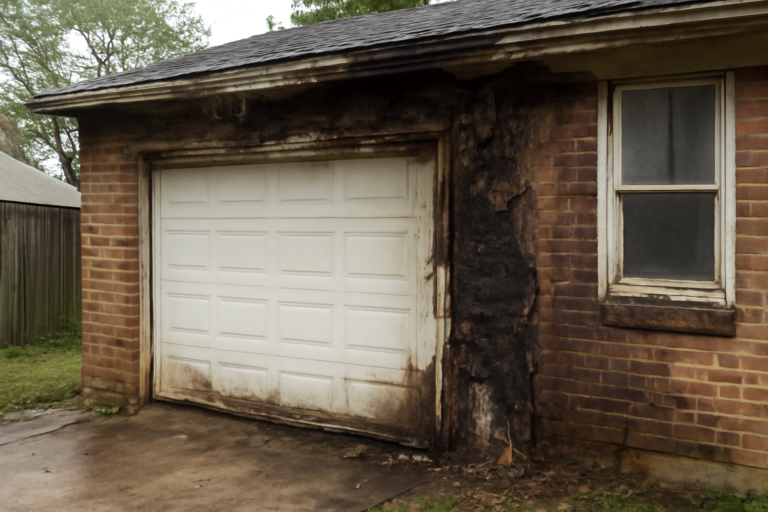
Tropical Storm Damage Cleanup in Loganville, GA
- Over 165 5-Star Reviews
- Free Estimates and Quotes
- 100% Satisfaction Guaranteed
- Child, Family & Pet Safe Steps
- 24-Hour Emergency Service
- Fully Licensed & Insured

When the Skies Open Up: Your Guide to Tropical Storm Damage Cleanup in Loganville, GA
When a tropical storm rolls through, the damage it leaves behind can be sudden and devastating. One of the most critical first steps after the winds die down and the rain stops is to address water intrusion immediately. Ignoring hidden moisture can lead to much more extensive problems down the line, including structural weakening and mold growth. You’ve got enough to worry about; let us help you navigate the immediate aftermath of storm-related damage on your property.
We’ve helped over 165 families in your neighborhood recover from severe weather events, and they’ve shared their positive experiences. Homeowners choose us because we understand the unique challenges that storms bring to our area. You can trust that our team is dedicated to providing fast, effective storm damage recovery, getting your home back to normal as quickly as possible.
- We focus on immediate water extraction using specialized equipment to prevent further damage from standing water, which is crucial after heavy rainfall.
- Our crews are trained to identify and mitigate secondary damage like mold and mildew, which can start to grow within 24-48 hours in damp conditions.
- We work directly with your insurance company, handling the complex claims process so you don’t have to, ensuring a smoother path to restoration.
The Swift Response Process for Tropical Storm Damage Cleanup
When a tropical storm hits, every minute counts. Our process is built around speed and efficiency, because we know that the sooner we can get to your property, the less damage we’ll have to repair. Delays can turn a manageable situation into a costly nightmare, allowing water to seep deeper into your home’s structure. You need a team that understands the urgency and has the right tools for rapid water mitigation.
Emergency Water Extraction
As soon as you call, we’ll dispatch a crew equipped with powerful truck-mounted and portable water extractors. These machines are designed to remove standing water from carpets, floors, and subflooring quickly. This initial step is critical for preventing widespread saturation and minimizing long-term harm to your home’s materials.
Structural Drying and Dehumidification
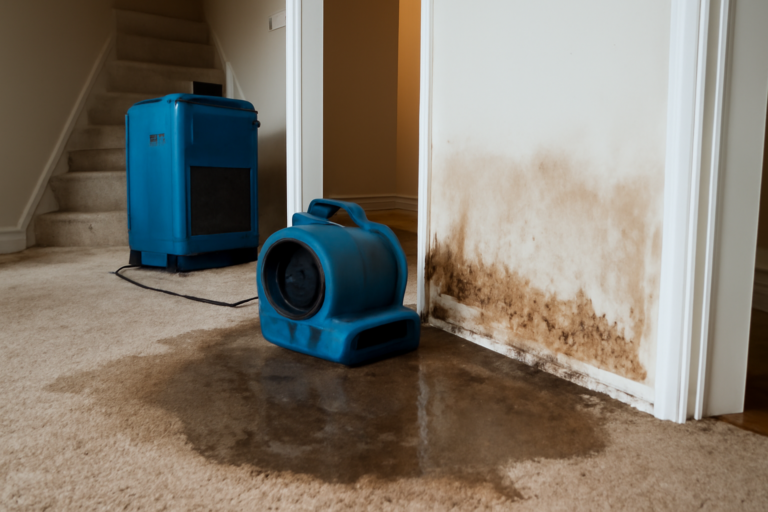
Once the bulk of the water is gone, we set up industrial-grade air movers and dehumidifiers. These machines work tirelessly to remove residual moisture from the air and building materials. This process can take several days, depending on the extent of the water damage, but it’s vital for drying out your structure effectively.
Damage Assessment and Containment
Our certified technicians will perform a thorough inspection to identify all affected areas, including those that might not be immediately visible. We’ll use moisture meters and thermal imaging cameras to map out the wet zones. This detailed assessment helps us create a precise plan for containing the damage and preventing its spread.
Content Cleaning and Restoration
We carefully evaluate salvageable items like furniture, documents, and personal belongings. Depending on the material and the extent of water exposure, many items can be cleaned and restored on-site or at our facility. Our goal is to save your cherished possessions whenever possible.
Reconstruction and Repair
After drying and cleaning are complete, we’ll handle any necessary repairs. This could involve replacing damaged drywall, flooring, insulation, or even more significant structural work. We aim to restore your home to its pre-storm condition, ensuring long-lasting structural integrity.
Don’t wait for the damage to worsen. Contact us immediately to begin the critical process of Tropical Storm Damage Cleanup and protect your home.

Warning Signs You Need Tropical Storm Damage Cleanup
Tropical storms can leave behind subtle signs of damage that, if overlooked, can lead to much bigger issues. Recognizing these early indicators is key to preventing costly secondary problems like mold or structural compromise. Paying attention to these subtle cues means taking proactive steps for your home’s health.
Musty Odors That Won’t Go Away
A persistent damp or musty smell, even after the storm has passed and things appear dry, is a strong indicator of hidden moisture. This odor often signals that mold or mildew may be starting to grow in walls, attics, or crawl spaces, requiring immediate professional inspection.
Visible Water Stains or Discoloration
Look for water marks on ceilings, walls, or around windows and doors. These stains mean water has penetrated the surface and is likely saturating the materials beneath. Addressing these marks promptly helps avoid further material degradation.
Peeling or Bubbling Paint/Wallpaper
When moisture gets behind paint or wallpaper, it can cause it to bubble up or peel away from the surface. This is a clear sign that the underlying materials are compromised and need to be dried out and repaired to prevent structural weakening.
Sagging Ceilings or Walls
Significant water intrusion can saturate drywall and insulation, making these materials heavy and causing them to sag. This is a serious structural concern that needs urgent professional assessment to prevent collapse.
Soft or Warped Flooring
If your wood floors feel soft, spongy, or appear warped after a storm, it means water has gotten underneath. This damage can spread quickly and requires specialized drying techniques to save your flooring.
Electrical Issues or Flickering Lights
Water and electricity are a dangerous combination. If you notice any electrical problems, like flickering lights, tripped breakers, or strange smells near outlets, treat it as an emergency. This could indicate water has reached electrical components, posing a serious safety hazard.
Tropical Storm Damage Cleanup vs. DIY: When To Call a Professional
| Situation | DIY? | Call a Pro? | Why |
|---|---|---|---|
| Standing water on hard floors (tile, concrete) | Yes, for small amounts if you have a wet/dry vac. | Yes, for large areas or deep water. | Professionals have more powerful extraction equipment to remove water quickly and prevent subfloor damage. |
| Water-soaked carpets and padding | No. | Yes, always. | Carpets and padding hold immense amounts of water that DIY equipment can’t fully remove, leading to mold and structural issues. |
| Visible mold growth | No. | Yes, always. | Mold can be a health hazard, and professionals have the protective gear and specialized cleaning agents needed. |
| Water in walls or ceilings | No. | Yes, always. | Hidden moisture behind surfaces requires specialized tools to locate and dry, preventing widespread rot and mold. |
| Minor roof leaks after wind damage | Maybe, for temporary fixes to prevent immediate indoor damage. | Yes, for thorough inspection and repair. | A professional can properly assess and repair the roof structure to prevent recurring leaks. |
| Odor after drying | No. | Yes, for advanced deodorization. | Persistent odors often indicate residual mold or bacteria that require professional treatment. |
While some minor water issues might seem manageable, tropical storm damage often involves hidden moisture and potential structural risks that go beyond typical DIY capabilities. For anything more than a small, contained spill on a hard surface, calling a professional team is the safest and most effective way to ensure your home is properly dried and restored, preventing long-term structural issues.
Tropical Storm Damage Cleanup Cost In Loganville, GA
The cost of Tropical Storm Damage Cleanup in Loganville, GA, can vary significantly. Factors like the size of your property, the amount of water intrusion, the type of materials affected, and the speed of response all play a role. These price ranges are estimates to help you understand the potential investment in restoring your home.
| Service | Typical Price Range | What Affects Cost |
|---|---|---|
| Emergency Water Extraction | $400 – $1,500 | Amount of water, size of affected area, accessibility. |
| Structural Drying (Fans & Dehumidifiers) | $1,000 – $4,000 | Duration of drying, number of units needed, size of the space. |
| Carpet & Upholstery Cleaning/Restoration | $300 – $1,000 | Square footage, type of material, severity of soiling. |
| Mold Remediation | $500 – $5,000+ | Extent of mold growth, type of mold, containment needs. |
| Minor Structural Repairs (drywall, subfloor) | $500 – $3,000+ | Amount of material needed, complexity of the repair. |
| Content Cleaning & Restoration | $200 – $2,000+ | Number of items, type of items, extent of damage to each item. |
For an accurate quote, our team provides free on-site assessments. We’ll inspect your property thoroughly and give you a detailed breakdown of the necessary work and associated costs, helping you make informed restoration decisions.
Service Areas Near Loganville, GA
Auburn, Between, Boggs Industrial Park, Bethlehem, Carl, Chestnut Mountain, Conyers, Covington, Dacula, Grayson, Hamilton Mill, Hoschton, Jersey, Lawrenceville, Lilburn, Madison, Monroe, Snellville, Statham, Suwanee
Common Questions About Tropical Storm Damage Cleanup
How quickly do I need to address tropical storm water damage?
You should address tropical storm water damage as quickly as possible, ideally within 24-48 hours. Beyond this timeframe, the risk of mold growth and structural compromise increases significantly. Our team is available 24/7 to respond rapidly and begin the necessary extraction and drying processes.
Will my homeowner’s insurance cover tropical storm damage cleanup?
Typically, homeowner’s insurance policies cover damage caused by sudden and accidental events like tropical storms, including water damage. However, coverage details can vary, and some policies may exclude flooding from external sources. We’ll work with your insurance adjuster to ensure proper claim documentation and a smooth process for your coverage.
What are the health risks associated with tropical storm water damage?
The primary health risk is the potential for mold and mildew growth, which can trigger allergies, asthma, and other respiratory issues. Standing water can also harbor bacteria. Our technicians are trained to safely identify and mitigate these hazards, ensuring your home is not only dry but also safe for your family.
What equipment do you use for drying after a storm?
We utilize a range of professional-grade equipment, including high-powered water extractors, industrial air movers (fans), and commercial dehumidifiers. We also employ moisture meters and thermal imaging cameras to detect hidden water. This advanced equipment is essential for thorough structural drying and preventing secondary damage.
Can I prevent mold after a tropical storm?
While you can’t prevent a storm, you can take steps to minimize mold risk. The most important step is immediate professional water extraction and drying. Ensure good ventilation once the structure is dry, and address any lingering dampness promptly. Our team’s rapid response and advanced drying techniques are your best defense against preventing mold growth.
Check Our Other Relevant Services
Serving Loganville, GA And Nearby Areas