Trusted by 165+ Homeowners
Under Carpet Water Damage Restoration in Temple, GA
- Over 165 5-Star Reviews
- Free Estimates and Quotes
- 100% Satisfaction Guaranteed
- Child, Family & Pet Safe Steps
- 24-Hour Emergency Service
- Fully Licensed & Insured

Don’t Let Hidden Moisture Ruin Your Floors: Under Carpet Water Damage Restoration in Temple, GA
You just stepped on your carpet and felt it. A spongy, damp spot that wasn’t there yesterday. Maybe you smell a faint, musty odor you can’t quite place. It’s that sinking feeling, knowing water has found its way beneath your flooring, creating a hidden problem. This isn’t just about a wet rug; it’s about the potential for mold growth and structural damage lurking just out of sight. You need to address this hidden moisture problem immediately. We understand that discovering under carpet water damage can be unsettling, especially here in Temple, GA, and we’re here to help you tackle it fast.
Homeowners around here trust us because we get the job done right, the first time. With over 165 five-star reviews, you know you’re choosing a team that genuinely cares about your property and your situation. We specialize in tackling the tricky, hidden water issues that others might miss. When you need expert under carpet drying, you can count on our dedicated crews to bring your home back to normal quickly and effectively. We’ve seen it all, and we’re ready to help you, too.
- We use specialized equipment to extract water trapped deep within your carpet padding and subfloor, preventing long-term damage.
- Our targeted drying process stops mold and mildew before they even have a chance to start, protecting your family’s health.
- We meticulously monitor moisture levels to ensure your floors and subfloors are completely dry, giving you true restoration.
The Science Behind Tackling Under Carpet Water Damage
Dealing with water under your carpet requires more than just mopping up. It’s a science. If not handled correctly, that trapped moisture can lead to significant issues like mold, rot, and compromised structural integrity, costing you much more down the road. Our team employs a precise, scientific approach to ensure every drop of water is removed and your property is dried thoroughly. We focus on effective water extraction and controlled drying protocols to restore your home safely and efficiently, unlike quick fixes that can leave hidden problems.
Step 1: Immediate Water Extraction
The first and most critical step is removing the standing water. We use powerful, truck-mounted or portable extraction units specifically designed to pull water from deep within carpet fibers and padding. This process is intensive and aims to remove as much bulk water as possible, often within the first few hours. We’re talking about significant water removal to prevent further saturation.
Step 2: Moisture Detection and Assessment
Once bulk water is gone, we use advanced moisture meters to pinpoint exactly where the water has spread, both in your carpet and, crucially, in your subfloor. This allows us to create a targeted drying plan. We measure moisture content levels to understand the true extent of the damage. This detailed assessment is key to a successful restoration.
Step 3: Controlled Drying and Dehumidification
This is where the science really comes into play. We strategically place high-velocity air movers and industrial-grade dehumidifiers to accelerate the evaporation process. These machines create airflow across wet surfaces and pull moisture from the air, creating a controlled environment for drying. Our goal is to bring your materials back to normal humidity levels quickly and safely.
Step 4: Air Quality Control
As we dry, we also focus on maintaining good air quality. We may use air scrubbers with HEPA filters to capture airborne mold spores and other contaminants that can be stirred up during the drying process. This ensures your home is not only dry but also healthy. We’re committed to improving indoor air quality for your family’s well-being.
Step 5: Final Inspection and Monitoring
We don’t just pack up and leave. Our technicians will continue to monitor moisture levels until we’re certain everything is completely dry. We’ll conduct a final inspection to ensure all affected areas have met our strict drying standards. Your satisfaction and the complete dryness of your home are our top priorities.
Don’t let hidden water cause long-term headaches. Call us today for immediate assistance with your under carpet water damage. We’re ready to deploy our specialized equipment and expertise to your property now.

Warning Signs You Need Under Carpet Water Damage Restoration
Catching the signs of under carpet water damage early can save you a significant amount of money and stress. These hidden issues don’t always announce themselves loudly, but paying attention to subtle clues is vital. Ignoring these warnings can lead to much bigger, more expensive problems down the line, including serious health risks. We want you to be aware of what to look for so you can get help when you need it. Recognizing these early warning indicators is your first line of defense.
Musty Odors That Won’t Go Away
This is often the first and most noticeable sign. A persistent, damp, musty smell, especially in rooms with carpet, strongly suggests trapped moisture. The odor comes from mold and mildew beginning to grow in the dark, damp environment beneath your carpet. Don’t just mask the smell; investigate the source of the musty odor.
Spongy or Soft Carpet
When you walk on certain areas of your carpet and it feels unusually soft, squishy, or spongy, it’s a clear indicator that the padding underneath is saturated. This often happens when water has seeped under the carpet from a leak or spill and hasn’t dried out. This compromised carpet feel means moisture is present.
Visible Water Stains or Discoloration
While you might not see water pooling on top, look for discoloration or water rings that appear on the carpet’s surface, especially around the edges or seams. These can be signs that water has wicked up from below. These discolored carpet spots are a visual cue of underlying wetness.
Buckling or Warped Flooring
If you have hard surface flooring installed over carpet or if the subfloor itself is affected, you might notice buckling, warping, or rippling. This happens as the moisture damages the materials, causing them to expand and contract unevenly. It’s a sign of structural moisture damage occurring.
Mold or Mildew Growth
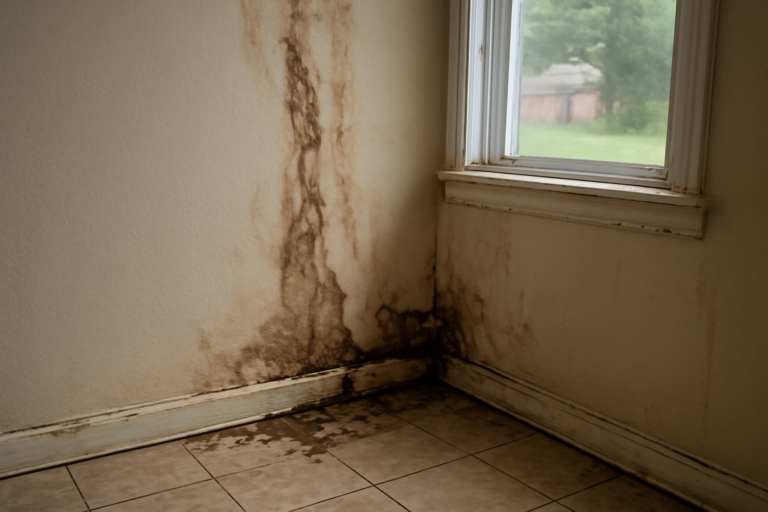
In more advanced cases, you might see visible signs of mold or mildew growth on the carpet surface or along baseboards. This typically appears as dark spots or fuzzy patches. This is a serious health concern and indicates that conditions are ideal for hazardous mold proliferation.
Increased Humidity or Dampness in the Air
The air in the affected room might feel noticeably more humid or damp than other parts of your home. This can be caused by evaporation from the trapped moisture under the carpet. A sudden increase in humidity is a red flag.
Under Carpet Water Damage Restoration vs. DIY: When To Call a Professional
| Situation | DIY? | Call a Pro? | Why |
|---|---|---|---|
| Small, fresh spill on carpet edge | Yes, if you act immediately. | No, usually not necessary. | You can likely blot and dry a small, fresh spill yourself before it soaks deep. |
| Suspected leak from plumbing under floor | No. | Yes, absolutely. | Pinpointing and repairing the leak requires professional skill, and improper drying can cause hidden mold. |
| Water damage after a storm or heavy rain | No. | Yes, always. | Storm water can carry contaminants, and the extent of saturation often exceeds DIY capabilities. |
| Musty odor with no visible wetness | No. | Yes, immediately. | This indicates hidden moisture and potential mold growth that needs professional detection and remediation. |
| Large area of saturated carpet (e.g., appliance leak) | No. | Yes, definitely. | DIY equipment can’t remove the volume of water or dry the subfloor effectively, risking long-term damage. |
| Water damage near electrical outlets or wiring | No. | Yes, urgently. | Water and electricity are a dangerous combination; professional assessment is critical for safety. |
While minor spills might be manageable with quick action, any situation involving potential plumbing leaks, extensive saturation, or lingering odors requires professional intervention. When in doubt, calling our team for an assessment is the safest and most effective route. We have the specialized tools and knowledge to handle complex water intrusion scenarios correctly.
Under Carpet Water Damage Restoration Cost In Temple, GA
The cost for under carpet water damage restoration can vary widely depending on several factors specific to your situation in Temple, GA. These factors include the size of the affected area, the depth of water saturation, the type of carpet and padding, and the extent of subfloor damage. These are general estimates to help you understand potential costs. Transparent pricing is important to us.
| Service | Typical Price Range | What Affects Cost |
|---|---|---|
| Water Extraction & Removal | $500 – $2,000 | Amount of water, size of area, type of equipment needed. |
| Carpet & Pad Drying (with equipment) | $750 – $3,000 | Square footage, duration of drying, number of air movers/dehumidifiers required. |
| Subfloor Drying & Treatment | $1,000 – $4,000+ | Depth of saturation, type of subfloor material (plywood, concrete), need for specialized drying techniques. |
| Mold Inspection & Remediation (if necessary) | $500 – $5,000+ | Severity of mold growth, containment procedures, type of mold. |
| Moisture Monitoring & Assessment | $200 – $500 | Number of visits, use of advanced detection tools. |
| Carpet & Padding Replacement (if needed) | $500 – $2,500+ | Square footage, quality of new carpet and padding. |
These figures are meant as a guide; a precise quote requires an on-site inspection by our trained technicians. We offer free, no-obligation estimates to give you a clear picture of the cost for your specific needs. Let us assess the damage and provide you with an accurate proposal.
Service Areas Near Temple, GA
Carrollton, Villa Rica, Douglasville, Dallas, Hiram, Lithia Springs, Powder Springs, Austell, Mableton, Smyrna, Marietta, Kennesaw, Acworth, Woodstock, Canton, Roswell, Alpharetta, Sandy Springs, Atlanta, Jonesboro.
Common Questions About Under Carpet Water Damage Restoration
What is the quickest way to dry wet carpet and padding?
The quickest and most effective way to dry wet carpet and padding is by using professional-grade equipment. This includes powerful water extractors to remove as much bulk water as possible, followed by high-velocity air movers to speed up evaporation and industrial dehumidifiers to remove moisture from the air. We deploy these specialized drying tools to ensure your home is dried thoroughly and efficiently. Without this equipment, DIY methods often leave moisture trapped, leading to mold.
How long does it take to dry out under carpet water damage?
The drying time for under carpet water damage can vary significantly, typically ranging from 24 hours to several days. Factors like the amount of water, the type of carpet and padding, subfloor materials, and ambient humidity all play a role. Our team uses advanced moisture monitoring to track progress and ensure complete dryness, aiming for the fastest possible safe drying time for your property. We’ll give you a realistic timeline based on our assessment.
Is under carpet water damage dangerous?
Yes, under carpet water damage can be dangerous if not addressed promptly. The primary dangers include the rapid growth of mold and mildew, which can release spores into the air and cause respiratory problems and allergic reactions. Additionally, prolonged moisture can damage your subfloor and even compromise the structural integrity of your home. We take health risks seriously and work to remove the moisture before these issues arise.
Will my insurance cover under carpet water damage restoration?
In many cases, yes, your homeowner’s insurance policy will cover under carpet water damage, especially if the source of the water was sudden and accidental, like a burst pipe or appliance malfunction. However, coverage can vary, and damage from slow leaks or floods might be treated differently. We can help you understand the process and work with your insurance adjuster to ensure your claim is handled smoothly. We’re experienced in documenting insurance claim requirements for water damage.
How can I prevent under carpet water damage in the future?
Preventing under carpet water damage involves regular home maintenance and vigilance. This includes inspecting plumbing for leaks, checking appliance hoses regularly, ensuring your roof and gutters are in good condition to prevent leaks, and promptly cleaning up any spills. Consider installing water leak detectors near appliances or pipes that are prone to issues. Being proactive is the best way to avoid costly future repairs and maintain a dry home environment.
Check Our Other Relevant Services
- Burst Pipe Water Damage Restoration in Temple, GA
- Free Water Damage Restoration Estimate in Temple, GA
Serving Temple, GA And Nearby Areas